





 Portuguese
  English
  Spanish
  3 min of reading
  0 comments


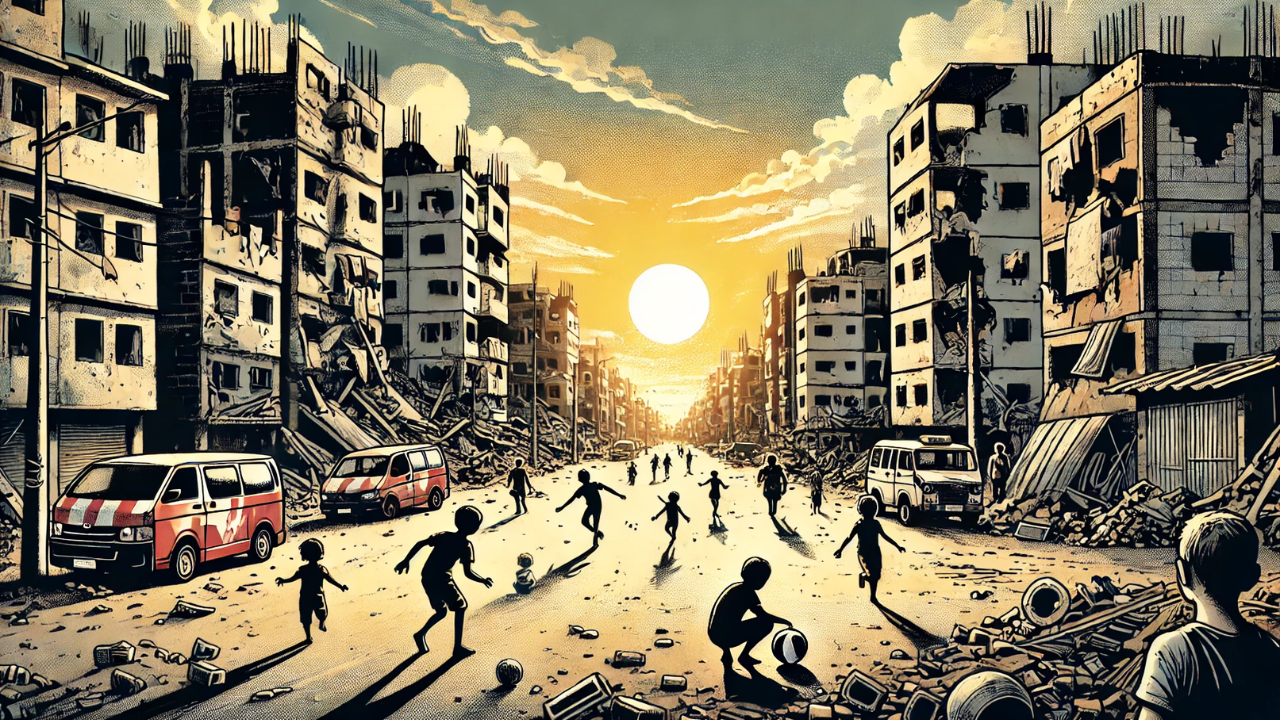
Check Out Donald Trump’s Statement, Again President of the USA, on the Israeli-Palestinian Conflict and Discover the History of the Gaza Strip.
In a recent meeting with Israeli Prime Minister Benjamin Netanyahu, U.S. President Donald Trump made statements that attracted international attention regarding the situation in the Gaza Strip.
Trump, known for his controversial positions on the Middle East, suggested that the United States would “take over” control of the region and advocated for the removal of Palestinians from the territory, in addition to proposing that neighboring countries, such as Jordan and Egypt, welcome the displaced refugees.
The Context of Trump’s Proposal
The Gaza Strip is a territory approximately 40 kilometers long and 11 kilometers wide, located along the Mediterranean coast, with Israel to the east and Egypt to the south.
-
If the USA were to go to war with Brazil, Washington’s greatest fear would not be the attack itself, but facing a vast territory, prolonged resistance, and a costly, chaotic, and unpredictable occupation.

-
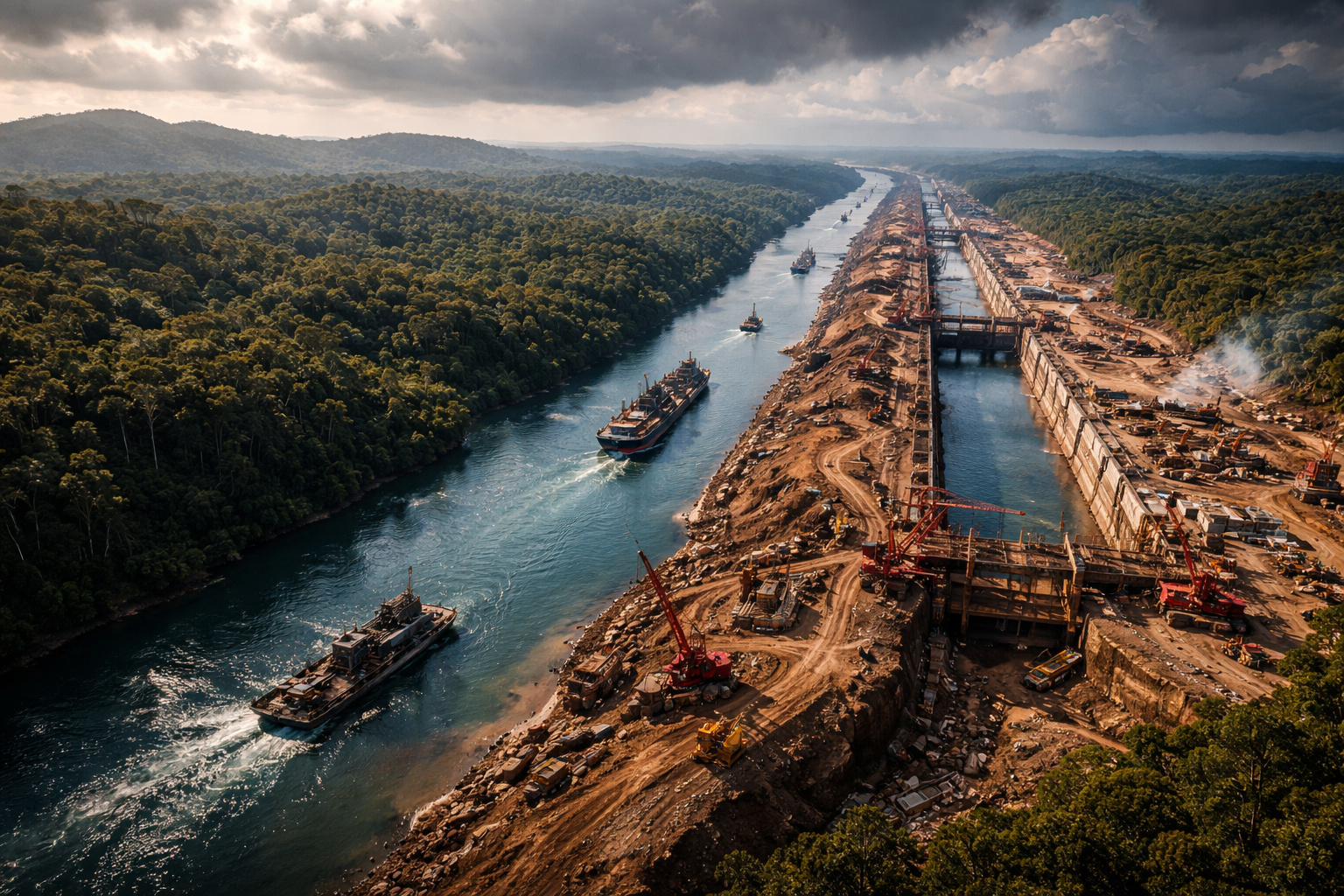
In 2013, Nicaragua sold the concession for a canal to rival Panama to a Chinese billionaire who lost 85% of his fortune, disappeared, and was declared bankrupt. Now the project resurfaces with a new route, a new Chinese partner, and a cost of $64.5 billion.
-
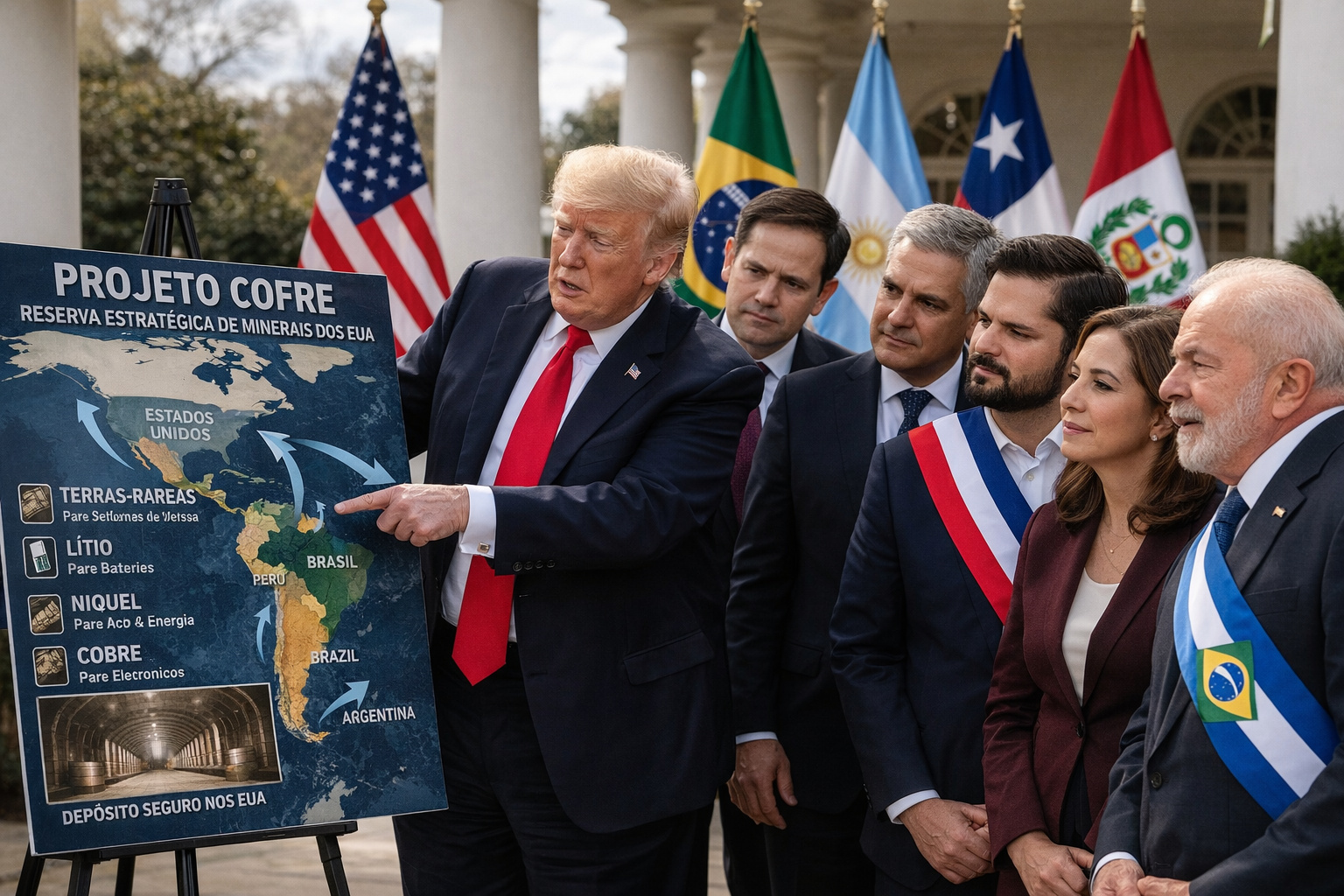
The USA announces a mysterious billion-dollar vault project to store critical minerals, but what intrigues experts is not just the plan itself, but why Latin America, including Brazil, has entered the center of this global dispute against China.
-
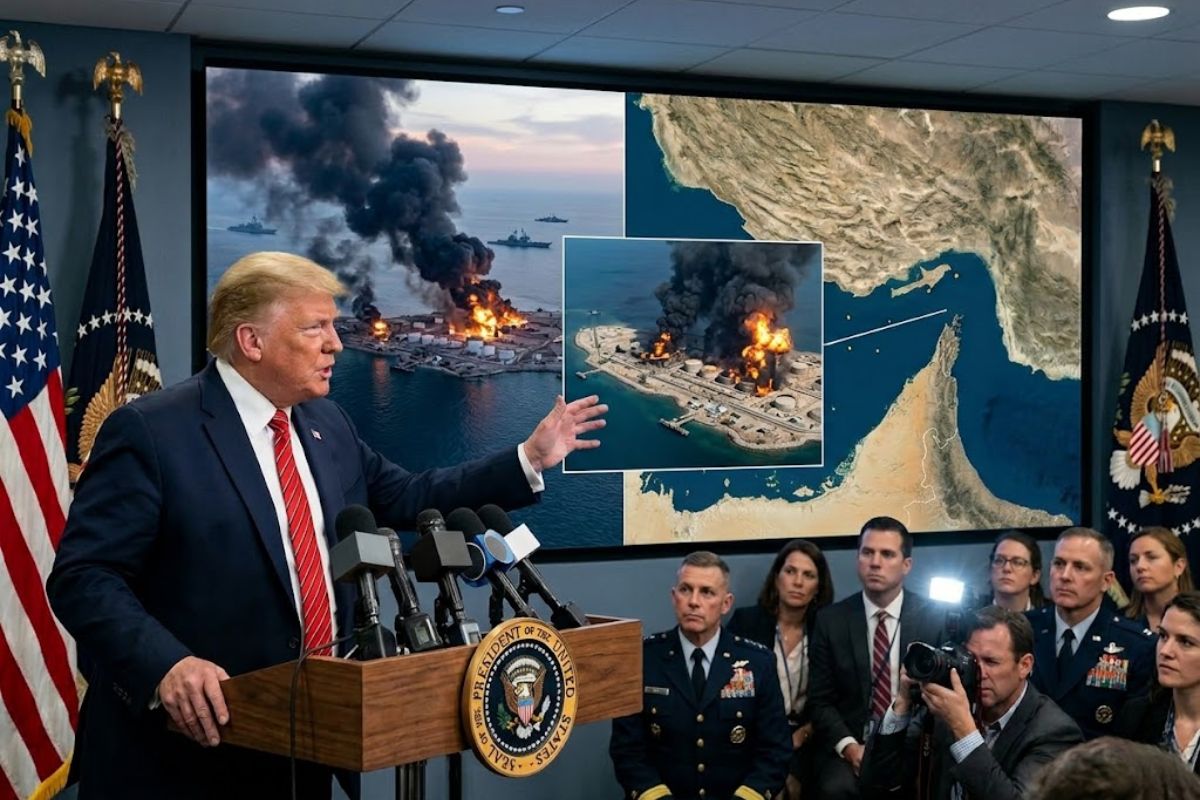
Trump Announces Bombing of U.S. Military Targets on Iranian Island Responsible for About 90% of Iran’s Oil Exports, Warns of Further Attacks if Navigation in Strategic Strait of Hormuz Is Threatened

This small piece of land, which is home to over 2 million people, has been an epicenter of political tensions and historical conflicts.
Most of its population is Muslim, and many are Palestinian refugees living in extreme poverty.
Trump stated that the people currently controlling the region would not be the most suitable to rebuild and manage Gaza, suggesting that Palestinians have no choice but to leave the territory.
His comment came after discussions with Netanyahu at the White House and reflects the increasing involvement of the United States in Middle Eastern issues, especially concerning the Israeli-Palestinian conflict.
Gaza: History and Current Reality
Historically, Gaza has been a point of dispute and suffering. For centuries, the region has been dominated by various powers, including the Egyptians, Romans, and Ottomans.
After World War II, the creation of the State of Israel in 1948 and subsequent conflicts resulted in Israel occupying Gaza until its troop withdrawal in 2005.
However, the blockade of Gaza, imposed by Israel since 2007, remains in effect, generating severe economic and humanitarian restrictions for the Palestinians.
The control of Gaza is in the hands of Hamas, an Islamic group that refuses to recognize the State of Israel and is considered a terrorist organization by several countries, including the United States and the European Union.
Since its rise to power in 2006, Hamas has been responsible for numerous attacks on Israel while also facing criticism for its authoritarian stance and the humanitarian impact in Gaza.
Impacts and Consequences of Trump’s Statements
Donald Trump’s words about Gaza have generated reactions both in Israel and the Arab world. For many, the idea of forcing Palestinians to leave Gaza and be welcomed by neighboring countries like Jordan and Egypt seems a simplistic solution to a complex problem.
Human rights organizations and the UN have warned about the severe humanitarian consequences of the blockade imposed on Gaza, which has resulted in a crisis of unemployment, poverty, and food insecurity for the local population.
Trump’s position also reflects his administration’s ongoing support for Israel, which has been a constant in his foreign policy, especially after recognizing Jerusalem as Israel’s capital in 2017.
However, the suggestion that Palestine has no choice but to abandon Gaza raises questions about the feasibility of a just solution to the Israeli-Palestinian conflict.
Uncertainties for the Future of Gaza
As tensions rise between Hamas and Israel and the political instability in the region continues, the future of the Gaza Strip remains uncertain.
While some international powers, like the United States, press for changes to the status quo, the reality on the ground is one of a suffering people seeking recognition and rights amid a backdrop of occupation and violence.
The crisis in Gaza is not just a geopolitical issue but a humanitarian dilemma that requires a solution that goes beyond simplistic proposals for displacement and territorial division.
As the conflict between Israelis and Palestinians continues unresolved, the suffering of the people in Gaza is a constant reminder of the difficulties faced by those living under occupation and blockade.








Seja o primeiro a reagir!