





 English
  Francês
  Alemão
  Italiano
  Japonês
  Norueguês
  Portuguese
  Spanish
  4 min of reading


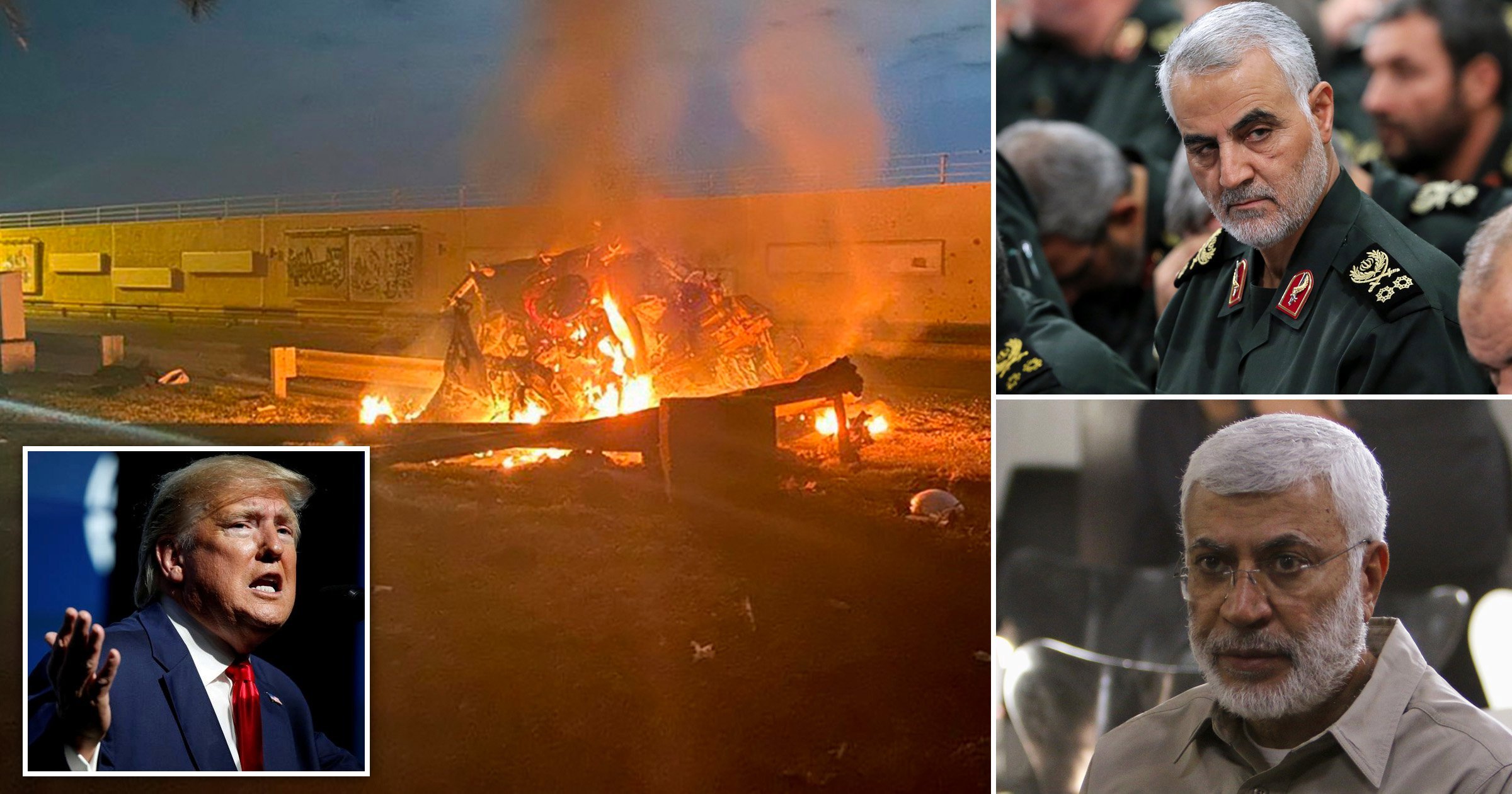
The Attack Ordered By Trump On Friday In Baghdad Also Killed Abu Mahdi Al-Muhandis, Deputy Commander Of The Iran-Backed Militias Known As The Popular Mobilization Forces.
President Trump Ordered A Revolutionary Military Strike In The U.S. That Killed Iranian General Qassem Soleimani, Head Of The Elite Quds Force Of The Islamic Revolutionary Guard Corps, Among Other Military Officials At Baghdad International Airport On Friday, The Pentagon Confirmed. U.S. Strike Against Iranian General Will Impact Fuel Prices In Brazil, Says Bolsonaro.
Also Read
- Ocyan Announces Offshore Jobs In Macaé For High School And Higher Education Professionals
- Job Openings To Work Offshore At Norwegian Aker Solutions
- Brasfels Shipyard In Angra dos Reis Starts A Huge Recruitment And Selection Process For Approximately 60 Positions
Soleimani Is The Military Leader That Secretary Of State Mike Pompeo Considered As Dangerous As ISIS Leader Abu Bakr Al-Baghdadi. In October, Baghdadi Killed Himself During A U.S. Raid On A Compound In Northwest Syria, Seven Months After The So-Called ISIS “Caliphate” Collapsed, When The Terrorist Group Lost Its Last Strip Of Syrian Territory In March.
-
Many employers do not know, but the law guarantees domestic workers a 25% increase in salary during trips, 50% for overtime, 20% for night shifts, and 17 additional benefits that can lead to labor lawsuits if not paid.

-
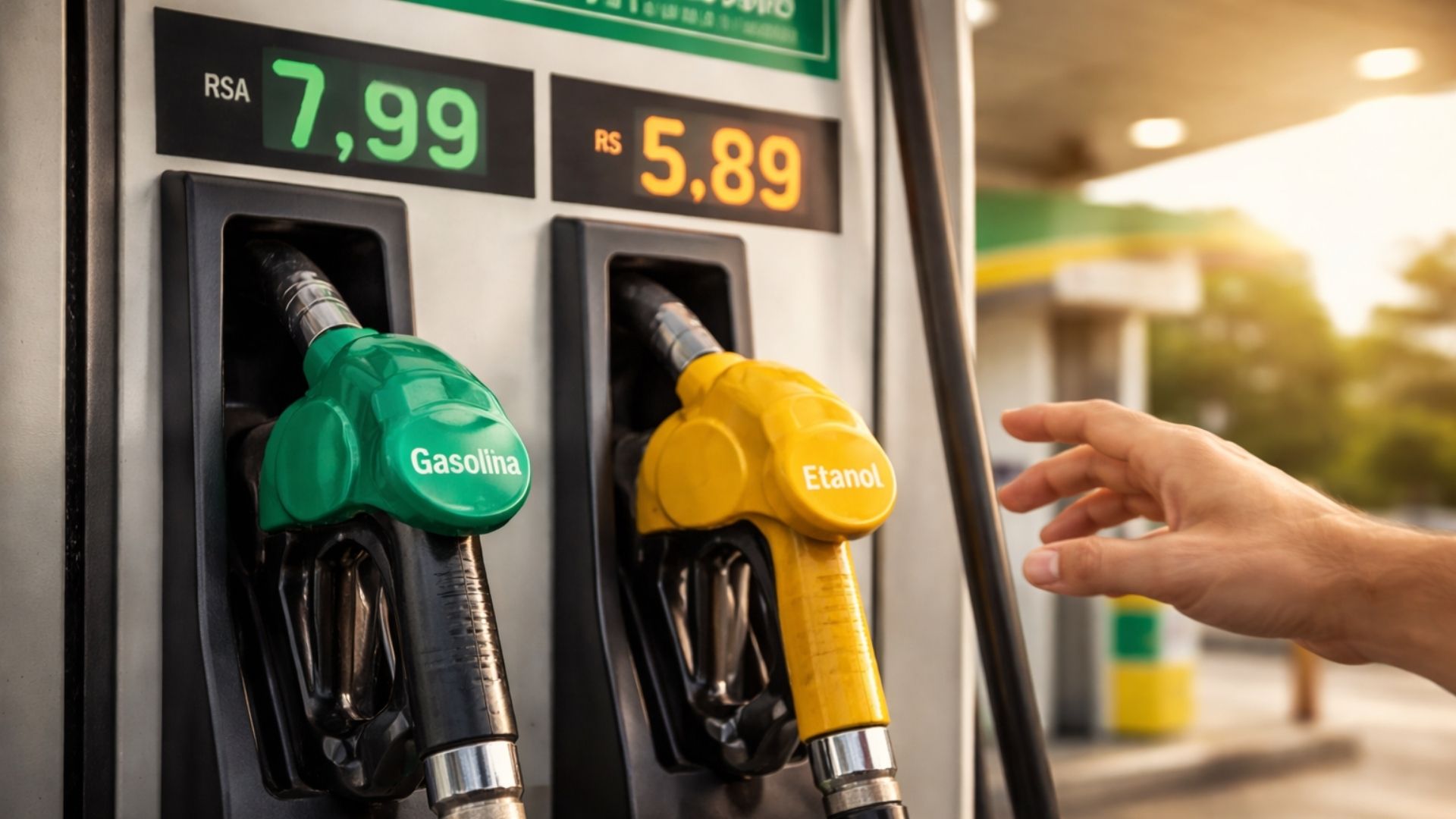
Gasoline prices soar and the question arises: is ethanol more advantageous? The 70% rule reveals the limit with gasoline.
-
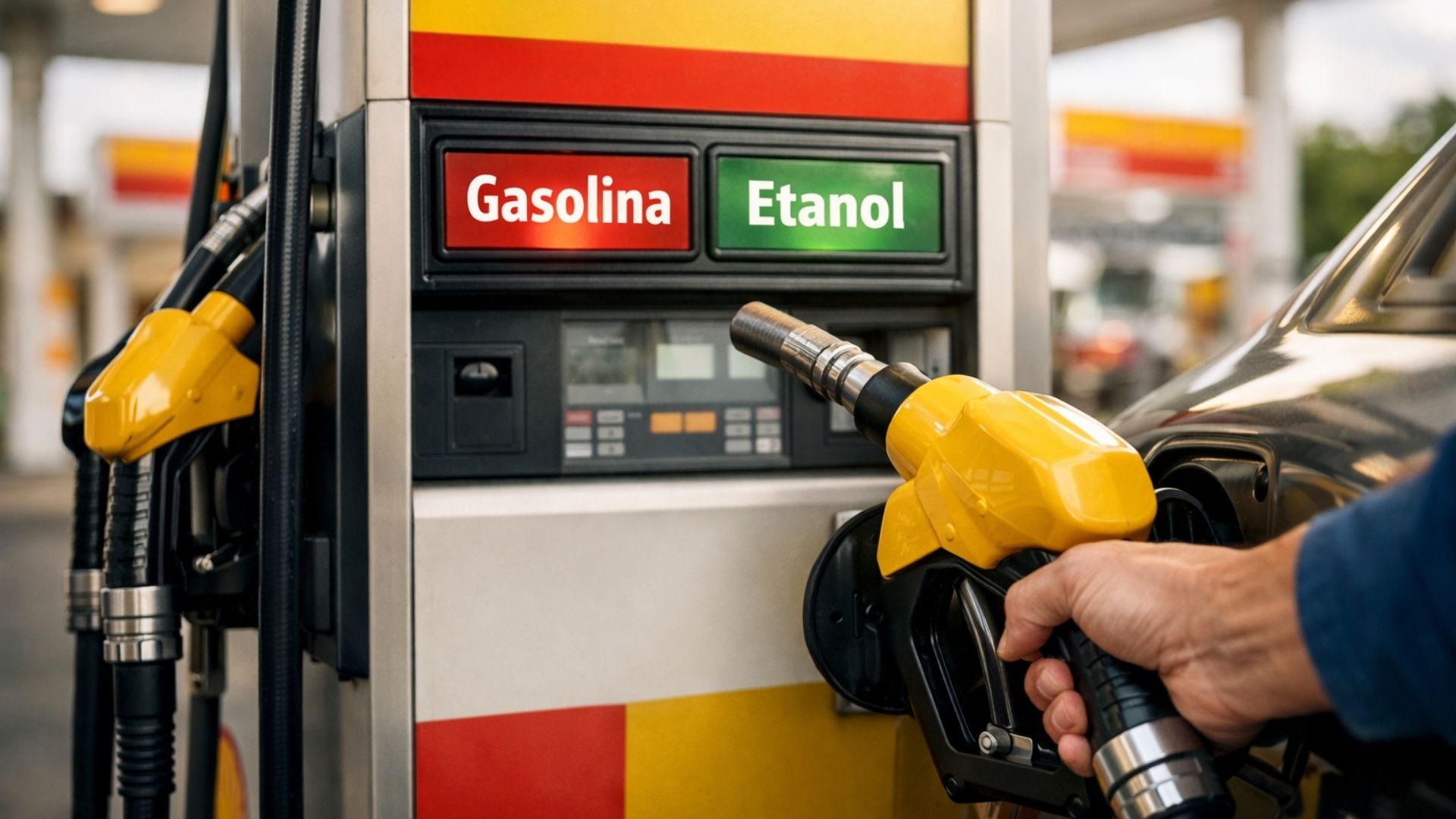
The government has made a decision and is starting a test with more ethanol in gasoline, anticipating a mixture of up to 35%, diesel with 25% biodiesel, and a study to assess the impacts on engines.
-
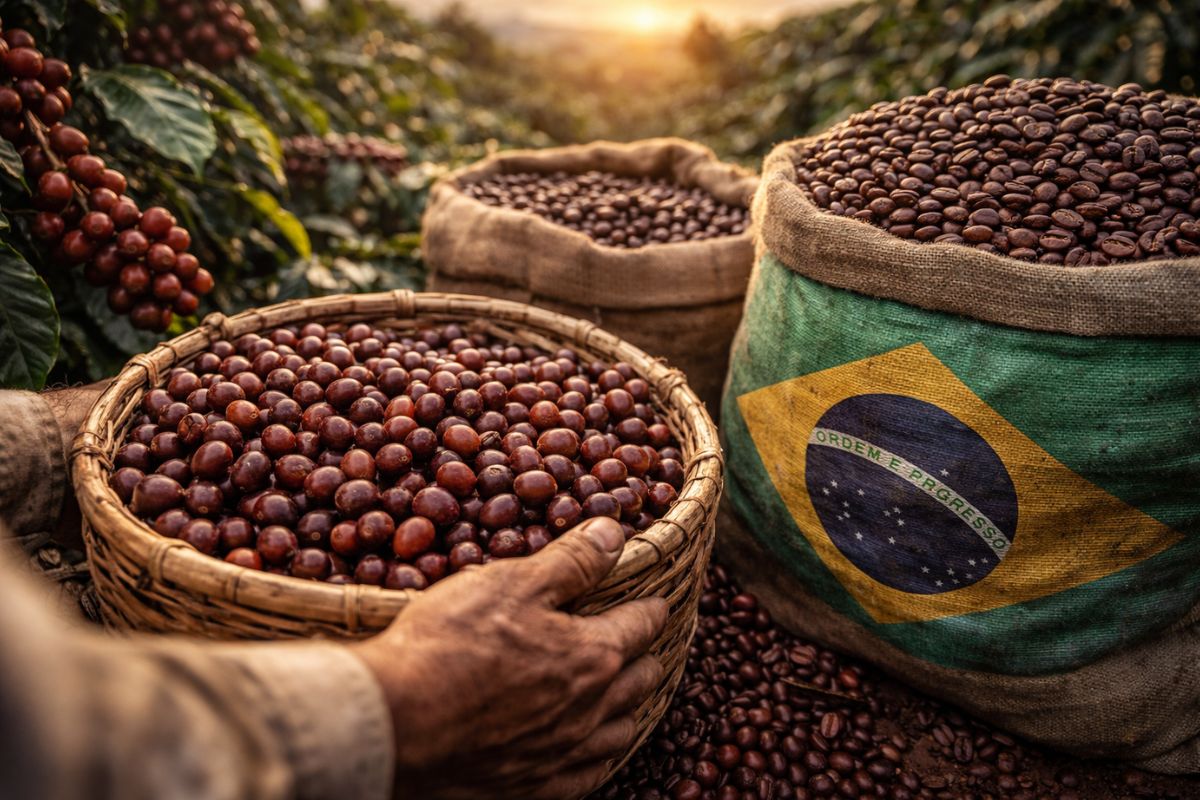
Brazil is the largest coffee producer in the world, but four foreign companies control more than half of the domestic market, including brands that you probably have in your kitchen like Pilão, 3 Corações, Melitta, and Nescafé.

The Iranian Foreign Minister, Javad Zarif, Tweeted After The Attack, “The U.S. International Terrorism Act, Targeting And Assassinating General Soleimani – The Most Effective Fighter Against Daesh (ISIS), Al Nusrah, Al Qaeda And Others – Is Extremely Dangerous And A Foolish Escalation.” He Added That The U.S. “Bears Responsibility For All The Consequences Of Its Reckless Adventurism.”
In April 2019, The State Department Announced That Iran Was Responsible For The Deaths Of 608 U.S. Soldiers During The Iraq War. Soleimani Was The Head Of The Iranian And Iran-Backed Forces Conducting Those Operations, Killing American Troops. According To The State Department, 17% Of All American Personnel Deaths In Iraq From 2003 To 2011 Were Orchestrated By Soleimani.
In 2015, A Travel Ban And United Nations Security Council Resolutions Prevented Soleimani From Leaving Iran.
The Attack On Friday In Baghdad Also Killed Abu Mahdi Al-Muhandis, Deputy Commander Of The Iran-Backed Militias Known As The Popular Mobilization Forces.
In Total, At Least Seven People Were Killed And At Least Three Rockets Were Fired, Authorities Told The Associated Press. An Official From The Popular Mobilization Forces Said Their Airport Protocol Officer, Mohammed Reda, Also Died.
Hours After The Announcement Of The Attack, President Trump Tweeted A Simple Image Of The American Flag.
— Donald J. Trump (@realDonaldTrump) January 3, 2020
Soleimani Was The Longtime Leader Of The Elite Intelligence Wing Known As The Quds Force – Which Itself Has Been Designated A Terrorist Group Since 2007 And Is Estimated To Have 20,000 Men. Soleimani Was Considered One Of The Most Powerful Men In Iran, Referred To As The “Commander Of The Shadows” Or The “Master Of Spies.”
The Deaths Marked A Potential Turning Point In The Middle East, And Are Expected To Draw Severe Retaliation From Iran And The Forces It Supports In The Region Against Israel And American Interests.
The Nighttime Attack Occurred Amid Tensions With The U.S., After An Iran-Backed Militia Attacked The U.S. Embassy In Baghdad, Which Was Targeted On Tuesday By Angry Crowds Protesting Recent U.S. Airstrikes.
The Two-Day Siege Outside The U.S. Embassy In Baghdad Ended On Wednesday Afternoon After Dozens Of Iran-Backed Militiamen And Their Supporters Withdrew From The Complex.
The Crisis Began Early Tuesday When, In A Coordinated Attack, Hundreds Of Protesters Stormed The Embassy Complex, One Of The Most Heavily Fortified U.S. Diplomatic Missions In The World.
President Trump, Who Promised On Tuesday Night That The Situation “Will Not Be Benghazi” – A Reference To The Deadly 2012 Attack On The U.S. Consulate In Libya Under The Watch Of The Obama Administration, Ordered The Deployment Of About 750 U.S. Soldiers To The Middle East.
The Attack On The Embassy, One Of The Worst In Recent Memory, Followed Deadly U.S. Airstrikes On Sunday That Killed 25 Fighters From The Iran-Backed Group, Kataeb Hezbollah. The U.S. Military Said The Airstrikes Were Retaliation For The Death, Last Week, Of An American Contractor In A Rocket Attack On An Iraqi Military Base, Which The U.S. Attributed To The Militia.
Defense Secretary Mark Esper Responded On Thursday To The Attack On The U.S. Embassy In Iraq Earlier This Week, Saying It Is Time For Iran To “Act Like A Normal Country.”
“We Are There In Iraq Working With Our Iraqi Partners To Ensure The Lasting Defeat Of ISIS,” Esper Said On “America’s Newsroom” On Thursday.
https://twitter.com/Ehab8Alobaidy/status/1212863077391241220







Seja o primeiro a reagir!