





 Portuguese
  English
  Spanish
  3 min of reading
  0 comments


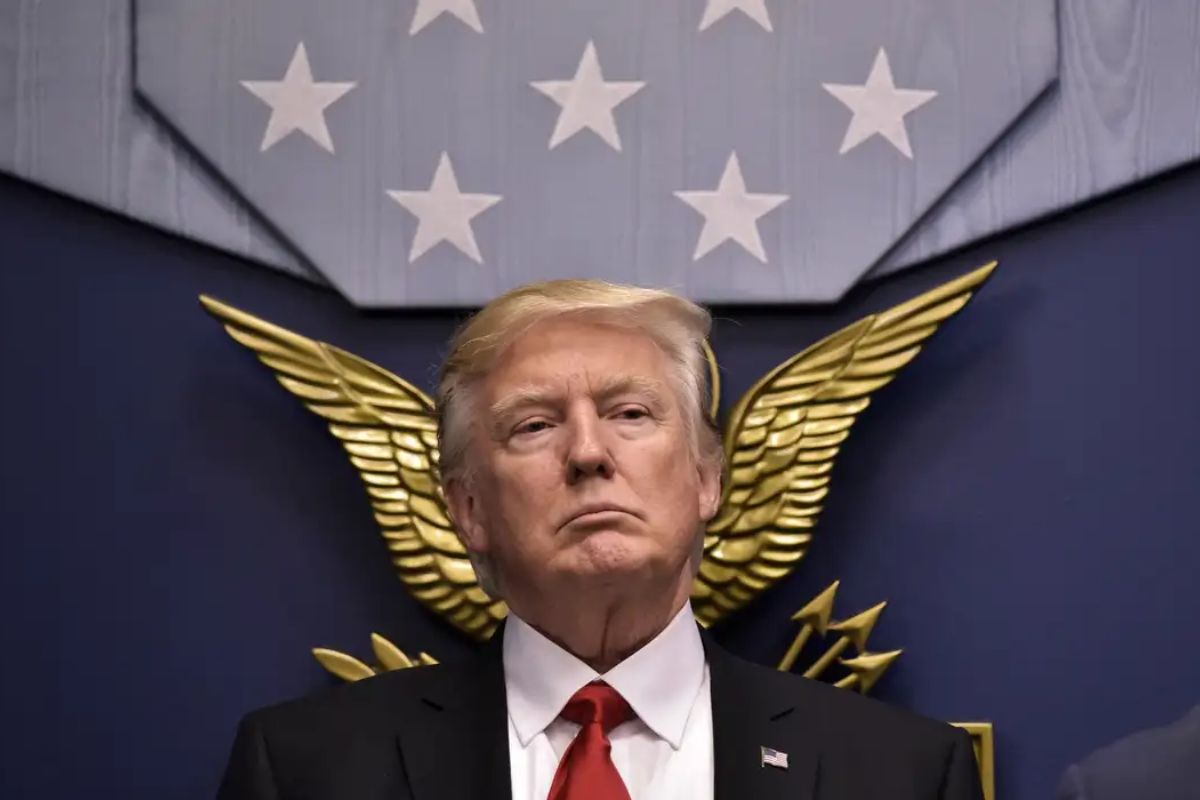
Is Trump Going to Change the Dollar Rules? Understand the Behind-the-Scenes of the Economic Debate. Discussions About a Possible Redesign of the Monetary System Gain Traction with Donald Trump and Could Alter the Weight of the Dollar in International Trade.
The debate about whether Trump can truly change the dollar rules has returned to the center of the global economic agenda. According to analysis by AUVP Capital, informal meetings at Mar-a-Lago, the former president’s residence in the United States, have fueled speculation about a possible international monetary “reset.”
For experts, the central focus would be to reduce the strength of the dollar against other currencies, which could make American products more competitive and alleviate the burden of public debt. However, like any change at this level, the geopolitical risks and impacts could be profound.
What Changing the Dollar Rules Means
The idea that Trump may change the dollar rules is linked to a movement for economic repositioning. Today, the dollar is the world’s primary reserve currency, supporting trade negotiations, international reserves, and the U.S. debt itself.
-
Oil surged to $115 a barrel due to the war in the Middle East, and diesel in Brazil has already risen to R$ 7.45 per liter, while the United States…

-
Brazilian city bets on the business environment to generate jobs and attract investments in the energy sector — secretary reveals strategy at Macaé Energy 2026.

-
50 viaducts, 4 tunnels, 28 bridges, and 40 kilometers of bike paths: BR-262 in Espírito Santo will receive 8.6 billion reais for the largest engineering project in the state’s history, inspired by the Immigrant Highway in São Paulo.

-
Brazil produces too much clean energy and doesn’t know what to do with it: over 20% of solar and wind capacity was wasted in 2025 while investors flee and 509 renewable generation projects were abandoned in the last year.


According to AUVP Capital, the proposed discussion would involve controlled devaluation of the dollar, boosting American exports. Additionally, there are plans to extend public debt terms to up to 100 years, reducing immediate costs with interest.
This would be the largest monetary redesign since Bretton Woods in 1944, when the dollar took on the role of international reference.
What Would Be the Objectives of the Change
Trump’s plan to propose changing the dollar rules would have two main objectives:
- Protect American industry by making its products cheaper compared to global competitors, particularly from China.
- Rebalance the trade balance, which has recorded significant deficits for decades, reflecting the U.S. dependence on imports.
For analysts, this movement would also have a political aspect: to strengthen industrial jobs in the United States and please voters from manufacturing-dependent states.
What Are the Risks of Weakening the Dollar
Experts warn that the decision to change the dollar rules could lead to side effects. If the American currency devalues too much, the U.S. will have to deal with rising domestic inflation, as it imports a large part of consumable goods.
Another critical point is the international reaction. China, Europe, and other creditors could retaliate or reduce investments in American securities, further increasing the cost of U.S. debt, which has already surpassed US$ 37 trillion.
The Impact on Brazil and Emerging Markets
For Brazil, a potential decision by Trump to change the dollar rules would have mixed effects. On one hand, the real could appreciate, making Brazilian exports less competitive. On the other hand, it could open up space for greater commercial diversification with other markets, such as India and Latin America.
Additionally, a structural devaluation of the dollar could affect international reserves and capital flows, requiring greater caution from emerging countries.
The discussion around Trump and the possibility of changing the dollar rules is still marked by speculation, but the debate shows how the U.S. seeks alternatives to tackle historical economic challenges. Whether as a political strategy or a global redesign, the consequences transcend borders and could directly affect Brazil.
And you, do you believe that Trump will really be able to change the dollar rules or could this strategy bring more risks than benefits? Leave your opinion in the comments — we want to hear from those who closely follow the impacts of the international economy.







-

-

3 pessoas reagiram a isso.