





 Portuguese
  English
  Spanish
  2 min of reading
  0 comments


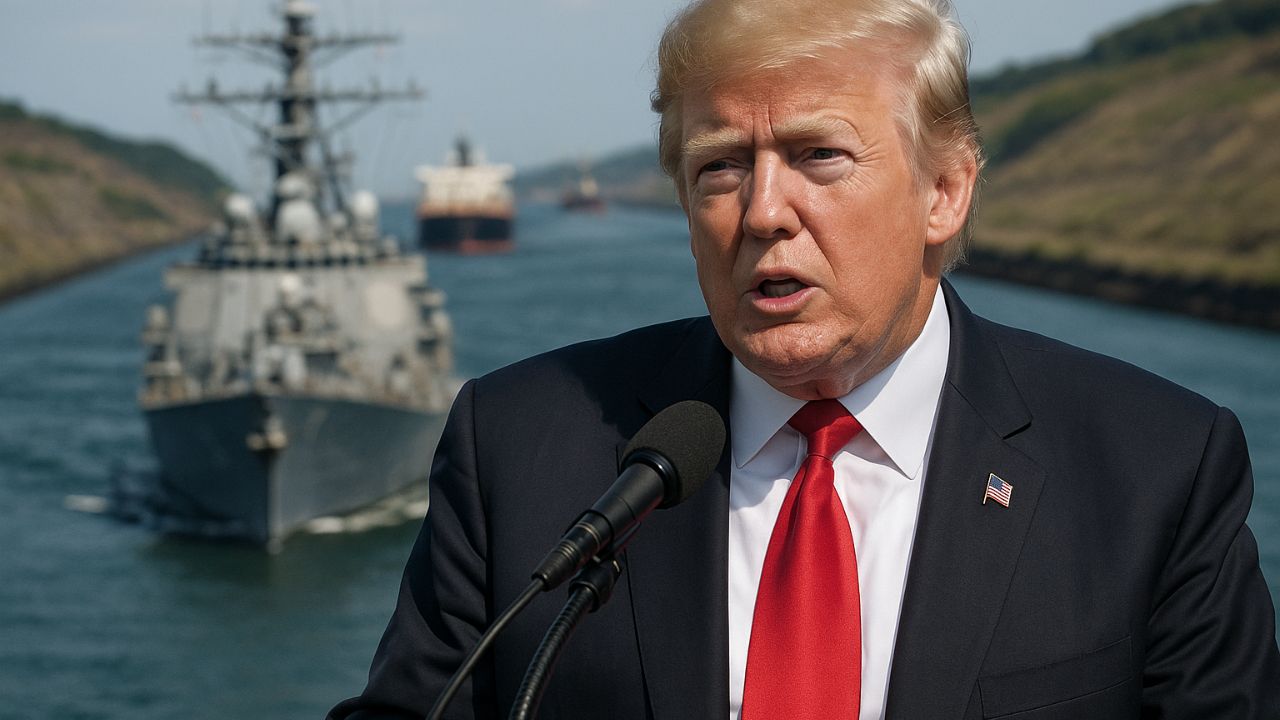
Former American President Says Strategic Routes Only Exist Because of the U.S. and Demands Free Passage for National Vessels
Former President Donald Trump argued that American ships, both military and commercial, should be completely exempt from fees when passing through the Panama and Suez Canals. According to him, these routes would not exist without the historical support of the United States, and therefore the current charges are unfair.
Trump Advocates for Fee Exemption for American Ships
During a recent rally, Donald Trump stated that ships from the United States should not have to pay to use the Panama Canal or the Suez Canal. He claimed that these passages were made possible thanks to the historical actions of the U.S. and, therefore, American vessels deserve free passage. According to CNN Brazil, the former president instructed his Secretary of State, Marco Rubio, to formally register the claim.
Trump also criticized the fees being charged by the countries that control these routes, especially Panama, labeling them as “exorbitant.” This is not the first time he has challenged the management of the Panama Canal; in December 2024, he suggested that the U.S. should retake control of the waterway if a new, more favorable agreement was not reached.
-
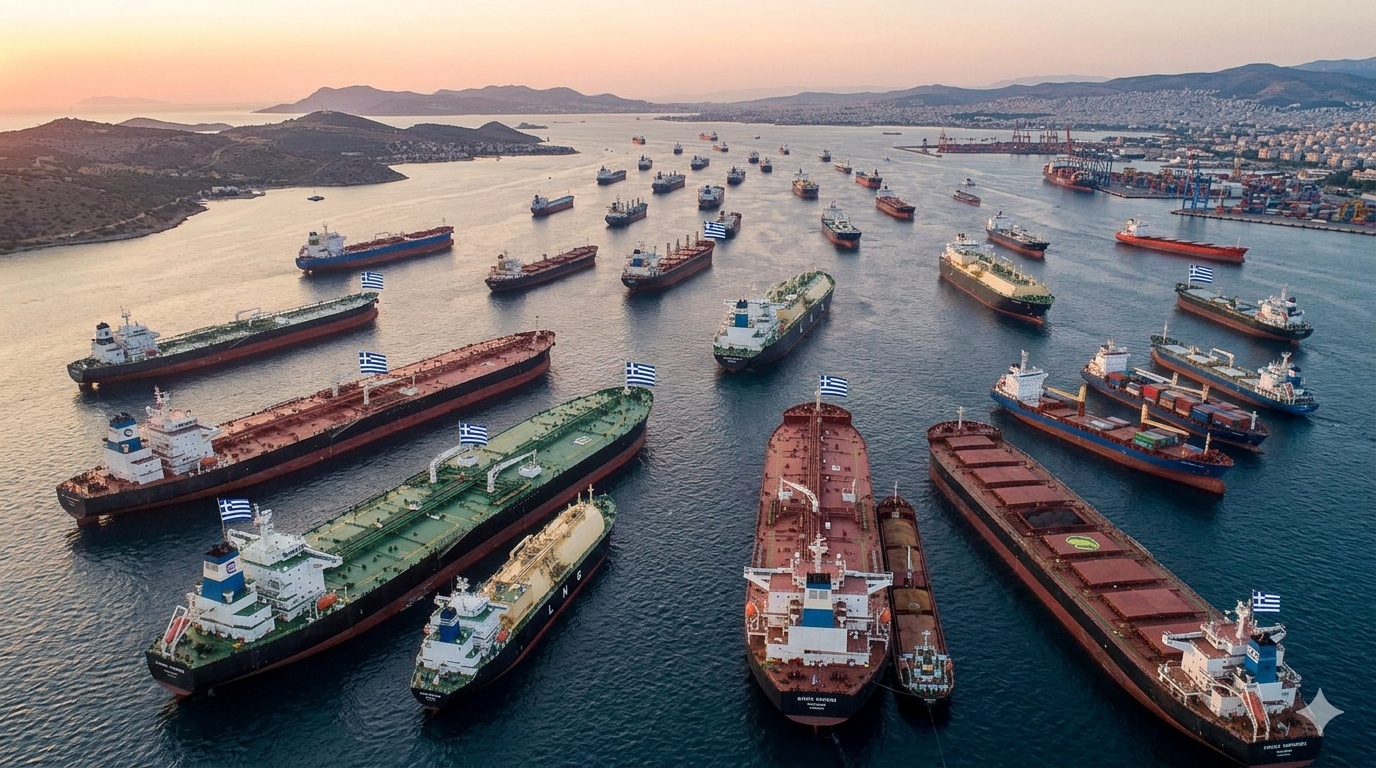
Neither the USA nor China: a small European nation has become one of the largest maritime powers on the planet, controlling one of the largest merchant fleets in the world with thousands of ships and dominating the global transportation of oil and strategic cargo.
-
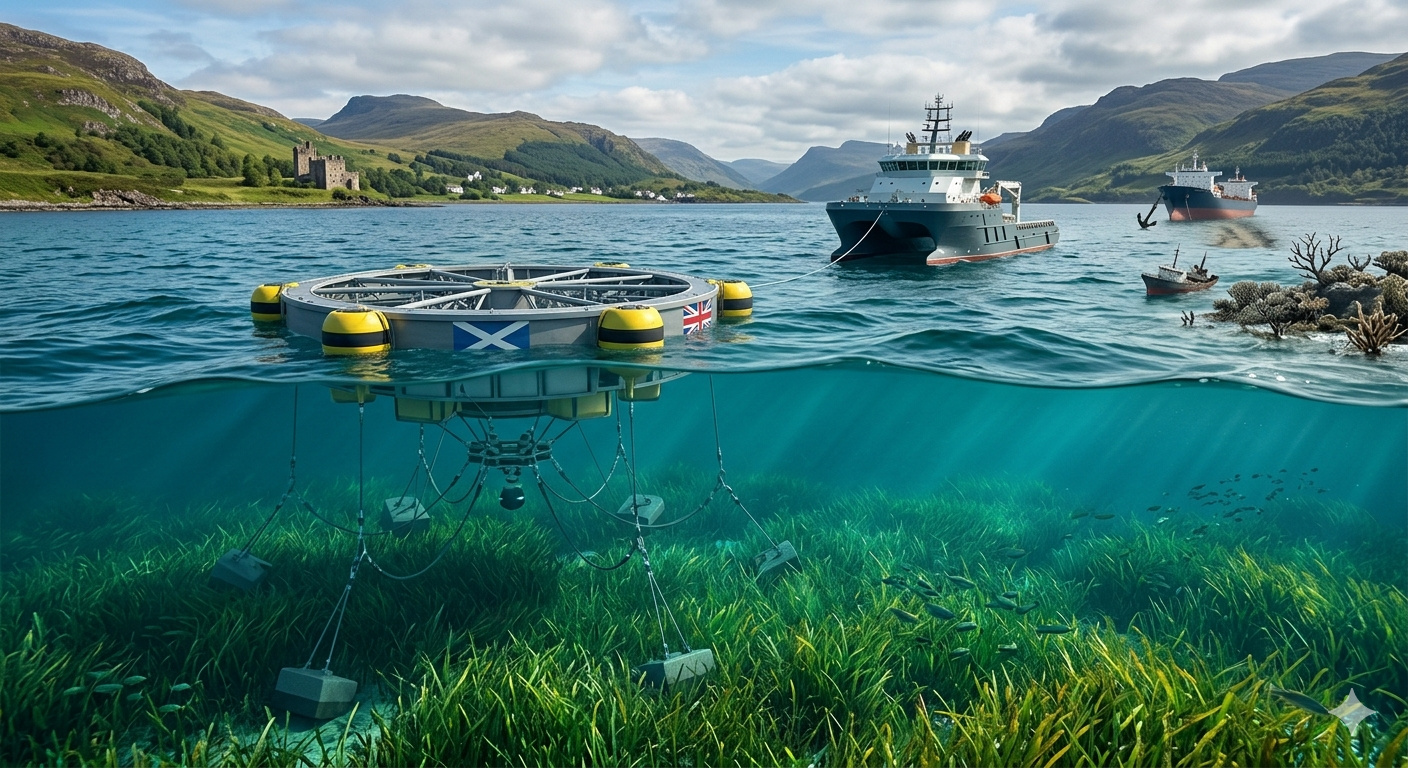
Scotland and the United Kingdom have created a new anchoring system that floats in the water without touching the seabed, after discovering that the current from a conventional anchor destroys up to 50 m² of seagrass meadow per event and that ship-damaged reefs showed no signs of recovery even ten years later.
-
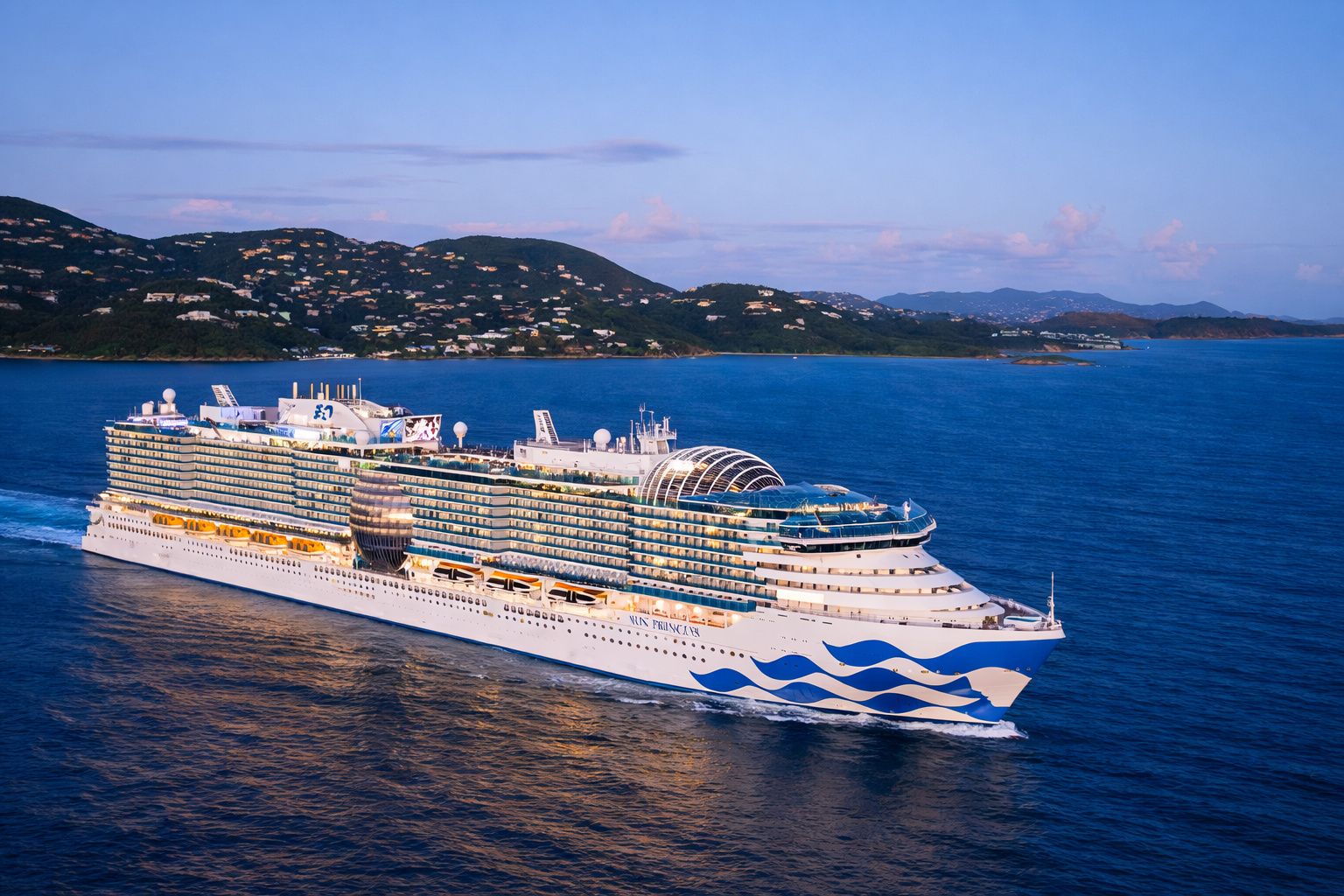
Weighing 175,500 Tons, Measuring 345 Meters Long, and With Capacity for Over 4,300 Passengers, the Sun Princess Becomes the Largest Ship Ever Built by Princess Cruises and Attracts Global Attention for Its Huge Glass Dome Inspired by Santorini’s Architecture Installed on Top of the Vessel
-
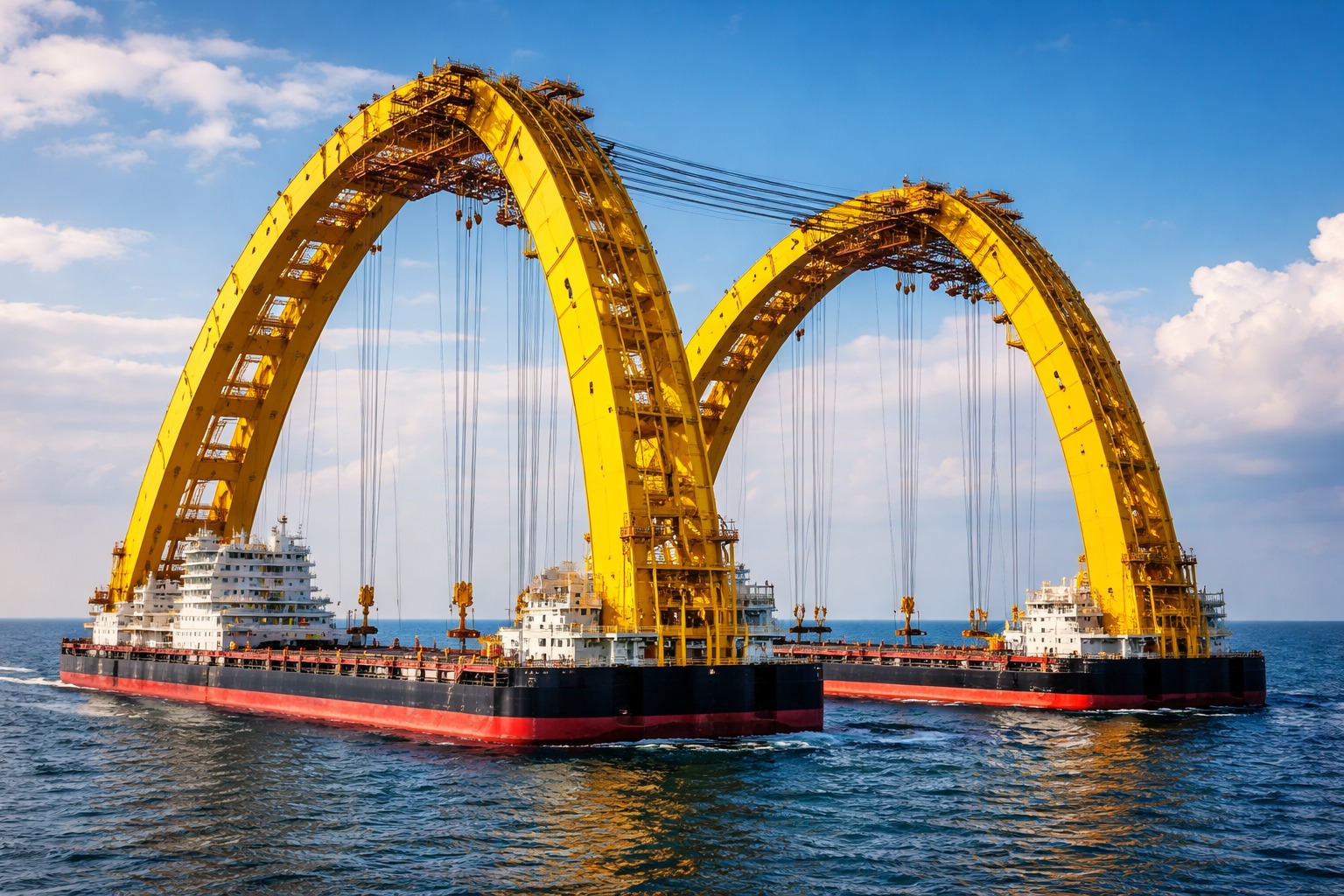
TX-10, The Colossus of The Sea: Largest Lifter Ship in The U.S., With Two Giant Barges, 73-Meter Tall Structure, and Strength to Raise 7,500 Tons of Sunken Oil Rigs

History of the Panama Canal Rekindles Sovereignty Debate
The Panama Canal was built by the United States and inaugurated in 1914, remaining under American control until 1999, following a transition established by a treaty with the Panamanian government in 1977. Since then, the canal has been operated autonomously by Panama, based on neutrality principles recognized by international treaties.
Trump’s remarks have reignited diplomatic tensions between the countries. Panamanian politicians publicly reacted, defending sovereignty over the canal and reminding that the current administration respects multilateral agreements that ensure free and equitable use of the route, as highlighted in a Reuters article.
Strategic Importance of American Ships on These Routes
Both the Panama Canal and the Suez Canal are vital to international maritime trade. Together, they represent essential connection points for U.S. imports and exports, including products such as liquefied natural gas, automobiles, and electronic equipment.
The Panama Canal, for example, accounts for about 2.5% of global trade. Any alteration in the terms of use could directly impact logistics costs and the final prices of products. Trump’s statements are raising concerns among shipowners and analysts, who point to risks to the predictability and stability of shipping operations in these regions.








Seja o primeiro a reagir!