





 Portuguese
  English
  Spanish
  4 min of reading
  0 comments


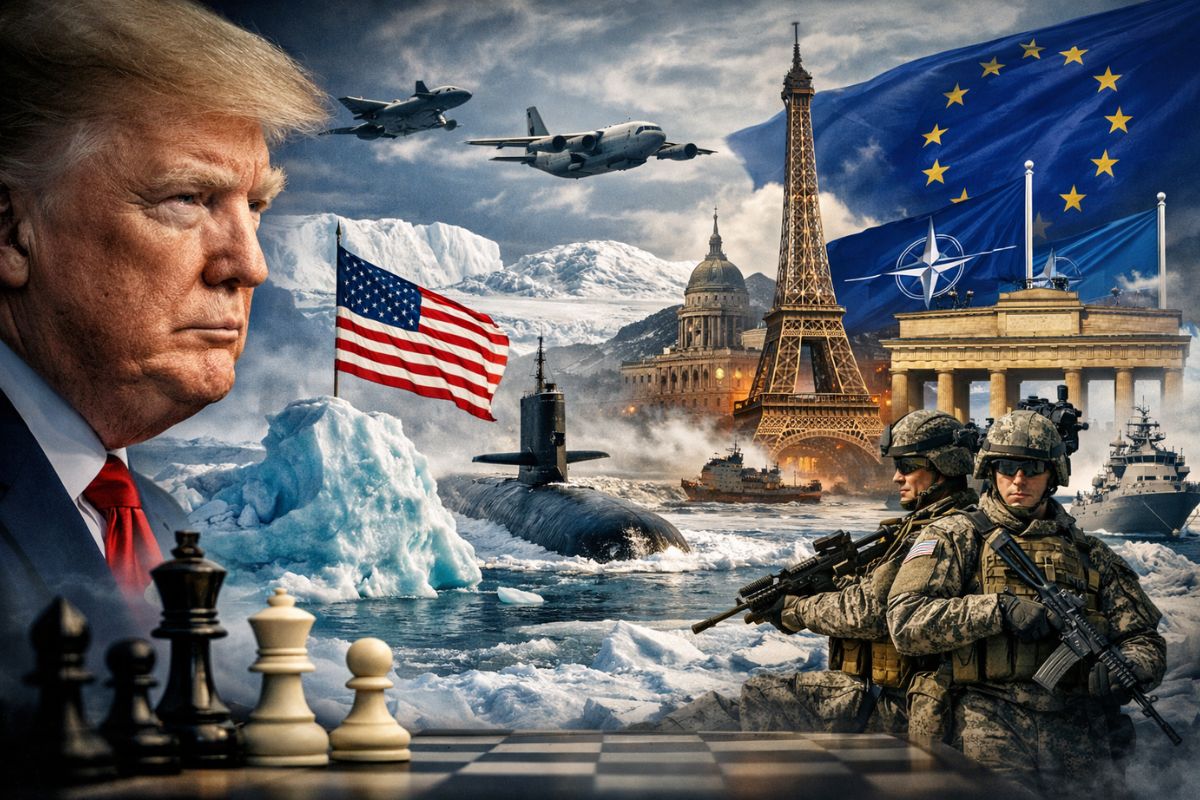
After Signaling Understanding Involving Greenland, Donald Trump Suspends Tariffs Against European Countries, Mentions Structure of Agreement with NATO, Reduces Pressure in the Arctic, and Reopens Discussions on Sovereignty, Military Security, and Geopolitical Influence in a Strategic Region.
The Greenland has returned to the center of international politics after Donald Trump announced the suspension of trade tariffs against European countries, citing an unexpected breakthrough in strategic talks involving the future of the territory in the Arctic. The decision halted an escalation of tensions that had been rising in recent weeks.
The retreat came after a productive meeting with NATO, in which Trump stated that a foundation for a broader agreement regarding Greenland, regional security, and the military interests of the United States and its allies had emerged.
Retreat on Tariffs and Change of Tone
The suspension of tariffs marked a clear inflection in the American stance.
-
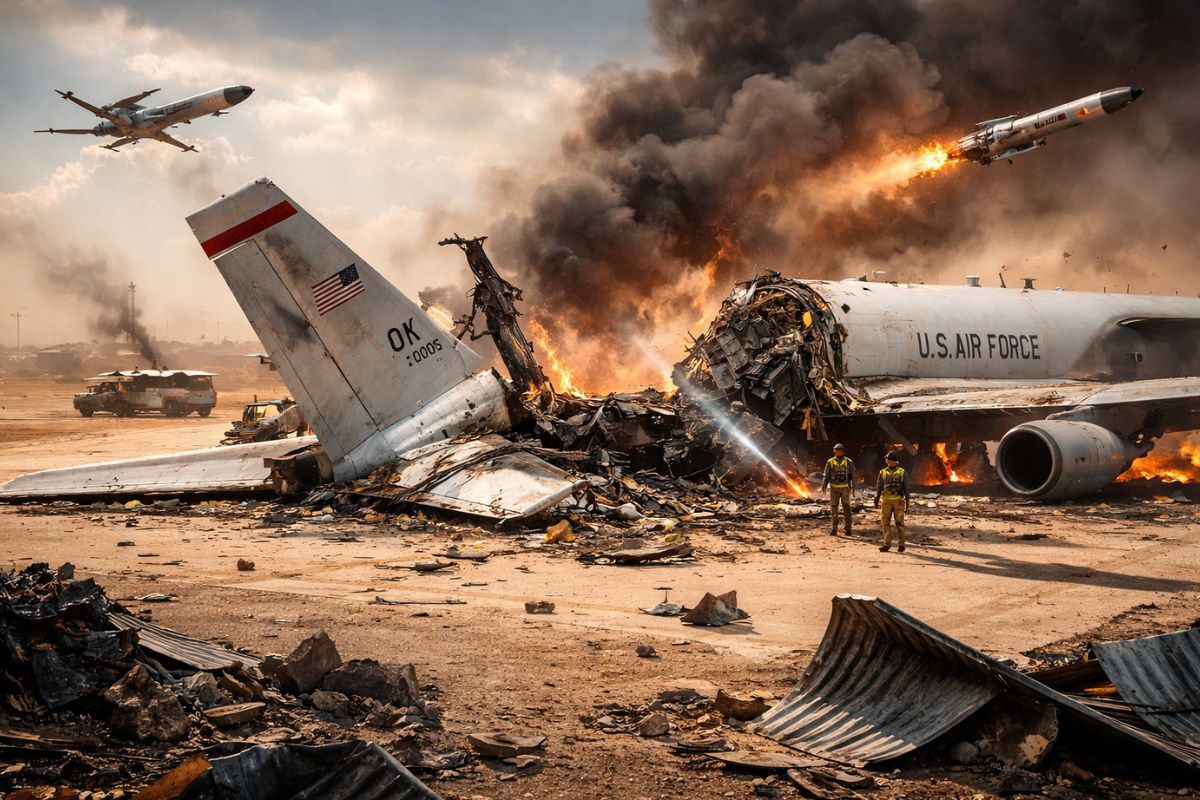
Iranian drones and missiles destroyed a 270 million dollar American spy plane in Saudi Arabia, splitting the E-3 Sentry aircraft in half and injuring 12 military personnel in an attack that exposes the vulnerability of U.S. bases in the Persian Gulf.
-
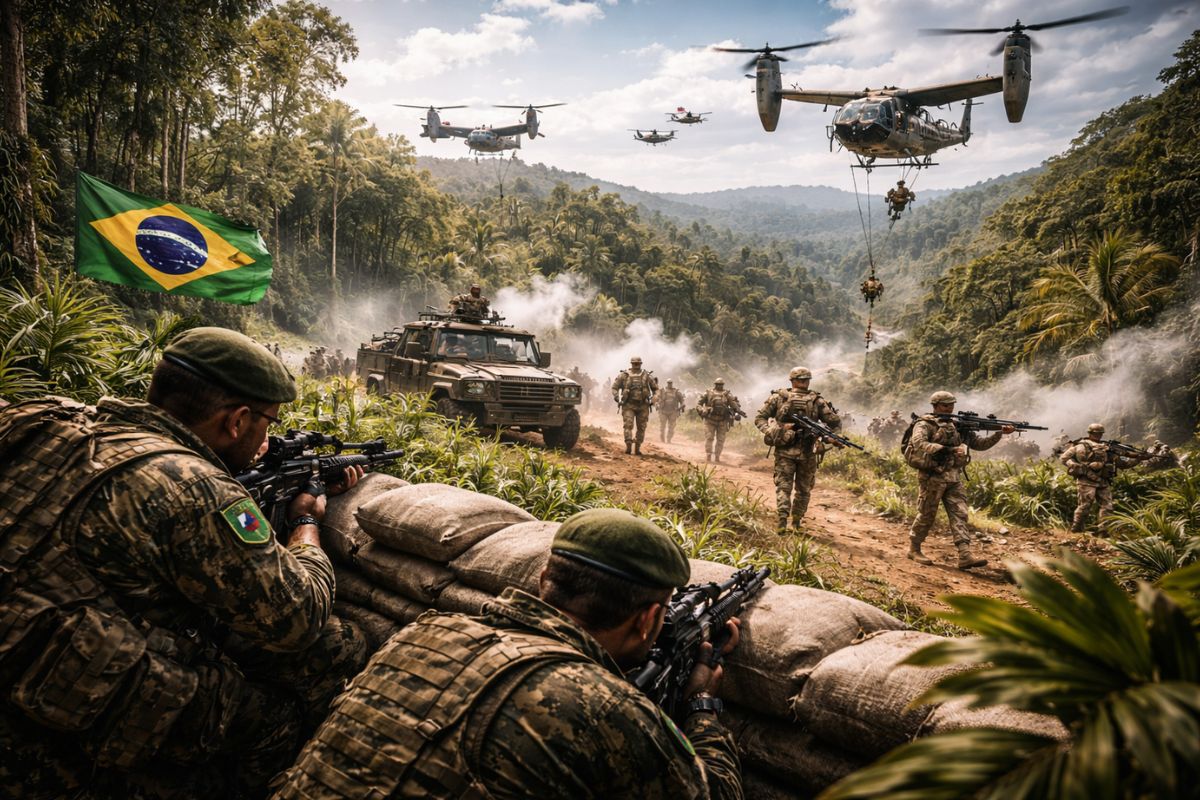
If the USA were to go to war with Brazil, Washington’s greatest fear would not be the attack itself, but facing a vast territory, prolonged resistance, and a costly, chaotic, and unpredictable occupation.
-
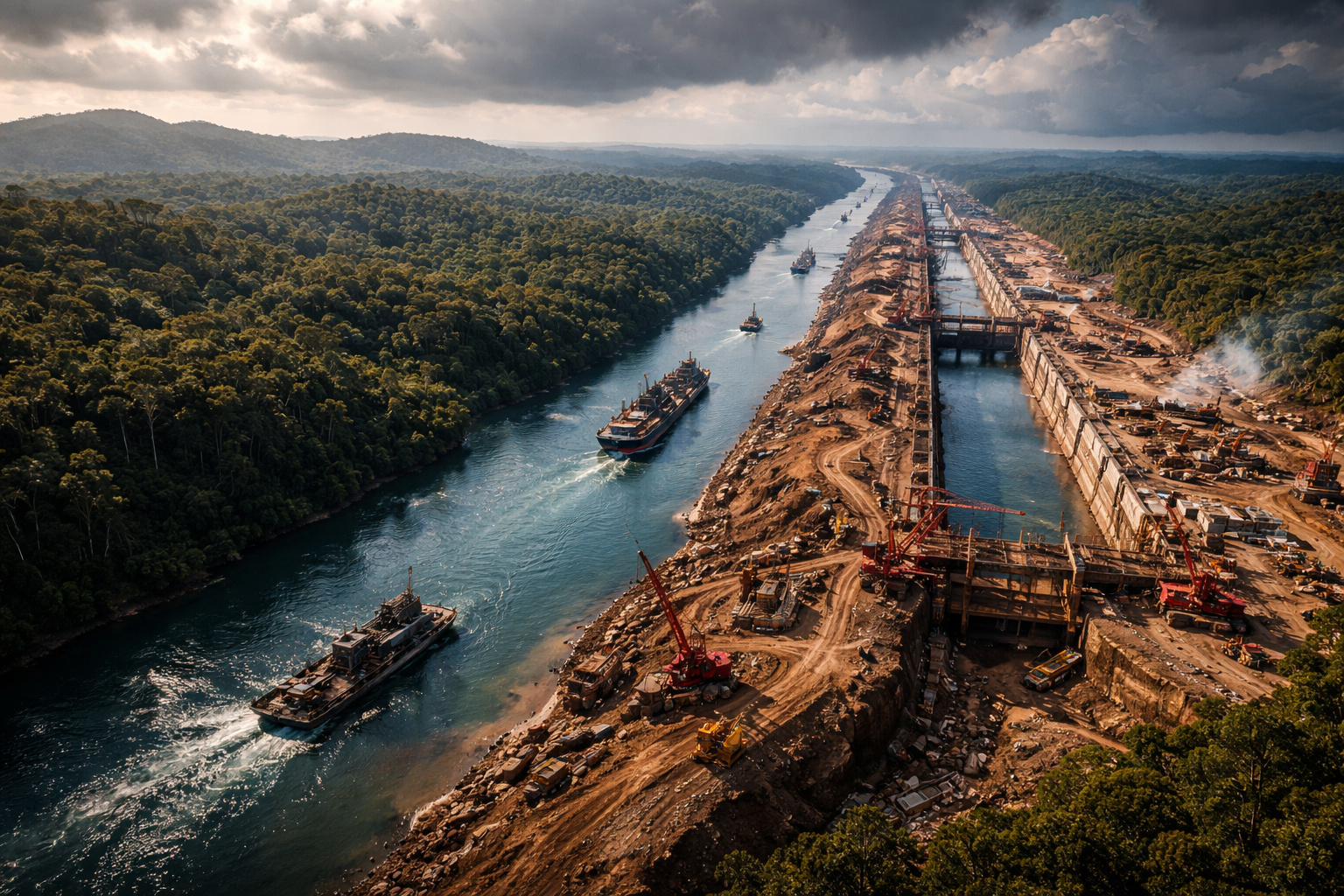
In 2013, Nicaragua sold the concession for a canal to rival Panama to a Chinese billionaire who lost 85% of his fortune, disappeared, and was declared bankrupt. Now the project resurfaces with a new route, a new Chinese partner, and a cost of $64.5 billion.
-
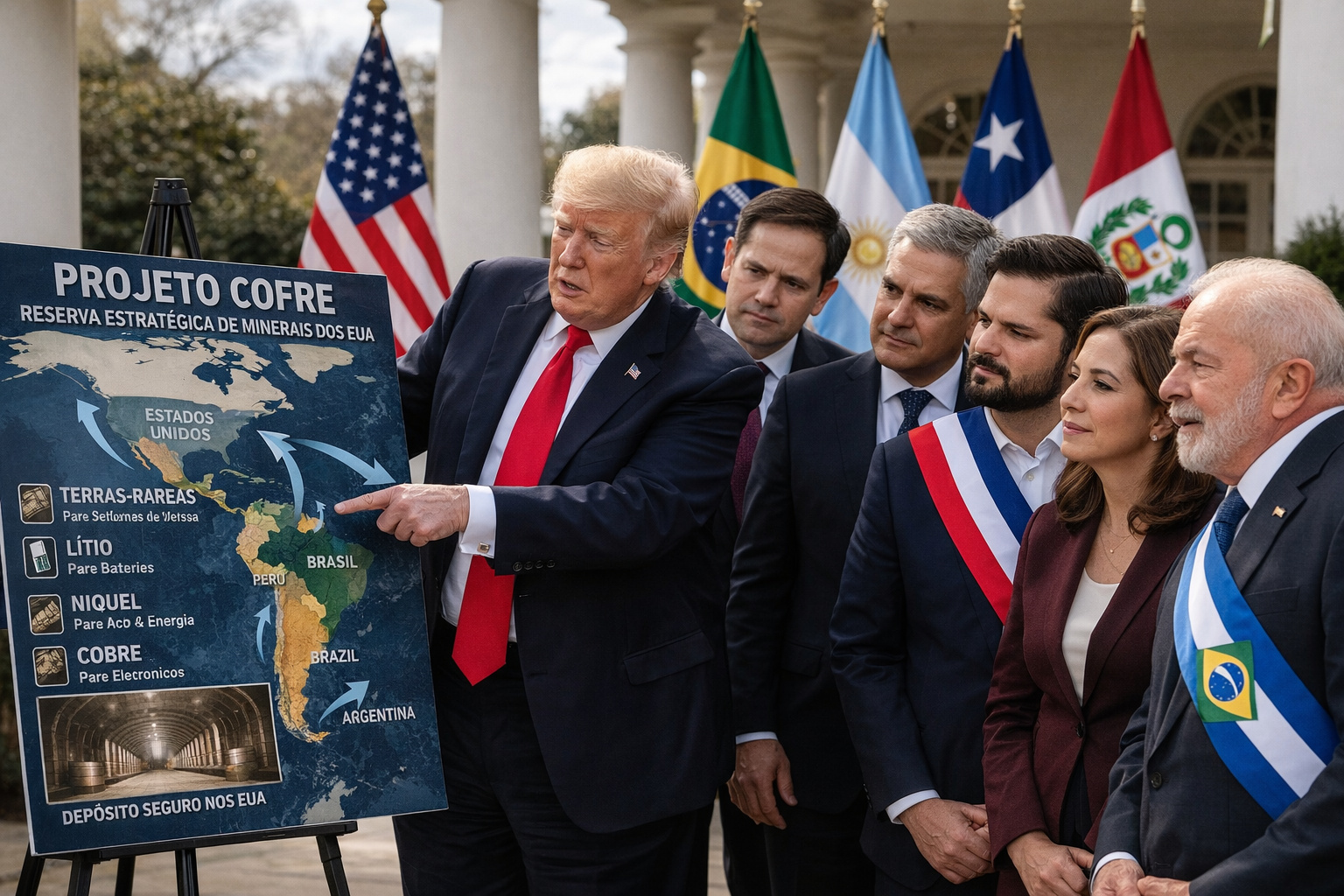
The USA announces a mysterious billion-dollar vault project to store critical minerals, but what intrigues experts is not just the plan itself, but why Latin America, including Brazil, has entered the center of this global dispute against China.
Just a few days prior, Trump had announced additional trade sanctions against European countries opposing the United States’ attempt to acquire Greenland, escalating diplomatic tensions between Washington and capital cities on the continent.
With the new positioning, Trump stated that he would not implement the planned punitive measures, arguing that the understanding reached had opened space for broader negotiations.
Greenland has come to be treated not only as a target of economic pressure but as a central piece of a larger strategic arrangement, involving collective security and military cooperation in the Arctic.
The Meeting with NATO and the Role of Greenland
According to the American president, the progress occurred after a direct conversation with Mark Rutte, from which a “framework for a future agreement” related to Greenland and the Arctic region as a whole emerged.
The statement reinforced the idea that the topic has ceased to be treated as a unilateral initiative and has begun to integrate multilateral discussions.
For Trump, Greenland is vital from a strategic standpoint, especially in missile defense projects and in controlling sensitive routes and areas of the Arctic.
The recurring mention of the so-called Golden Dome, a military system planned for intercepting threats, illustrates how the territory fits into the United States’ security logic.
Political Pressure and Annexation Discourse
Despite the retreat on tariffs, Trump maintained the discourse that Greenland should be under American influence.
He reiterated that the territory is essential for the protection of the United States and downplayed European criticisms, adopting a tough tone against governments that reject any discussion about the transfer of sovereignty.
At the same time, the president declared that he does not intend to use military force to achieve his objectives, attempting to reduce the perception of immediate risk.
Still, his remarks reinforced the discomfort among European allies, particularly Denmark, which is responsible for the Greenland territory, reiterating that there is no negotiation for sale or annexation.
Strategic Importance in the Arctic
Located between the United States and Russia, Greenland occupies a key position in the geopolitical landscape of the Arctic.
The region is seen as fundamental for military monitoring, control of maritime routes, and power projection in a scenario of increasing competition among great powers.
The United States already maintains a military presence on the island, although on a reduced scale in recent years.
The recent escalation of tensions has led European countries to reinforce their attention to the territory, treating Greenland as a sensitive point of collective security in the northernmost part of the planet.
Global Debate Reignited
The episode has reignited a broader debate about sovereignty, influence, and the limits of geopolitical pressure.
For European governments, Greenland symbolizes the need to preserve international agreements and respect the autonomy of strategic territories.
For Washington, it represents an opportunity to strengthen its position in the Arctic against global rivals.
With the retreat on tariffs, Trump temporarily reduced commercial tension, but Greenland remains a focal point for diplomatic and military disputes, indicating that the topic will continue to shape relations between the United States, Europe, and NATO in the coming months.
To what extent can the dispute over Greenland redefine the balance of power in the Arctic and the relationship between the United States and Europe?








Seja o primeiro a reagir!