





 Portuguese
  English
  Spanish
  4 min of reading
  0 comments


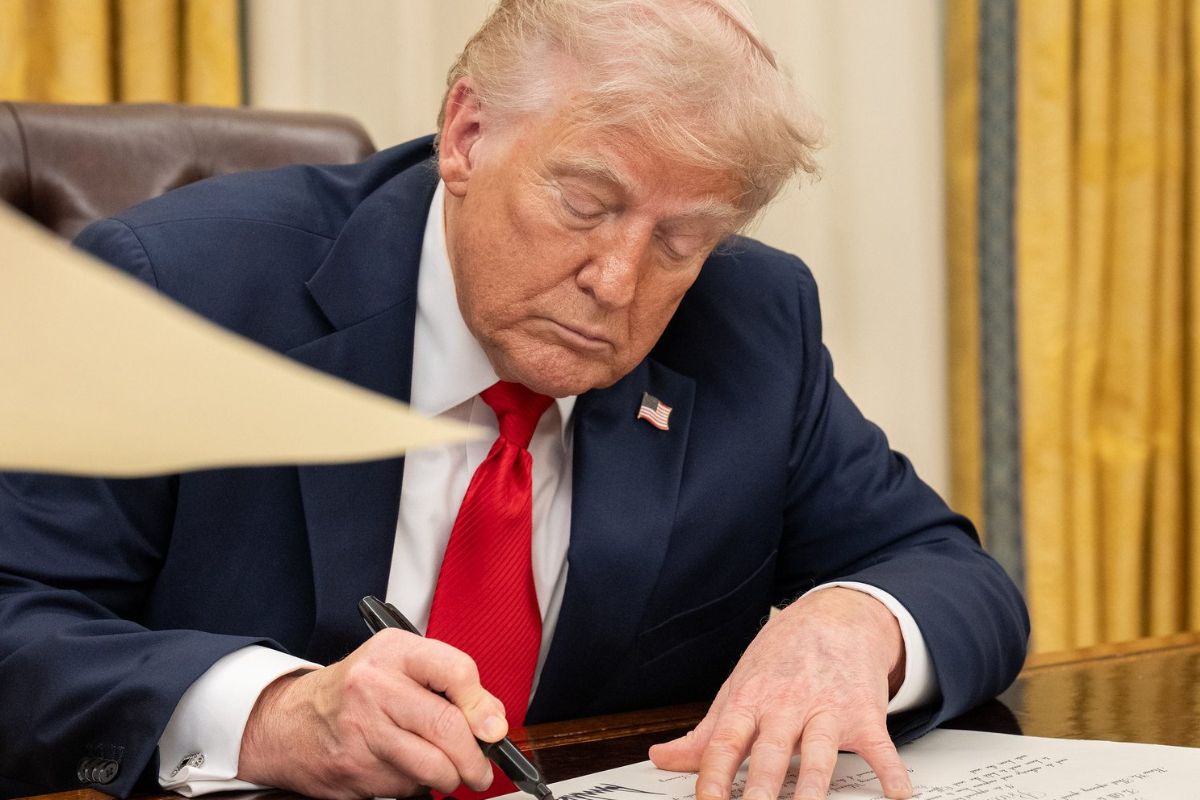
Second Largest Country In The World Feels Pressure From Trump’s Remarks About Annexing Greenland, Invoking National Security And Increasing Control In The Arctic; Canada Responds With Alerts, Reinforced Defense, Active Diplomacy And Commercial Diversification
The President of the United States, Donald Trump, returned to the spotlight this January by expressing interest in annexing Greenland, a semi-autonomous territory of Denmark. The statement raised the level of concern in the second largest country in the world, Canada, as it involves national security and strategic control in the Arctic.
With close relations and military cooperation agreements with the United States, the second largest country in the world observes the situation with apprehension, as the debate grows around geopolitical risks, diplomatic effects, and potential impacts on the Northern defense architecture.
National Security And The Arctic Argument
Trump cited national security reasons to justify his interest in Greenland and highlighted the island’s strategic position in the Arctic.
-
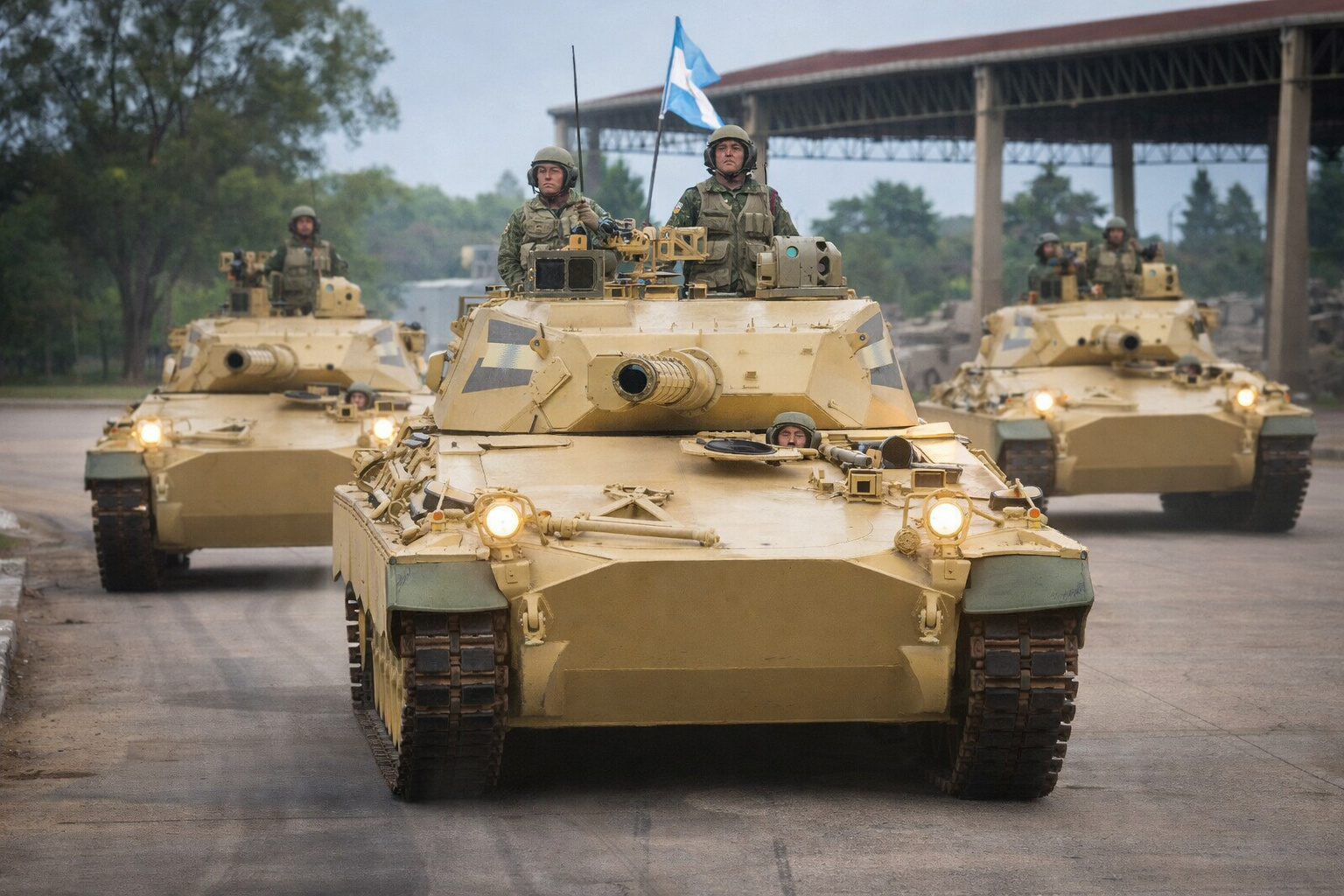
While no other country manufactures tanks in Latin America, Argentina activates the TAM 2C-A2 and raises a curiosity about the technological lag in the region.
-
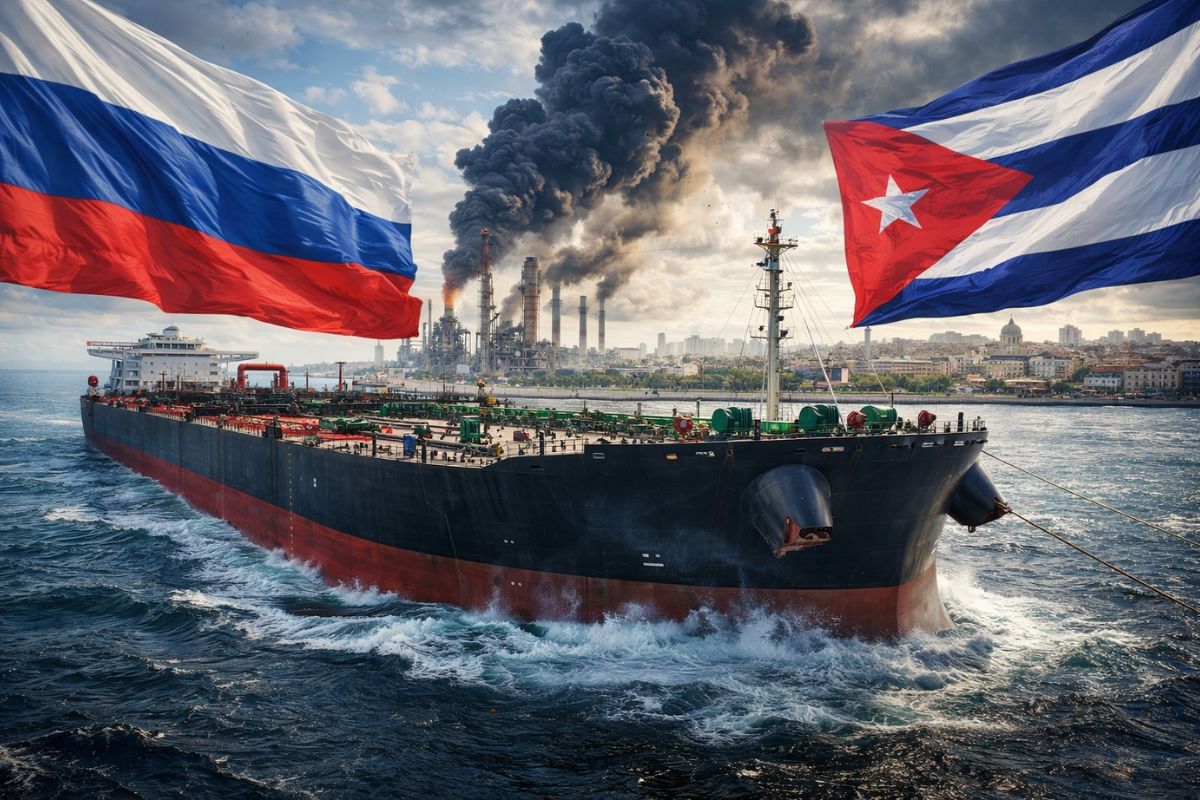
A Russian ship with 730,000 barrels of oil has just arrived in Cuba while Mexico negotiates fuel sales through private companies: the communist island is desperately seeking alternatives after losing its supply from Venezuela due to American military action.
-
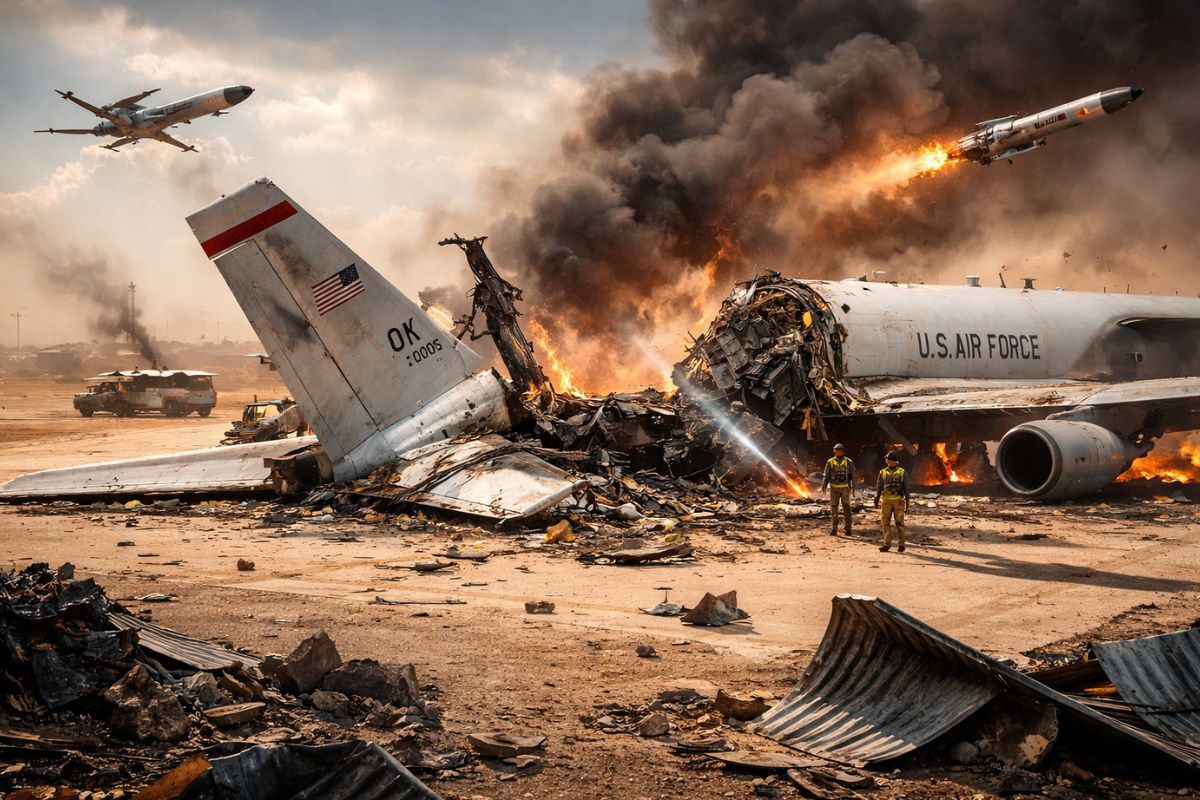
Iranian drones and missiles destroyed a 270 million dollar American spy plane in Saudi Arabia, splitting the E-3 Sentry aircraft in half and injuring 12 military personnel in an attack that exposes the vulnerability of U.S. bases in the Persian Gulf.
-
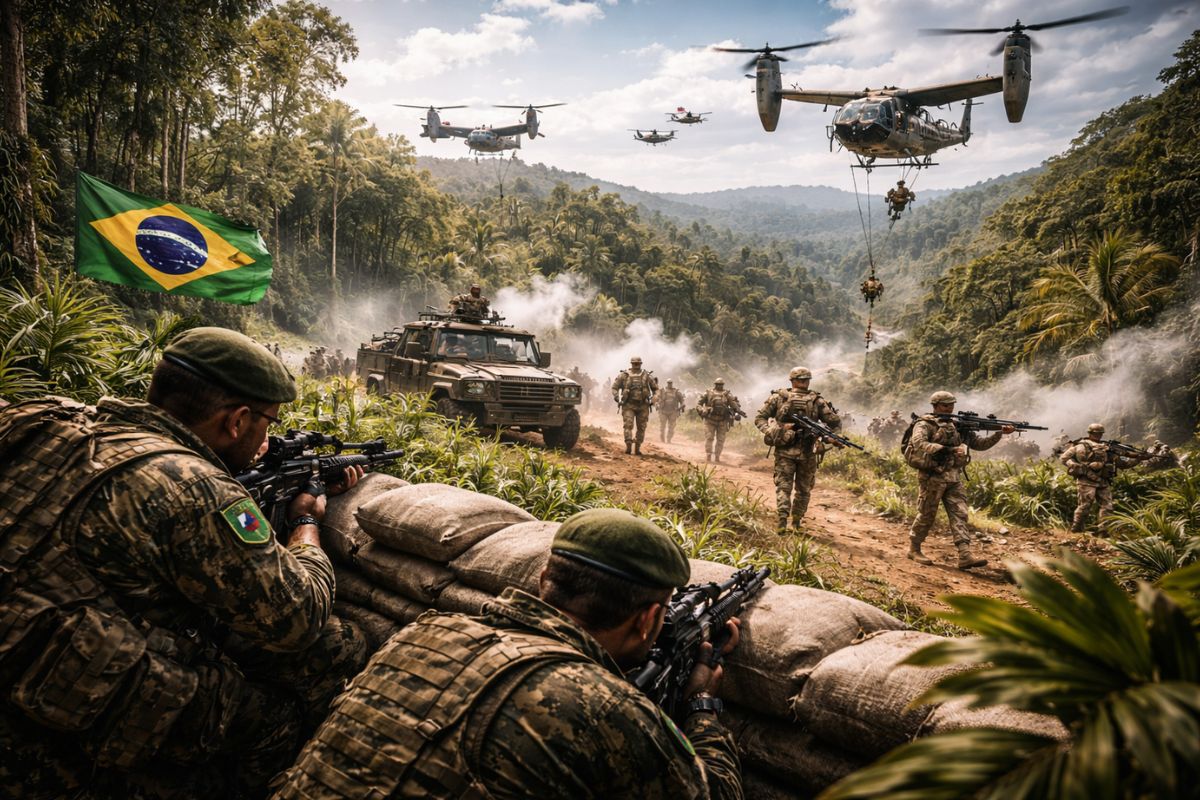
If the USA were to go to war with Brazil, Washington’s greatest fear would not be the attack itself, but facing a vast territory, prolonged resistance, and a costly, chaotic, and unpredictable occupation.

The message was interpreted as a sign of hardening, with direct repercussions for the second largest country in the world, which shares an extensive border with the United States and has a historical integration on defense issues.
The focus on the Arctic adds a sensitive component: it is an area described as crucial for facing threats from Russia and China.
By shifting the discussion to this axis, the episode pressures the second largest country in the world to recalibrate speeches, priorities, and vigilance posture in its area of interest.
Reaction In Canada And Reinforcement Of Defense Measures
Canadian Prime Minister Mark Carney intensified defense measures while simultaneously seeking to diversify trade partners, with an emphasis on approaching China.
The movement occurs amid military alerts and diplomatic reactions which effectively place the second largest country in the world in a cautious position before the most powerful ally.
Canada’s apprehension is fueled by a combination of geographical proximity, existing military cooperation, and the political weight of Trump’s remarks.
For the second largest country in the world, any reconfiguration on the Arctic board tends to reverberate in planning, borders, and public perception of risk.
Historical Tensions And The Bilateral Background
Canada has faced previous tensions with the United States regarding issues related to national security and drug trafficking.
This history is remembered as an amplifier of the current moment, as it suggests that political crises can escalate quickly from dialogue to concrete measures, increasing pressure on the second largest country in the world.
When an American president uses annexation language and links the issue to national security, institutional noise grows.
The second largest country in the world, being directly connected to this environment, tends to react with pragmatism but also with heightened vigilance.
Greenland, NATO And The Sovereignty Response
Denmark and NATO members stated that any attempt at annexation is unacceptable and asserted that the sovereignty of the region belongs to its inhabitants.
The reaction adds a diplomatic containment factor but does not eliminate the immediate political impact on the second largest country in the world, which sees the competition for influence in the Arctic gaining new heat.
From Greenland, Prime Minister Jens Frederik Nielsen classified the idea of annexation as a “fantasy.”
The statement reinforces the clash between political intent and formal limits, while the second largest country in the world watches how European allies and collective defense structures position themselves in light of the episode.
Brazil On The Radar Of The Debate And Regional Reflections
In Brazil, the situation is closely monitored due to proximity to events in Venezuela.
Analysts note that a more assertive Trump policy may influence other nations, expanding the topic’s reach beyond the Arctic and keeping the second largest country in the world at the center of a discussion that crosses alliances, strategy, and influence.
At the same time, the tense environment reinforces the understanding that decisions and statements from the United States can generate long waves, impacting partners, adversaries, and regions that follow the evolution of the scenario.
What Do You Think Weighs More For The Second Largest Country In The World Now: Reinforcing Defense, Dramatizing Diplomacy Or Accelerating New Trade Partners?





-

Uma pessoa reagiu a isso.