





 Portuguese
  English
  Spanish
  4 min of reading
  0 comments


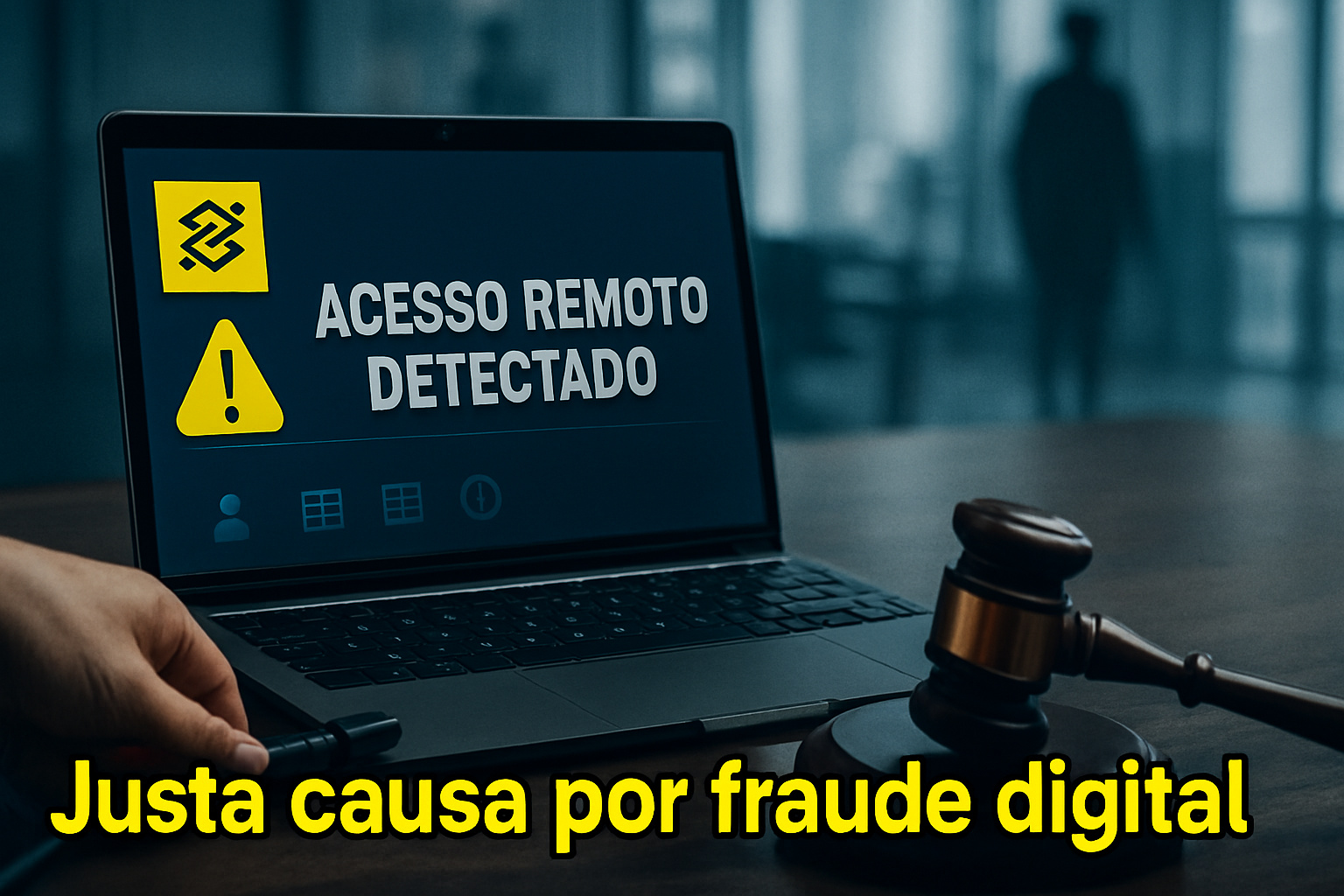
TST Maintains Just Cause for Banco do Brasil Analyst Who Registered Point Via VPN Without Being at Work, Recognizing Digital Fraud, Breach of Trust, and Loss of Compensation.
The Superior Labor Court (TST) upheld the dismissal for just cause of a technology analyst at Banco do Brasil who was accused of falsifying electronic time records through remote access and using a VPN, without being physically at the workplace. The decision was disclosed by the Migalhas portal, which detailed the Court’s understanding of the seriousness of the conduct and the validity of the digital evidence presented by the financial institution.
The case gained national attention for involving sophisticated technological fraud in one of the largest public banks in the country and for consolidating the understanding that digital manipulation of working hours constitutes a very serious act of misconduct under article 482 of the CLT.
Fraud in Electronic Time Records via VPN Led to Dismissal at Banco do Brasil
According to the case documents, the analyst used a VPN (Virtual Private Network) to remotely access internal systems and register time as if he were physically present at the workplace. In practice, the system indicated normal attendance when, in reality, the employee was not at the branch or assigned department. The bank’s internal audit identified irregular access patterns, discrepancies between:
-
Government enacts new law: paternity leave increases from 5 to 20 days with gradual increases until 2029, and Social Security pays the paternity salary; companies no longer bear the absence cost, estimated at R$ 5.4 billion.
-
End of the 1-hour lunch break in the CLT? Current labor law maintains the break, allows for negotiated reductions, and defines rules for working hours and home office in Brazil.

-
Employee Fired After Accumulating 114 Days of Medical Leave in One Year, Labor Court Upholds Company’s Decision

-
Employee Fired While Treating Depression Wins in Court and Vale Is Required to Rehire Him Following Decision Based on the CLT and INSS Benefits


- the worker’s actual location,
- login records in the internal system,
- time stamping,
- and verified physical absence.
Based on this technical data, Banco do Brasil initiated an administrative procedure and applied the dismissal for just cause.
TST Recognizes Act of Misconduct and Total Breach of Trust
Upon analyzing the case, the TST understood that the conduct fits under article 482, item “a”, of the CLT, which addresses acts of misconduct, as well as characterizes misbehavior and breach of contractual trust. For the Court, the electronic time record is not merely a formality. It serves as:
- the basis for salary calculation,
- the assessment of overtime,
- productivity control,
- and a central element of trust between employee and employer.
By recording attendance without working, the analyst simulated a nonexistent reality, causing direct harm to the company.
Digital Evidence Was Decisive for the Conviction
The key differentiator in this case was the weight of the technological evidence. Banco do Brasil presented:
- VPN access records,
- remote authentication logs,
- login times incompatible with physical presence,
- and cross-referencing with internal security controls.
The TST acknowledged that this evidential set is robust, technical, and sufficient to prove the fraud, dismissing any claims of operational error or occasional system failure.
In practice, the decision consolidates an increasingly strong understanding: digital fraud leaves traces and produces objective evidence.
Court Rejects Compensation and Only Maintains Minimum Provisions
The analyst attempted to convert the dismissal for just cause into dismissal without just cause, which would entitle him to:
- severance pay,
- 40% fine on the FGTS,
- unemployment insurance,
- and additional compensations.
The request was entirely rejected. With the maintenance of just cause, only the legally permitted payments for this type of termination were due, such as outstanding salary and accrued vacation, where applicable.
The TST emphasized that there is no right to compensation when the contract termination results from the employee’s fraudulent conduct.
Misuse of Technology at Work Becomes New Focus of the Justice System
The Banco do Brasil case adds to a series of recent decisions involving:
- fraud in time-tracking applications,
- geolocation manipulation,
- use of software to simulate presence,
- remote records without authorization.
The Labor Court has been treating this type of conduct with maximum rigor, especially when there is a clear intention to deceive the system.
Companies that use control through:
- biometrics,
- mobile apps,
- geolocation,
- corporate VPN,
- internal network login,
have begun to invest heavily in audits and digital traceability, precisely because these systems also generate technical evidence against fraud.
Direct Impact on the Labor Market and Modern Contracts
The TST’s decision directly affects:
- workers in home office,
- IT professionals,
- hybrid teams,
- remote monitoring positions,
- companies with 100% digital time tracking.
The message from the Judiciary is clear: working remotely does not mean one can simulate working hours. Good faith remains the cornerstone of the contract.
The case of the Banco do Brasil analyst illustrates that while technology has allowed more flexibility in work, it has also made control much more precise. Where doubt may have existed before, there are now records, logs, digital trails, and technical audits.
Fraud, which previously depended on witnesses, now leaves objective traces—and this completely changes the legal landscape.
And you, dear reader: do you believe that in times of remote work, Justice should be even stricter with digital fraud in time tracking, or should specific situations receive differentiated treatment?










-

-

-

-

-

12 pessoas reagiram a isso.