





 Portuguese
  English
  Spanish
  4 min of reading
  11 comments


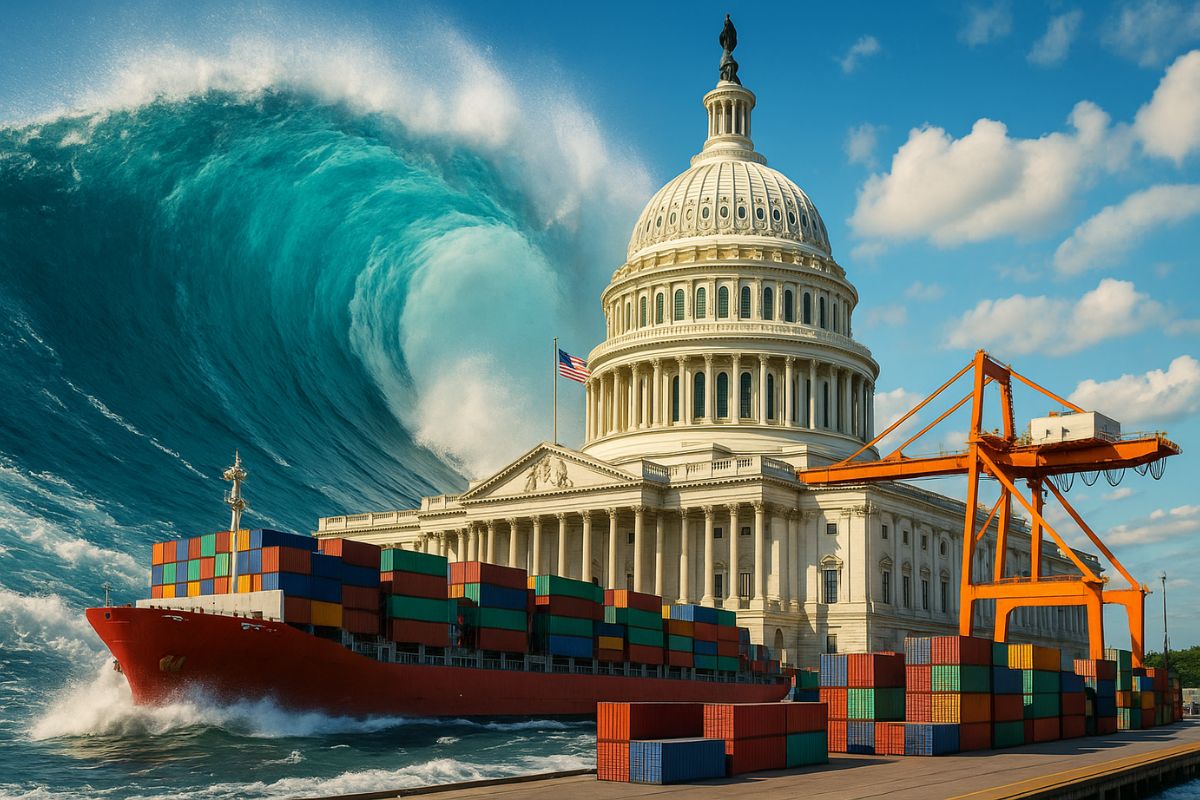


Analyst Points Out That Escalation of Tariffs and Political Instability in the U.S. May Accelerate Breakup of the Global Trade System
The expert Einar Tangen, senior researcher at the Center for Innovation and Governance International and the Taihe Institute, issued a strong warning: an economic tsunami is already underway and is unlikely to be reversed. According to him, Donald Trump’s aggressive foreign policy, marked by the use of tariffs as a political weapon, is pushing countries like Brazil and India toward a stance of resistance and integration in the Brics bloc, increasing trade and geopolitical tensions.
Tangen argues that internal instability in the United States — exacerbated by political crises and scandals — is influencing strategic decisions in trade and diplomacy. The result, he asserts, is a scenario in which trust and predictability, pillars of the global economy, are being eroded, which may trigger a radical reconfiguration of international economic alliances and deepen the economic tsunami looming on the horizon.
U.S. Expands Trade Confrontations and Isolates Strategic Partners
The recent tariffs imposed by Washington against Brazil and India — which increased from 25% to 50% — are, according to Tangen, a sign that the White House is willing to use trade barriers as a tool of political pressure. In the Indian case, the main point of friction involves agriculture, a sector protected by subsidies and considered vital for the country’s internal stability.
-
Brazilian city bets on the business environment to generate jobs and attract investments in the energy sector — secretary reveals strategy at Macaé Energy 2026.

-
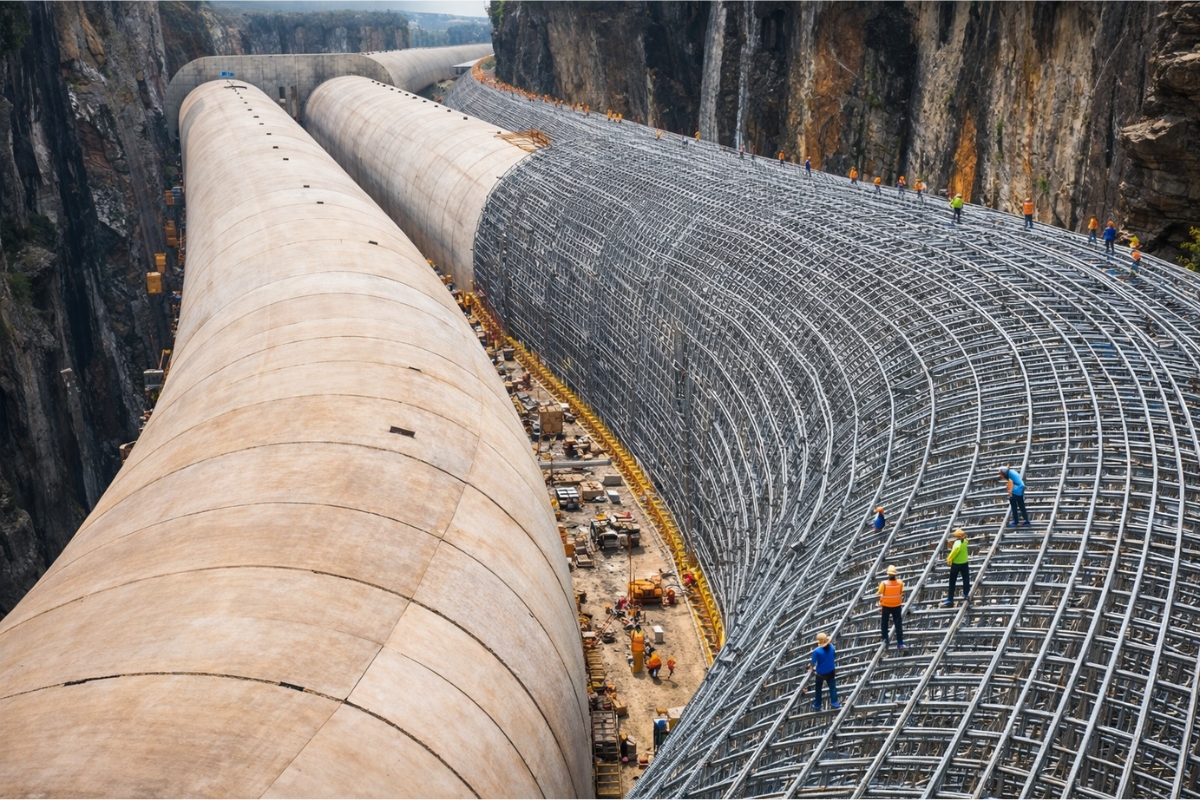
50 viaducts, 4 tunnels, 28 bridges, and 40 kilometers of bike paths: BR-262 in Espírito Santo will receive 8.6 billion reais for the largest engineering project in the state’s history, inspired by the Immigrant Highway in São Paulo.

-
Brazil produces too much clean energy and doesn’t know what to do with it: over 20% of solar and wind capacity was wasted in 2025 while investors flee and 509 renewable generation projects were abandoned in the last year.

-
Piauí will produce a new fuel that replaces diesel without needing to change anything in the truck’s engine and reduces pollutant gas emissions by half: truck drivers from all over the Northeast are already celebrating the news that will arrive later this decade.


The analyst emphasizes that measures of this kind tend to generate the opposite effect than intended. Instead of fragmenting the Brics, Trump may be strengthening the bloc, which today accounts for about 40% of global GDP and concentrates a large part of the population, resources, and industrial production on the planet. If the Brics adopts reciprocal tariffs against the U.S., the impact on the American economy could accelerate the economic tsunami even further.
Geopolitics and Domestic Politics: Agendas That Cross
For Tangen, part of Trump’s decisions in the international arena is being shaped by domestic pressures. Scandals, loss of support in his base, and unstable economic performance increase the risk of external actions intended to shift public opinion focus. “When a political leader starts using foreign policy to resolve internal problems, the risk of irrational decisions increases,” he stated.
The stance of “doubling down” in the face of criticism and deadlocks, taught by his mentor Roy Cohn, is, according to Tangen, Trump’s trademark. But in the realm of geopolitics, this tactic can have unpredictable consequences, fueling the economic tsunami that threatens to intensify.
The Real Threat to the Global Economic System
The analyst describes the current moment as similar to the sudden retreat of the tide before a tsunami: a sign that a large-magnitude economic shock is approaching. The simultaneous decline of stocks, bonds, and the dollar, an unusual phenomenon, indicates that investors and governments are on alert.
While the U.S. erects barriers, countries like China are expanding strategic investments, strengthening initiatives such as the New Silk Road and creating commercial alternatives outside the American orbit. This duality — isolation on one side and integration on the other — accelerates the weakening of U.S. economic hegemony and broadens the reach of the economic tsunami.
The Role of Brics in Containing the Crisis
For Tangen, the Brics has the opportunity to act as the “adult in the room”, providing predictability, security, and respect for sovereignty at a time of global instability. A unified stance, he asserts, could not only contain unilateral advances by the U.S. but also foster a more balanced trading system.
He warns, however, that the escalation of tensions could also lead Trump to seek military solutions to regain domestic support, which would represent an even greater geopolitical risk and could transform the economic tsunami into an unprecedented crisis.
Do you believe that the Brics will be able to contain the effects of this economic tsunami or is the crisis already inevitable? How might this affect Brazil in the coming years? Share your opinion in the comments — we want to hear the analysis from those closely following the market and politics.








Isto tudo é reflexo da crise interna que atinge o americano médio e excluído. Estas medidas não vão resolver a vida deste pessoal e eles acabarão se voltando contra o próprio Trump. A questão é quanto tempo vai levar para a maré virar. Por enquanto ainda não virou. Mas vai virar. Quando ?
Ao meu ver o (Dona Tampa) está tentando levar o máximo de recursos possíveis para os EUA para assim em breve começar uma guerra armada com algum país de preferência a Venezuela para assim se manter no poder e começar sua ****…
Eu acredito que a maior exposição da fragilidade dos EUA foi no 11 de setembro, motivo que fundamenta a política rígida de Donald trump em relação a imigrantes e acordos