





 Portuguese
  English
  Spanish
  3 min of reading
  0 comments


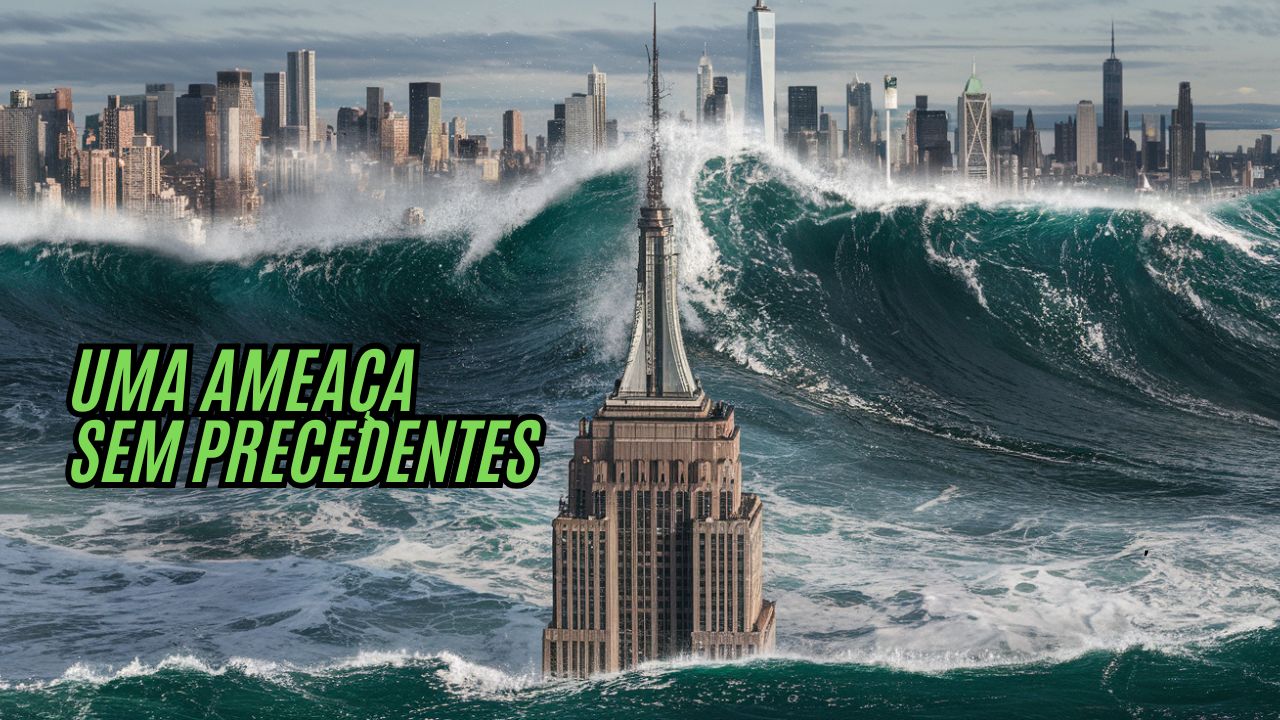
The Navies of China, Russia, and North Korea Lead the Development of Nuclear Drones Capable of Causing Devastating “Radioactive Tsunamis”.
In the past two years, the United States Navy has faced one of the biggest strategic challenges in its history: a threat called radioactive tsunami. This new form of underwater warfare, led by Russia, China, and North Korea, brings unmanned vehicles capable of carrying nuclear payloads and altering the maritime battlefield like never before.
Underwater Threat to the Navy: What’s at Stake
At the center of this tension is the military alliance known as Joint Sword, which brings together naval powers like China, Russia, North Korea, and Iran. These nations have excelled in developing unmanned underwater vehicles (UUVs), a technology that, in theory, can trigger radioactive tsunamis, underwater nuclear explosions that use the ocean itself as a weapon.
North Korea, for instance, has unveiled the Haeil-5-23 system, a 16-meter underwater drone capable of traveling up to a thousand kilometers carrying nuclear warheads. Meanwhile, Russia is advancing with Poseidon, a nuclear torpedo with unprecedented autonomy, designed to traverse oceans, evade detection systems, and cause mass destruction in coastal areas.
-
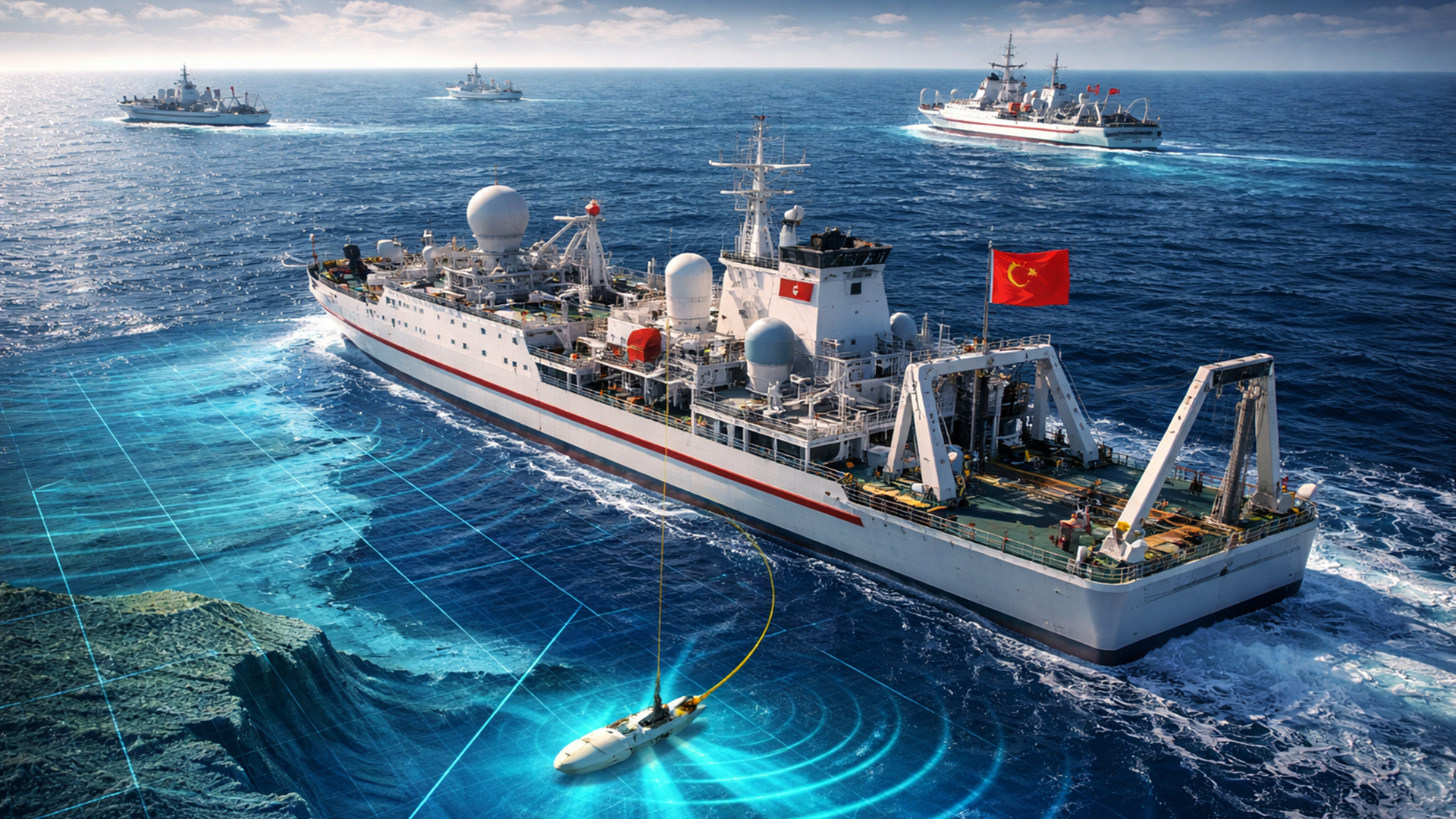
Dozens of Chinese research ships are discreetly mapping the ocean floor in three oceans – and naval analysts see a military pattern.
-
The winter of 2026 in Brazil will not be what you expect: meteorologists warn that the season will be warm and rainy at the same time due to the advance of El Niño, which is already warming the Pacific and changing the climate of the entire country.

-
For the first time, humanoid robots will compete in a full half-marathon without any human assistance in Beijing, with over 100 teams from China registering machines that need to complete the course with autonomous navigation on two legs.

-
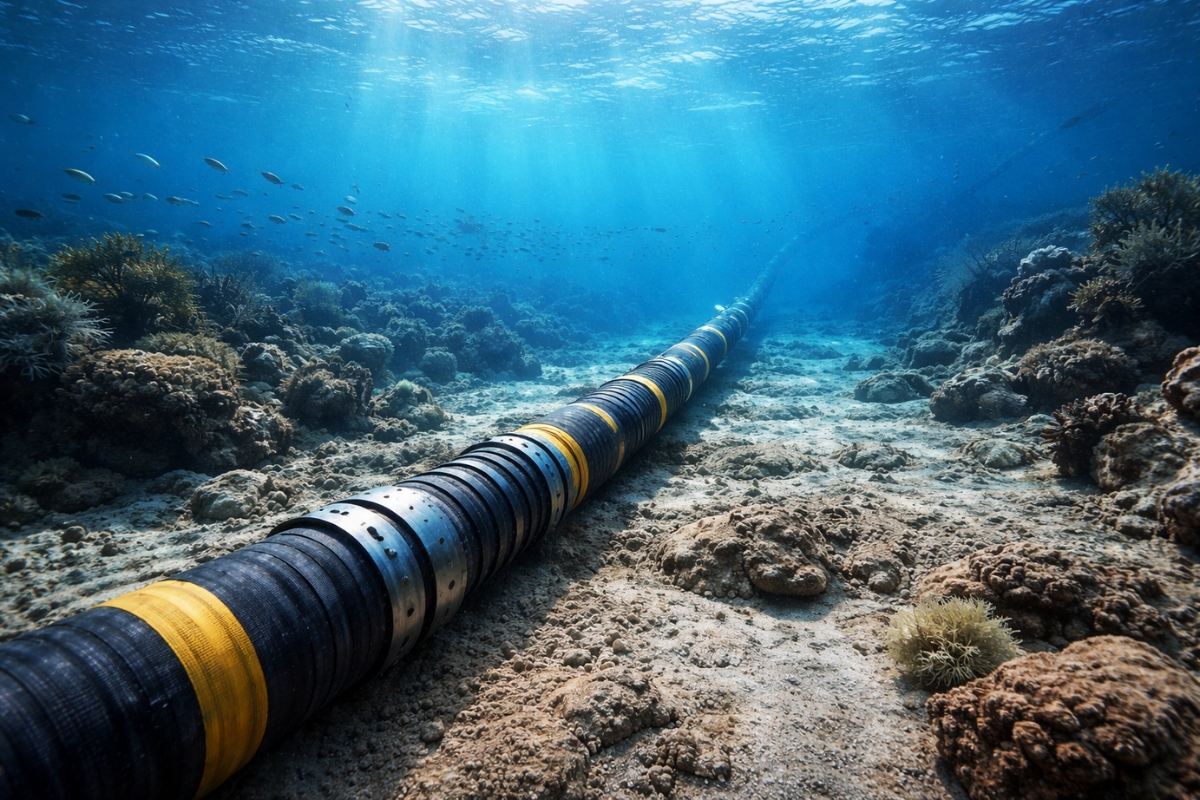
Submarine cables installed to transmit the internet now also help scientists detect earthquakes.

Technologies That Redefine Conflicts
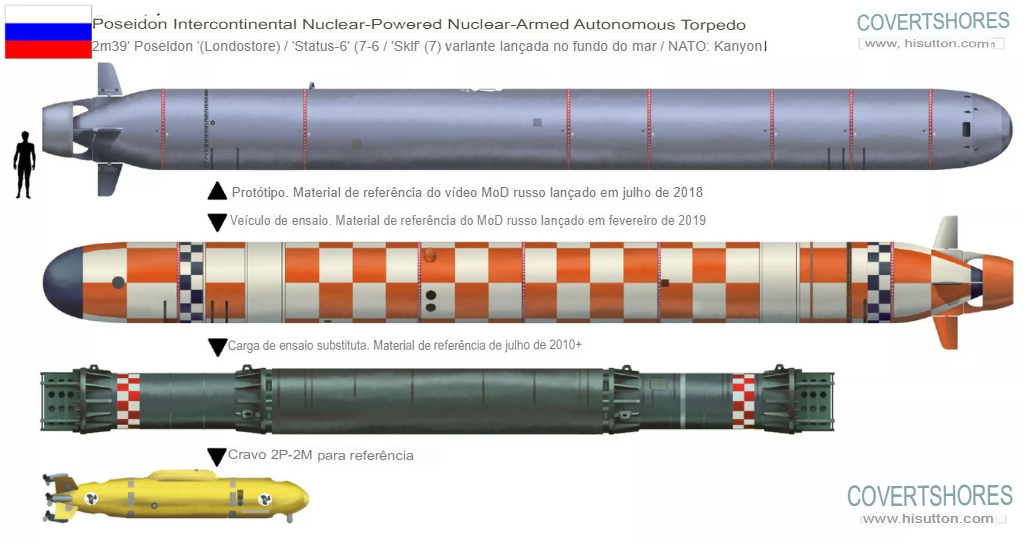
The Russian Poseidon, revealed in 2015, stands out for its devastating capability: powered by a compact nuclear reactor, it can reach speeds of 115 mph and operate at depths of up to a thousand meters. Its destructive potential includes nuclear payloads of up to 100 megatons, enough to surpass the historic Tsar Bomba and create gigantic waves that would hit entire cities, becoming a problem not just for the navy. On the other hand, the North Korean Haeil, while still in testing phase, promises to infiltrate enemy waters, offering an alternative approach to conventional maritime warfare.
These devices transform the concept of naval warfare, rendering traditional defense systems obsolete. Instead of facing submarines or ships, military forces must deal with invisible autonomous weapons that are nearly impossible to intercept.
Geopolitics and Consequences
The threat of these radioactive tsunamis goes beyond military impact. The explosions can devastate global trade routes, affect crucial underwater cables for the internet, and trigger long-term environmental damage. Furthermore, the use of these technologies raises ethical and legal questions, potentially violating international agreements such as the ENMOD Convention, which prohibits environmental modifications for military purposes.
For the United States Navy, the situation is alarming. While adversarial powers invest in nuclear drones, the U.S. focuses on traditional UUVs aimed at reconnaissance and mine detection. This approach, according to experts, leaves the country vulnerable in the face of new unconventional threats.
The Future of Naval Conflicts
The race for underwater supremacy sheds light on a new chapter in modern warfare. The ability to cause radioactive tsunamis redefines what maritime control means, challenging even the most advanced powers, such as the United States, to rethink their strategy. The risk of human or automatic errors in crises also amplifies the need for global cooperation to regulate these dangerous technologies.
The world stands on the brink of a new era of uncertainties. And in this scenario, the U.S. Navy will need to act quickly to face what could be one of the greatest threats in its recent history.








-

-

2 pessoas reagiram a isso.