





 English
  Francês
  Alemão
  Italiano
  Japonês
  Norueguês
  Portuguese
  Spanish
  5 min of reading
  0 comments


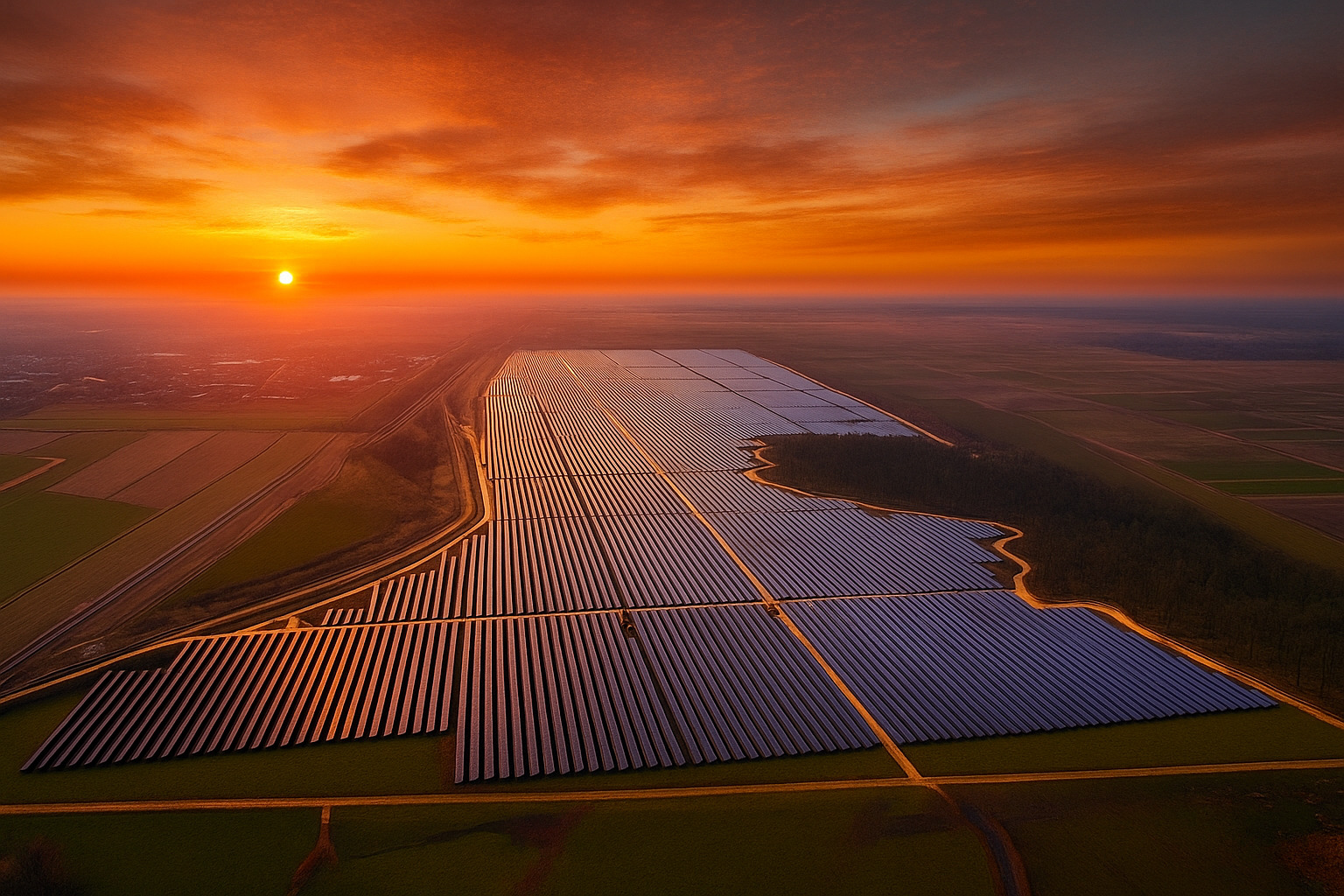
Discover How TTS and Henkel Bring Solar Energy to the First Technological Center in Latin America, Promoting Innovation and Sustainability.
Solar energy has established itself as one of the most promising and sustainable sources in the global electricity generation scenario.
In Brazil, the development of this technology has advanced rapidly in recent years, and therefore, specialized companies play a fundamental role in this process.
Additionally, a recent example is the partnership between TTS Energia and Henkel, which bring solar energy to the first technological center of the multinational in Latin America, located in Jundiaí, São Paulo.
-
Roraima bets on the sun to escape high tariffs: Amid the energy crisis and price hikes, solar energy is growing in Roraima and transforming consumption in the North region.

-
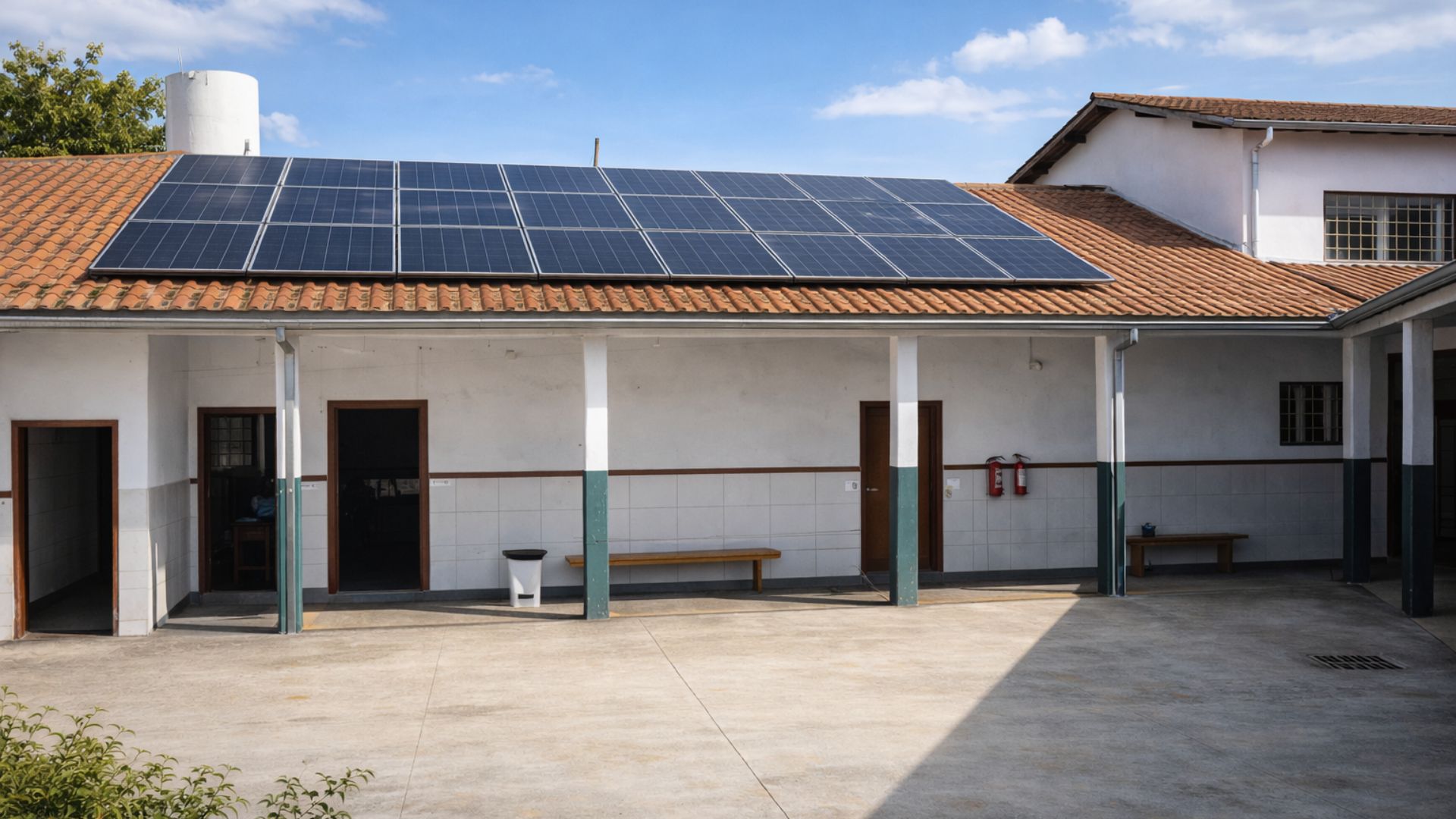
Copel boosts solar energy in Paraná and brings innovation to public schools, promoting savings on electricity bills, energy efficiency, and a direct impact on the quality of education.
-
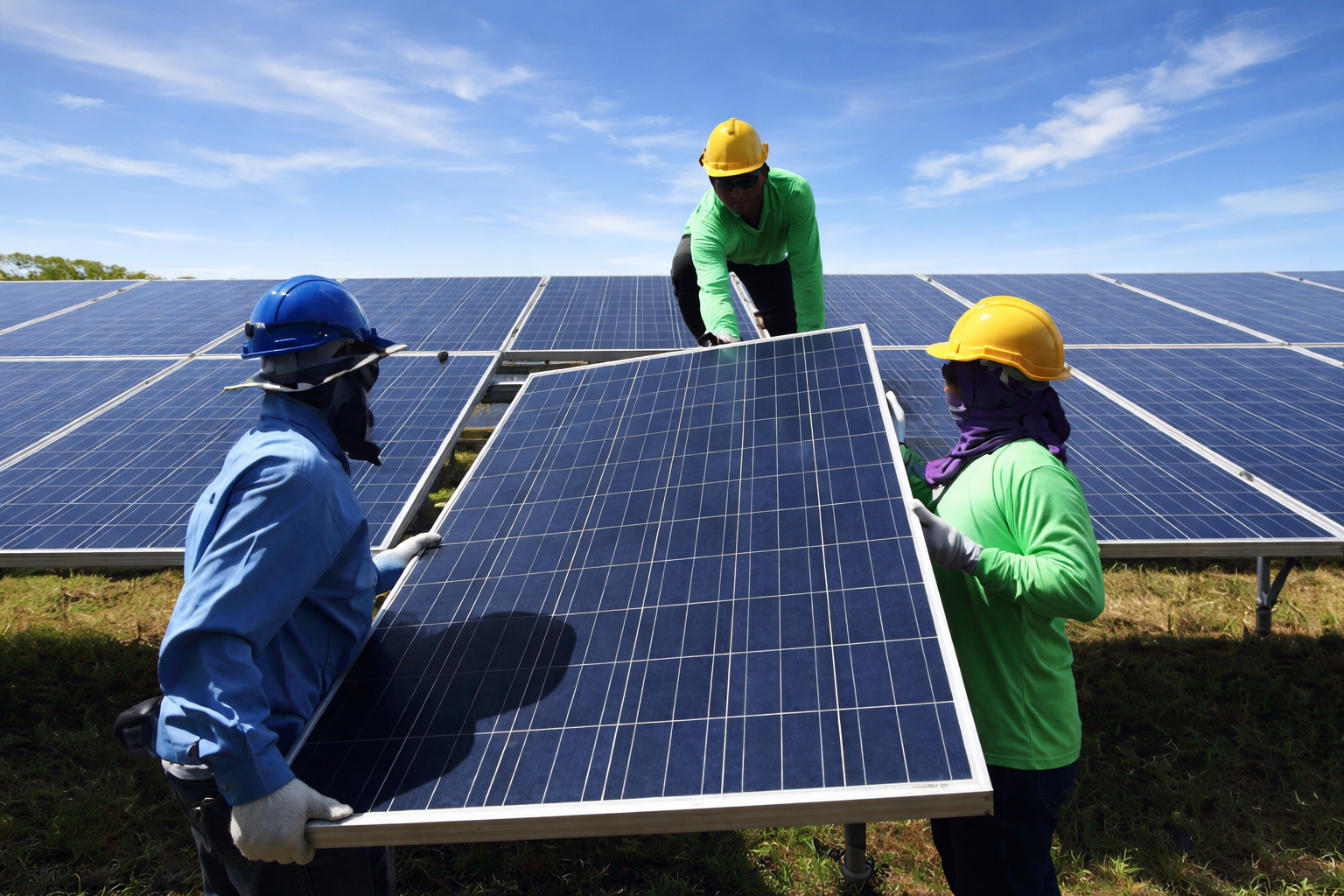
Brazil reaches historic milestone in solar energy: Sector surpasses 2 million accumulated green jobs and generates billions in the national economy even under market pressure.
-
Minas Gerais takes the lead in renewable energy: State surpasses historic mark of 14 GW in solar energy generation in MG and consolidates dominance in the Brazilian electric sector.


Thus, this initiative reinforces the companies’ commitment to sustainability and simultaneously promotes environmentally responsible practices in the industrial sector.
TTS Energia, with extensive experience in engineering and construction of solar plants, will implement the photovoltaic system at the new technological center.
The project includes over 580 photovoltaic modules, organized into two mini-plants, with a total installed capacity of 360 kWp.
Moreover, the investment in solar energy addresses the increasing demand for clean solutions and ensures Henkel LEED Gold certification. Which recognizes sustainable and efficient constructions.
Therefore, the decision reinforces Henkel’s strategy to integrate technological innovation and sustainability into its operations.
Solar Energy as a Sustainable Solution in Brazil
Historically, Brazil has a great potential for generating solar energy due to its privileged geographical position and the high incidence of solar radiation over almost the entire territory.
From the first studies on photovoltaic energy in the 1970s to the more recent projects of large solar plants, the development of this technology reflects the ongoing effort to diversify the Brazilian energy matrix.
In this sense, corporate initiatives like those of Henkel and TTS Energia demonstrate that it is possible to combine technological innovation and environmental responsibility.
Additionally, solar energy in Brazil fosters social development, as by bringing solar energy to technological centers and industries, companies create skilled jobs, encourage research, and promote regional development.
Thus, the popularization of photovoltaic energy helps reduce inequalities in access to electricity, showing that sustainability can also generate social inclusion.
Henkel and the Commitment to Sustainability and ESG
Henkel, a German company founded in 1876 and present in Brazil for 70 years, stands out globally in the production of adhesives, sealants, and surface treatment solutions.
Therefore, the decision to invest in solar energy at the new technological center reinforces its industrial leadership. And highlights the commitment to ESG (environmental, social, and governance) policies, increasingly valued by investors and consumers.
Moreover, the use of clean energy at the technological center transforms the way the company contributes to the mitigation of environmental impacts, while promoting operational efficiency.
The Henkel Inspiration Center Jundiaí, expected to open in the first quarter of 2026, will be a space focused on innovations in adhesive technologies and collaborative development.
In addition to incorporating sustainable solutions, such as the use of engineered wood, the center will produce its own solar energy, demonstrating that it is possible to reconcile technological development and sustainability.
Thus, this approach reinforces the importance of investing in energy systems that meet immediate demands and contribute to long-term environmental preservation.
Additionally, the project of the technological center integrates circular economy strategies, encouraging material reuse and reduction of industrial waste.
By bringing solar energy, Henkel and TTS establish an efficient environmental management model, combining innovation, technology, and social responsibility.
Therefore, these investments strengthen the corporate image of the companies and demonstrate that it is possible to grow economically without compromising natural resources.
Economic and Strategic Benefits of Solar Energy
In addition to environmental benefits, adopting solar energy brings important economic advantages.
Self-generated electricity reduces operational costs and protects companies against the volatility of electricity prices in the market.
Historically, countries that invested in solar energy decreased their dependence on fossil fuels and increased energy security, promoting sustainable development.
In the case of Henkel, the use of solar energy at the technological center also represents a step towards energy self-sufficiency and responsible innovation.
The role of TTS Energia in this project is decisive.
The company combines experience in engineering and construction of solar plants with knowledge of sustainable practices, allowing complex projects to advance efficiently.
Additionally, its expertise ensures that solar generation systems operate safely and sustainably, maximizing environmental and economic benefits.
Thus, by bringing solar energy to Henkel’s technological center, TTS demonstrates that innovation and sustainability go hand in hand, creating replicable models for other companies and sectors.
Solar energy also contributes to long-term energy stability.
By reducing dependence on external and polluting sources, industrial centers like Henkel’s can plan future investments with more security.
Moreover, this transition helps meet global emission reduction targets, increasingly demanded by regulatory bodies and conscious consumers.
Therefore, the initiative generates positive impacts both environmentally and economically.
Impact and Legacy of Solar Energy in the Industrial Sector
Projects like this directly influence awareness about clean energy.
By showing that solar energy generation integrates into industrial and technological environments, companies like Henkel and TTS encourage other organizations to adopt similar practices.
Thus, the development of sustainable technologies depends not only on public policies or government incentives but also on private initiatives that demonstrate tangible results and palpable benefits.
The importance of bringing solar energy to Henkel’s technological center surpasses mere installation of photovoltaic panels.
This movement reinforces the ongoing commitment to reducing carbon emissions, energy efficiency, and environmental responsibility.
Furthermore, each project of this type strengthens Brazil as a leader in renewable energy, creating a lasting legacy for future generations.
On the other hand, Henkel’s example inspires companies from various sectors to grow economically without compromising the environment.
In summary, the partnership between TTS Energia and Henkel represents a milestone in the development of solar energy in Brazil.
By bringing solar energy to Henkel’s first technological center in Latin America, the companies reaffirm their commitment to sustainability, innovation, and social responsibility.
Additionally, with a solid track record, strategic investments, and focus on environmental practices, the project contributes to LEED Gold certification and promotes a culture of clean and conscious energy, essential for the future of the industrial and technological sector.
Thus, projects like the Henkel Inspiration Center Jundiaí show that bringing solar energy to industrial environments unites efficiency, economy, and environmental preservation, solidifying Brazil’s role as a global leader in renewable energies.











Seja o primeiro a reagir!