





 Portuguese
  English
  Spanish
  5 min of reading
  0 comments


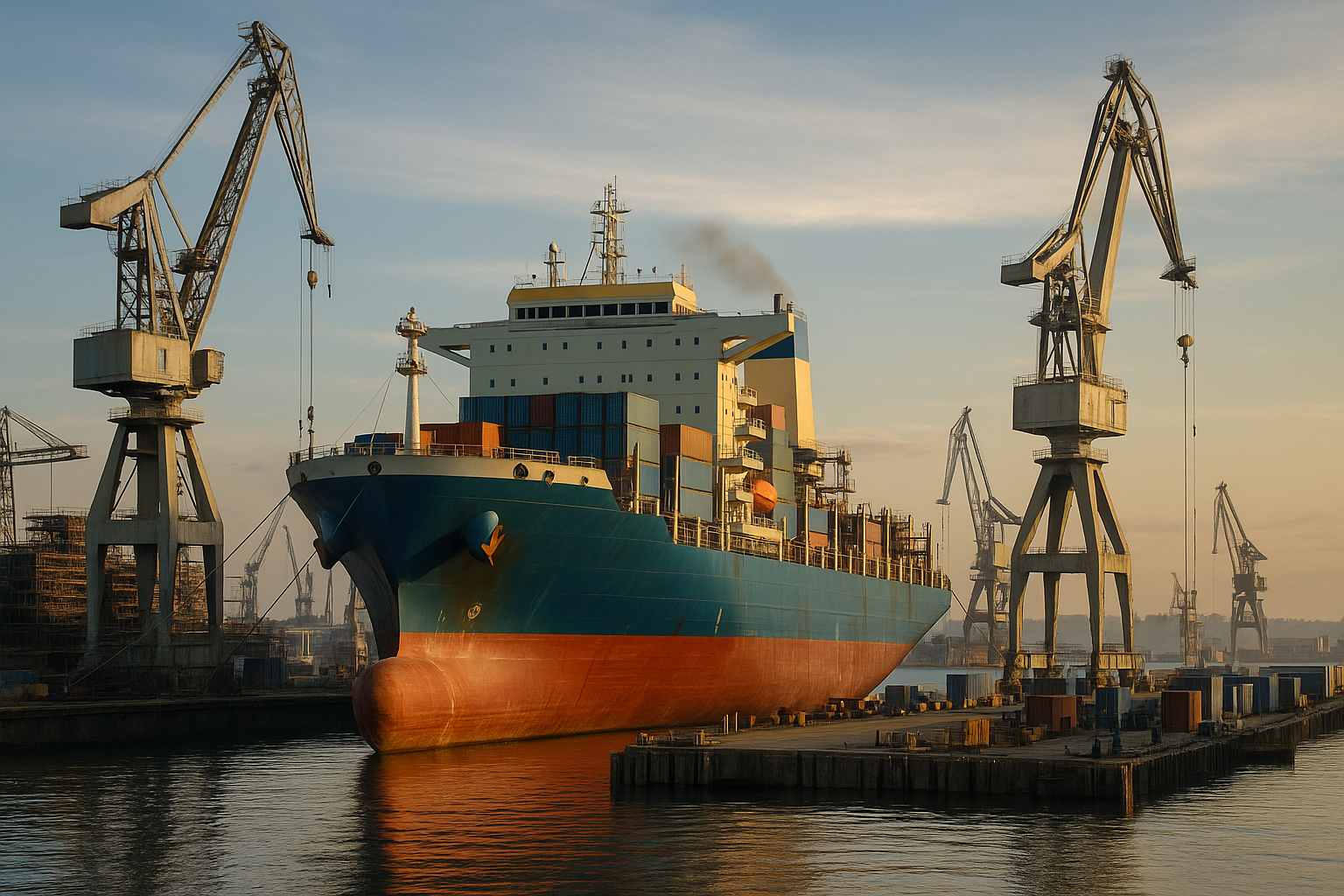
Discover How the Future of the Maritime Industry Will Be Shaped by Innovation, Sustainability, and Technology, Transforming the Maritime Sector Worldwide.
The maritime industry is one of the oldest and most strategic in the world.
From the great Portuguese and Spanish navigations of the 15th and 16th centuries to modern cargo ships and offshore platforms, the sector has always played an essential role in transporting goods, global trade, and national defense.
Therefore, understanding the future of the maritime industry means understanding how innovation, sustainability, and globalization shape this very relevant activity.
-
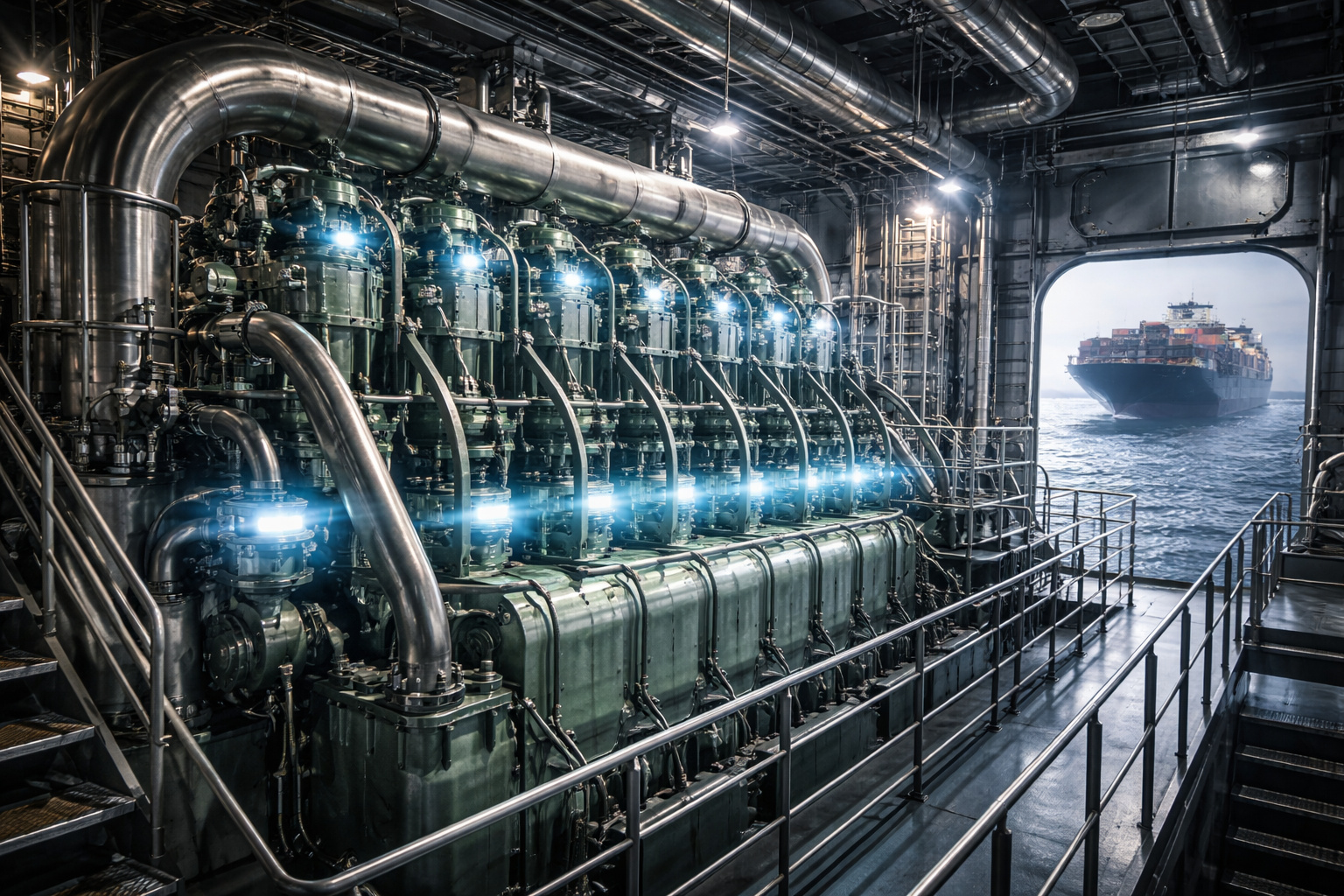
Europe is trying to create an ammonia-powered marine engine without auxiliary fuel, which could unlock the race for giant emission-free ships. The technology aims to eliminate one of the biggest obstacles to clean maritime propulsion.
-
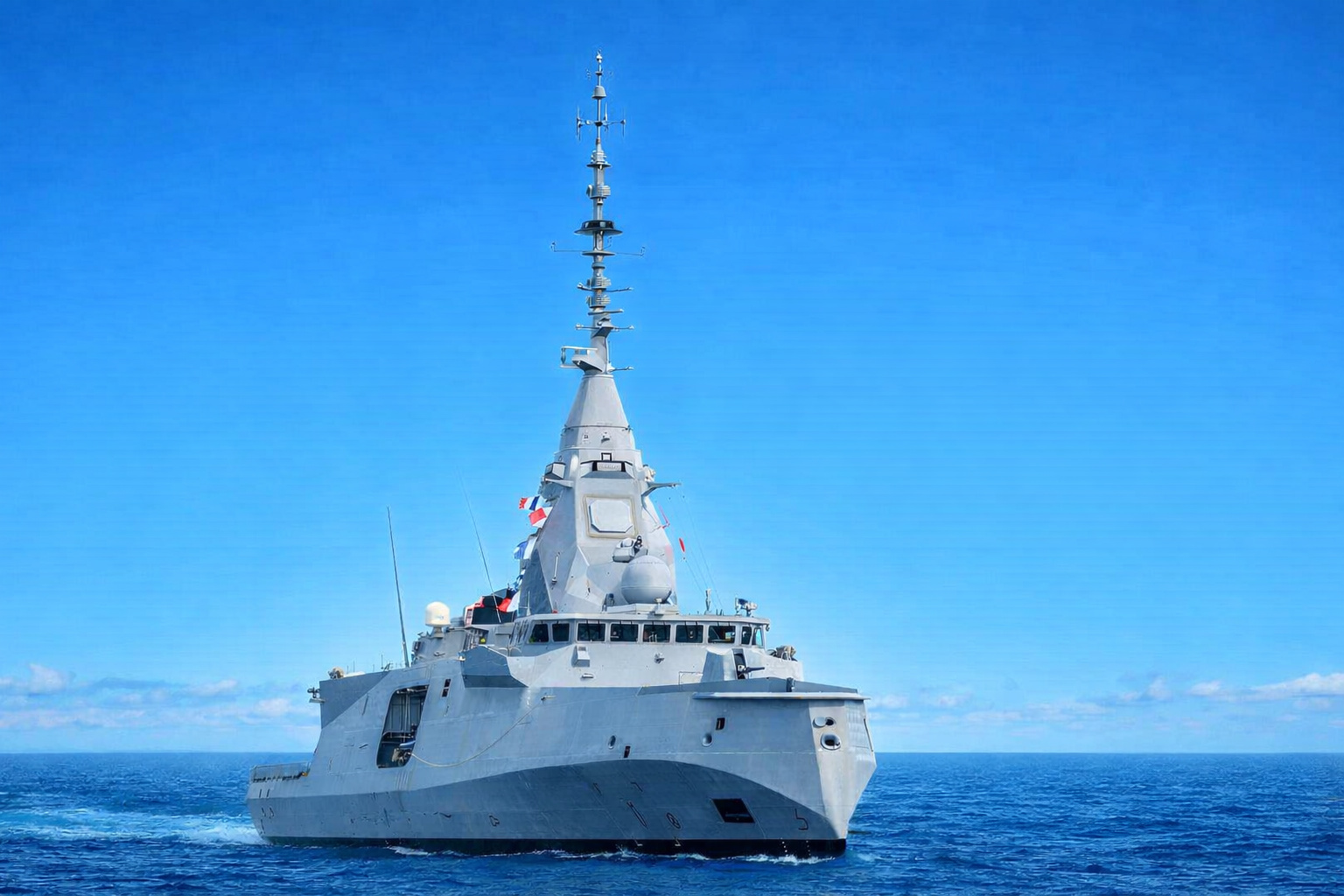
A 4,500-ton frigate with just over 100 crew members, state-of-the-art radar, and cruise missiles is being touted as the new standard of naval warfare in the 21st century.
-
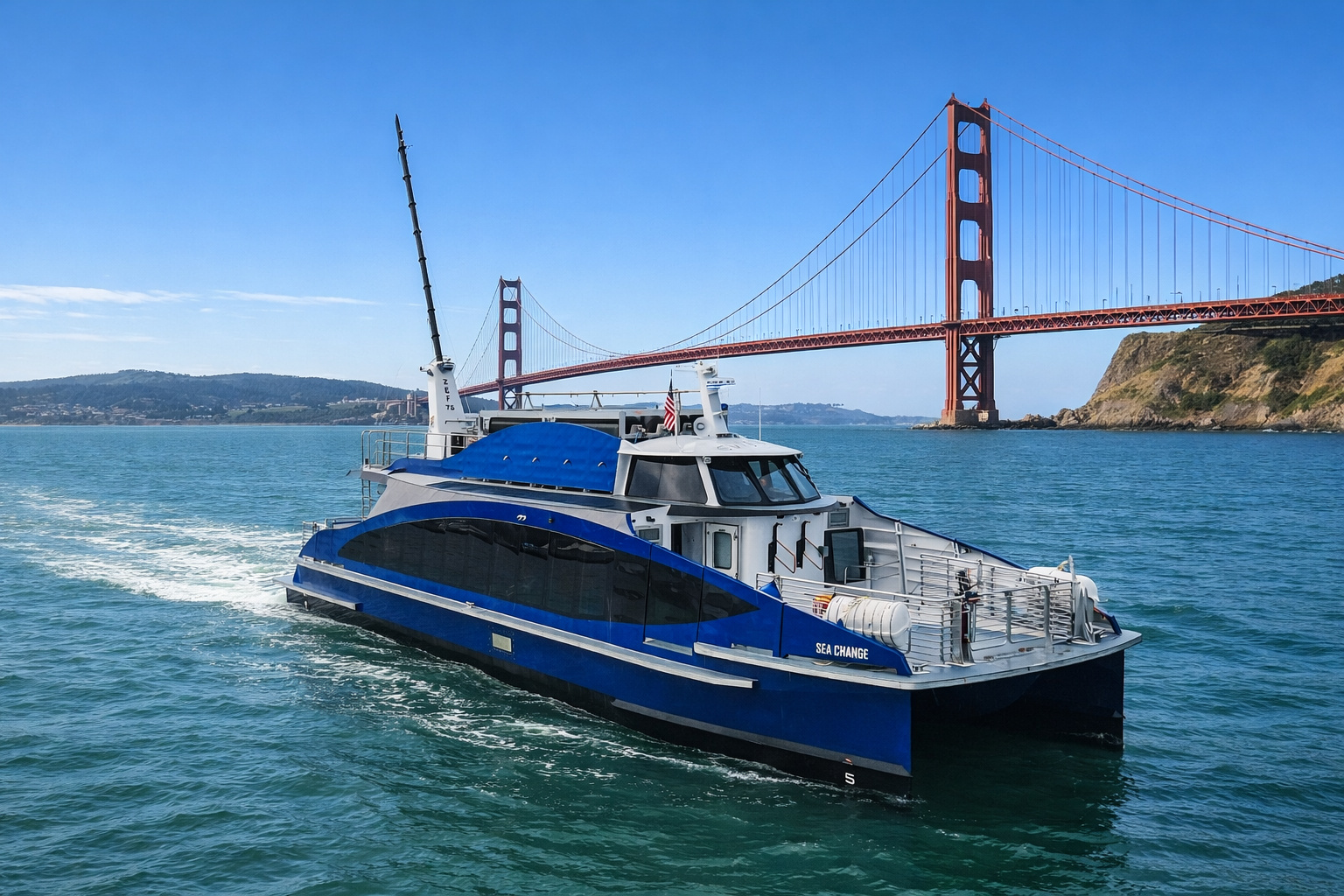
The first commercial hydrogen-powered ferry enters operation in the U.S., eliminates the use of diesel, uses fuel cells to generate clean energy on board, and transforms San Francisco Bay into a landmark of the new era of emission-free navigation.
-
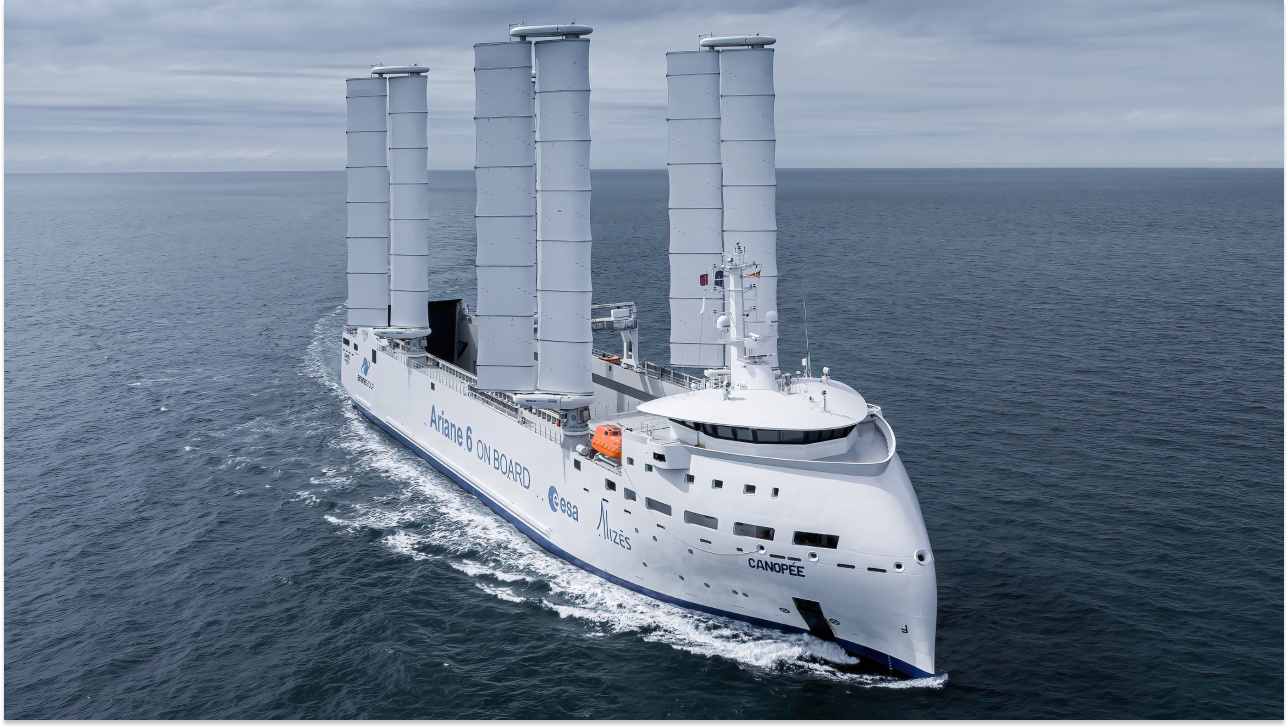
With a length of 121 meters and four rigid sails of 36 meters that automatically rotate to capture the wind, Canopée is the world’s first hybrid industrial cargo ship powered by wind, used to transport rockets and reduce fuel consumption by up to 30% on transoceanic routes.

Historically, shipbuilding has accompanied the advancement of civilizations.
The Phoenicians, around 1200 B.C., already mastered maritime navigation, using wooden ships for trade and exploration in the Mediterranean, according to the Maritime History Institute of the University of Lisbon.
In the early Modern Age, sailing vessels were essential for the great Portuguese navigations, such as Vasco da Gama’s expedition in 1497, opening trade routes between Europe, Africa, and Asia.
However, the Industrial Revolution, which began in England in the mid-18th century, brought the steam engine, revolutionizing shipbuilding.
As explained by the International Maritime Organization (IMO) in its reports, from the 19th century onwards, steamships replaced sails, allowing for greater speed and autonomy, which transformed world trade.
Moreover, the 20th century was marked by two world wars that highlighted the strategic importance of the maritime industry.
Cargo ships, cruisers, and submarines played a fundamental role in military logistics. After World War II, according to the World Bank, there was a significant expansion of the global commercial fleet, driven by economic growth and globalization.
Today, the maritime industry connects countries, generates millions of jobs, and sustains world trade, according to 2023 data from the United Nations Conference on Trade and Development (UNCTAD).
Technological Advances and Sustainability in the Maritime Industry
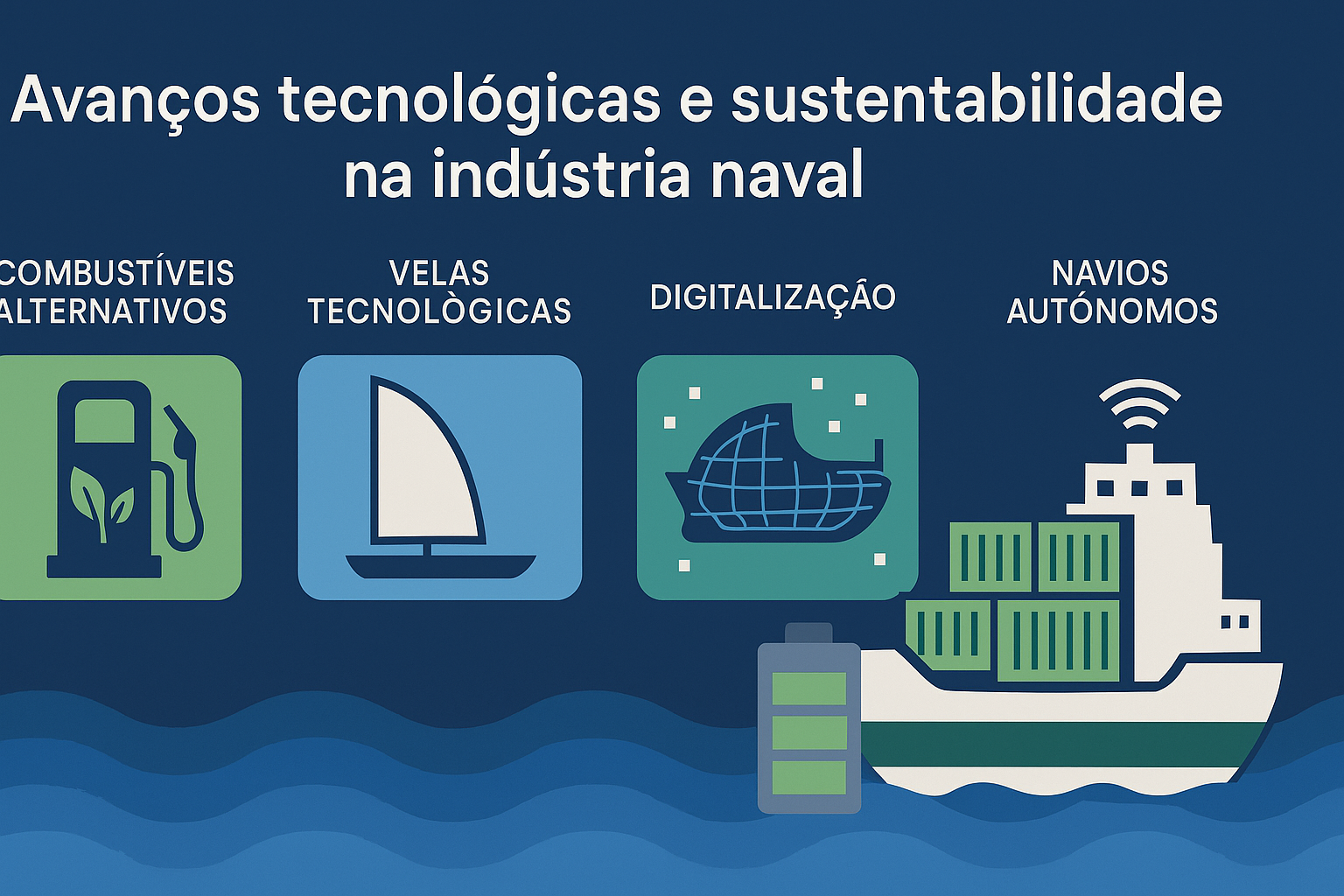
In recent decades, technological evolution, automation, and increasingly stringent environmental requirements have a direct impact on the maritime industry.
Therefore, shipyards and companies are rethinking how to design, operate, and maintain the ships of the future.
According to the IMO, in its 2021 update, the sector must reduce greenhouse gas emissions by 50% by 2050, based on 2008 levels.
This ambitious goal encourages the use of alternative fuels, such as liquefied natural gas (LNG), hydrogen, and electricity.
Research from institutions like the International Energy Agency (IEA), in its 2022 annual report, highlights the potential of hydrogen as a clean fuel for navigation, while startups invest in technological sails and hybrid systems to reduce energy consumption.
Additionally, advances in hull coatings, as published by the International Shipbuilders Association (IAS) in 2023, reduce friction between ship and water, decreasing fuel use and emissions.
Digitalization is also transforming the maritime industry. Smart sensors, big data, and artificial intelligence, according to the IEA, allow predicting failures, optimizing routes, and reducing operational costs.
Since 2015, pilot projects for autonomous ships have been gaining traction, featuring remote control and AI systems. This innovation promises to increase safety and efficiency, as emphasized by the IMO.
Modern Shipyards, Intelligent Maintenance, and Global Logistics
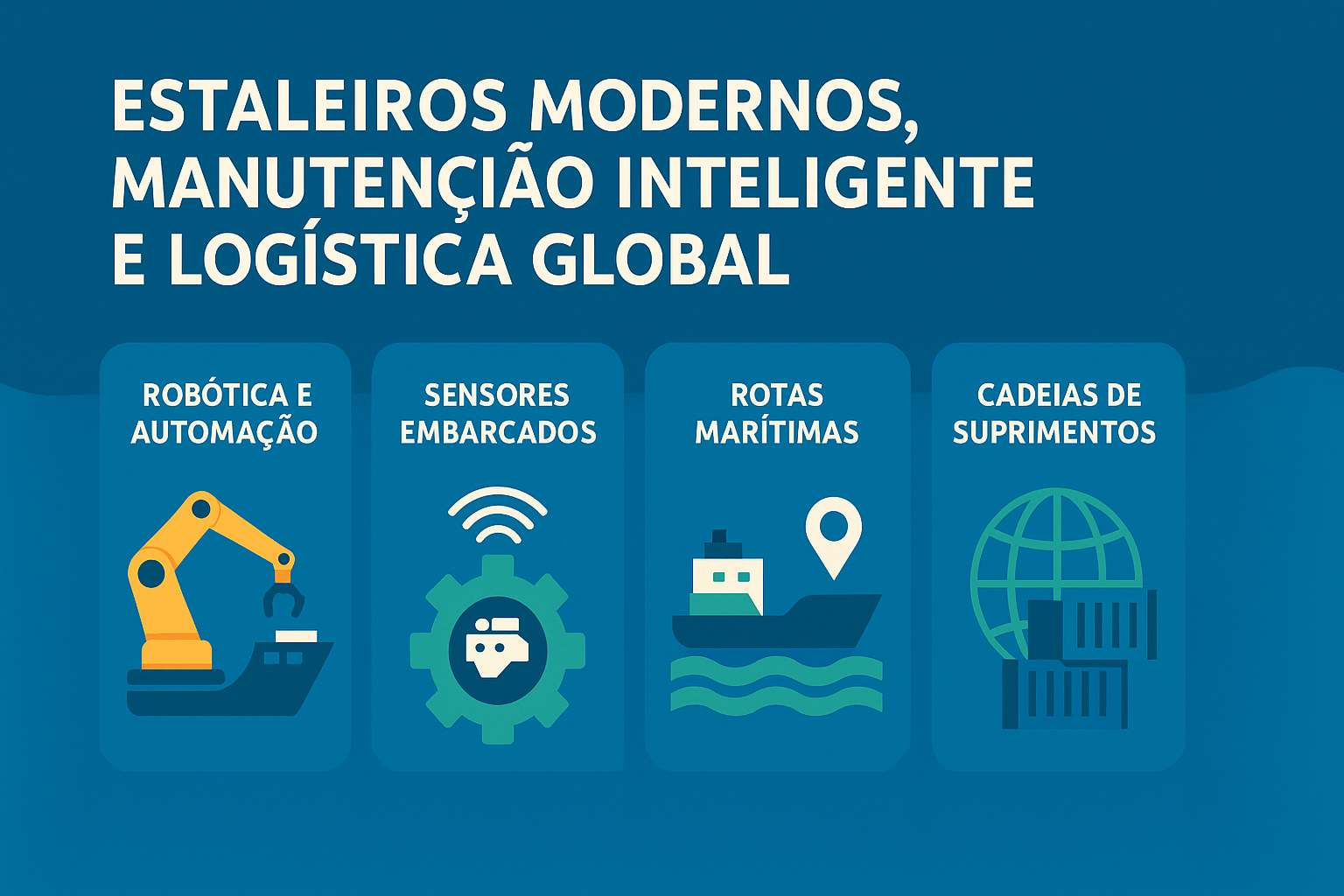
The future of the maritime industry includes the modernization of shipyards. They are adopting robotics, automation, and 3D printing to accelerate construction, reduce waste, and improve accuracy.
Countries like South Korea, Japan, and China lead this transformation, according to the 2023 IAS report. Western markets are seeking to adapt to maintain competitiveness.
Moreover, maintenance evolves with embedded sensors that monitor engines and equipment in real time. Predictive maintenance, based on continuous data, prevents unexpected downtime and extends the lifespan of ships.
Global changes in trade, influenced by economic crises and international agreements, impact maritime routes and demand for vessels.
With the growth of e-commerce, there is a rising need for smaller, agile, and adaptable ships to meet quick delivery demands.
Additionally, the focus on sustainable transport increases the use of ships designed to reduce environmental impacts, even with smaller loads.
The digitalization of supply chains improves load tracking, increasing transparency, according to UNCTAD data.
Offshore Energy, Professional Training, and Joint Innovation
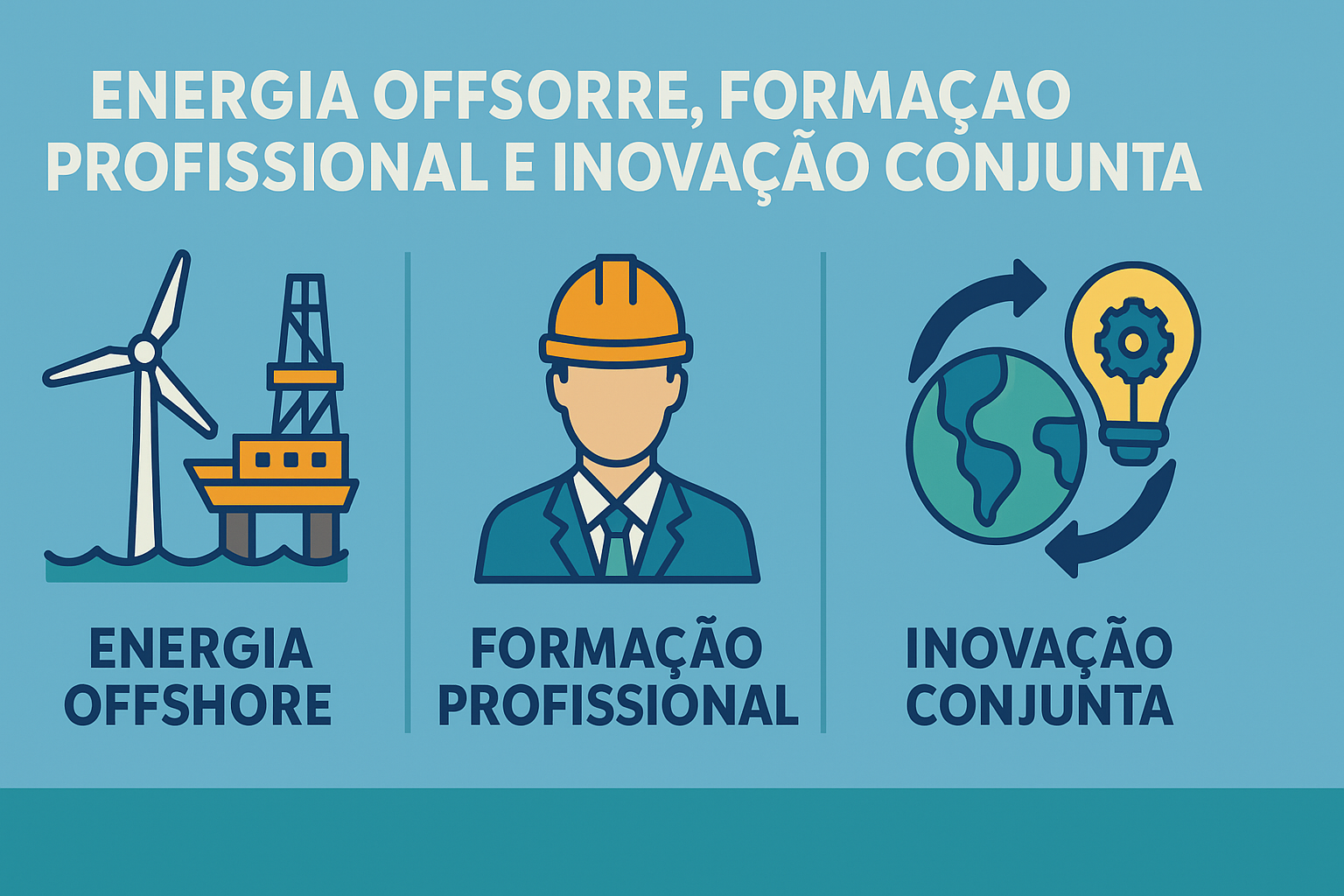
Offshore energy expands the maritime sector. Oil, gas, and offshore wind platforms require specialized vessels.
This expansion creates opportunities for naval engineers and shipyards. The maritime industry connects directly with energy and environmental sectors.
The future demands qualified professionals in engineering, automation, and sustainability. Universities are already updating curricula to prepare technicians and engineers for this technological market.
Additionally, international cooperation will be essential. Standards, environmental regulations, and maritime safety require global standardization.
The maritime industry does not operate in isolation; its impact on global trade, geopolitics, and food security is significant.
Programs like the European Green Deal, launched in 2019, encourage the maritime industry to invest in green solutions, as reported by the European Commission.
The increasing environmental awareness in society reinforces the pressure for responsibility and transparency in the sector.
Tradition and Future Side by Side in the Maritime Sector
In the face of challenges and opportunities, the future of the maritime industry will combine tradition and innovation. Shipbuilding will remain essential, but it will need to reinvent itself for the new times.
Sustainability, technology, safety, and efficiency will be the pillars of this new cycle. The maritime sector is no longer limited to large vessels crossing oceans but involves intelligence, adaptation, and commitment to a transforming world.
Those observing the sector from the outside may think it evolves slowly. However, internally, changes are occurring rapidly.
Shipyards are modernizing, companies are adopting innovative practices, and the current ships differ significantly from those seen a few decades ago.
Those who invest in innovation and sustainability will be ahead of the market, as highlighted by the IMO, IEA, and IAS in their recent reports.
Understanding the future of the maritime industry is to look toward a horizon where centuries of tradition combine with the most modern technological solutions.
It is to recognize the strategic importance of the sector and to envision a cleaner, more efficient, and smarter path for global navigation.






-

Uma pessoa reagiu a isso.