





 Portuguese
  English
  Spanish
  4 min of reading
  0 comments


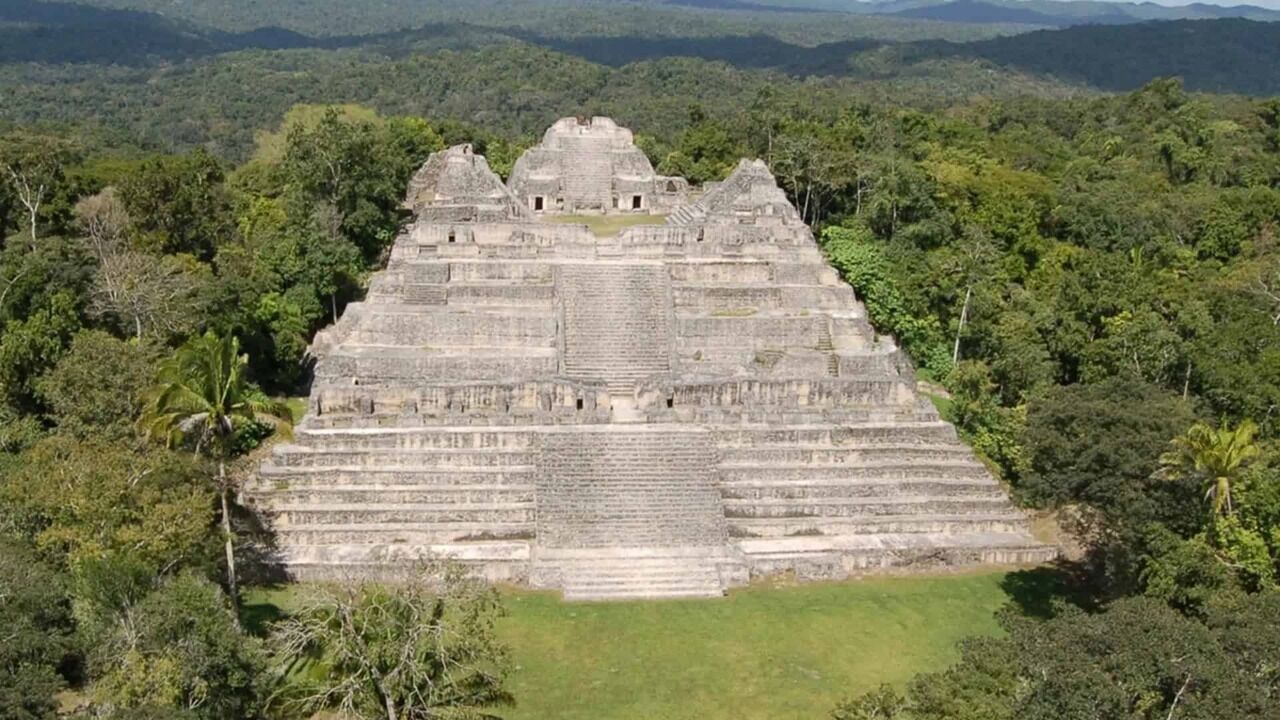
Archaeologists Discover Rare Tomb in Caracol with Bones and Artifacts That May Belong to the Legendary Te K’ab Chaak, Maya King from 331 AD
In the dense jungles of Belize, archaeologists discovered what may be the oldest known royal burial from the ancient Maya city of Caracol. The tomb was found by Diane and Arlen Chase, an archaeologist couple with decades of work at the site. They believe the remains may be from the founder of the Caracol dynasty, Te K’ab Chaak.
According to the archaeologists, if the identification is confirmed, this is a find of great historical importance.
This is because tombs of known Maya kings are rarely found, much less that of a founding king.
-
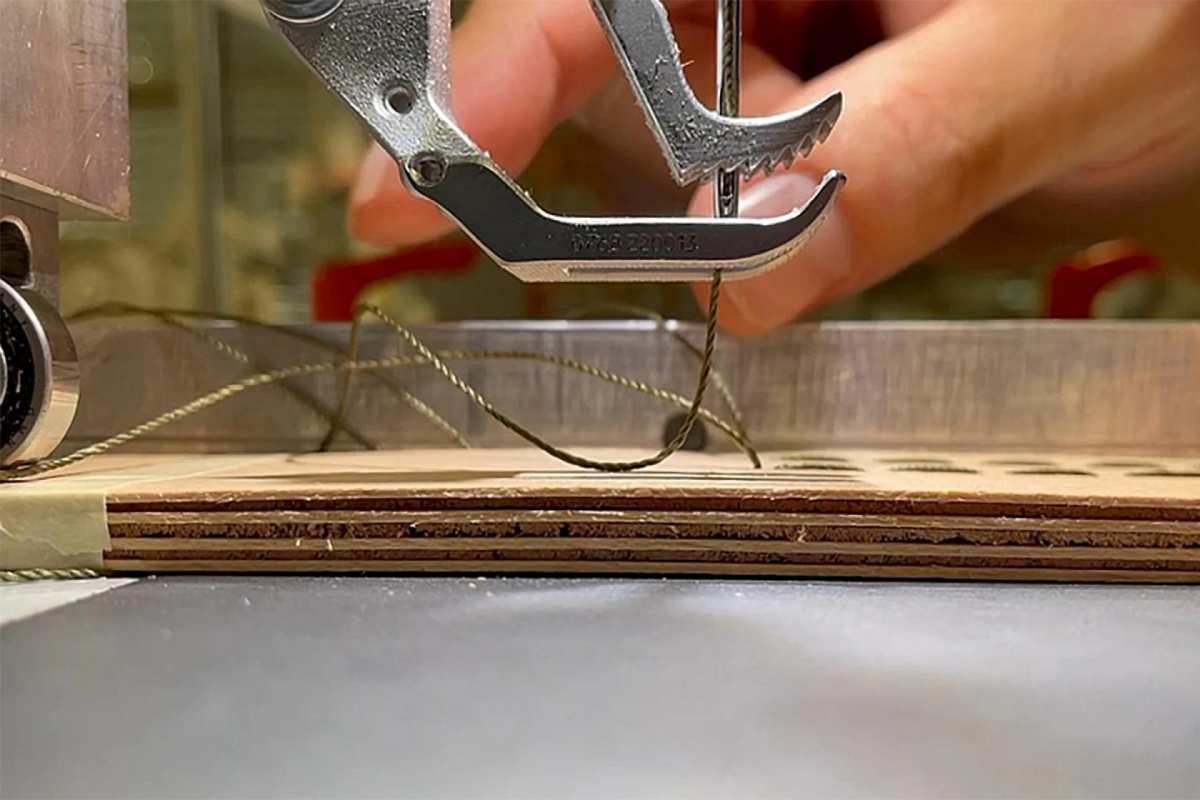
A simple stitch in wood with nylon thread can reduce adhesives, speed up production, and make sheets up to 4 times stronger and 14 times more difficult to break.
-
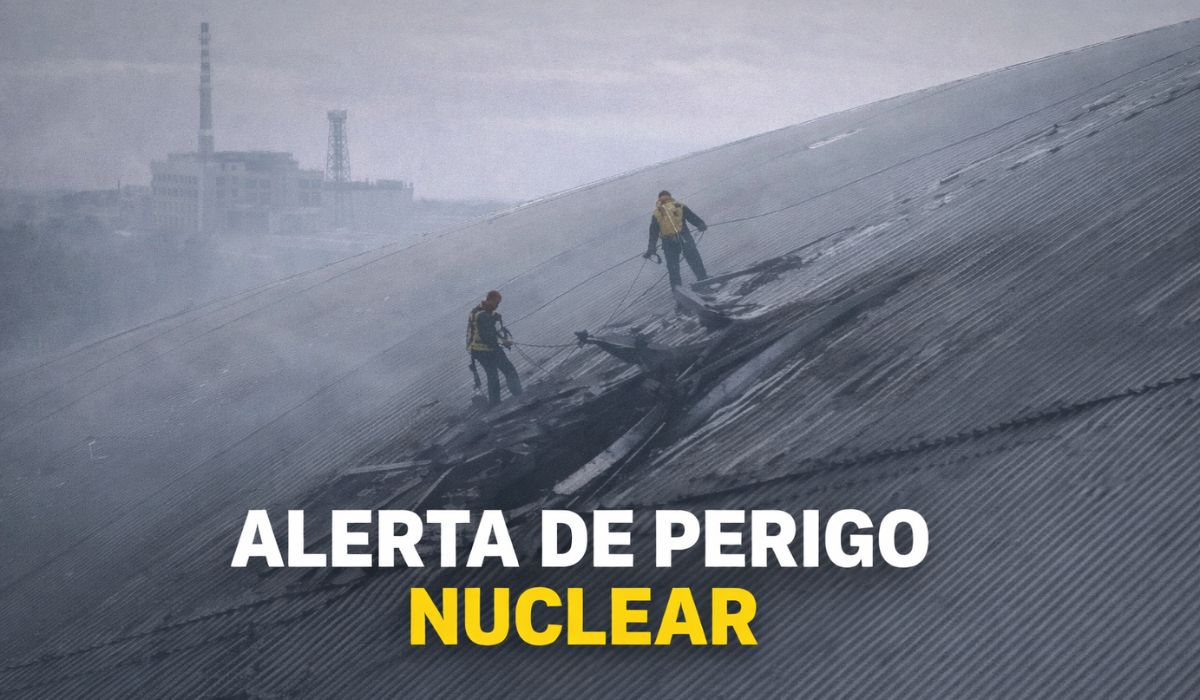
The gigantic steel shell built to contain Chernobyl for a century has been pierced by a drone, exposing a critical system and creating a hole that could cost over 500 million euros to repair.
-
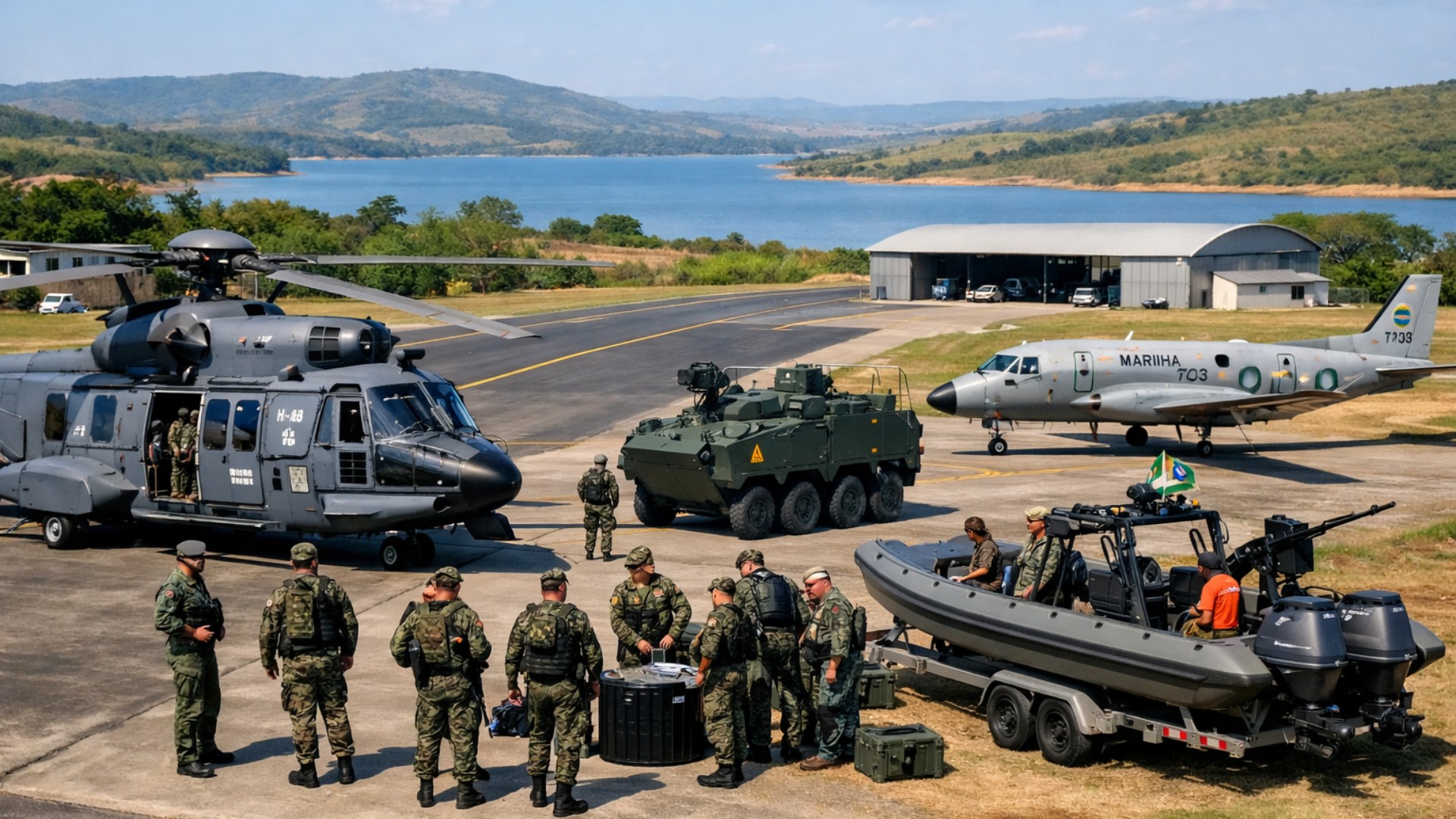
Brazilian Navy reaches a new level by taking over an airport with a 1,600-meter runway used by 1,800 military personnel and autonomous attack drone testing.
-
The Himalayas continue to grow to this day, with tectonic plates advancing 5 cm per year, mountains rising up to 10 mm annually, and the 2015 earthquake that killed 9,000 people may have increased the risk of an even larger seismic mega-event.

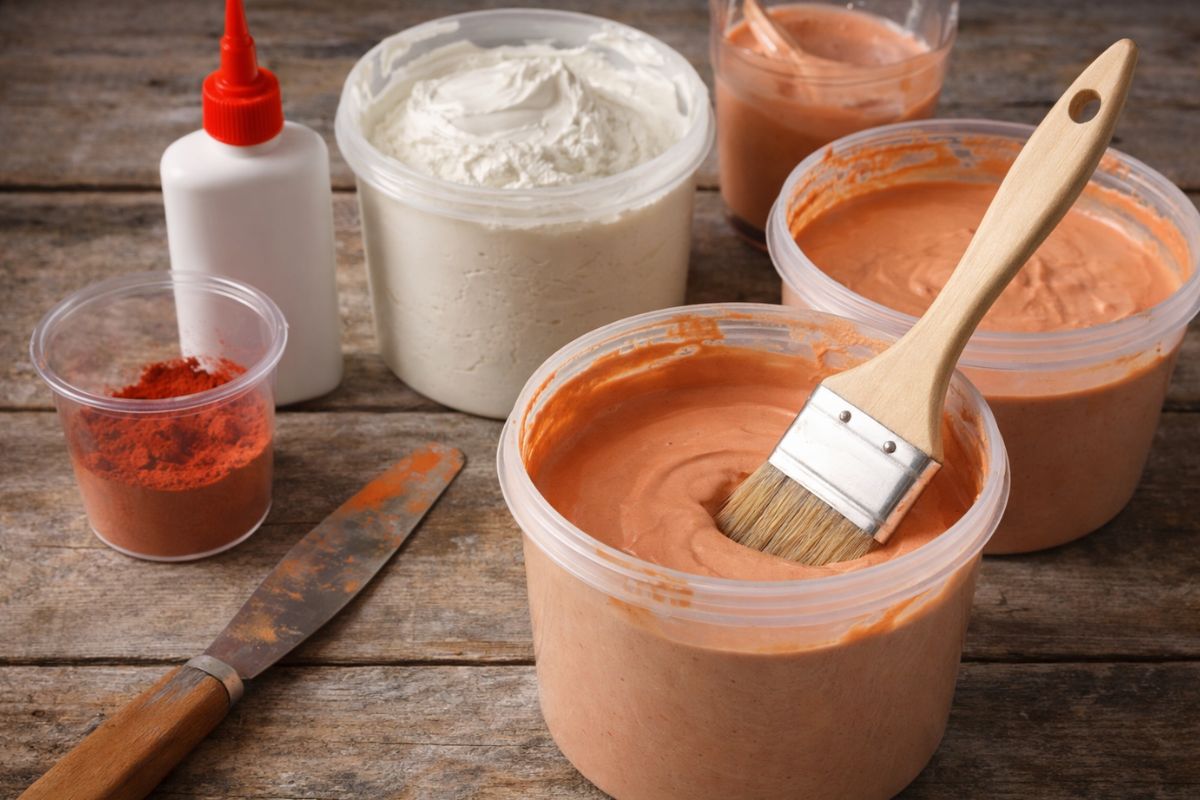
The chamber where the bones were discovered is considered unusual. The walls were covered in red cinabar.
The space measures about 2.5 meters in height and 3 meters in length. For specialists, the size and content suggest it belonged to someone of high status.
Finds Inside the Mortuary Chamber
Inside the tomb, the archaeologists found the skeleton of a man, as well as various artifacts. Among them:
- A jade mortuary mask and shells broken into over a hundred pieces;
- Three sets of ear ornaments, also made of jade;
- Four jade beads featuring faces of spider monkeys;
- Decorated ceramics with images of animals and a ruler with a spear;
- A skull placed upside down inside a vase.
The jawbone of the skeleton showed signs of tooth resorption, suggesting advanced age. Researchers believe the body was supported by a pallet, which decomposed over time and caused the skeleton to collapse.
The Suspicions That It Is Te K’ab Chaak
Hieroglyphic texts found in other parts of Caracol mention Te K’ab Chaak as the first ruler of the city, with his reign starting around 331 AD.
The discovered tomb was dated between 330 and 350 AD, based on the style of the ceramics and radiocarbon analyses done on nearby burials.
According to Diane Chase, upon seeing the objects and the structure of the tomb, she felt chills. Everything suggests the bones are from an important leader — possibly Te K’ab Chaak.
Although the tomb does not contain inscriptions with the name of its occupant, researchers claim to be 99.9% confident it belongs to the founding king.
Doubts and Caution Among Specialists
Despite the enthusiasm of the team in charge, other specialists remain cautious. Stephen Houston from Brown University agrees that the tomb belongs to a member of royalty, but says more solid evidence is still needed to confirm it is truly Te K’ab Chaak.
He emphasizes the importance of finding any glyptic text confirming the identity.
Another point raised by specialists relates to potential connections between Caracol and Teotihuacan.
For the researchers involved in the excavation, the discovery may indicate that contacts between the Maya and this ancient metropolis began earlier than previously thought.
The Connection with Teotihuacan
Teotihuacan was located near present-day Mexico City, about 1,200 kilometers from Caracol. The city was neither Maya nor Aztec but influenced Mesoamerica.
Archaeologists believe the relationships between the peoples involved trade, pilgrimages, and diplomacy.
David Carballo from Boston University agrees with this view. He states that the discoveries help to better understand the power exchanges in the region during the 4th century.
Meanwhile, Anabel Ford from the University of California questions the evidence. For her, the associations with Teotihuacan are not clear and heavily depend on researchers’ interpretations.
Next Steps in the Investigation
Diane Chase explained that new analyses will be carried out. The team plans to attempt to extract DNA from the bones and perform isotope tests.
These tests could reveal the individual’s diet and whether he lived his entire life in Caracol or moved over the years.
She stated that this information will be crucial to confirm the identity of the buried man. The search for more definitive proof continues. For the archaeologists, the possibility of having found the tomb of the first king of Caracol justifies the effort.
The discovery was made in early 2025 and announced by the University of Houston. It stands out among the more than 850 burials already found at the archaeological site of Caracol.
Among these, approximately 175 are tombs. But, so far, none has drawn as much attention as this one.
The case remains under analysis. The confirmation of the ruler’s identity could mark a new chapter in the history of the Maya and their connections with other Mesoamerican civilizations.
With information from National Geographic.





-

Uma pessoa reagiu a isso.