





 Português
  Inglês
  Espanhol
 3 min de leitura
  0 comentários


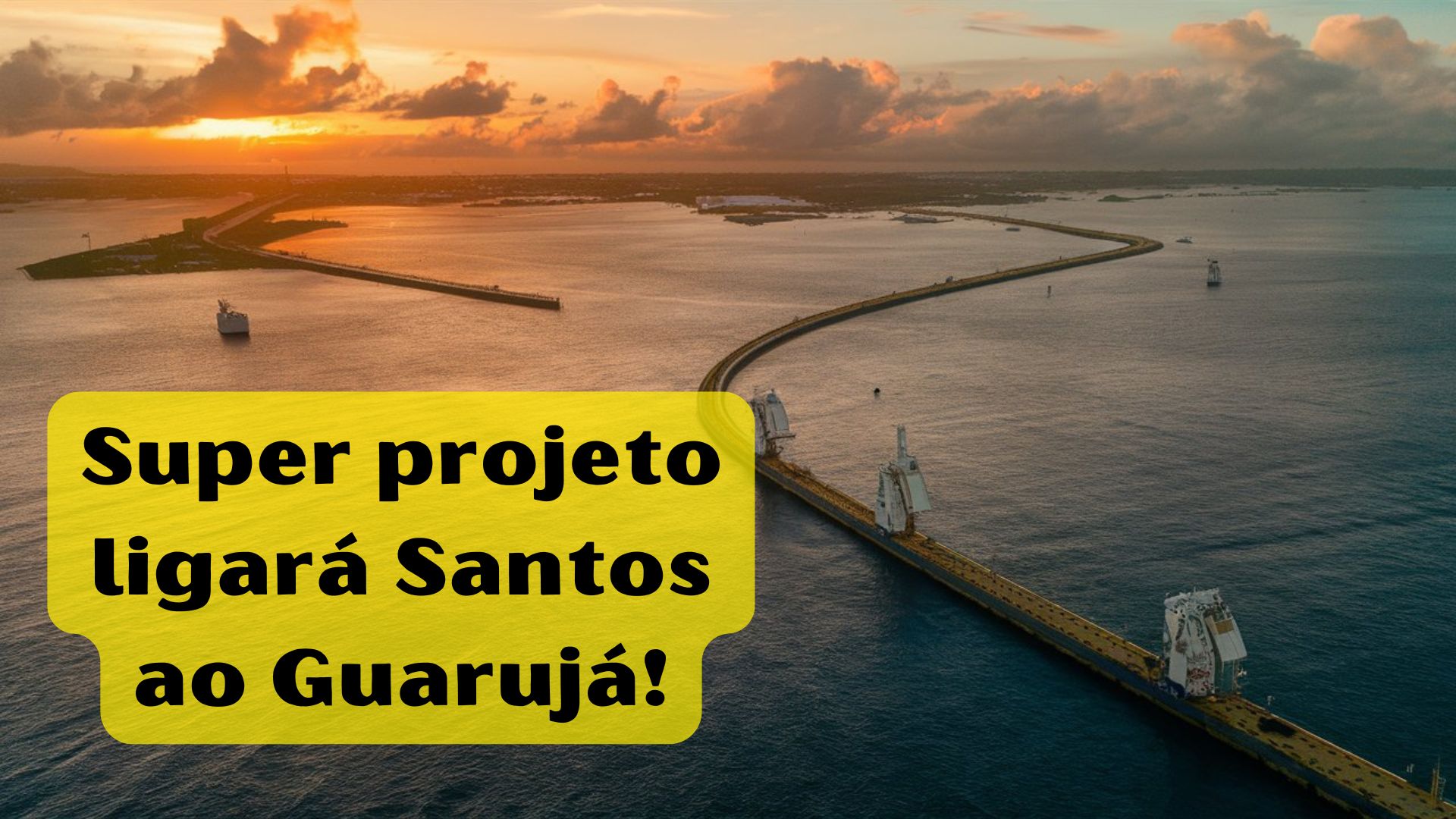
The Santos-Guarujá Tunnel Promises to Transform Mobility, Boost the Economy, Modernize Infrastructure, and Become a Historic Landmark for Brazil.
Finally, the Santos-Guarujá Tunnel is closer to becoming a reality. After decades of waiting, the project received approval from ANTAQ and has been sent to TCU. With this important step completed, the expectation is that the work will transform mobility in Baixada Santista, connecting Santos and Guarujá quickly, safely, and efficiently. In addition, the tunnel will drastically reduce crossing times and boost port logistics, benefiting millions of people.
A Project That Transcends Borders
This tunnel is not just an infrastructure work; it is a transformative solution to the mobility problems of the region. With a length of 870 meters and constructed 21 meters below sea level, it will support cars, trucks, cyclists, pedestrians, and public transportation. Additionally, by improving port logistics, the tunnel will strengthen the Port of Santos, consolidating it as one of the main maritime hubs in Latin America.

Benefits for Millions of People
The benefits of the Santos-Guarujá Tunnel go far beyond mobility. The reduction of crossing time from 18 minutes to less than 5 will be just the beginning. With this, residents and tourists will have a more efficient and safe alternative to the ferries, which currently face long queues. In addition, the project is expected to generate around 9,000 direct and indirect jobs, boosting the regional economy. At the same time, it will facilitate access to the beaches and strengthen tourism, contributing to local growth.
-
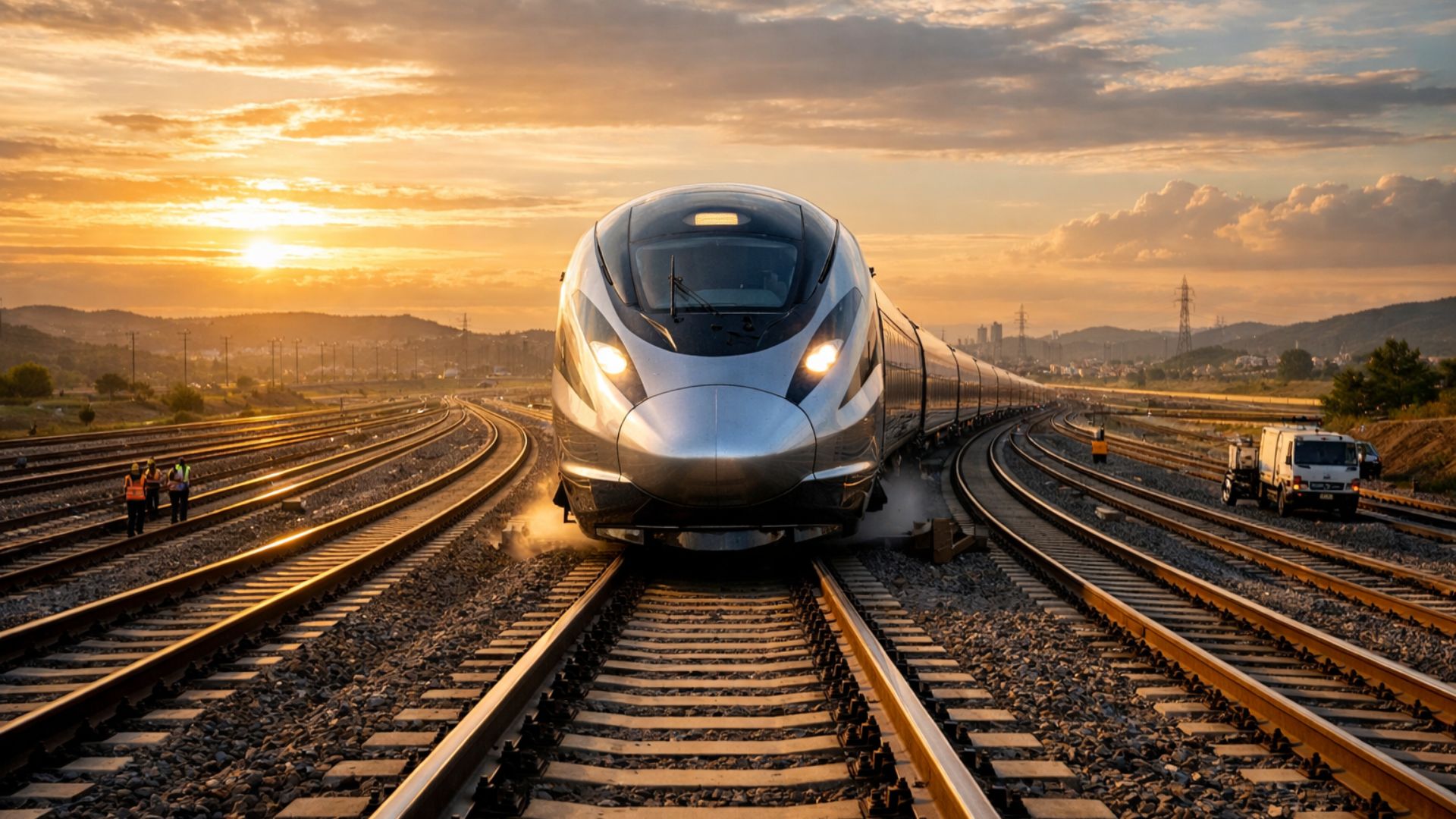
São Paulo surprises the world with a colossal railway network project that promises over 1,000 km of tracks, R$ 194 billion in investments, and 40 projects connecting the capital to the interior with fast and sustainable trains.
-
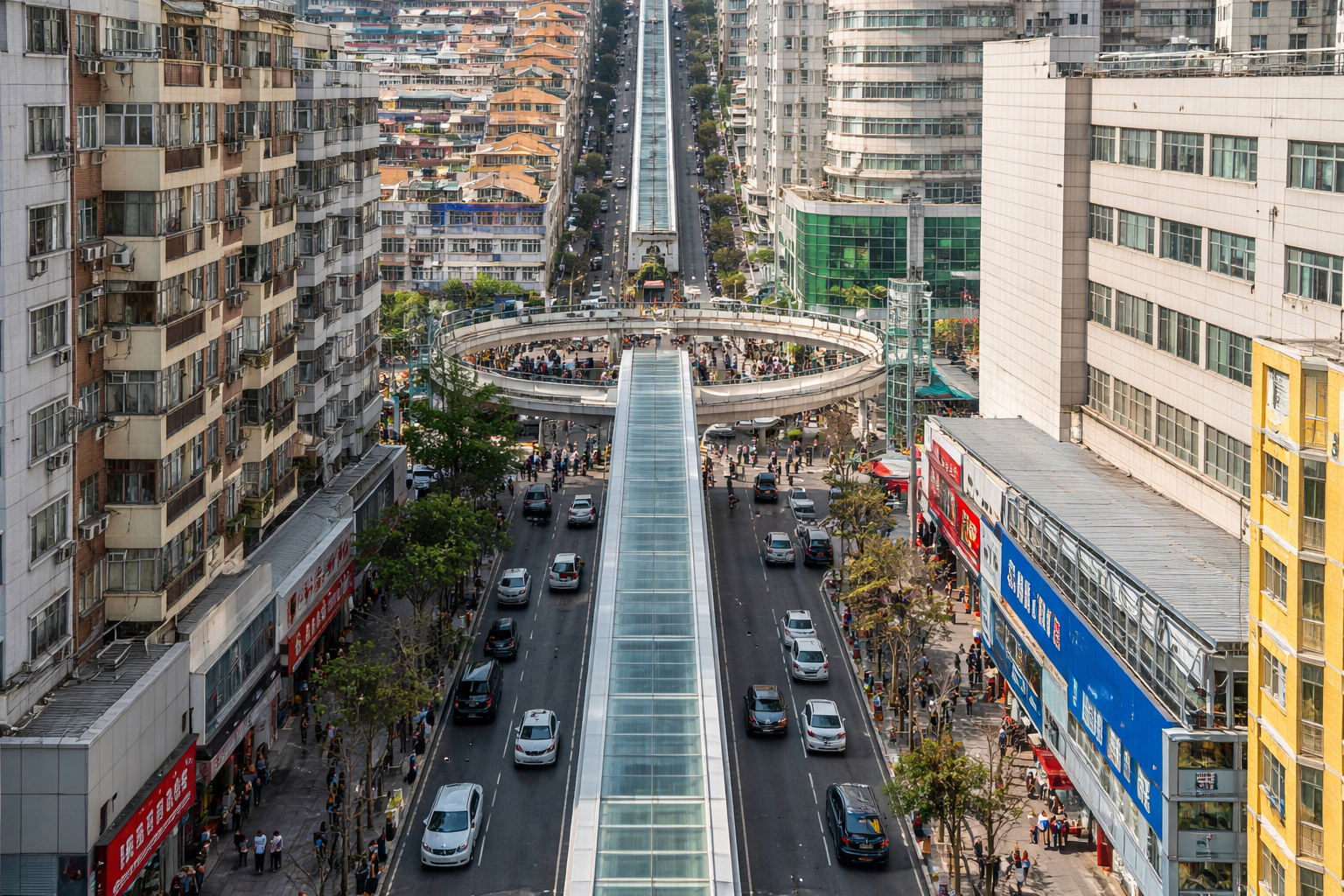
The world’s largest escalator, measuring 905 meters in China, reduces urban travel time from 1 hour to about 20 minutes and transforms mobility in mountainous regions with an engineering solution adapted to the terrain.
-
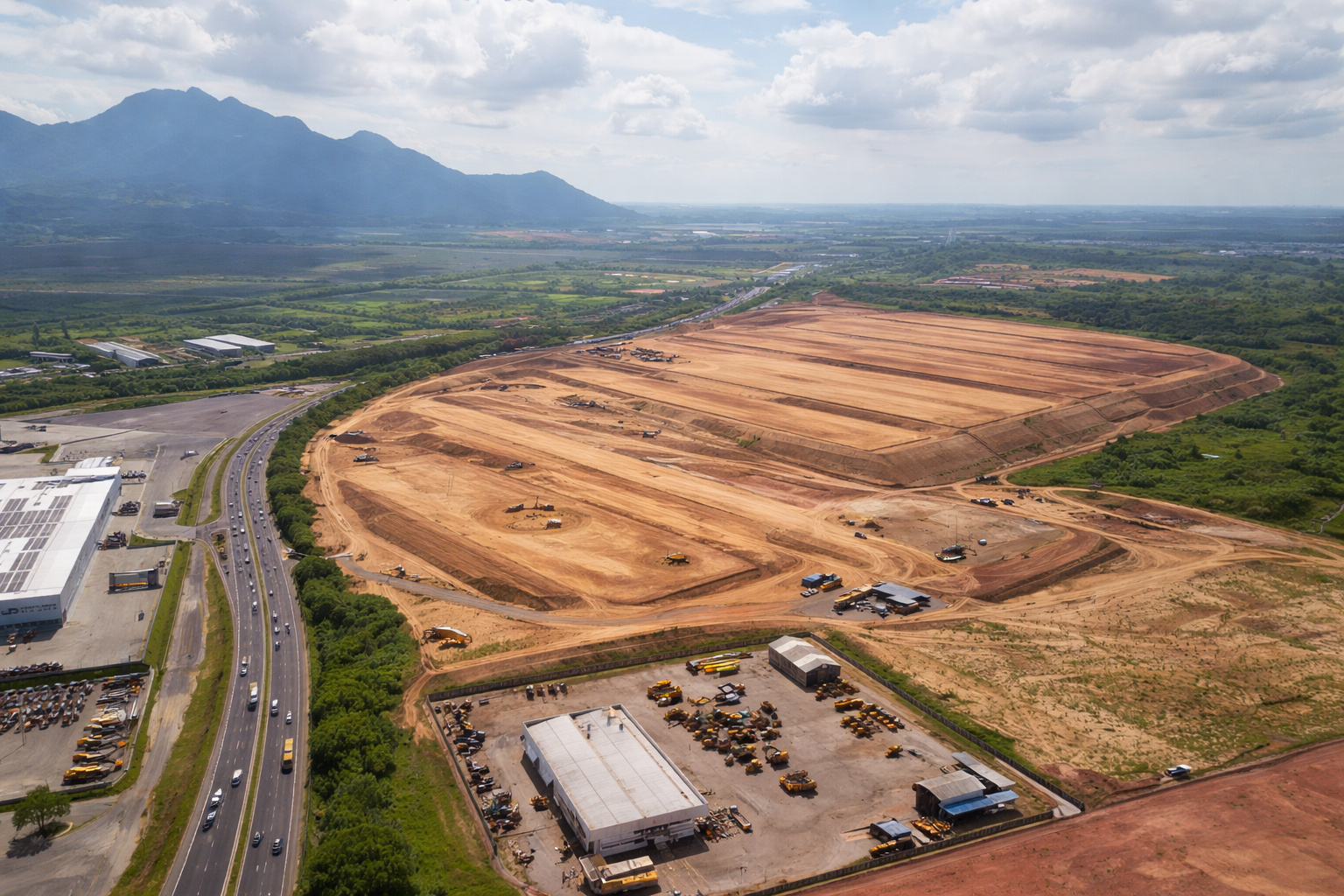
A R$ 300 million logistics giant is taking shape in Serra with over 100,000 m² and raises a question: how can this transform e-commerce and distribution in the state?
-
Could Uber Rides Lose Minimum Fare? Understand What’s Happening!


Clearly Planned Stages
The project has a well-structured timeline and clear goals for each stage. First, the Public-Private Partnership (PPP) bidding will be launched in the first half of 2025. Then, the auction will occur in the second half of the same year, allowing construction to begin in 2026. Completion is expected by 2030, consolidating a historic solution for the region. Although there are challenges, such as final financing, the progress so far demonstrates the commitment to turn this dream into reality.
Cutting-Edge Technology and Sustainability
The technology used in the Santos-Guarujá Tunnel is one of the project’s great differentiators. The construction will be carried out with pre-cast concrete modules, submerged and interconnected on the ocean floor. This innovative method ensures safety and efficiency, while also reducing the environmental impacts of the work. Complementing this, the replacement of ferries will significantly help decrease pollutant gas emissions, contributing to a more sustainable future. Thus, the tunnel not only solves a historic problem but also promotes environmental responsibility.
A Milestone for All of Latin America
As the first submerged tunnel on the continent, the Santos-Guarujá Tunnel puts Brazil in the spotlight of global engineering. This landmark of innovation meets a historic demand from Baixada Santista, which has sought a solution for the crossing between Santos and Guarujá since the 1930s. More than that, the tunnel symbolizes a commitment to sustainable development, improved mobility, and modernization of national infrastructure, elevating Brazil to a new level of innovation.
A New Chapter in Brazilian Infrastructure
With benefits covering mobility, tourism, and logistics, the Santos-Guarujá Tunnel is much more than an infrastructure project. It represents a historic transformation for Baixada Santista, which will become a model for all of Brazil. As the project progresses, it becomes clear that it will impact millions of lives and position the country as a leader in innovation. Finally, we must follow the next steps and hope that this emblematic work is completed on schedule.









-

Uma pessoa reagiu a isso.