





 Português
  Inglês
  Espanhol
  5 min de leitura
  0 comentários


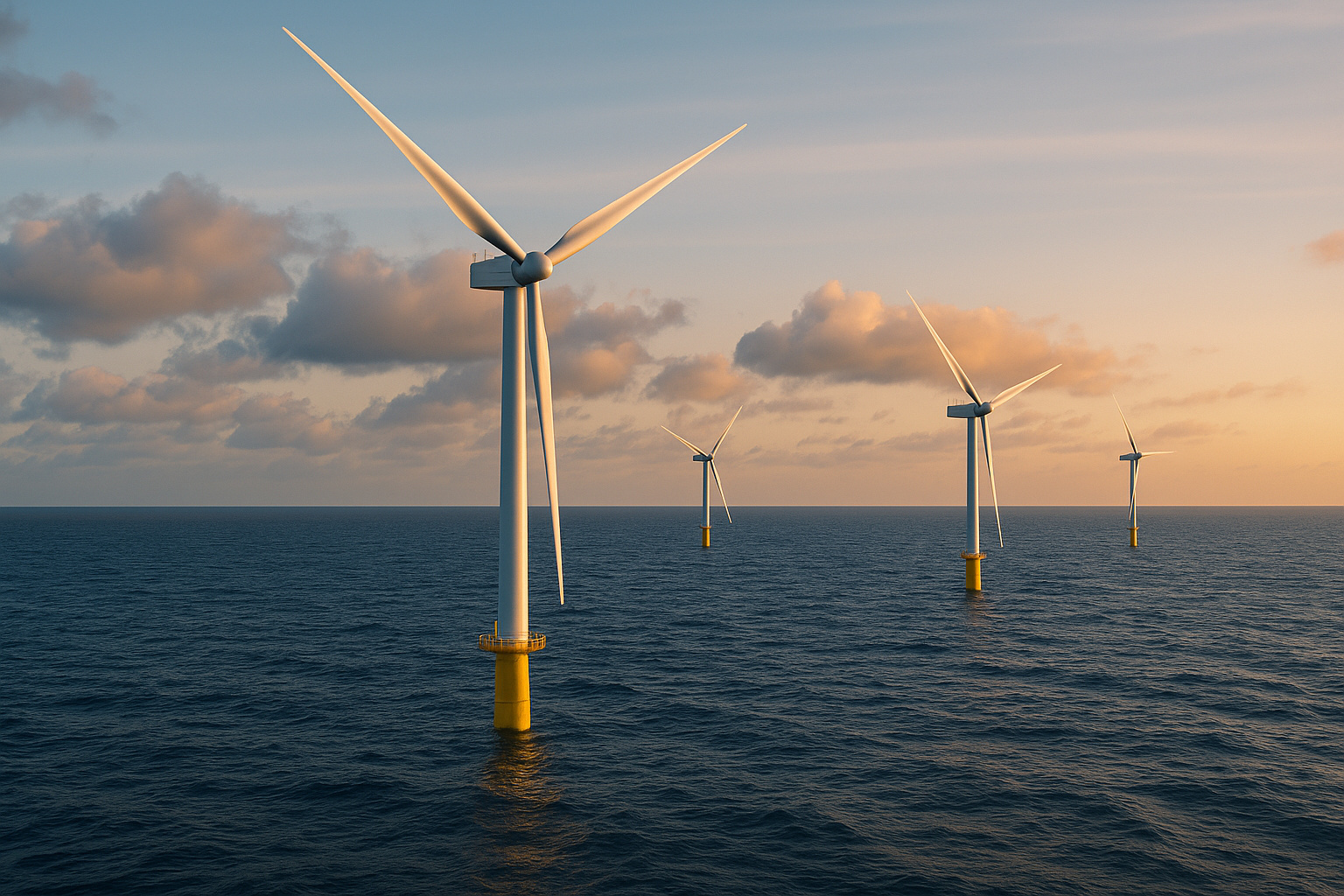
Discover How Offshore Wind Turbines Transform Energy Generation, Boost Businesses, and Improve Your Life with a Clean, Efficient, and Sustainable Source.
Nowadays, the urgency for sustainable energy sources is greater than ever. According to the International Energy Agency (IEA), concerns about climate change and the scarcity of fossil fuels drive the development of clean alternatives.
Among these alternatives, the offshore wind turbine stands out as one of the most effective solutions.
But have you ever reflected on how this technology directly affects your life and businesses? To better understand, it is important to look back in time.
-
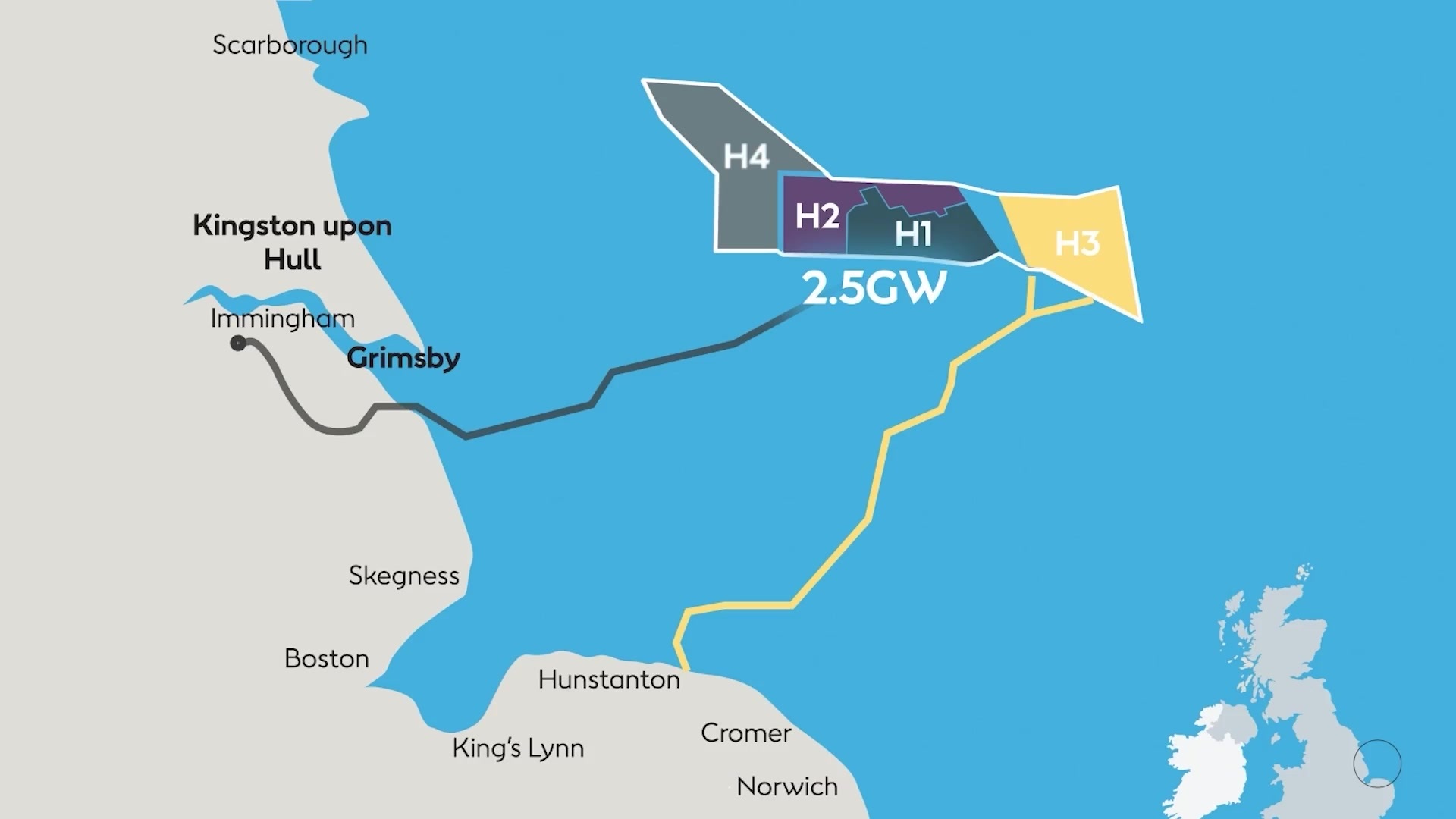
231 turbines of 260 meters at 160 km from the coast, monopiles weighing as much as nine blue whales embedded in the North Sea, and a crane ship taller than the Eiffel Tower: Hornsea 3 will be the largest offshore wind farm on the planet by 2027, and its first components have already arrived in England.
-
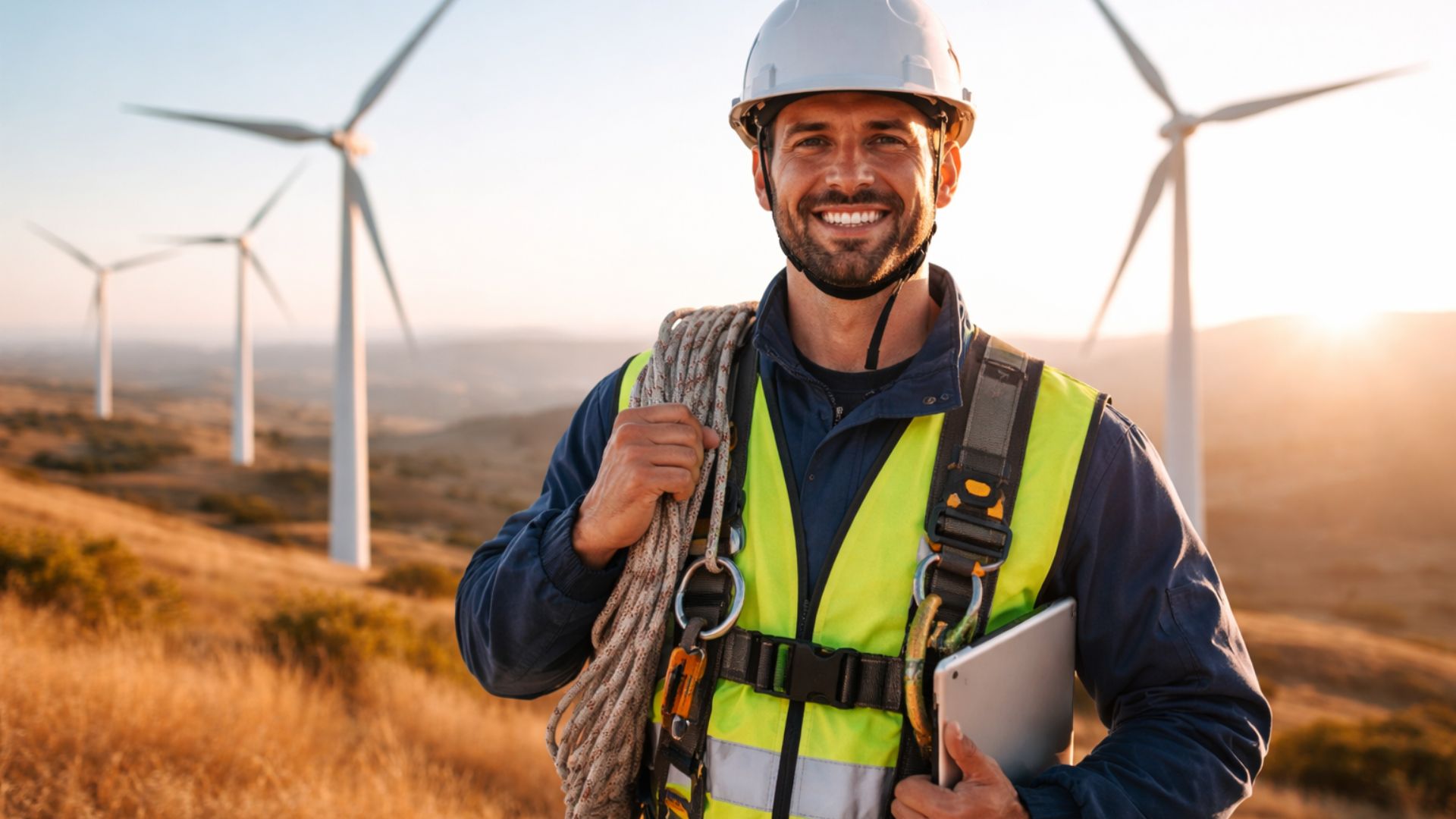
International Certification Puts Senai Norte on the Renewable Energy Map and Expands Access to Essential Training for Qualified Wind Power Professionals
-
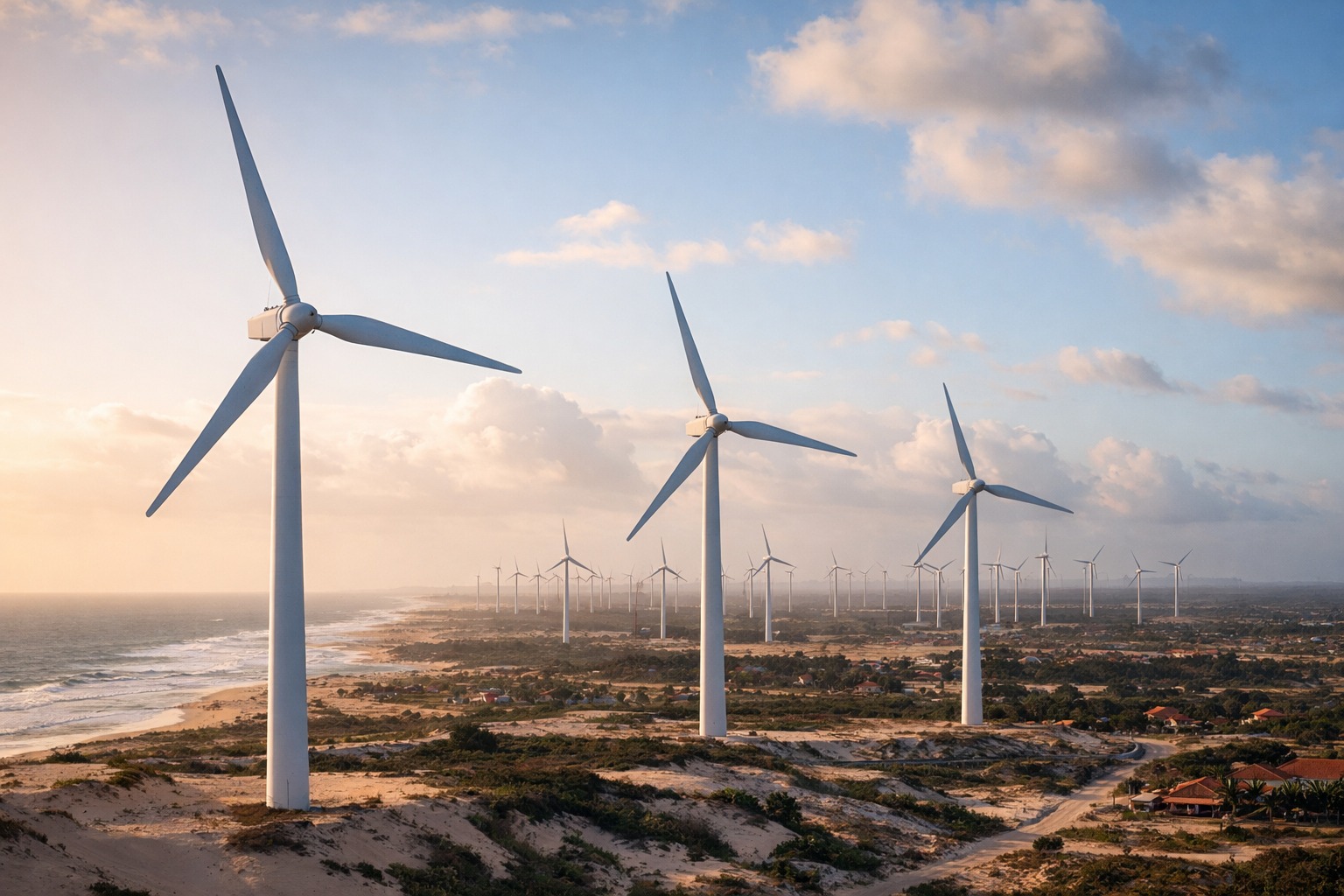
The Winds of the Northeast Are in Foreign Hands: Nearly 70% of the Region’s Wind Farms Are Owned by International Companies, with France, China, and Italy Leading Investments in Wind Energy in Brazil
-
Echoenergia’s Wind Farms Receive Diamond and Platinum Seals and Boost Carbon Credits with Projects that Prevent Large Volumes of Annual Emissions
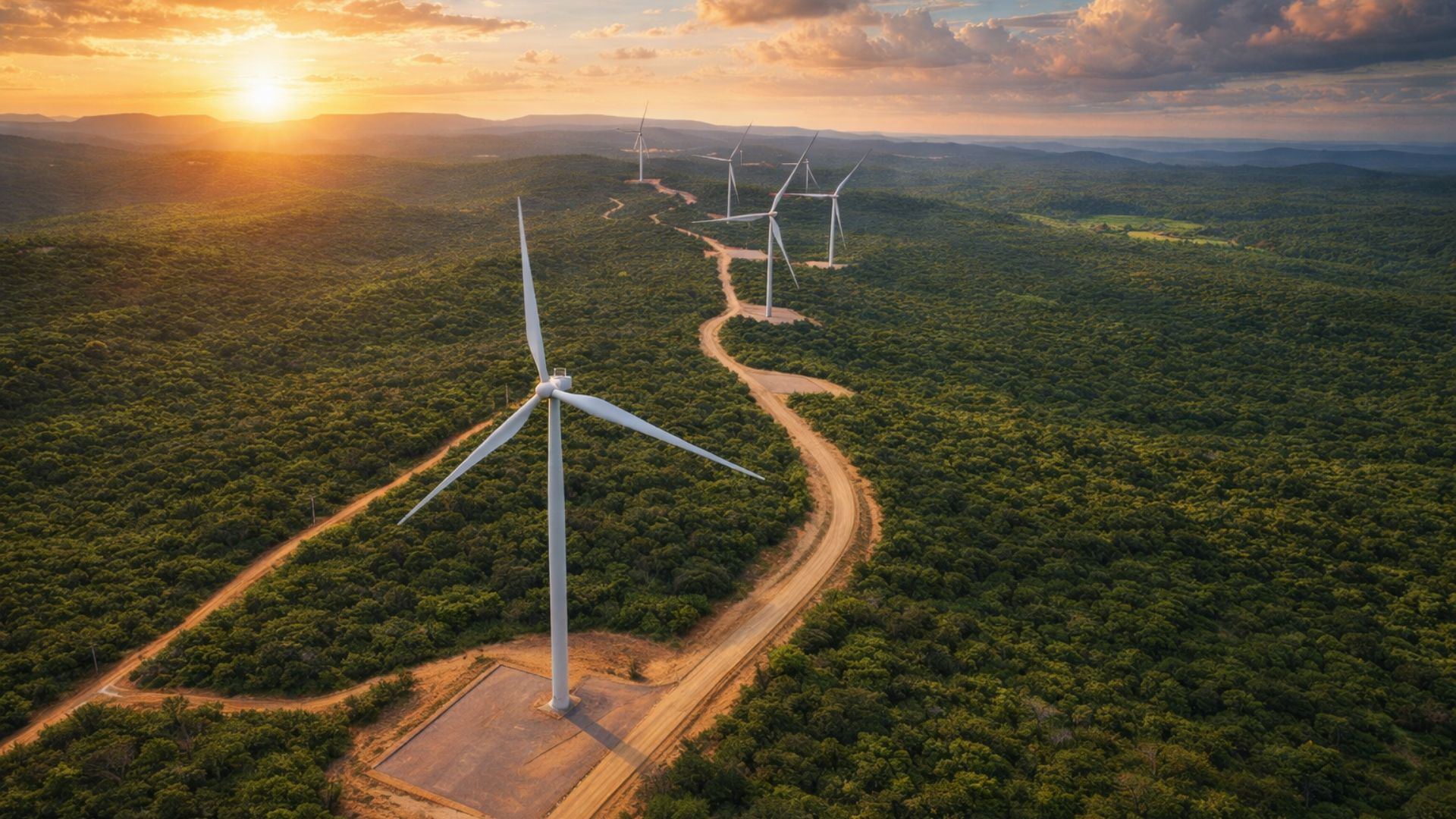

According to History.com, the first records of wind energy use date back to the 7th century when the Persians used windmills to grind grain and pump water.
This was the initial foundation for harnessing the wind.
Fast forward to the late 19th century, the United States Department of Energy (DOE) reports that the first turbines for electricity generation began to appear in isolated rural areas. This was the initial phase of wind energy for electric use.
In the 20th century, especially after the oil crisis of 1973, the vulnerability of nations dependent on fossil fuels became evident.
According to the IEA, this crisis was a milestone for investment in renewable energies, where wind energy gained global prominence.
Initially, turbines were installed on land.
However, as reports from the Global Wind Energy Council (GWEC) indicate, offshore areas presented much greater potential due to the consistency and intensity of marine winds.
Moreover, onshore wind energy faces limitations such as restricted space, visual impacts, and noise, leading to the search for offshore solutions.
The GWEC emphasizes that offshore wind turbines harness more stable and stronger winds, allowing for greater energy generation.
Advantages and Evolution of Offshore Wind Turbines
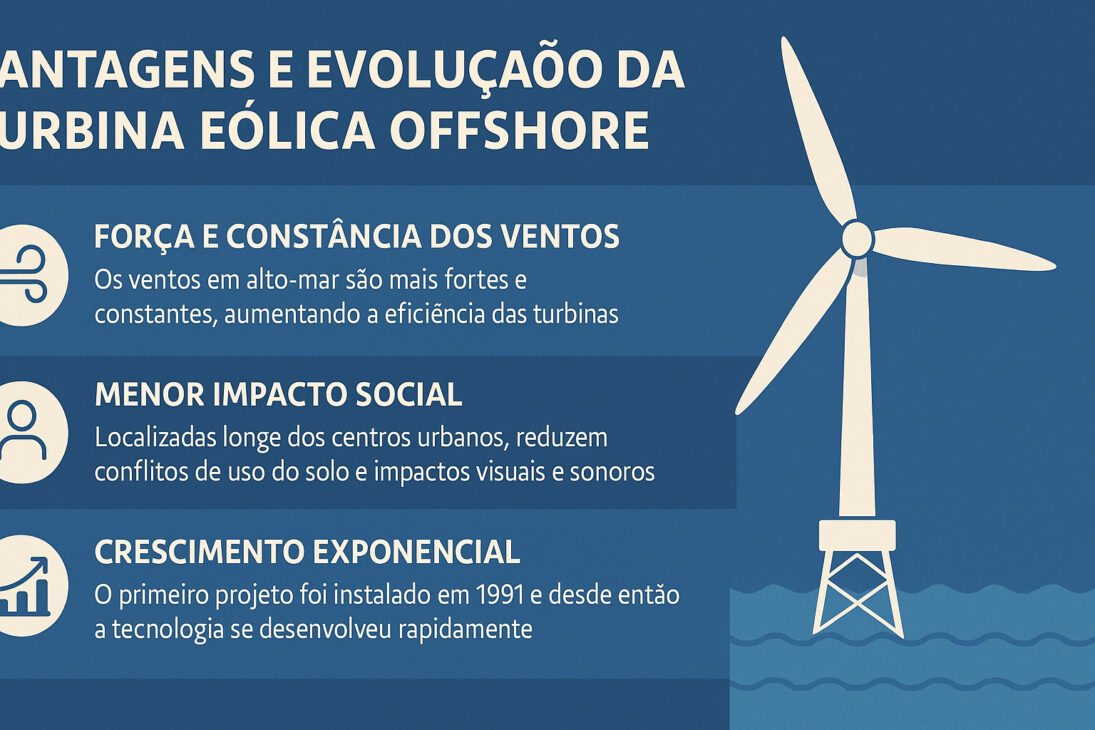
According to the Danish Energy Agency, the first offshore wind turbine project was installed off the coast of Denmark in 1991, marking the beginning of a new era.
Since then, this technology has grown exponentially, especially in Europe.
The main advantage of offshore wind energy lies in the strength and consistency of the winds. The Danish Energy Agency explains that offshore winds are stronger and more consistent than on land, increasing the efficiency of the turbines.
Additionally, the remote location from urban centers reduces land use conflicts and minimizes visual and noise impacts, making the offshore wind turbine a more socially acceptable solution.
According to the Global Offshore Wind Report 2023 from GWEC, current turbines reach impressive sizes, with blades exceeding 100 meters and towers over 200 meters, generating energy for thousands of households.
Countries like the United Kingdom, Germany, China, and the United States lead this expansion. The GWEC highlights that these offshore wind farms already produce gigawatts of energy, contributing significantly to the global energy mix.
But after all, how does this impact your life?
The DOE explains that the introduction of renewable sources into the electric matrix reduces dependence on polluting thermal power plants, such as those fueled by coal and natural gas. This results in fewer greenhouse gas emissions and helps combat global warming.
Therefore, even if you do not see the turbines at sea, the energy that powers your home may come from these clean sources.
Economic Impacts and Advantages for Businesses
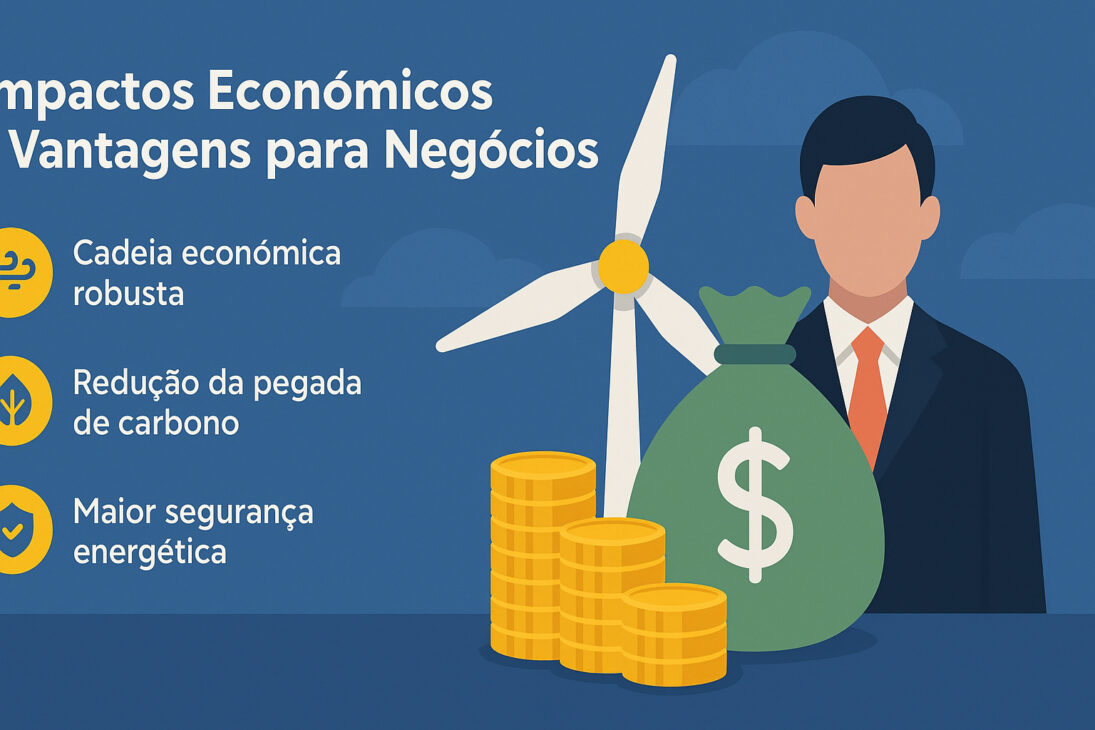
According to the International Renewable Energy Agency (IRENA), the offshore wind energy sector generates a robust economic chain, involving steel, logistics, shipbuilding, and technology industries.
Additionally, this sector fosters skilled jobs and innovation, attracting global investments.
As highlighted by IRENA, countries investing in clean energy establish themselves as leaders in sustainability and technological development.
For businesses, using energy generated by offshore wind turbines has become a strategic differential.
Reports from BloombergNEF indicate that many multinationals have signed long-term contracts to ensure sustainable supply and reduce carbon footprint.
Another vital factor is energy security. Diversifying sources reduces risks related to international crises, droughts, and fluctuations in fossil fuel prices.
Offshore-generated energy offers greater stability and more predictable costs, benefiting the entire production chain and the end consumer.
Moreover, the development of this technology encourages advancements in energy storage and integration with other renewable sources, preparing the electric matrix for the future, as pointed out in the DOE report.
The Potential of Offshore Wind Turbines in Brazil
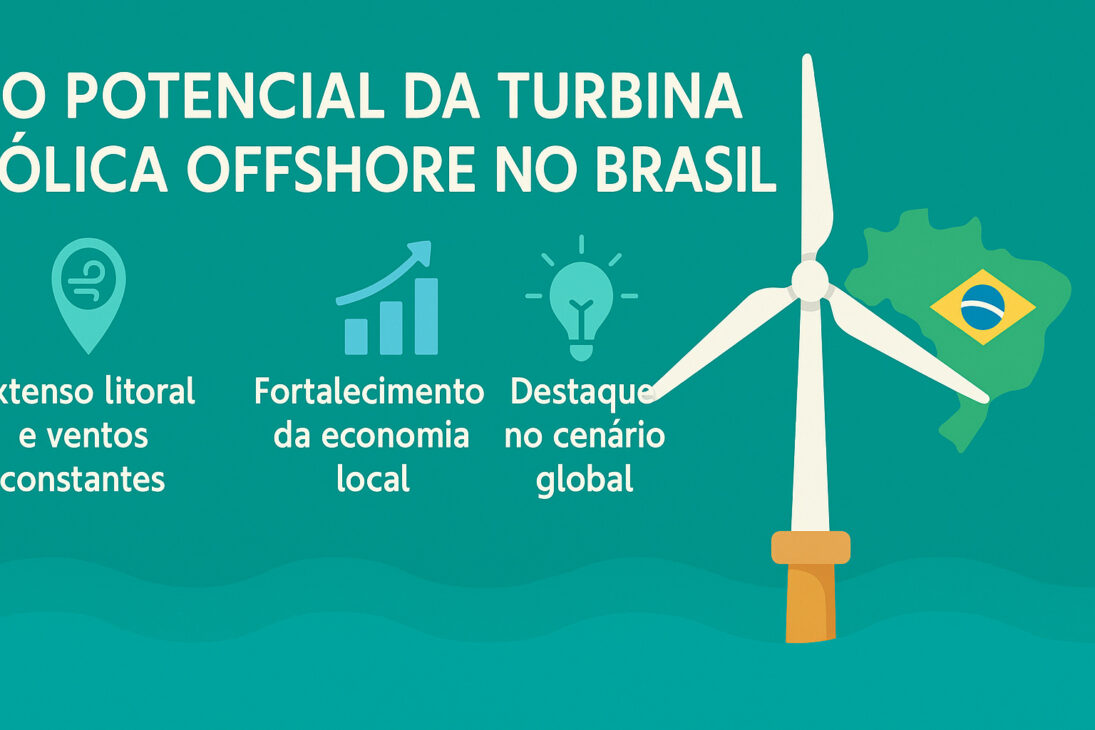
According to ANEEL and IBAMA, since 2020, Brazil has been structuring regulations for the development of offshore wind farms.
Our extensive coastline and consistent winds provide ideal natural conditions for this technology, especially in the Northeast and Southeast regions, according to official data from these agencies.
The Northeast, known for its strong winds, stands out as the main hub for these investments.
It is expected that the installation of offshore parks will strengthen the local economy, improve port infrastructure, and promote professional qualification in coastal communities.
Moreover, there is an expectation that Brazil will play a prominent role in the global offshore wind energy scenario in the coming years, promoting sustainable development and technological innovation.
Even though this technology requires high investment, the positive impact reaches society as a whole, providing cleaner and more stable energy, as reported by regulatory agencies.
The Transformation That Is Already Underway
The transition to a cleaner energy matrix is underway, and the offshore wind turbine is a key piece in this process.
According to the IEA, by combining offshore wind energy with other renewable sources, such as solar, a more efficient and resilient hybrid system is created.
Furthermore, technological advancements have significantly reduced costs, making offshore energy increasingly competitive.
Therefore, whether as a consumer, business owner, or citizen concerned about the environment, understanding the role of offshore wind turbines is essential.
As highlighted in the Global Offshore Wind Report 2023, behind every turbine that spins at sea, there is a transformative force that shapes the future of energy, business, and life on the planet.









Seja o primeiro a reagir!