





 Portuguese
  English
  Spanish
  4 min of reading
  0 comments


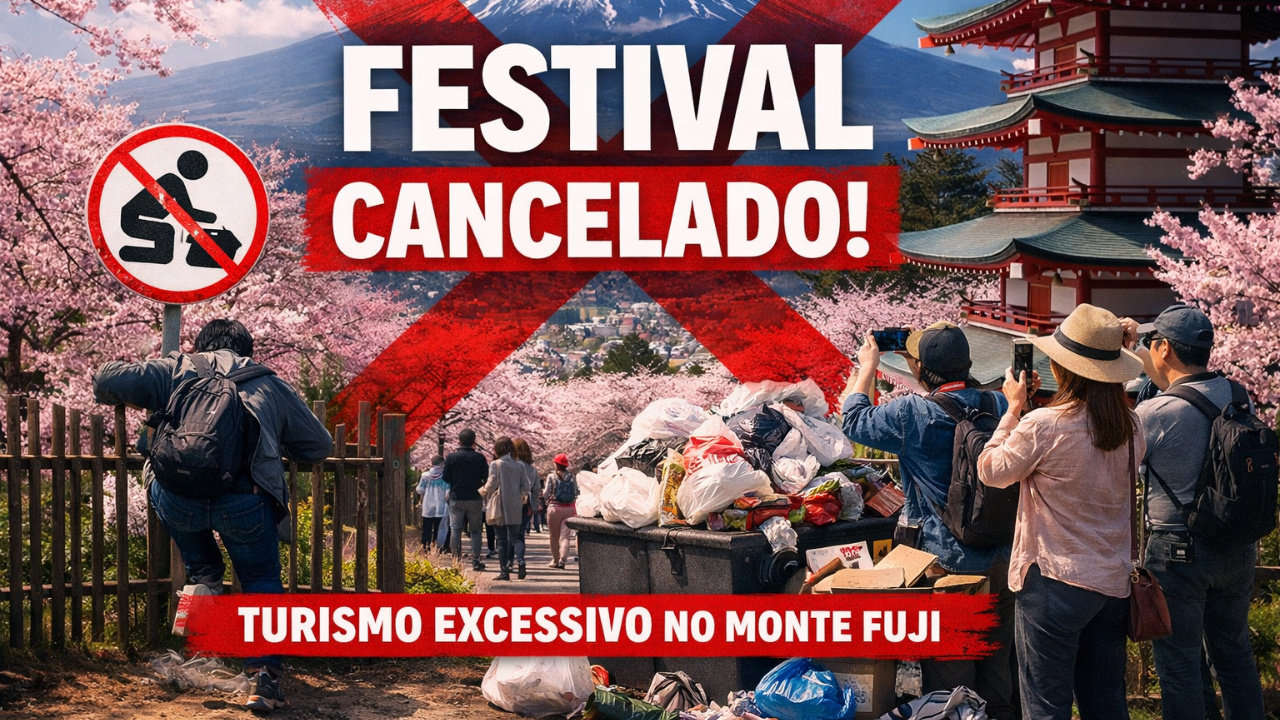
Excessive Tourism Leads to Canceled Cherry Blossom Festival at Mount Fuji After Reports of Misbehaving Tourists.
The uncontrolled increase in tourist flow led authorities in Fujiyoshida, a Japanese city near Mount Fuji, to announce the cancellation of the traditional spring flower festival.
The decision was communicated by the municipal government on Tuesday (2/3), following reports of severe impacts on local routines.
According to the city hall, it became unmanageable to handle the volume of visitors during the peak of cherry blossom season.
-
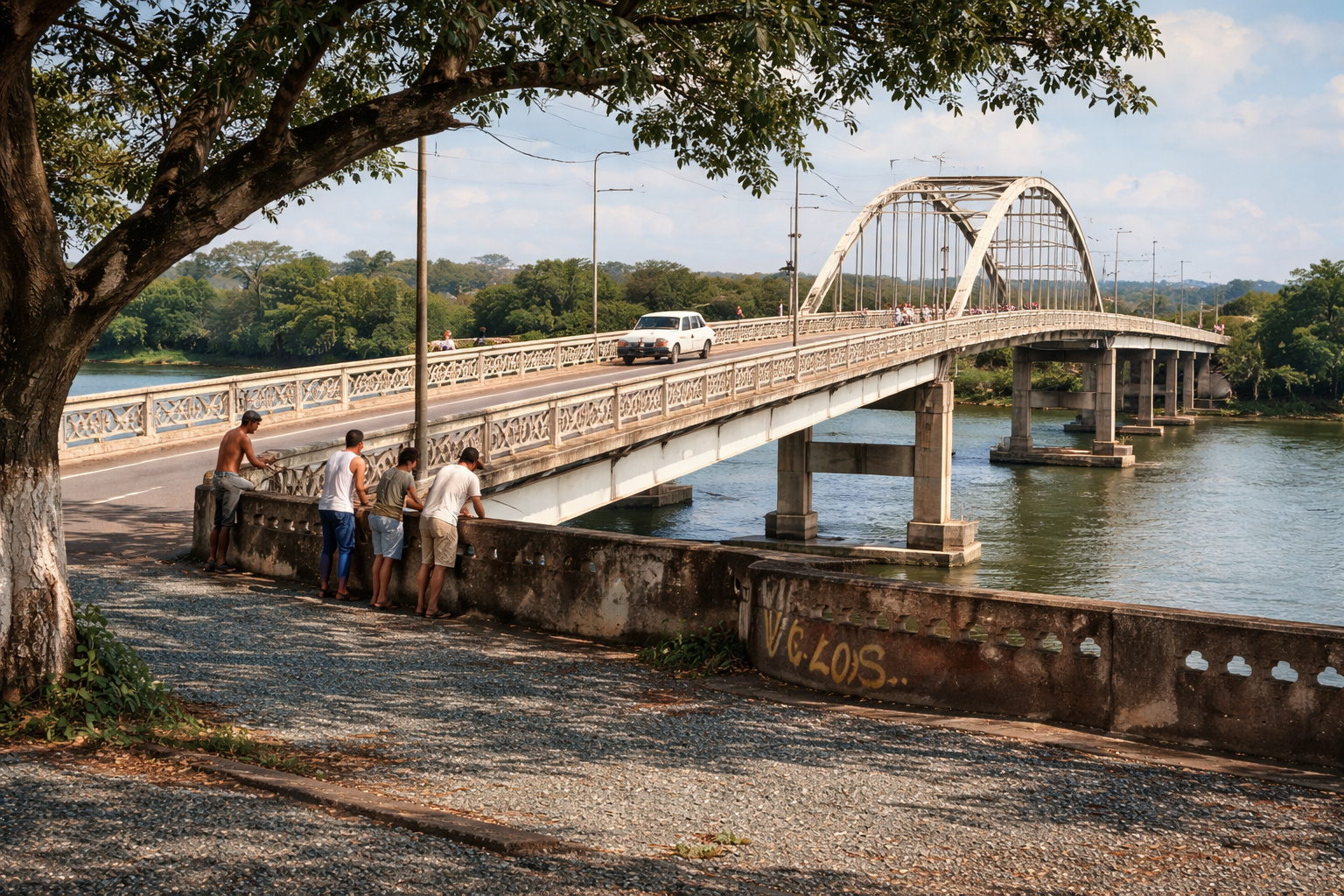
Families have been living for over 30 years under a bridge in Mato Grosso, revealing a housing deficit, irregular occupation in APP, and dependence on fishing as the main source of income.
-
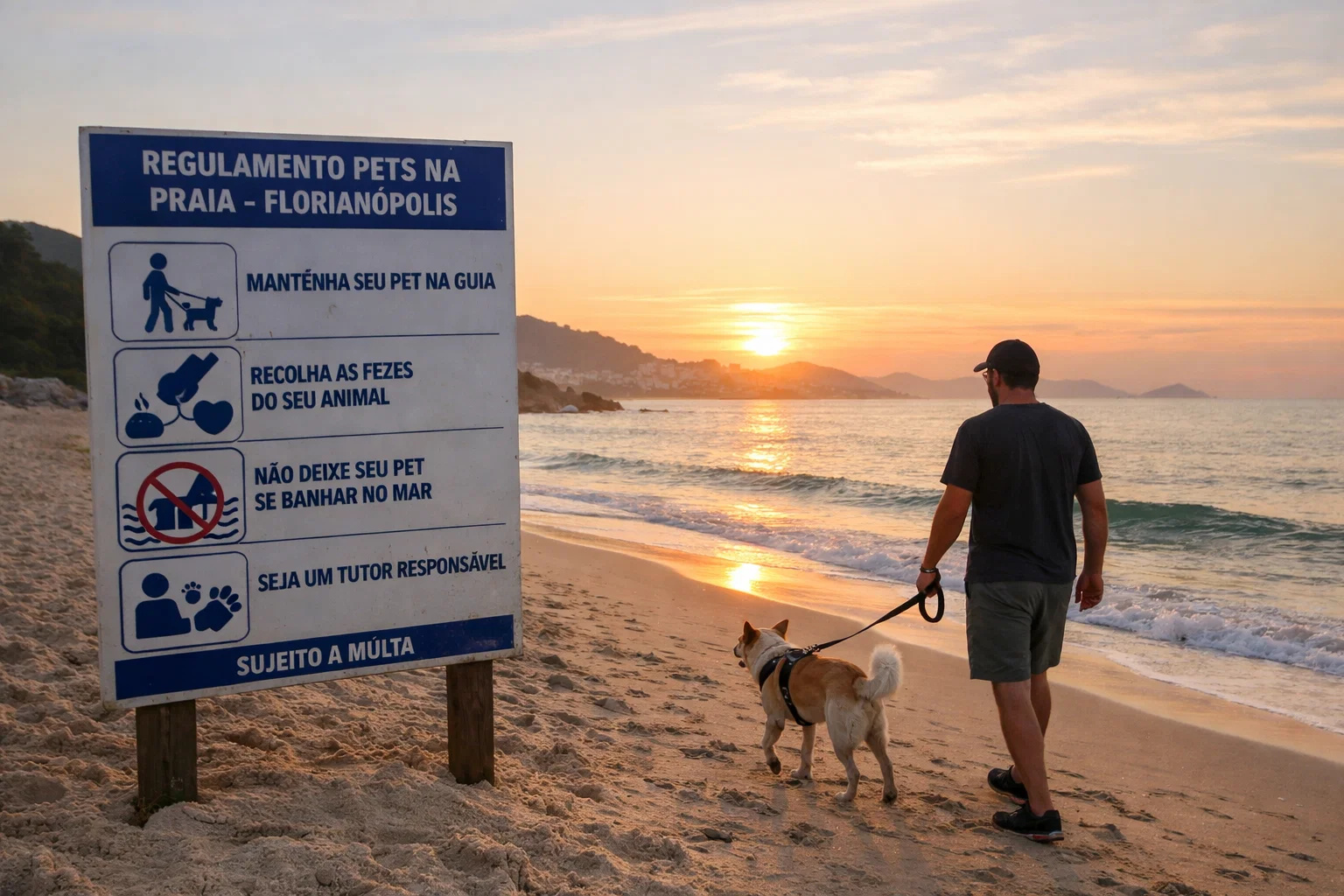
What Changed at Florianópolis Beaches? New Rule Surprises Pet Owners and Restricts Dogs on the Sand at Specific Times
-
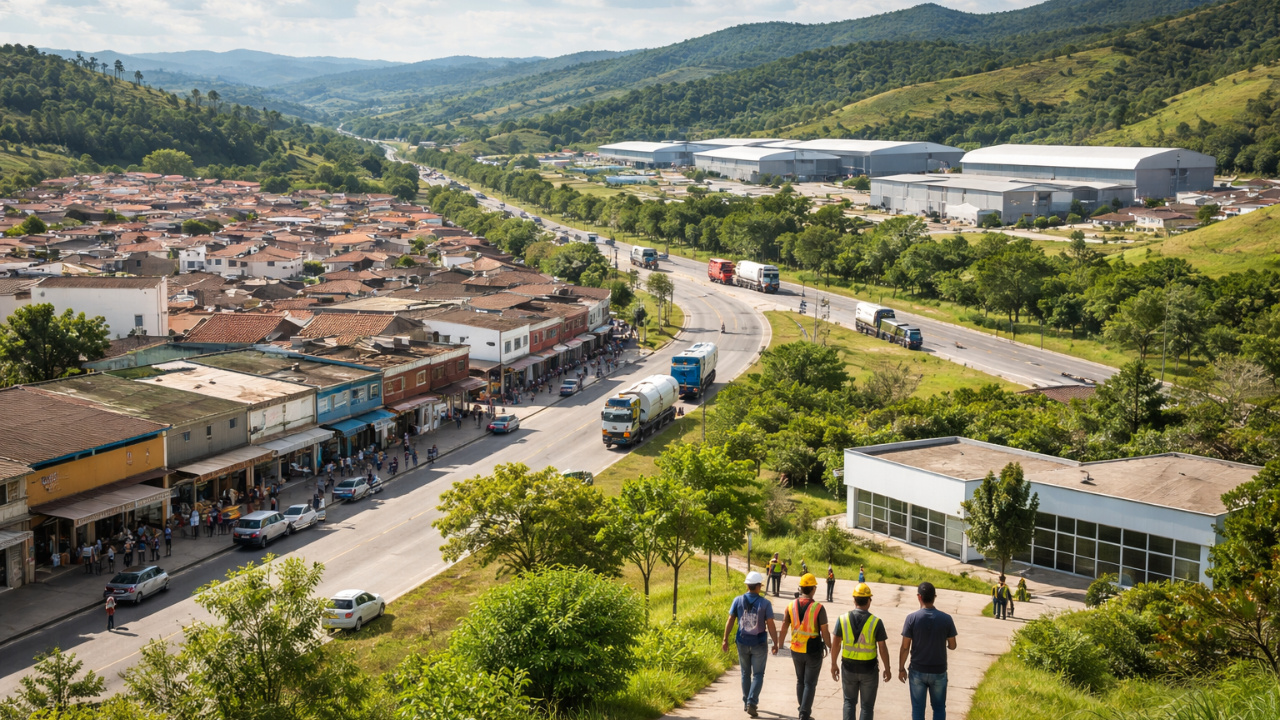
Economic Diversification Accelerates in Itatiaiuçu to Reduce Mining Dependence
-
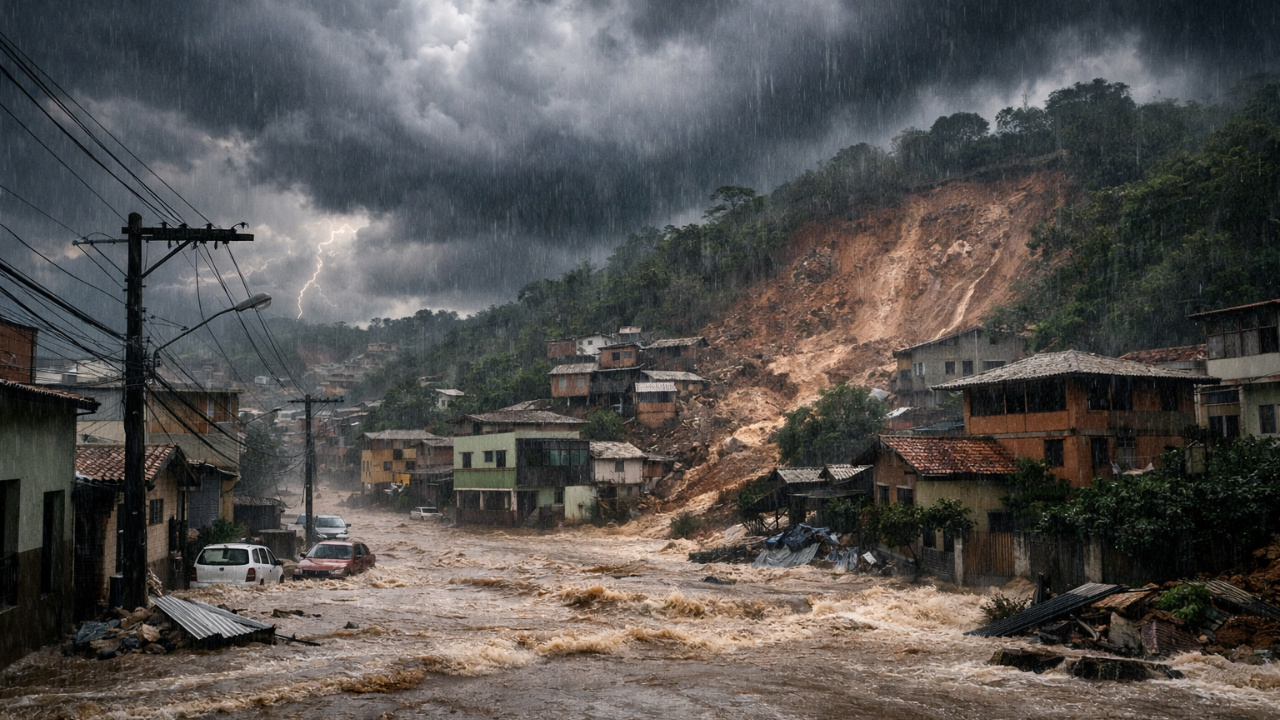
Extreme Rains: Cold Front, Supercell, and Atmospheric Trough Cause Tragedy in MG

The event had been held for a decade at Arakurayama Sengen Park and attracted crowds interested in the panoramic view of the pagoda with Mount Fuji in the background.
However, the rapid growth of excessive tourism turned what was once a cultural promotion into a source of urban tension.
The measure aims to protect residents and preserve living conditions.
Misbehaving Tourists Motivated Unprecedented Decision
According to authorities, the behavior of some visitors was decisive for the canceled festival.
Residents reported recurring incidents of trespassing on private properties and illegal waste disposal.
Reports indicate that tourists even entered homes without permission.
In more serious situations, there were reports of visitors “trespassing, littering, and defecating in private yards, creating a commotion when residents complained.”
Mayor Shigeru Horiuchi acknowledged the worsening situation.
“We have a strong sense of crisis,” he stated. He added: “To protect the dignity and living conditions of our citizens, we decided to suspend the festival, which had been held for ten years.”
Cherry Blossom and Mount Fuji Fueled Tourism Explosion
The visual appeal of the cherry blossom, known as sakura, is one of Japan’s greatest cultural symbols.
During spring, the landscape of Fujiyoshida gains international prominence, especially due to its composition with Mount Fuji in the background.
This scenery then became highly shareable on social media.
Arakurayama Sengen Park, open to tourism since the 2016 season, features viewpoints considered “Instagrammable.”
The initial strategy aimed to create a “dynamic atmosphere on-site” and stimulate the regional economy.
However, the success surpassed any logistical forecasts.
Number of Visitors Exceeded City Capacity
Official data indicates that around 10,000 people visit Fujiyoshida daily at the peak of the cherry blossom season.
This volume is significant for a city with approximately 44,000 inhabitants.
According to the municipal government, the flow “increased exponentially, exceeding the city’s capacity to accommodate them and resulting in excessive tourism, with serious impacts on the living conditions of local residents.”
Among the factors driving demand are the depreciated yen and the global popularization of the destination on social media.
Even with Canceled Festival, City Expects New Wave of Tourists
Despite the canceled festival, the city hall is already preparing for a new increase in visitors between April and May.
Thus, the expectation is that tourists will continue to travel to the region to see the cherry blossoms, even without an official schedule.
Operational measures and flow control must be reinforced to minimize urban and environmental damage.
Japan Has Already Adopted Barriers Against Misbehaving Tourists
The case of Fujiyoshida is not isolated.
In 2024, authorities in Fujikawaguchiko installed a dark barrier to block the view of one of Mount Fuji’s most sought-after photo spots.
This action aimed to contain misbehaving tourists who generated litter, parked illegally, and disrespected private properties in search of the perfect picture.
Thus, the initiative gained international attention and highlighted the challenge of balancing tourism promotion and quality of life.
Excessive Tourism Also Pressures European Destinations
The phenomenon is not limited to Japan.
In Italy, authorities began charging an access fee to the observation area of the Fontana di Trevi in Rome.
Thus, the 2 euro fee aims to limit crowds and fund the maintenance of historical heritage.
In Venice, day visitors will pay between 5 and 10 euros, depending on the advance of their reservation, on specific high-season dates.
These measures reflect a global trend: iconic destinations face difficulties managing excessive tourism without jeopardizing infrastructure and residents.
Global Challenge: Preserve Attractions Without Sacrificing Residents
The canceled festival in Fujiyoshida symbolizes a growing dilemma in the tourism sector.
On one hand, there are economic benefits and international visibility.
On the other hand, urban, environmental, and social pressures arise.
This case reinforces the need for tourist carrying capacity policies — a concept that defines the sustainable limit of visitors in a destination.
Meanwhile, the image of Mount Fuji surrounded by cherry blossoms continues to attract the world.
However, now, under stricter rules to protect those who live there year-round.
See more at: Japan: City Cancels Cherry Blossom Festival Due to Misbehavior of Visitors – BBC News Brasil








Seja o primeiro a reagir!