





 English
  Francês
  Alemão
  Italiano
  Japonês
  Norueguês
  Portuguese
  Spanish
  4 min of reading
  1 comment


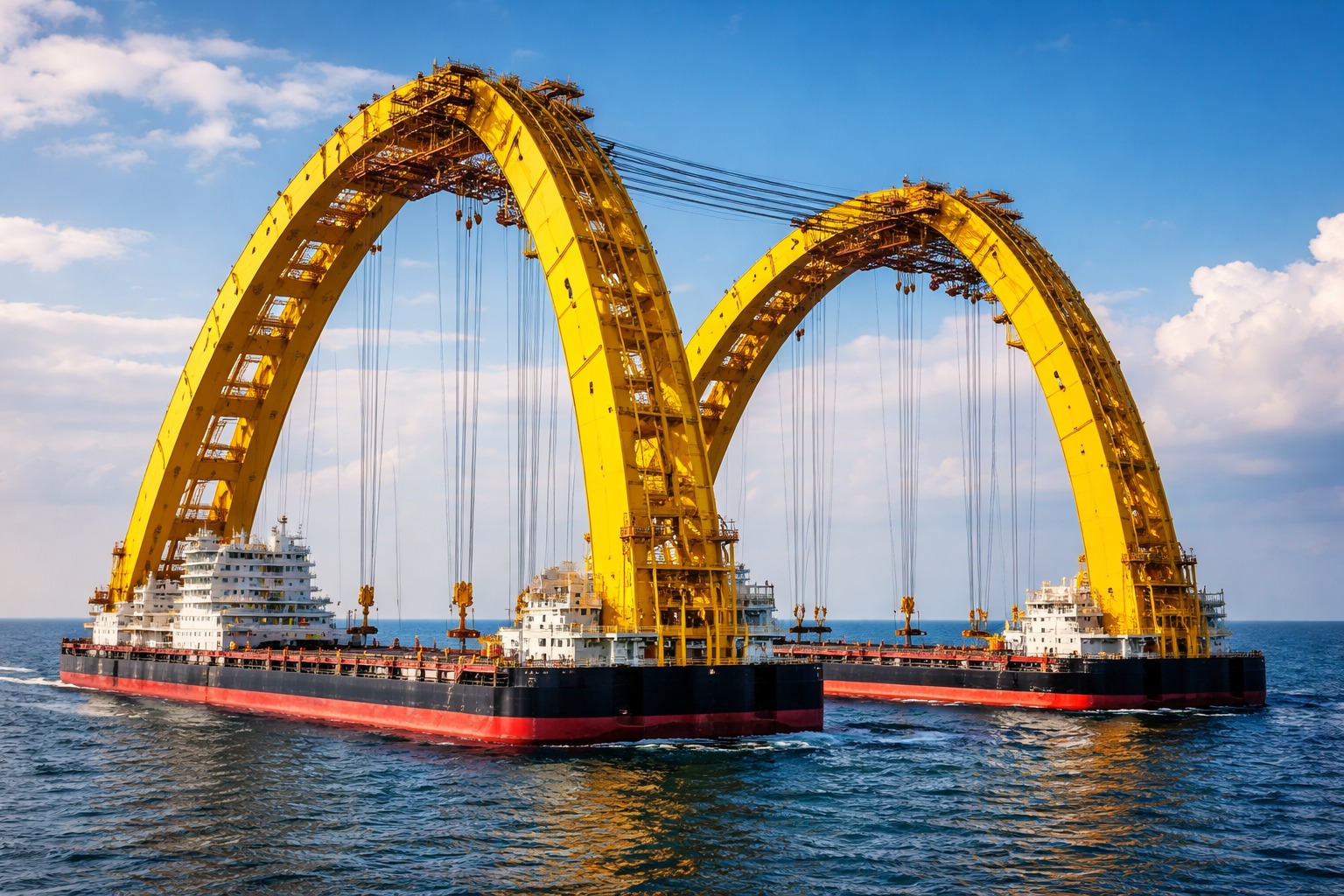


Giant Catamaran TX-10,000, with 73-Meter Lattices and a Capacity to Lift 7,500 Tons, Designed to Recover Entire Offshore Platforms in the Gulf of Mexico
The TX-10,000 is one of the largest heavy lift systems ever built for offshore operations. Designed to recover large submerged structures, such as damaged or capsized oil rigs, it utilizes a catamaran concept with a double gantry mounted over two parallel barges.
The vessel was developed by the American company Versabar and represents a direct evolution of the previous system known as VB-4000, nicknamed “Bottom Feeder.”
The project arose to solve a recurring problem in the Gulf of Mexico: the recovery of giant structures after accidents or hurricanes.
-
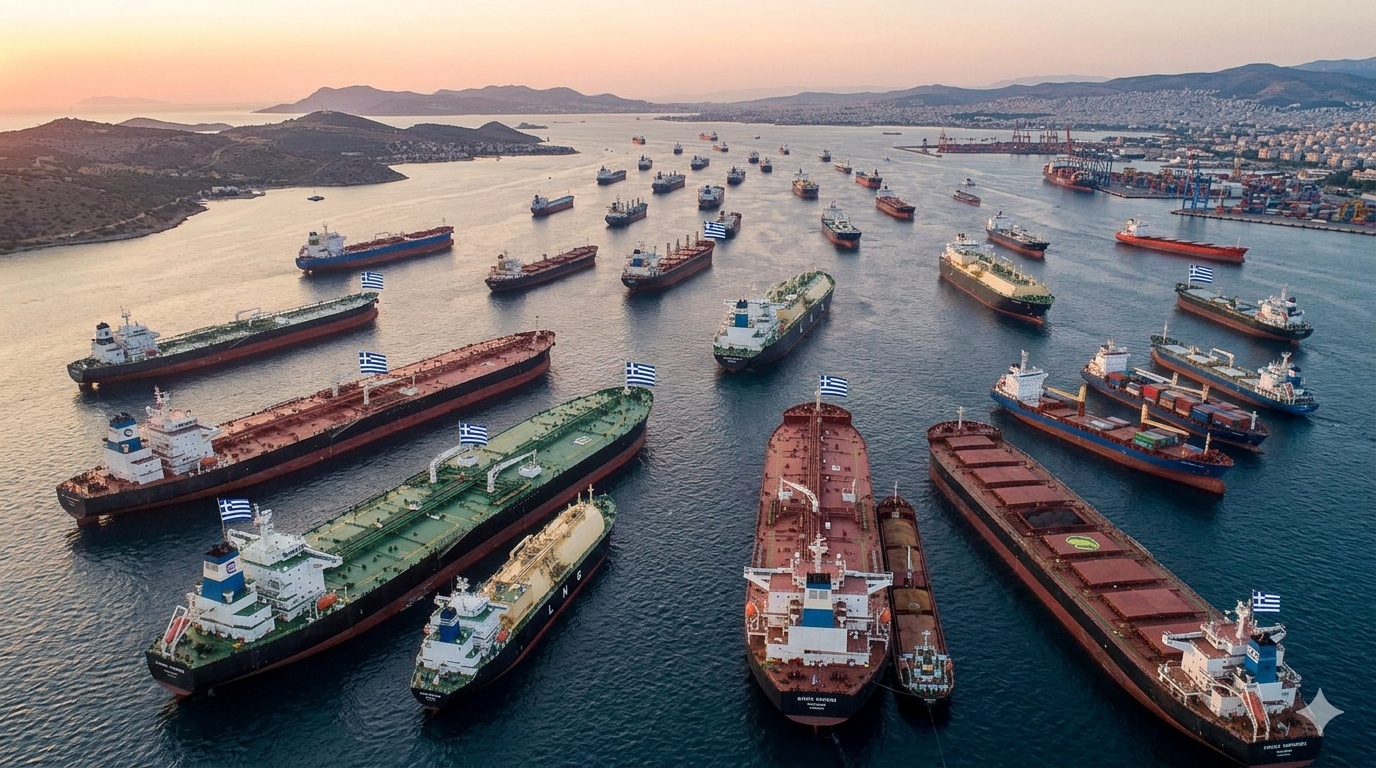
Neither the USA nor China: a small European nation has become one of the largest maritime powers on the planet, controlling one of the largest merchant fleets in the world with thousands of ships and dominating the global transportation of oil and strategic cargo.
-
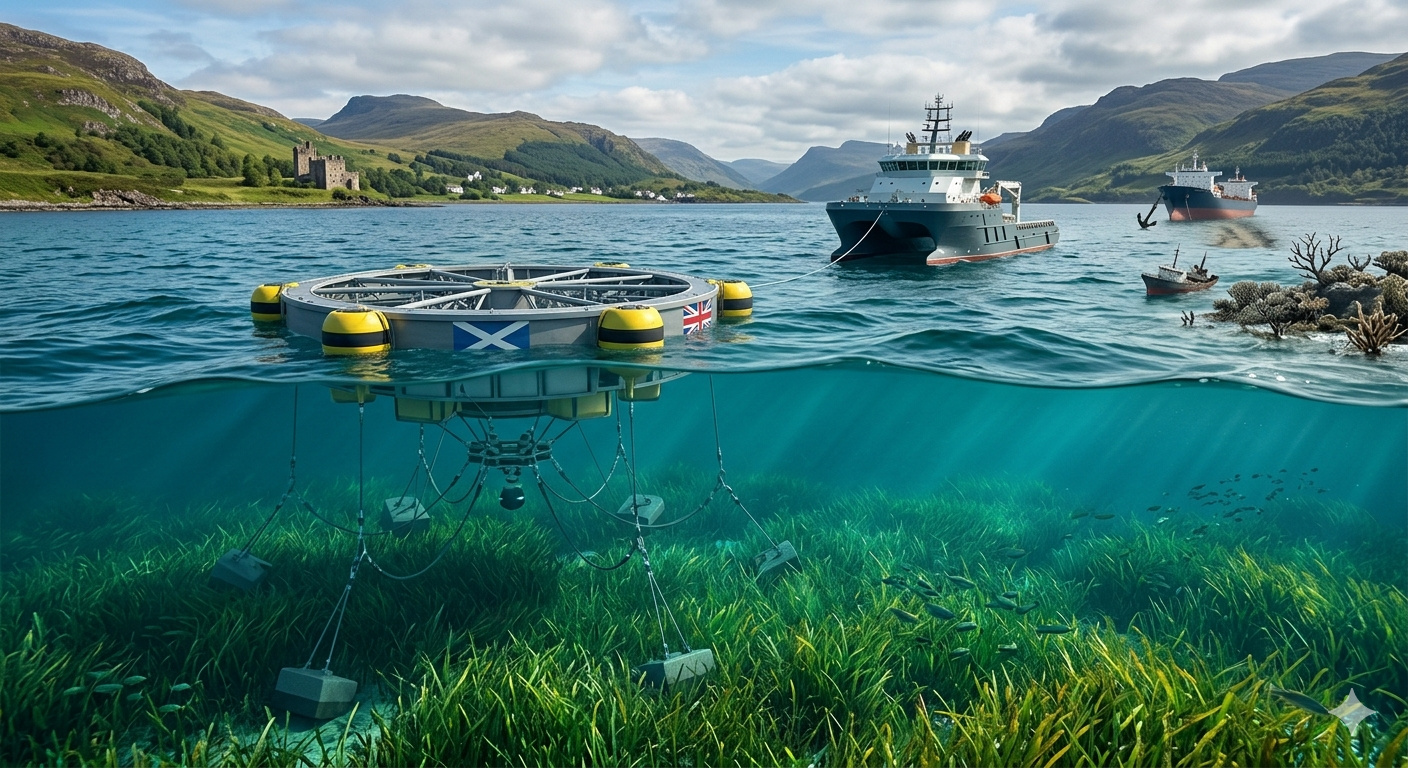
Scotland and the United Kingdom have created a new anchoring system that floats in the water without touching the seabed, after discovering that the current from a conventional anchor destroys up to 50 m² of seagrass meadow per event and that ship-damaged reefs showed no signs of recovery even ten years later.
-
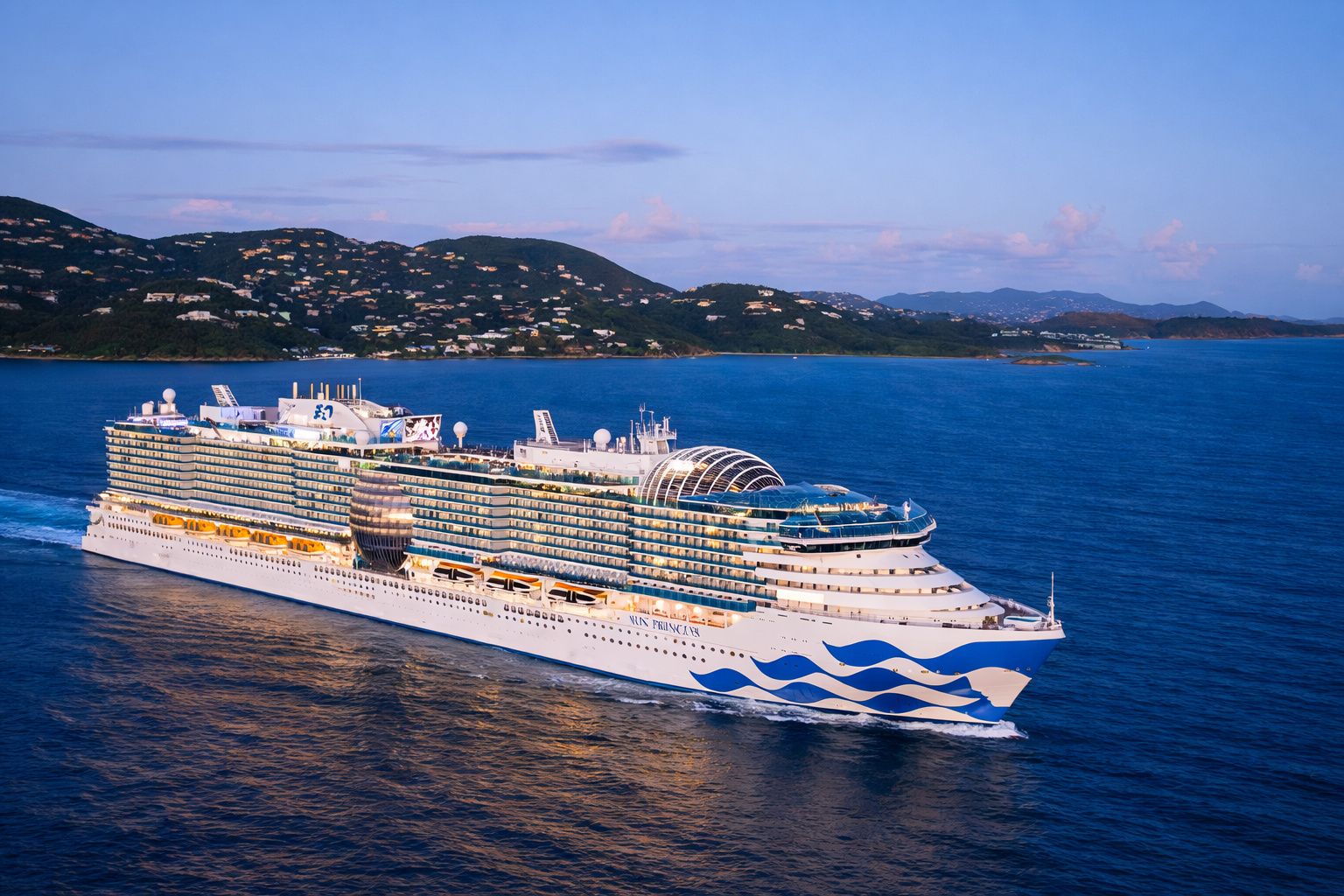
Weighing 175,500 Tons, Measuring 345 Meters Long, and With Capacity for Over 4,300 Passengers, the Sun Princess Becomes the Largest Ship Ever Built by Princess Cruises and Attracts Global Attention for Its Huge Glass Dome Inspired by Santorini’s Architecture Installed on Top of the Vessel
-
S 80 Submarines Get Technological Boost With AIP System Catalytic Reactors

Instead of sending divers to cut sunken platforms into small pieces — a time-consuming and risky process — the TX-10,000 allows for lifting large parts of the structure or even entire platforms in a single operation.
This approach drastically reduces the number of deep dives and speeds up the decommissioning process.


Structure and Dimensions
The most striking feature of the TX-10,000 is its structure composed of two gigantic metal trusses mounted on two independent barges. Together, they form a system similar to a giant floating gantry.
Each truss reaches approximately 73 meters in height, equivalent to a building with more than 20 floors.
The maximum operating hook height is about 54 meters above the water level.
The trusses are supported on two barges that function as the hulls of the system. Each barge measures about:
- 91 meters in length
- 22 meters in width
Between the two hulls, there is a free space of approximately 49 meters, forming a large central corridor.
This space allows a transport barge to be positioned between the two structures after the material is retrieved from the seabed. Thus, the load can be directly deposited onto another vessel for transport.
Weight and Materials
The construction of the TX-10,000 required enormous metal structures. Each of the two main trusses weighs about 3,400 tons, making it one of the largest lattice structures ever installed on offshore vessels.
Due to the extreme weight, each truss had to be built in two separate sections, later joined by welding.
This division was necessary because no crane available at the shipyard had the capacity to lift a complete truss at once.
The structures use heavy structural steel in a space truss format, a system that distributes forces along multiple points of the structure. This shape allows for supporting gigantic loads while maintaining stability.
Articulation and Stability System
The trusses are not rigidly fixed to the barges. They utilize a system of special structural hinges, designed to partially decouple the movement of the trusses from the movement of the barges in the sea.
Each connection has sides called “wide” and “narrow”, allowing different degrees of rotation. This system reduces structural stresses when the vessels move due to waves.
The hinges use Orkot composite bearings, developed by Trelleborg. These components provide greater durability and lower maintenance needs compared to traditional metal bearings.
Lifting Capacity
The TX-10,000 has an extremely high lifting capacity. The system can lift about:
7,500 tons in a single operation
This capacity is nearly double that of Versabar’s previous system, the VB-4000, which could lift about 4,000 tons.
This lifting power allows the recovery of large sections of oil platforms, steel jackets, or other structural components without the need for underwater disassembly.
Positioning System
To maintain stability during operations, each barge has four dynamic positioning thrusters, each with approximately 750 kW (1,000 hp) of power.
This system allows the vessel to remain almost motionless over the work point, without the need for anchors or mooring cables.
The system follows the DPS-3 standard of ABS, one of the highest classifications for dynamic positioning in offshore vessels.
Submerged Capture System: “The Claw”
One of the tools associated with the TX-10,000 is a device called “The Claw”. It is a submersible capture system designed to grab structures on the seabed without the need for divers.
Each gantry of the TX-10,000 can operate one Claw unit. Each device is capable of lifting about 2,000 tons at depths of up to 110 meters.
The Claw itself weighs approximately 1,000 tons, which demonstrates the scale of the operations for which the system was designed.
Construction and Start of Operation
Construction took place at the Gulf Marine Fabricators shipyard in Aransas Pass, Texas. After assembly and structural tests, the TX-10,000 was launched at sea in October 2010.
During its initial tests, each gantry was subjected to loads of approximately 2,740 tons, ensuring structural integrity before actual operations.
Just days after entering operation, the system performed its first jobs in the Gulf of Mexico, recovering large structures from platforms damaged by storms and accidents.
Today, the TX-10,000 remains as one of the largest and most powerful heavy lift systems ever built in the United States, specifically designed to handle gigantic structures in the offshore environment.
Information from Wikipedia.








O transoceânico do Mc Donald’s levando hamburgers pesadíssimos por aí. Pena que esse site tem tantas milhares de propagandas irritantes e invasivas que fica com uma faixa de 1 centímetro no celular pra conseguir ler ou entender alguma coisa.