





 Português
  Inglês
  Espanhol
  3 min de leitura


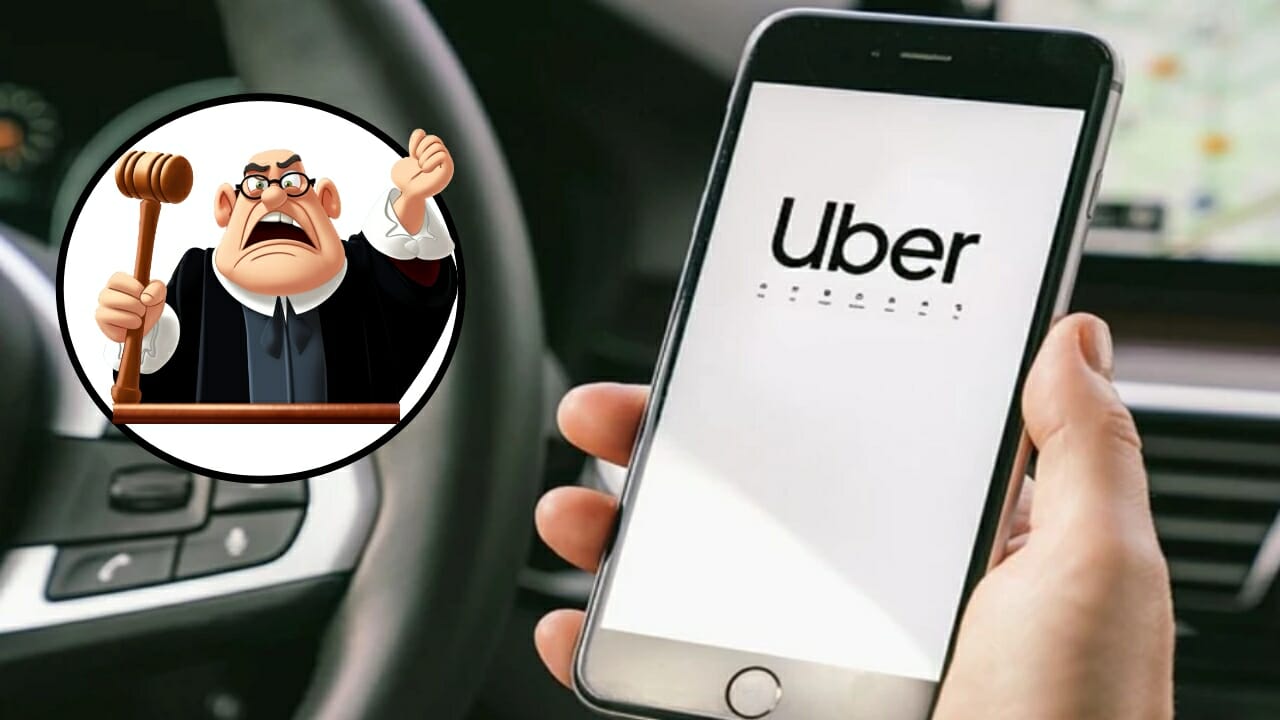
Uber Will Also Have to Pay a Daily Fine of R$ 10 Thousand for Each Unregistered Driver; Decision Promises to Revolutionize the Relationship Between Ride-Hailing Companies and Their Drivers.
Uber, the technology giant in urban private transportation, is in the midst of an epic legal battle following a ruling by Labor Judge Maurício Pereira Simões from the 4th Labor Court of São Paulo. The ruling, which orders the company to hire all drivers registered on its platform and pay a fine of R$ 1 billion for collective moral damages, has shaken the foundations of the ride-hailing sector in Brazil.
The recent court verdict took everyone by surprise. Under orders from the Public Prosecutor’s Office of Labor in the 2nd Region, the judge determined that Uber is obliged to hire all drivers registered on its platform, a measure that not only challenges the business logic of the tech giant but also raises questions about the future of the app-mediated work model. The company is also facing a daily fine of R$ 10 thousand for each unregistered driver.
Public Prosecutor’s Office Claims That the Company Denies Drivers Labor Rights
The civil public action filed by the Public Prosecutor’s Office of Labor is based on the allegation that Uber does not adequately recognize drivers as employees, depriving them of basic labor rights such as paid vacation, health insurance, and job stability. It is argued that the relationship between Uber and its drivers is much more than a mere platform connection; it is, in fact, an employment relationship. This argument has deep roots in concerns about the precarization of work in Brazil and around the world.
-
São Paulo surprises the world with a colossal railway network project that promises over 1,000 km of tracks, R$ 194 billion in investments, and 40 projects connecting the capital to the interior with fast and sustainable trains.

-
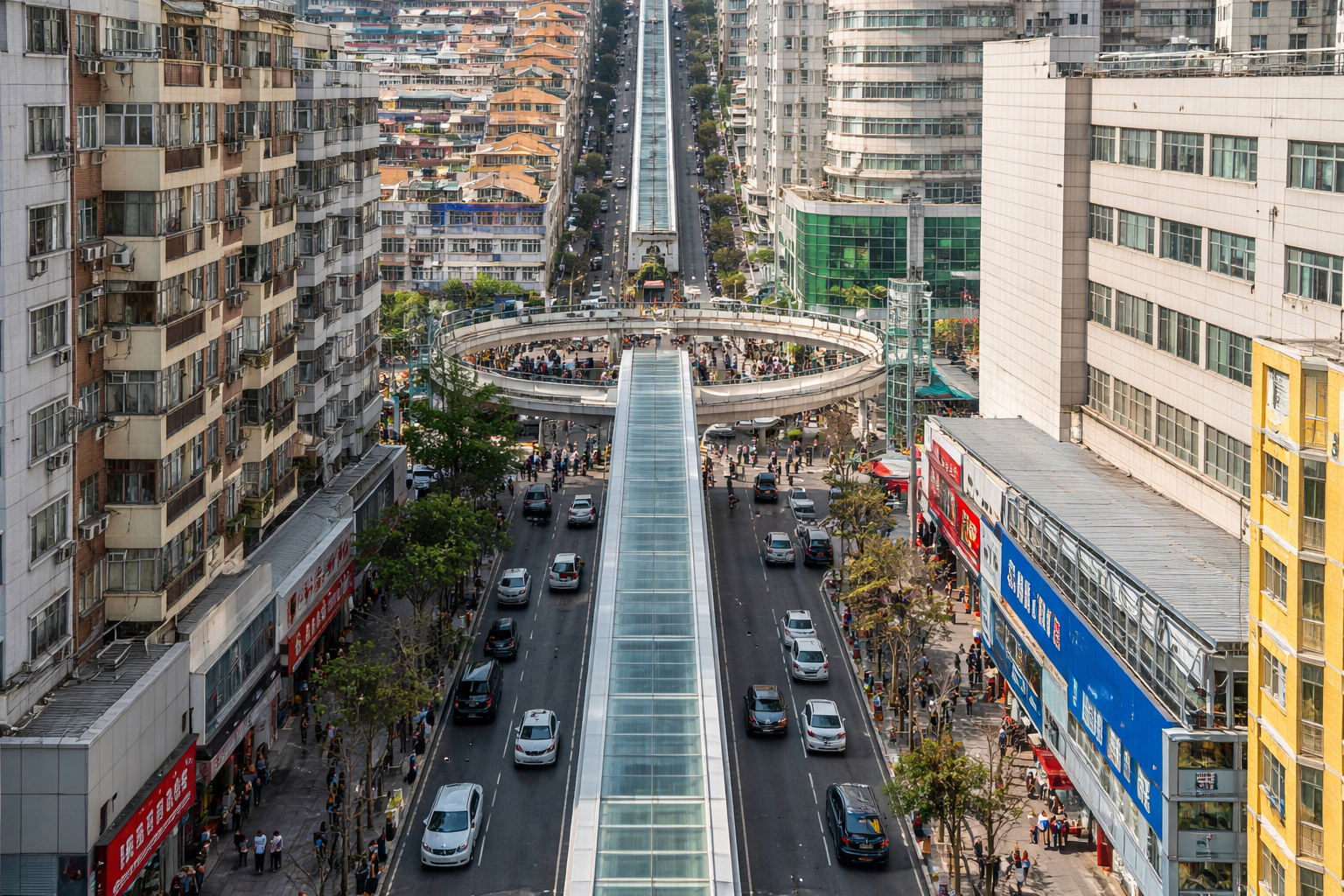
The world’s largest escalator, measuring 905 meters in China, reduces urban travel time from 1 hour to about 20 minutes and transforms mobility in mountainous regions with an engineering solution adapted to the terrain.
-
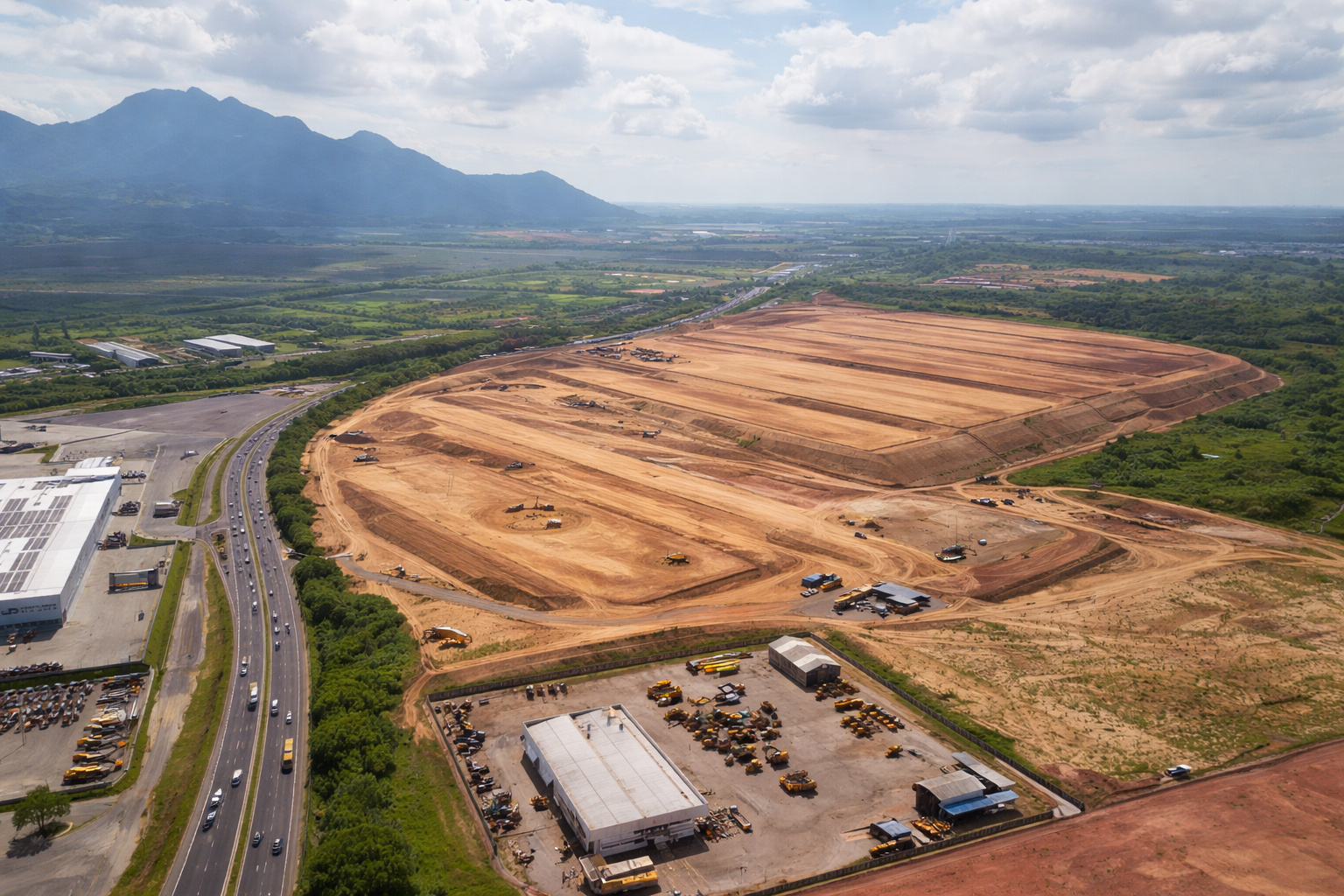
A R$ 300 million logistics giant is taking shape in Serra with over 100,000 m² and raises a question: how can this transform e-commerce and distribution in the state?
-
Could Uber Rides Lose Minimum Fare? Understand What’s Happening!

Uber, for its part, has strongly opposed Judge Simões’ decision. In a statement to the press, the company stated that it will appeal and will not take any action until all available legal remedies are exhausted. The company emphasizes that the decision is an exception to established jurisprudence and questions the lack of proper regulation for the app-mediated work model in the country.
Uber also highlights that the ruling does not take into account the extensive evidence presented in the case and argues that it is based on outdated doctrinal positions. Furthermore, the company points out that the federal government is already seeking to address this legislative gap through Decree No. 11,513, which aims to create regulations for activities conducted through technological platforms.
Other Companies, Such as Ifood, 99, Loggi, and Lalamove, Are on Alert!
The controversy surrounding Judge Simões’ decision not only exposes Uber to significant challenges but also casts a shadow of uncertainty over the entire ride-hailing sector in Brazil. Other companies, such as Ifood, 99, Loggi, and Lalamove, are on alert and are closely watching this case, aware that it could set an important precedent.
The ruling also fuels a broader debate about the nature of work in the contemporary world. With the increasing popularity of sharing economy platforms, courts and legislators face the challenge of balancing technological innovation with protecting workers’ rights.









Seja o primeiro a reagir!