





 Portuguese
  English
  Spanish
  5 min of reading
  0 comments



In Strategy To Avoid Agreement Between The U.S. And Russia, Ukraine Offers Gas, Oil, Iron, And Coal To Donald Trump
The Ukraine is navigating a turbulent political landscape while preparing a strategic plan, known as the “victory plan”, aimed at strengthening its relations with the new government of Donald Trump.
This move reflects both Kiev’s concern to ensure continued support from the United States and the need to adapt to Trump’s foreign policy, a transactional president who evaluates agreements based on direct and tangible benefits for the U.S.

The Ukrainian Strategy: Concrete Proposals For Trump
With Donald Trump’s victory in the 2024 election, the Ukraine found itself facing a new political landscape. Trump, known for his focus on trade deals and promoting American economic strength, could significantly alter the dynamics of the war with Russia and military support for Ukraine.
-
If the USA were to go to war with Brazil, Washington’s greatest fear would not be the attack itself, but facing a vast territory, prolonged resistance, and a costly, chaotic, and unpredictable occupation.

-
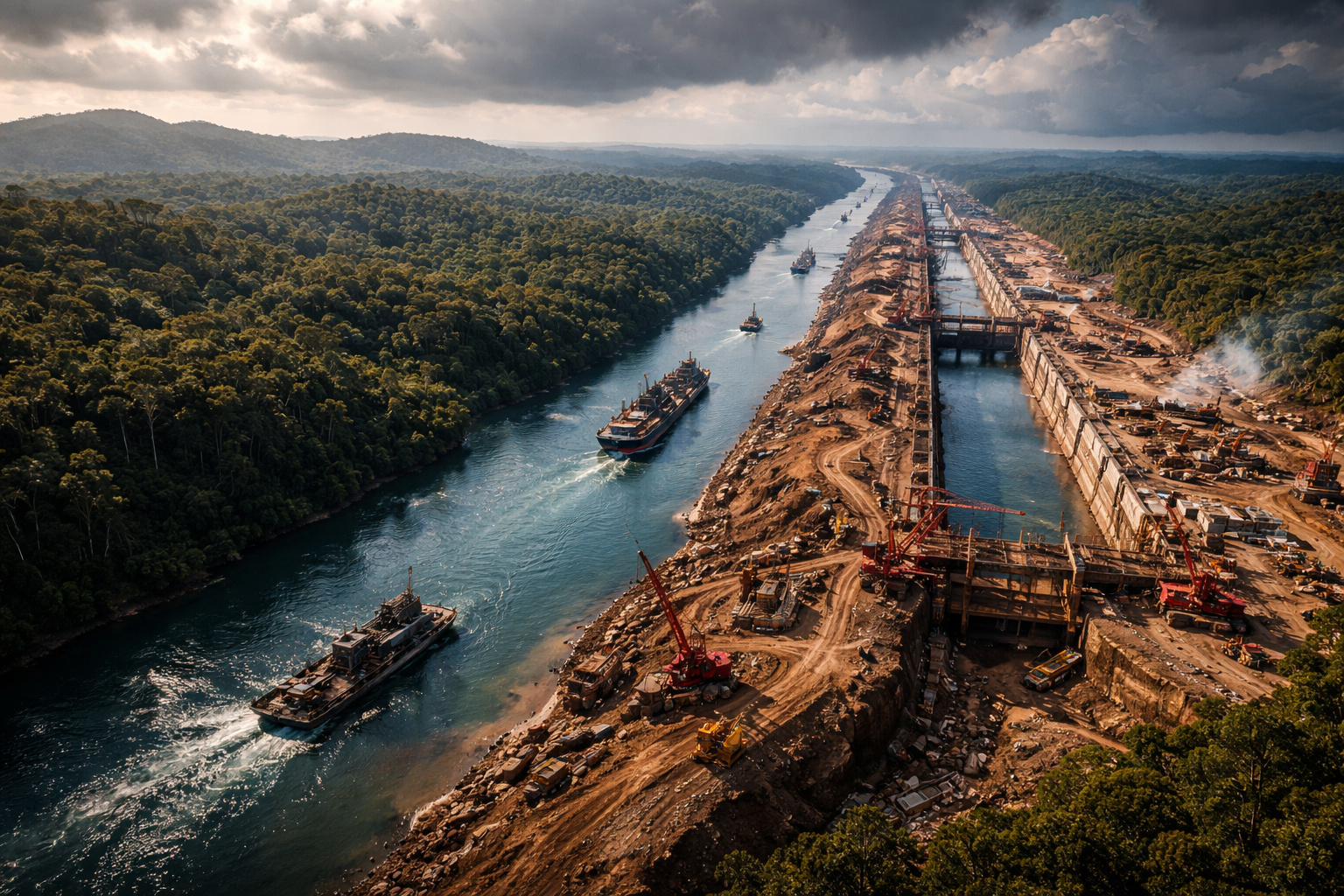
In 2013, Nicaragua sold the concession for a canal to rival Panama to a Chinese billionaire who lost 85% of his fortune, disappeared, and was declared bankrupt. Now the project resurfaces with a new route, a new Chinese partner, and a cost of $64.5 billion.
-
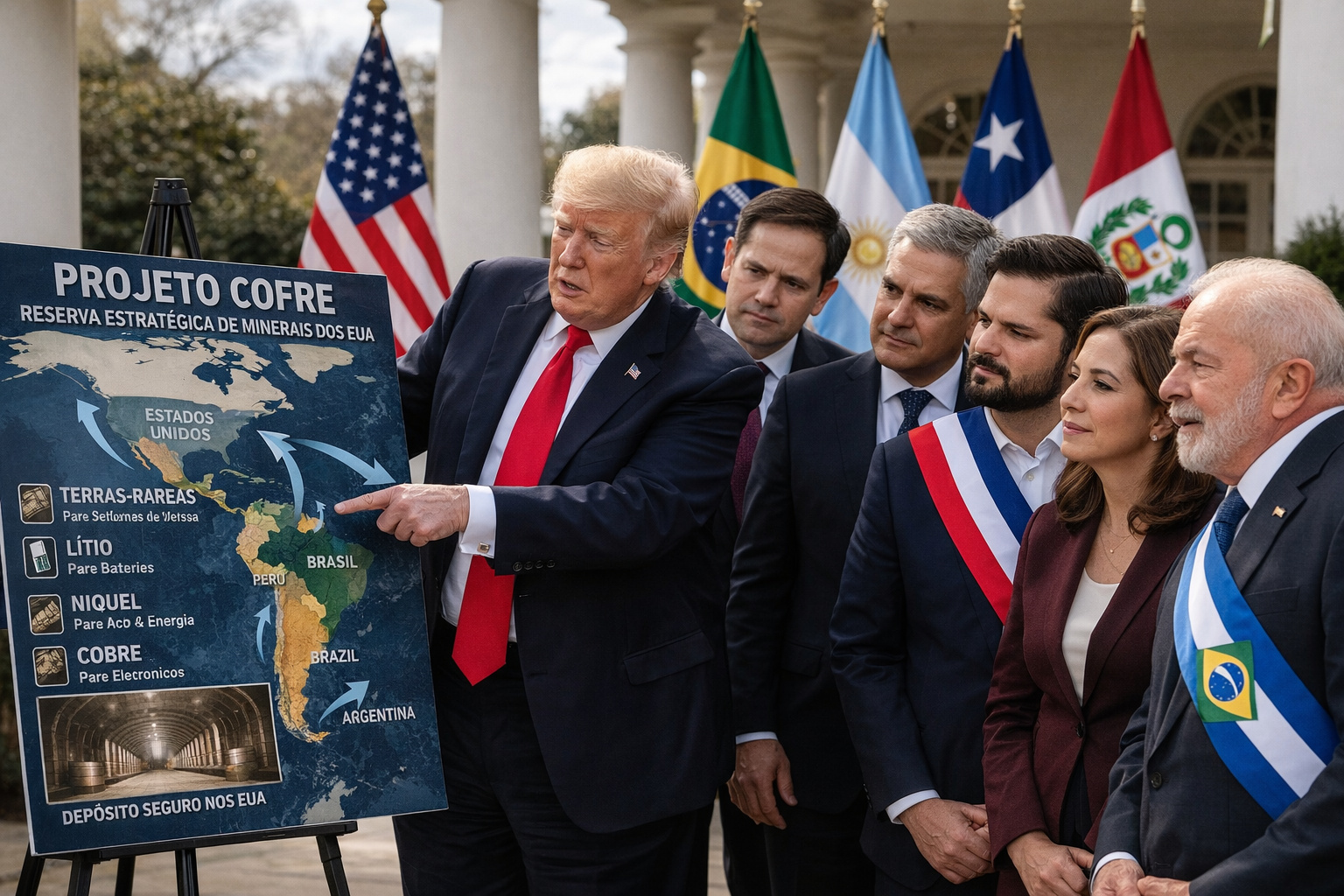
The USA announces a mysterious billion-dollar vault project to store critical minerals, but what intrigues experts is not just the plan itself, but why Latin America, including Brazil, has entered the center of this global dispute against China.
-
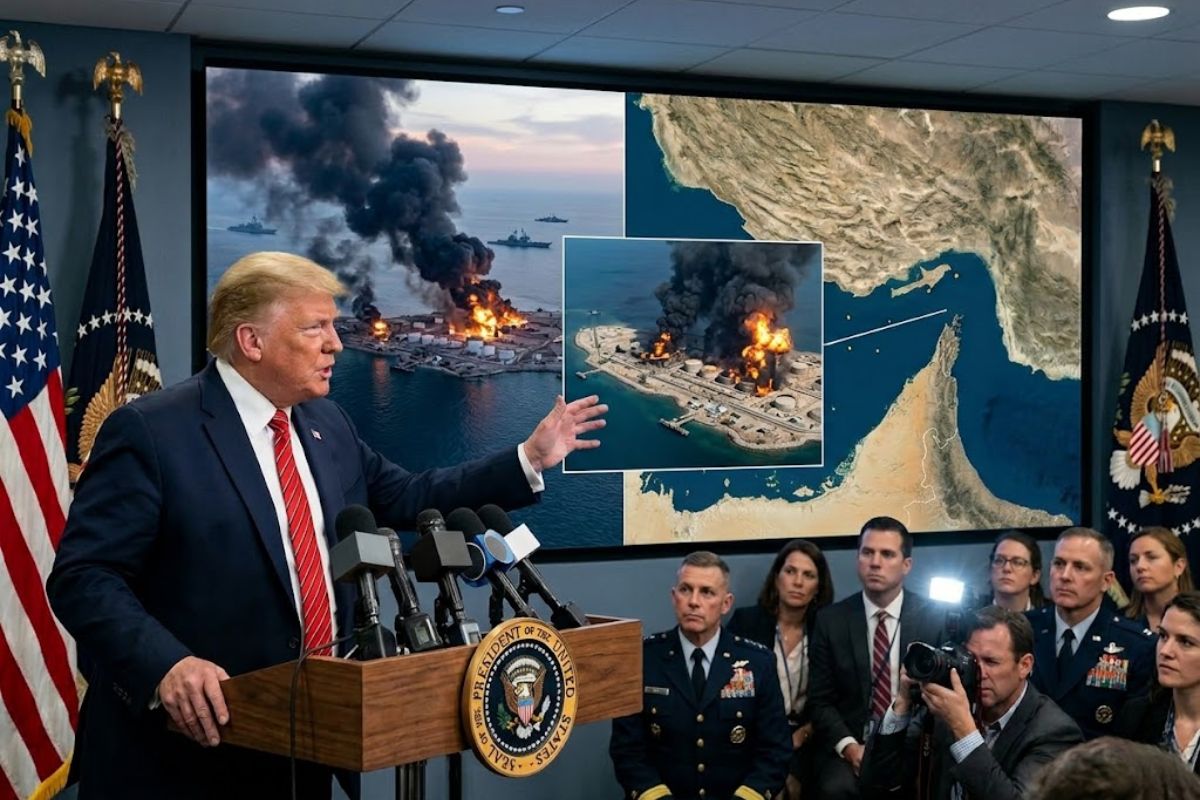
Trump Announces Bombing of U.S. Military Targets on Iranian Island Responsible for About 90% of Iran’s Oil Exports, Warns of Further Attacks if Navigation in Strategic Strait of Hormuz Is Threatened

Ukraine, then, prepared a “victory plan”, highlighting tangible proposals to attract Trump’s support, avoiding a possible reduction in U.S. military assistance.
The “victory plan” includes proposals that combine strategic security and economic issues, offering something that can be appealing to Trump and his administration. Among the most highlighted ideas, two focus directly on how Ukraine can improve its relations with the United States.
The first involves replacing some U.S. troops in Europe with Ukrainian forces, a measure that would have implications for both European security and U.S. military strategies.
The second proposal, initially suggested by Republican Senator Lindsey Graham, proposes greater economic collaboration, with Ukraine sharing its vast natural resources with Western partners, especially the U.S.
These proposals aim not only to strengthen ties between Ukraine and the United States but also to ensure that Washington’s military support does not dwindle in the face of Russian peace overtures. Ukrainian and European allies fear that Trump, in seeking a quick deal with Russia, could be persuaded to cut support for Ukraine, something that would represent a major defeat for the country and its allies.
The Importance Of Ukraine’s Natural Resources
To understand Kiev’s proposals, it is essential to observe the vast stock of natural resources that Ukraine possesses. The country is rich in minerals and fertile soil, resources that are of great interest to the United States and other Western countries.
Among Ukraine’s greatest riches are its enormous reserves of iron ore, coal, natural gas, oil, as well as highly productive soils, such as “chernozem” — black earth that makes Ukraine one of the largest grain exporters in the world.
This mineral and agricultural wealth puts Ukraine in a strategic position in the global landscape, particularly in energy and food industries. The export of wheat, corn, and barley is vital not only for the Ukrainian economy but also for food supply in many regions of the world.
Furthermore, Ukraine plays a significant role in the metals industry and energy production, providing coal and gas to its European neighbors. These reserves offer Trump and the U.S. an opportunity to increase their presence in the region and diversify their resource sources.
The idea of sharing these resources with the United States, as suggested in the “victory plan”, would be a way to attract Western investments and ensure that Ukraine becomes a strategic partner rather than a burden the West, as it has sometimes been portrayed. This could attract more capital and foster a stronger relationship between the two countries.
Kiev’s Concern About A Potential Reduction In U.S. Support
Ukraine, however, is not without its concerns. In confidential talks with Western officials, Ukrainian leaders expressed fears that, after Trump’s inauguration, the United States may reduce its military support.
This concern is not unfounded, as Trump, in his first term, adopted a pragmatic approach with Russia, which fuels suspicions that he may attempt to reach a peace agreement favoring Moscow.
The fear is that, under pressure from Putin, who has shown interest in negotiating a peace agreement involving concessions, the United States may yield to a solution favorable to Russia, ignoring the needs and interests of Ukraine. As sources involved in strategic planning say, “the first to blink loses this game”, referring to the increasing pressure that Moscow could apply.
This situation is even more complex when considering Russia’s role in the scenario. Putin, who has already shown willingness to negotiate with Trump, is leveraging military advantage on the battlefield and could use his strength to force concessions during any negotiation. The expectation is that Russia will be in a position to push for an agreement that meets its demands, especially regarding NATO’s military presence in Europe and the autonomy of neighboring countries.
Trump And Ukraine: Negotiations And Dilemmas
The relationship between Trump and Ukraine is far from simple. While the Ukrainian government seeks to get closer to Trump and his Republican allies, there is a complex web of interests that needs to be navigated. Ukraine not only needs to secure military support but also must meet the demands of a transactional president looking for concrete benefits in any agreement.
For example, Trump has shown interest in ensuring more American investments in Ukraine, especially in strategic sectors such as technology, telecommunications, and infrastructure. In a symbolic gesture, Ukrainian business leaders have even proposed the creation of an “investment screening” mechanism, allowing Trump to choose who can do business in the country, with an emphasis on excluding China from these negotiations. This proposal, still in its early stages, could attract more U.S. investors and reduce Ukraine’s reliance on Chinese suppliers.
However, as Kiev attempts to please Trump, it also needs to maintain a balance with its internal expectations and its relations with Europe. Ukraine’s NATO membership, for example, remains a sensitive point, and Ukrainian authorities know they must walk a fine line to ensure continued support from Western allies without alienating the United States.
The Way Forward For Ukraine And Trump’s Challenges
The future of Ukraine will depend on how it manages to shape its relationship with the Trump administration, facing internal and external challenges while seeking to ensure its security and prosperity. The strategy of appeasing Trump’s concerns by offering strategic resources and proposing mutually beneficial security solutions may be the key to securing a solid partnership with the U.S.
But this relationship is far from simple. In a landscape of tough negotiations, Ukraine will need to maintain its firm stance against Putin and not give in to external pressures that could undermine its independence and sovereignty.
The “victory plan” may be an important step, but the real challenge will be navigating the complex power dynamics and ensuring that Ukraine’s interests are respected in any agreement.
If Trump and Ukraine can build a strong partnership, this could not only benefit Ukraine but also represent a victory for U.S. geopolitics in Eastern Europe. However, the stakes are high, and the future of the region remains uncertain.







Seja o primeiro a reagir!