





 Portuguese
  English
  Spanish
  2 min of reading
  0 comments


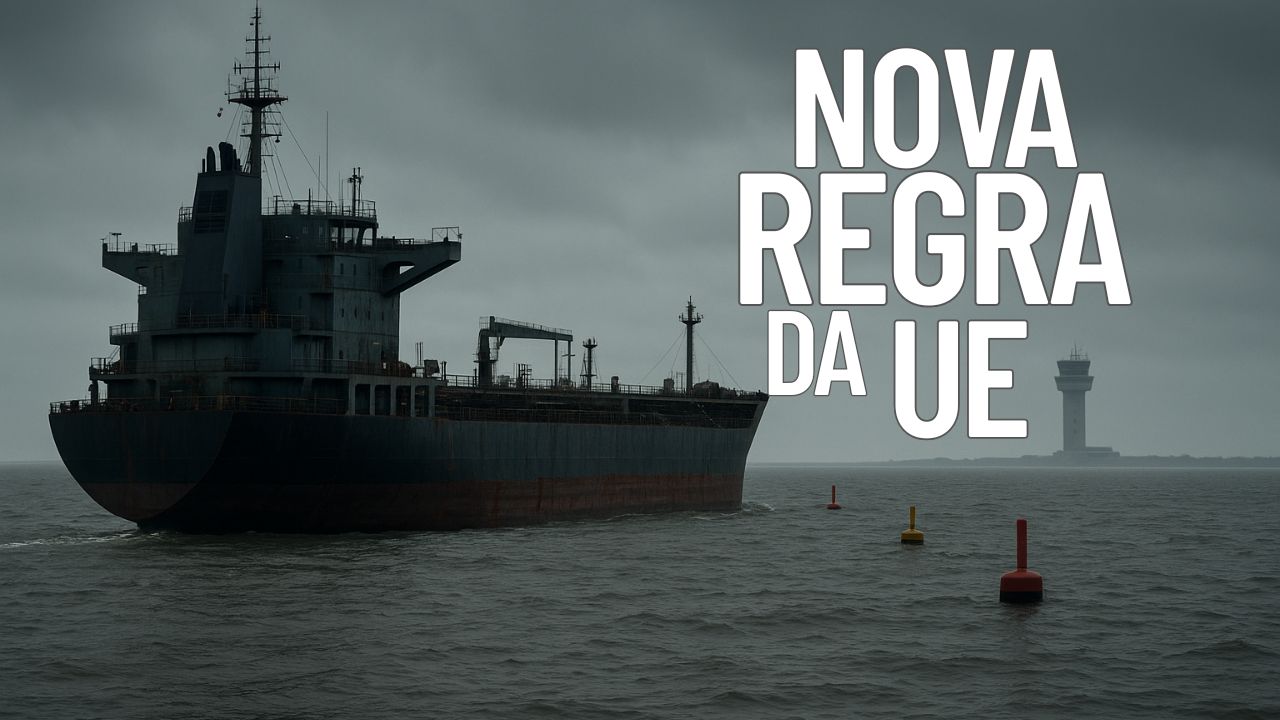
Regulation Aims to Contain Environmental Risks and Weaken Russian Shadow Fleet that Circumvents International Sanctions
The European Union (EU) has tightened navigation regulations, requiring all ships crossing its territorial waters to prove valid insurance, even if they do not dock at its ports. The measure directly targets Russia’s shadow fleet, made up of irregular oil tankers attempting to evade sanctions imposed by the West.
EU Strengthens Maritime Control with Insurance Requirement
The new EU directive modifies regulation 2022/59/EC, mandating that any ship, including those merely transiting, present valid insurance documentation. According to the specialized portal Offshore Energy, the proposal primarily focuses on vessels operating outside international standards, such as those in the Russian shadow fleet, which tend to navigate with tracking systems turned off and without adequate insurance.
These vessels pose elevated risks to safety and the environment, especially as they are often old, poorly maintained, and linked to anonymous operators. The EU wants to prevent a potential accident involving these ships from causing ecological disasters in its waters.
-
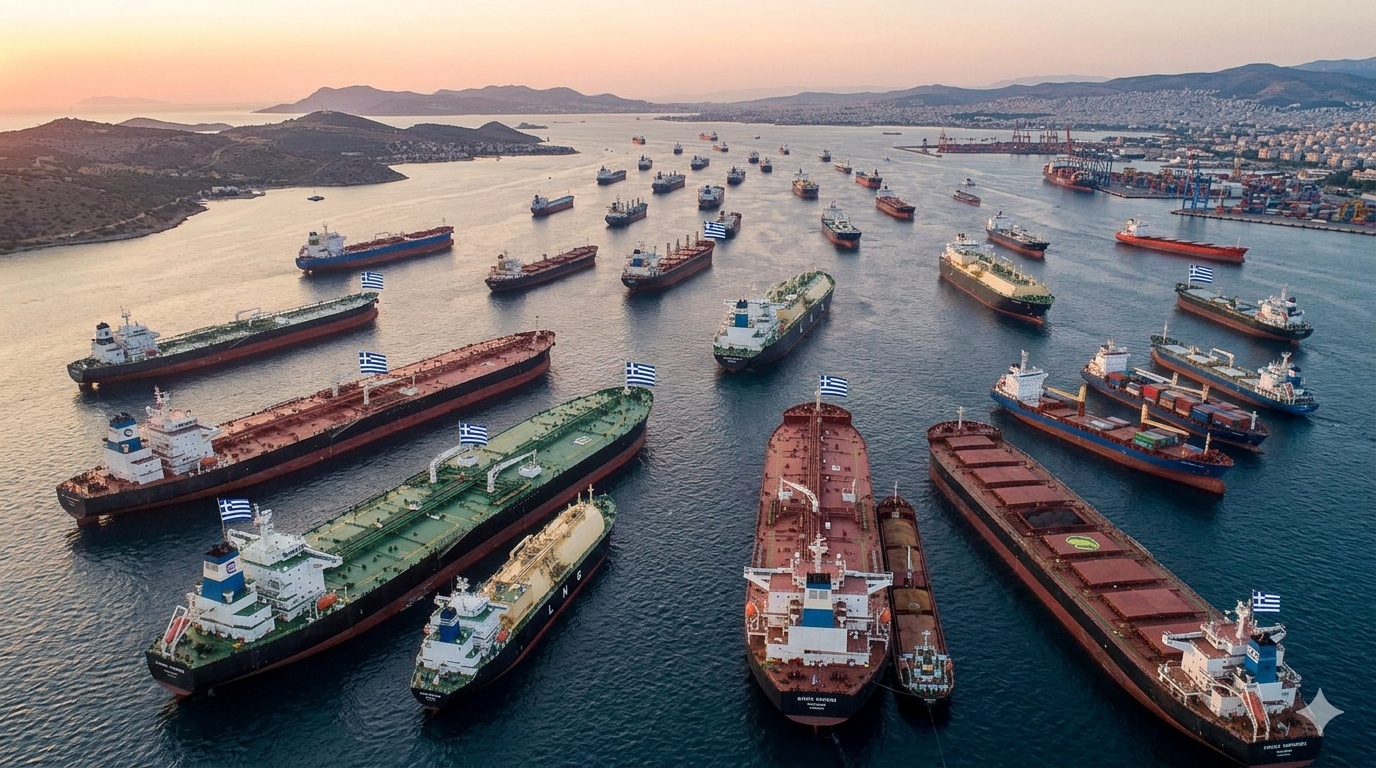
Neither the USA nor China: a small European nation has become one of the largest maritime powers on the planet, controlling one of the largest merchant fleets in the world with thousands of ships and dominating the global transportation of oil and strategic cargo.
-
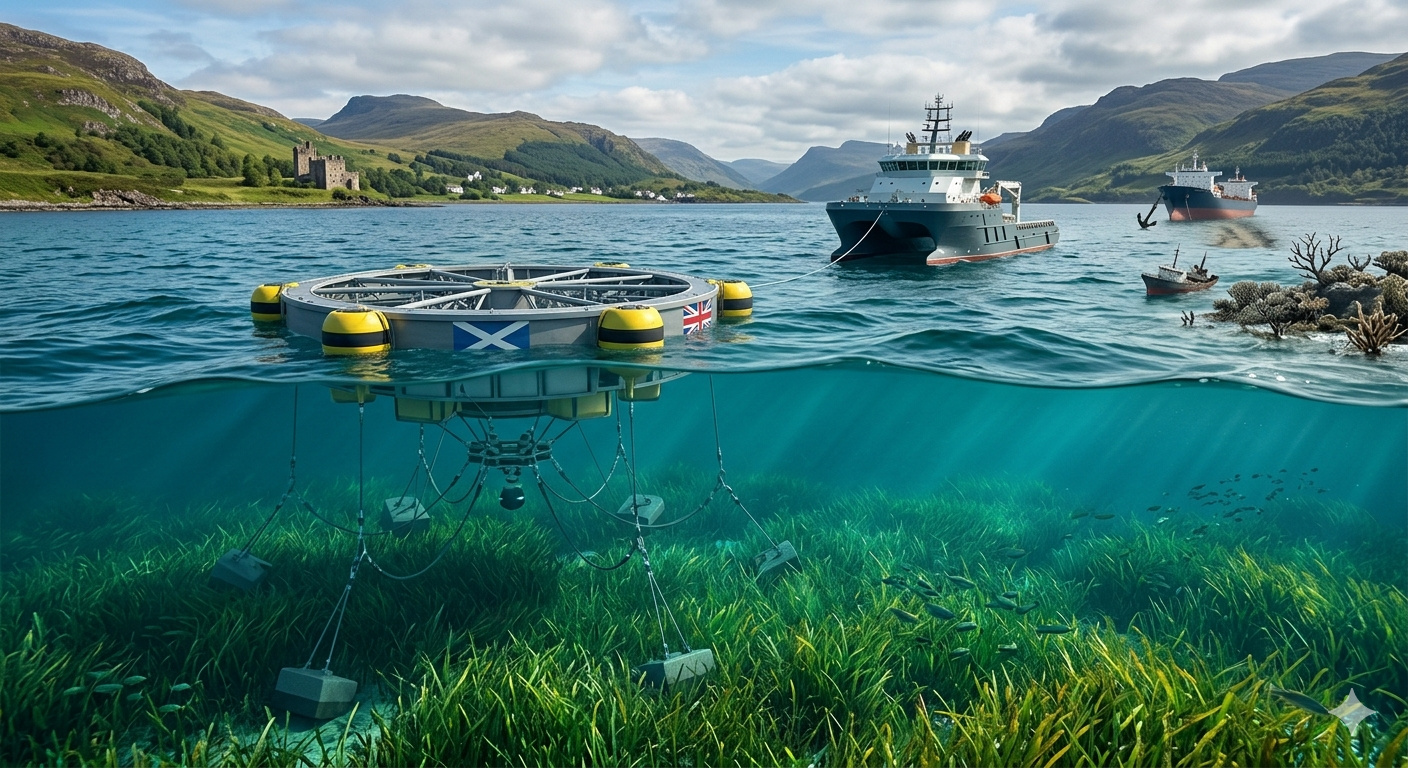
Scotland and the United Kingdom have created a new anchoring system that floats in the water without touching the seabed, after discovering that the current from a conventional anchor destroys up to 50 m² of seagrass meadow per event and that ship-damaged reefs showed no signs of recovery even ten years later.
-
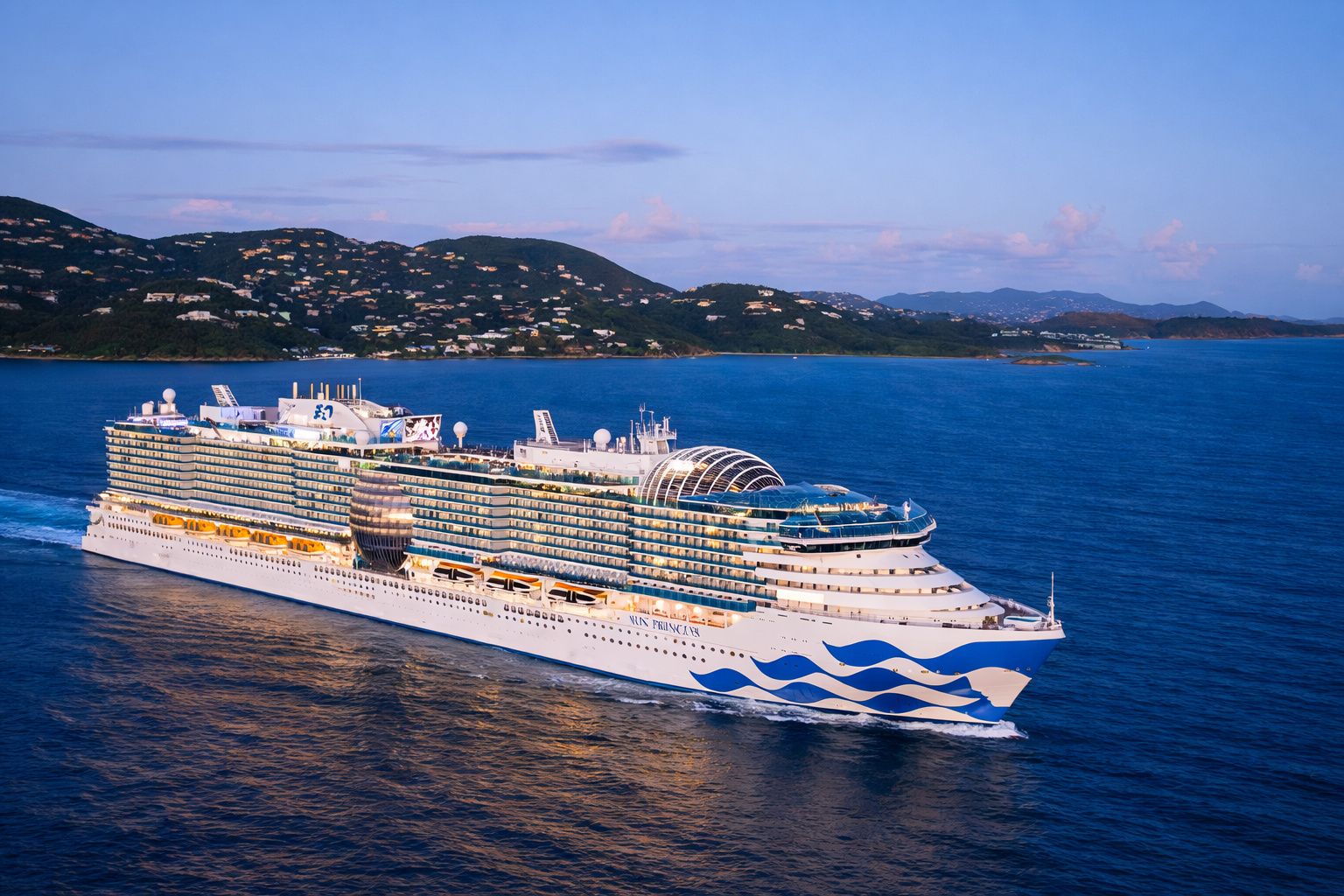
Weighing 175,500 Tons, Measuring 345 Meters Long, and With Capacity for Over 4,300 Passengers, the Sun Princess Becomes the Largest Ship Ever Built by Princess Cruises and Attracts Global Attention for Its Huge Glass Dome Inspired by Santorini’s Architecture Installed on Top of the Vessel
-
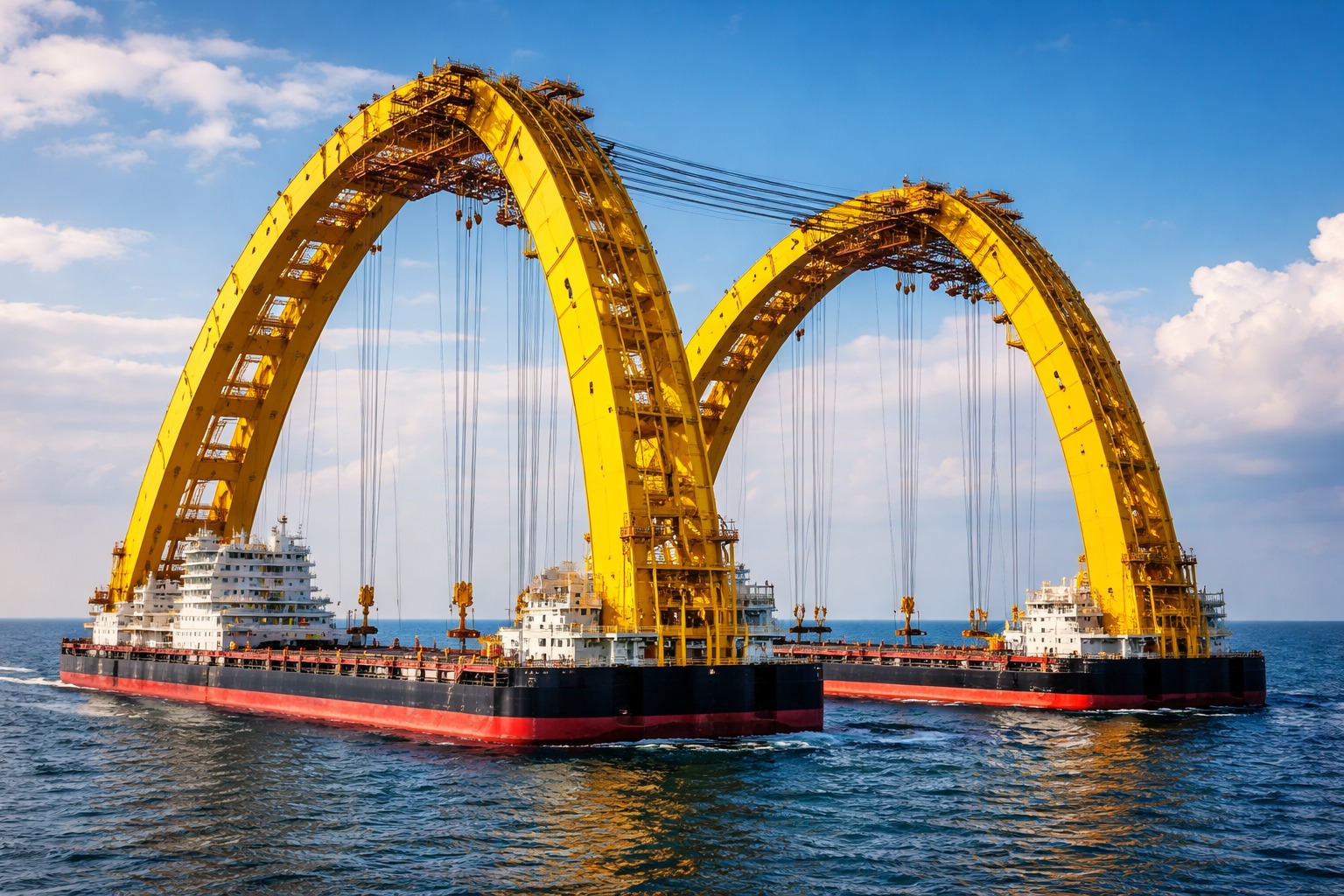
TX-10, The Colossus of The Sea: Largest Lifter Ship in The U.S., With Two Giant Barges, 73-Meter Tall Structure, and Strength to Raise 7,500 Tons of Sunken Oil Rigs

EU Action Attempts to Curb Risky Practices of the Shadow Fleet
The measure has been well received by maritime and environmental authorities, who see the requirement as a way to economically pressure Russia. According to the Financial Times, more than 230 ships have been sold in recent years to form this clandestine oil transport network, circumventing economic sanctions through legal loopholes.
By making insurance mandatory, the EU raises costs and complicates operations for these ships on European routes, reducing the incentives for continuing these practices. The expectation is that this will directly impact the logistics of Russian oil exports and strengthen enforcement at sea.
Maritime Security and Environmental Protection as EU Priorities
Beyond the geopolitical issue, the EU seeks to enhance environmental protection and navigation safety within its territory. With increased authority to investigate suspicious vessels, member countries gain more control over traffic in sensitive areas. The initiative also aligns EU standards with international norms, making it harder for high-risk ships to be used by sanctioned companies and governments.








Seja o primeiro a reagir!