





 English
  Francês
  Alemão
  Italiano
  Japonês
  Norueguês
  Portuguese
  Spanish
  3 min of reading


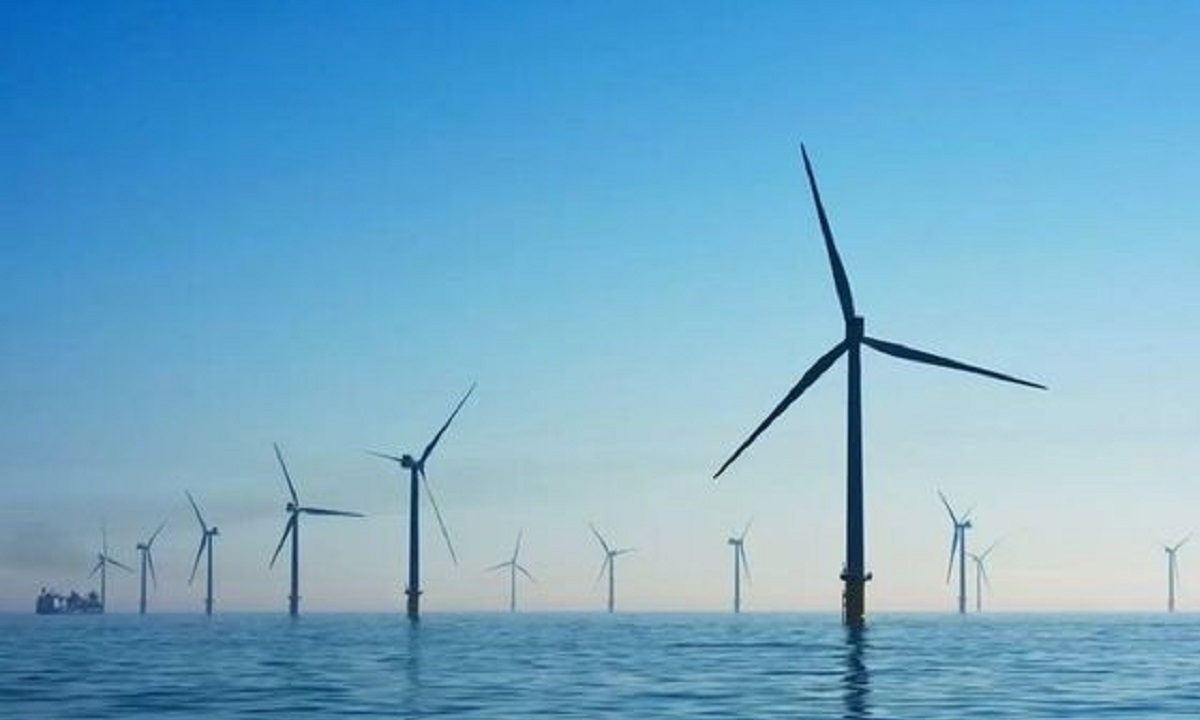
Offshore Initiatives Seek Integration of Renewable Energies for Decarbonization in the Pre-Salt
Coppe/UFRJ (Alberto Luiz Coimbra Institute of Graduate Studies and Engineering Research) and China National Offshore Oil Corporation (CNOOC) have established an agreement for a joint study over the next three years focused on offshore wind energy projects. One of the projects is innovative as it integrates wind, solar, and wave energy sources for the decarbonization of oil and gas activities in the pre-salt region, located at depths between 500 and 2,500 meters, according to the website Terra.
The second offshore project focuses on investigating floating wind turbines at depths between 60 and 150 meters. The partnership foresees funding of R$ 16 million and will be led by the Ocean Renewable Energies Group (Gero), linked to the Submarine Technology Laboratory (LTS) at Coppe.
Promoting Innovation in Offshore Wind Energy
Professor Segen Estefen, from the Ocean Engineering Program (PEnO) and coordinator of Gero, explains that the first offshore project seeks floating wind systems that are competitive in both performance and energy cost. The performance of structures with a high degree of technological maturity and construction methods that enhance the competitiveness of floating platforms will be assessed.
-
A study reveals the expansion of renewable energy procurement in Brazil and shows how companies are taking advantage of opportunities to reduce expenses, ensure energy efficiency, and strengthen strategic environmental commitments.

-
Mato Grosso do Sul excels in the sugar-energy sector: the state reaches a milestone of 22 operating mills and accelerates the production of clean energy in MS with a focus on sustainability.
-
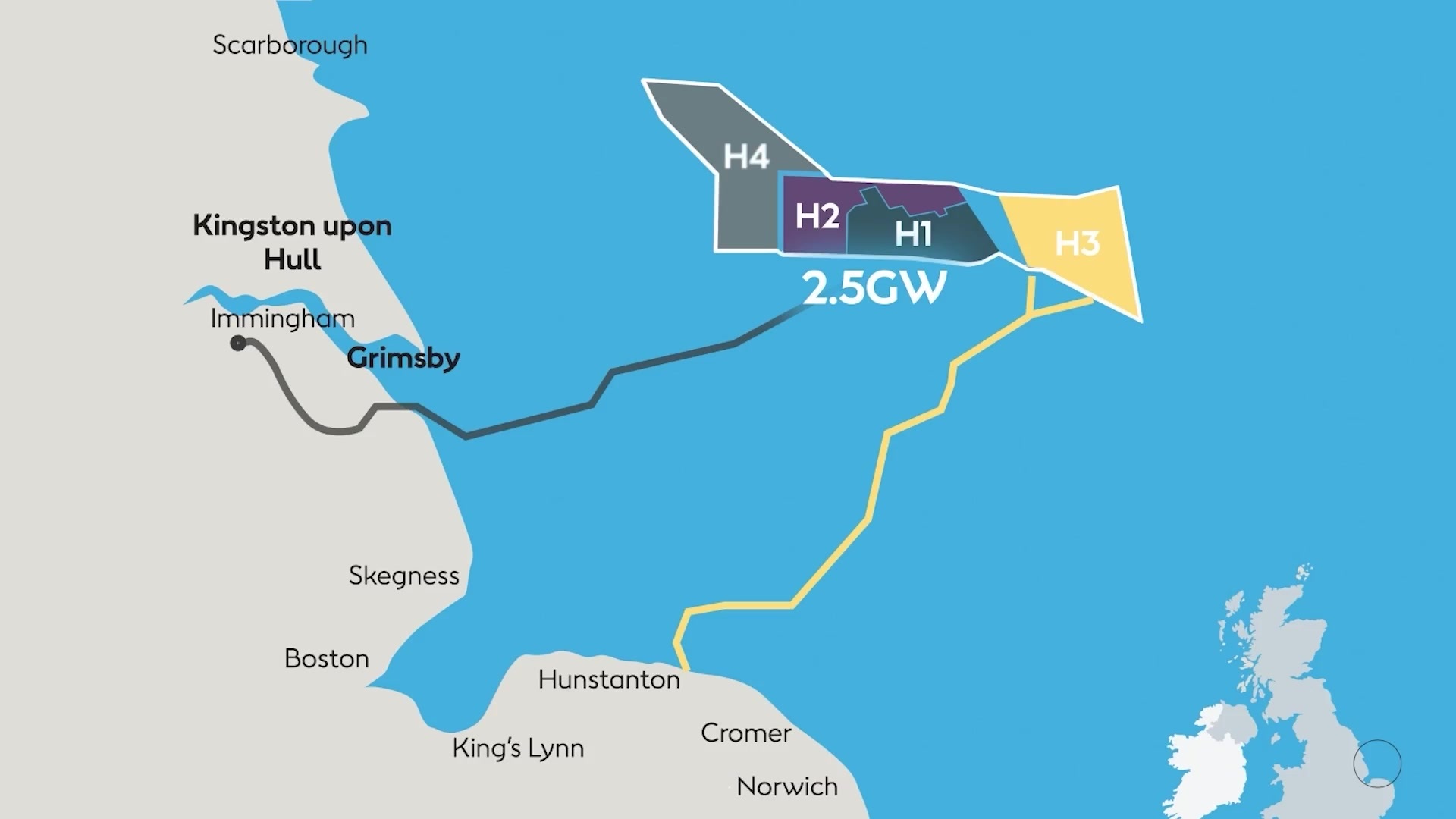
231 turbines of 260 meters at 160 km from the coast, monopiles weighing as much as nine blue whales embedded in the North Sea, and a crane ship taller than the Eiffel Tower: Hornsea 3 will be the largest offshore wind farm on the planet by 2027, and its first components have already arrived in England.
-
National energy dilemma: Brazilians support clean energy but reject increases in tariff costs to finance the sustainable transition.

The offshore projects will involve more than 30 researchers from four different laboratories at Coppe, who will work in areas such as hydrodynamics, aerodynamics, power control, structural engineering, oceanography, meteorology, optimization, and artificial intelligence.
Challenges and Future of Offshore Wind Energy
The partnership with CNOOC expands the existing cooperation of the Submarine Technology Laboratory with the China University of Petroleum since 2001. The project will also evaluate turbines in intermediate waters in the South, Southeast, and Northeast of Brazil, regions with stronger winds.
The second project aims at hybrid park installations that integrate wind, wave, and floating solar energy. This proposal involves a combined analysis of the aerodynamics and hydrodynamics of the turbines, structural behavior assessment, and the performance of anchoring lines in ultra-deep waters.
Technical Challenges and Sustainable Future
The deployment of floating systems in deep waters is challenging, especially at depths greater than 2000 meters. The analysis of shared anchorage emerges as a promising alternative for wind, wave, and solar conversion modules. Additionally, the project will also consider the use of batteries to stabilize electricity supply due to the intermittent nature of renewable sources.
Professor Milad Shadman, also a researcher at Gero, believes that this ambitious project can be a relevant contribution to the decarbonization of oil and gas production in offshore fields, potentially being applied in productive areas for over 25 years. The projects with CNOOC will focus on computational simulations of the systems and, in the third year, experimental tests on reduced models at the Ocean Technology Laboratory (LabOceano) at Coppe.









Seja o primeiro a reagir!