





 Portuguese
  English
  Spanish
  4 min of reading
  0 comments


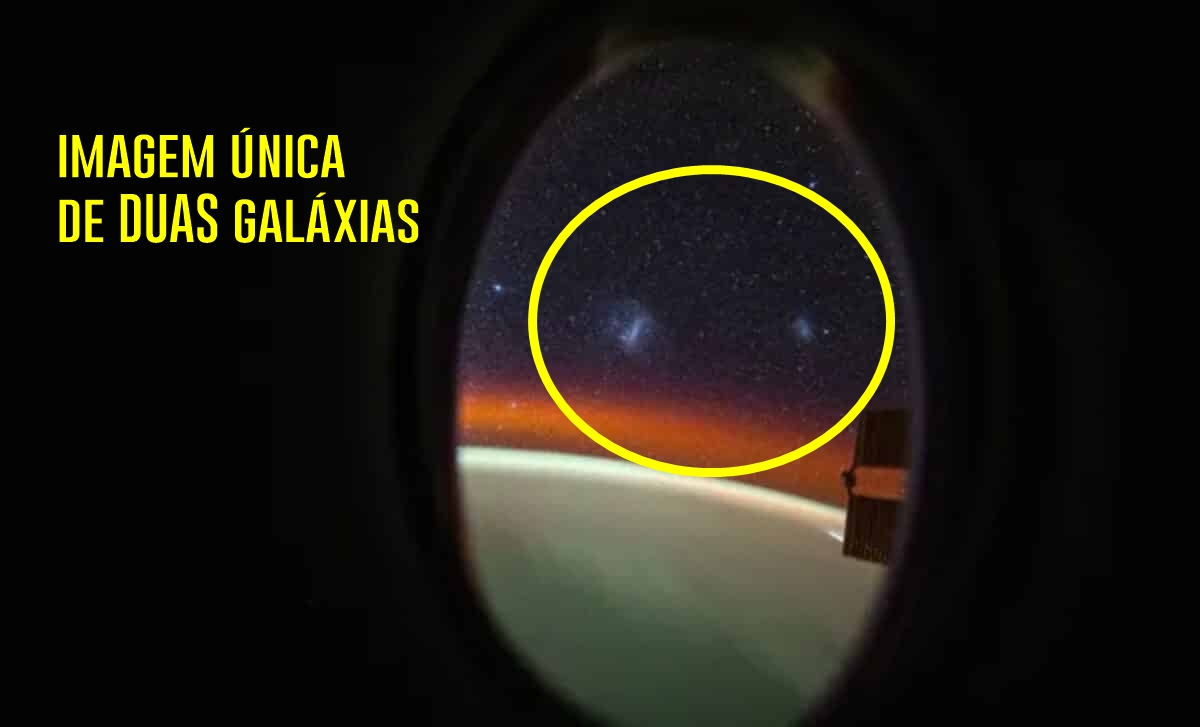
During a Mission in the SpaceX Capsule, a NASA Astronaut Captured a Unique Image of Two Galaxies Never Before Seen, Impressing Scientists and Space Enthusiasts.
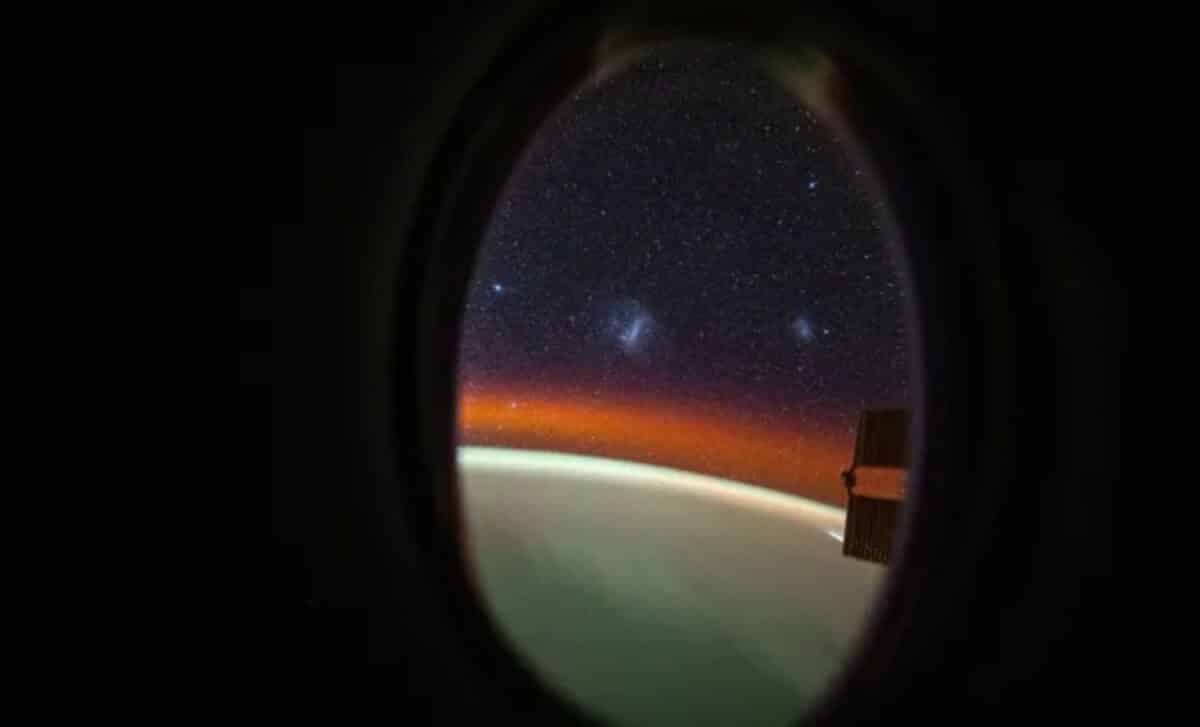
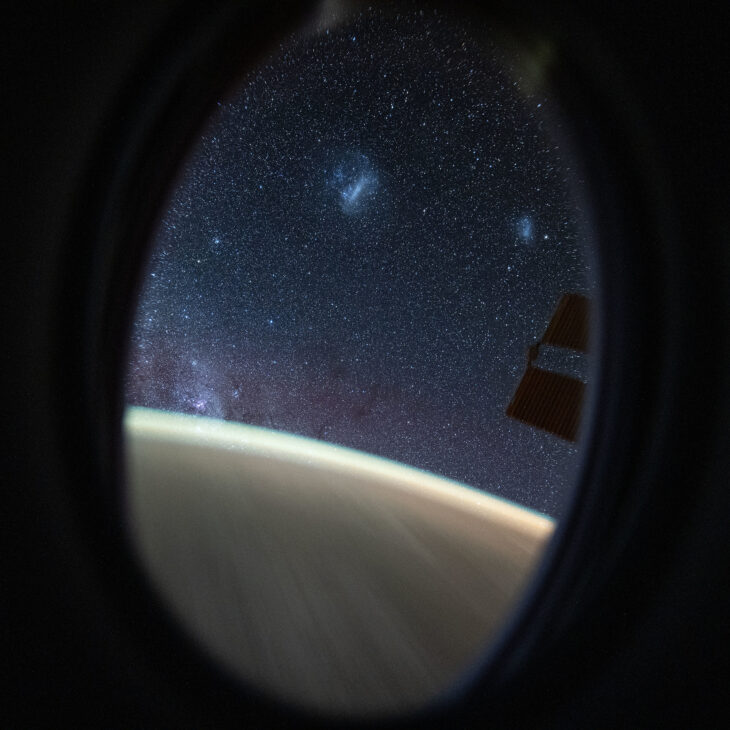
Recently, NASA astronaut Don Pettit captured an impressive long-exposure photograph of two dwarf galaxies, the Large Magellanic Cloud and the Small Magellanic Cloud.
Taken aboard the SpaceX Crew Dragon capsule, this rare image offers a privileged view of two cosmic neighbors of the Milky Way, located over 160,000 light-years away.
The photograph, shared in December 2024, captivates with its richness of details and unique perspective.
-
Remains with battle wounds of over 100 soldiers from the Roman Empire are found beneath a football field in Vienna, leaving everyone surprised.

-
Elon Musk notes Brazil and lowers the price of his internet, Starlink, promising to connect all corners of the country with affordable plans, 10,000 satellites, and 1 million active users in the national territory!

-
Man creates an infinite source of FREE electricity at home with a PVC wind turbine using a repurposed motor.
-
An aquatic seed consumed for centuries in Asia is going viral in the West after studies highlighted its antioxidant compounds and potential anti-inflammatory properties. It pops like popcorn, has low fat content, and is already being called the new functional snack.


These galaxies, which are only visible in the Southern Hemisphere or in space, gain a new dimension when viewed through the lens of an experienced astronaut like Pettit.
The Magellanic Clouds: Close, but Far
The Large Magellanic Cloud (LMC) and the Small Magellanic Cloud (SMC) are among the closest galaxies to the Milky Way.
Despite this relative proximity, they remain an incredible 160,000 and 200,000 light-years away, respectively. These irregular galaxies are part of the local group, a gravitationally bound set of over 50 galaxies, including the Milky Way itself.
The asymmetric shape of the Magellanic Clouds reflects a history of intense gravitational interactions with the Milky Way.
Studies suggest that these satellite galaxies have been shaped by gravitational encounters that continue to influence them to this day. This dynamic relationship offers valuable insights into the formation and evolution of galaxies, highlighting the interconnected nature of the universe.
These galaxies also host remarkable astronomical views.
The Large Magellanic Cloud was the site of supernova SN 1987A, the most recent stellar explosion visible to the naked eye. The Small Magellanic Cloud, on the other hand, is rich in young stars and areas of intense star formation. This diversity makes the Magellanic Clouds a natural laboratory for understanding fundamental cosmic processes.
The Art of Photographing the Cosmos
Don Pettit is known for turning space science into art. The oldest active NASA astronaut, at 69 years old, he has accumulated over 370 days in space across four missions.
During his journeys, Pettit developed a refined long-exposure photography technique, capturing images that reveal fascinating details of the universe.
Aboard the Crew Dragon, Pettit took advantage of the unobstructed view of space to capture the Magellanic Clouds. This approach is possible due to the absence of Earth’s atmosphere, which often distorts or blocks light from distant celestial objects.
The result is an image that combines aesthetic beauty with scientific value, bringing the public closer to the vastness and complexity of the universe.
Besides the galaxies, Pettit has captured stunning images of appearances like star trails, SpaceX Starlink satellites, and nocturnal landscapes, including the vibrant lighting of cities like Las Vegas. Each photograph is not just a visual record, but also a window to exploration and understanding of the cosmos.
Space Exploration: The Present and the Future
The image of the Magellanic Clouds is more than a work of art; it symbolizes the vital role of space exploration in expanding human knowledge.
As companies like SpaceX drive private and collaborative exploration, images like Pettit’s help inspire future generations of scientists, engineers, and explorers.
Space exploration also has significant practical implications. The study of galaxies like the Magellanic Clouds offers insights into star formation, gravitational dynamics, and the limits of the observable universe.
This knowledge can influence everything from telescope technology to the understanding of specifics like dark energy.
On the horizon, future missions promise to expand our view of the cosmos even further. New space telescopes, such as the Nancy Grace Roman and Euclid, are being designed to explore the frontiers of the universe with unprecedented precision.
Meanwhile, human presence in space remains an essential element in collecting images and data that machines alone cannot replicate.
The Sky as Infinite Inspiration
Don Pettit’s photograph of the Magellanic Clouds is a powerful reminder that the universe is vast, complex, and profoundly beautiful.
Combining science and art, this image reinforces the importance of space exploration in uncovering the mysteries of the cosmos. More than that, it inspires an emotional connection with space, fueling curiosity and the desire to discover.
As we look to the future, it is clear that space exploration will play a crucial role in our quest for answers to the big questions of existence. The contributions of astronauts like Pettit not only expand our knowledge but also uniquely connect us to the grandeur of the universe we inhabit.






-

Uma pessoa reagiu a isso.