





 Portuguese
  English
  Spanish
  4 min of reading
  0 comments


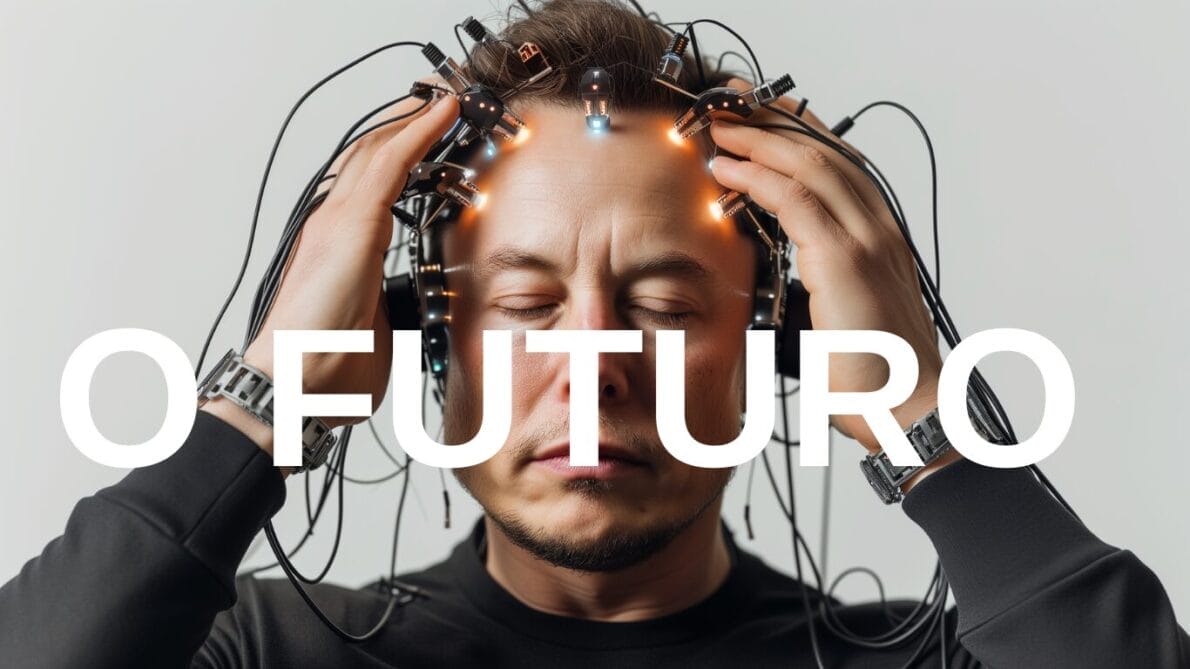
A Look at the Future of Humanity and an Unprecedented Dispute Over the Technological Advancement of Chips Implanted in Humans!
According to engineeringtoday, the search for chip implants in the human body is on the rise, both in Brazil and in various parts of the world. These small devices, used for a variety of purposes, from hormonal replacement to personal information storage, promise to revolutionize our relationship with technology and the body itself. However, this evolution does not come without its ethical debates and privacy concerns.
The Versatility of Chips: From Payment to Health
Chips in Brazilian Daily Life
In Brazil, chip implants are beginning to integrate into people’s daily lives. Whether for making payments, controlling access to environments, or storing vaccination data, these devices are gaining traction. The use of these chips in animals for identification has been a common practice for years, showcasing how technology can be adapted to different contexts.
The Cyborg Movement in Sweden
Sweden is at the forefront of this movement, with widespread adoption of body chips as part of a growing cyborg movement. There, citizens use chips to replace keys, cards, and even public transport tickets, highlighting how technology can be integrated into daily life efficiently and practically.
-
China has launched the world’s first floating artificial island, a scientific structure designed to face open seas, test equipment weighing hundreds of tons, and reach depths of 10,000 meters.

-
China accelerates global science and may surpass the United States in 2 years with increased public investment, continuous growth, and direct impact on the global technological competition.

-
Scientific studies indicate that drought may be strengthening a much greater silent threat: more resistant superbugs.

-
Man builds functional 5-meter submarine in his garage using gas cylinders, PVC pipes, and a refrigerator motor, and navigates with the vessel on a lake in Colombia.



The Pioneering of Eduardo Castro
In 1997, plastic artist Eduardo Castro became the first Brazilian to implant a chip in his body. His initiative opened doors for discussions about the possibilities and limitations of this technology. Since then, many have followed in his footsteps, driving the development of new uses for chip implants.
Advances in Neurotechnology: Precision Neuroscience and Neuralink
World Record in Brain Implants
Precision Neuroscience, a direct competitor of Elon Musk’s Neuralink, recently broke a record by implanting 4,096 electrodes in a human brain during a clinical study at the Mount Sinai Health System in New York. This milestone, achieved in April 2024, surpasses the previous record of 2,048 electrodes and represents a significant advance in brain-computer interface.
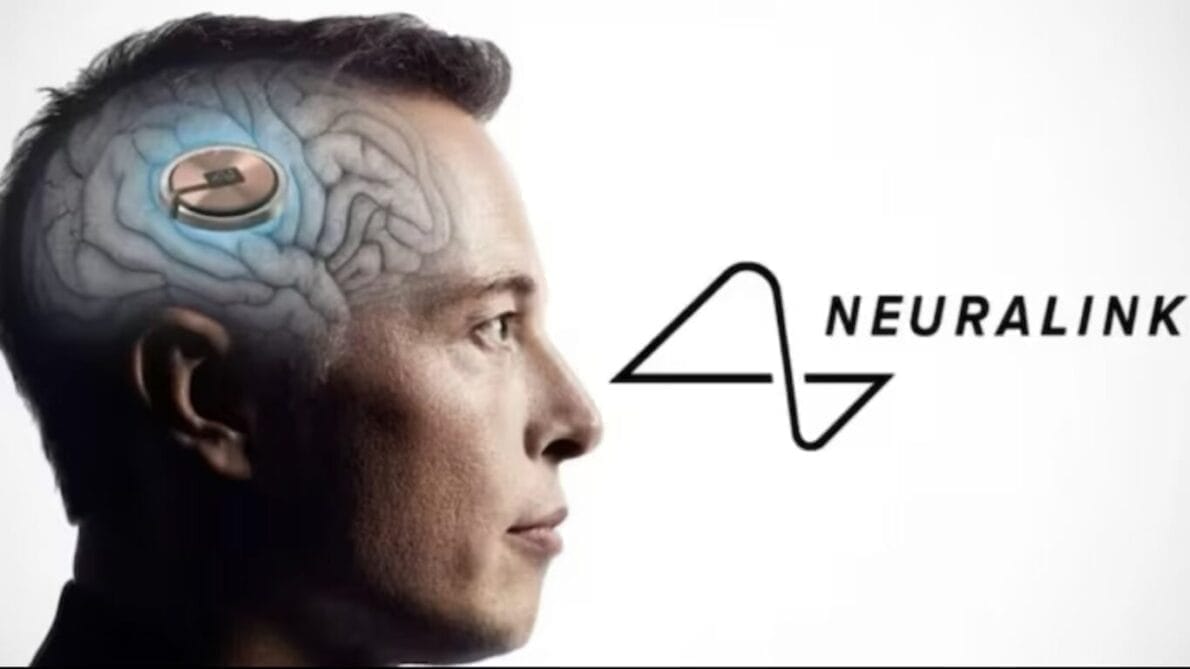
Cortical Layer 7 Interface
The secret to this success lies in the Cortical Layer 7 Interface, a matrix of thin-film microelectrodes designed to adapt to the brain’s cortex without causing tissue damage. This technology allows for the transmission of a much larger volume of data between the brain and computers, significantly enhancing the capabilities of brain-computer interfaces. “It’s like going from standard definition TV to high definition,” explains Dr. Joshua B. Bederson, head of Neurosurgery at Mount Sinai Health System.
Clinical Applications and the Future of Precision Neuroscience
During the study, the team used four matrices from Precision, covering an area of approximately 8 cm² on the surface of a patient’s brain. This allowed for a detailed view of the sensorimotor boundary of the brain, crucial for neurosurgical navigation. Founded by former employees of Neuralink, Precision Neuroscience is rapidly expanding its clinical presence and expects to launch its first commercial product in 2025.
Ethical Debates and the Future of Chips
The Controversy of Human Implants
Despite advances, the implantation of chips in humans generates intense ethical debates. Therefore, questions about privacy, security, and data control are constant concerns among critics and supporters of technology. Many fear that the mass adoption of implants could lead to abuses and violations of rights.
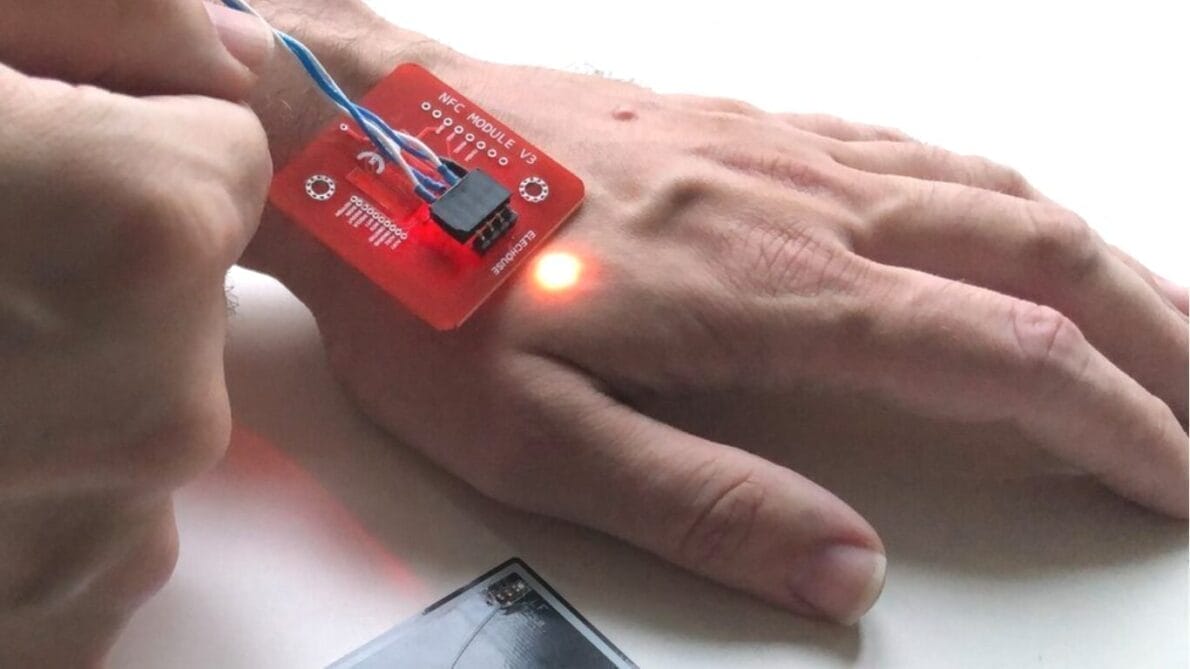
Efficiency Versus Privacy
For some, chips represent a way to enhance efficiency and practicality in daily activities, replacing devices like smartphones and cards. However, resistance is also significant, with many people hesitant to adopt this technology due to implications for privacy and the security of personal data.
The Path to an Integrated Future
Therefore, as technology advances, the trend is for chips to become increasingly integrated into daily life. “The evolution is inevitable, but we must be aware of the social and ethical impacts,” comments an expert in the field. Nonetheless, the discussion about the use of chips in the human body continues to evolve, reflecting the complex relationship between technological innovation and human values.
In the end, the search for balance between practical benefits and ethical concerns will define how this technology is adopted in the future. Thus, chip implants, from simple identification chips to sophisticated brain chips, are shaping a new era of interaction between humans and technology.
Now tell me, would you put a chip in your own body? What would influence you to do so?







-

Uma pessoa reagiu a isso.