





 Portuguese
  English
  Spanish
  5 min of reading
  0 comments


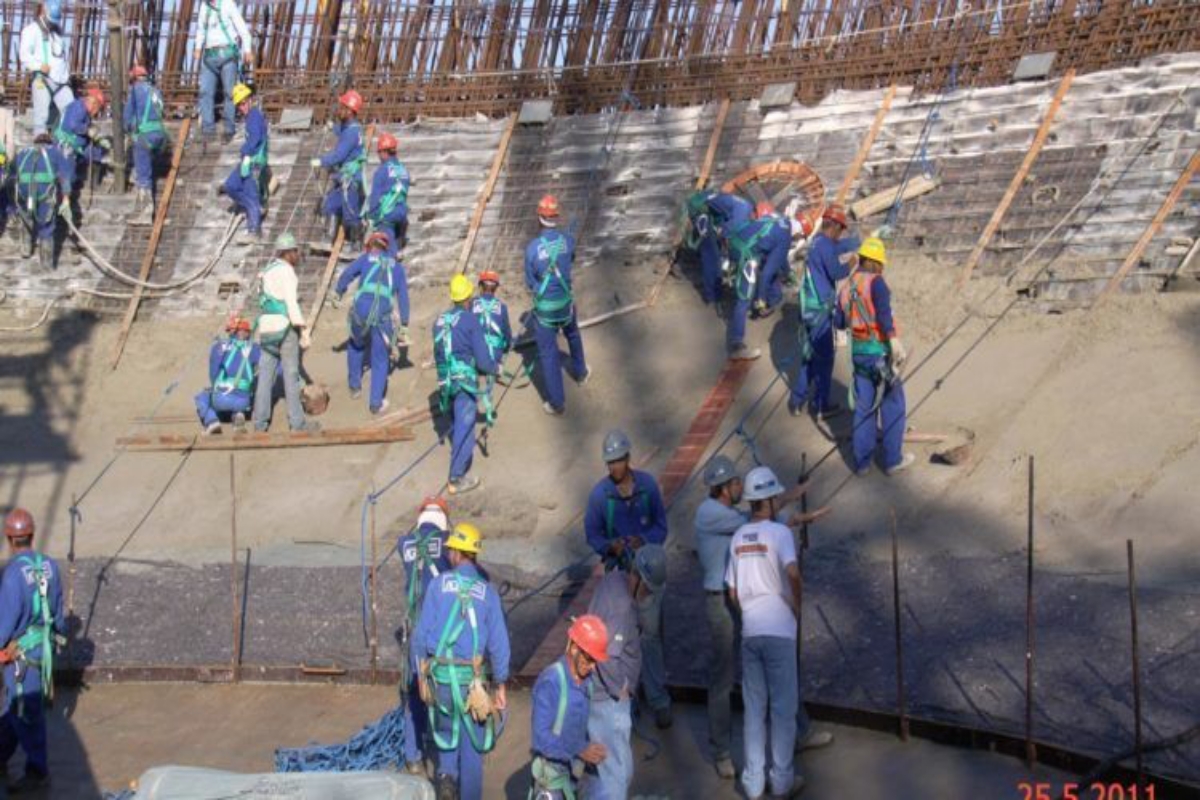
Angra 3 Doesn’t Materialize and Contract That Foresees Development of the Brazilian Nuclear Program, with the Construction of Eight Plants in Brazil May Come to an End After 50 Years
Imagine a contract signed half a century ago, promising a technological leap for Brazil with the help of Germany, but which has turned into an endless saga. We are talking about the nuclear agreement of 1975, which foresaw the construction of eight nuclear plants, but delivered only one, ANGRA 2, and left another, ANGRA 3, as an eternal construction site. Now, with Germany out of the nuclear game and Brazil still investing in this energy, is this pact, renewed every five years, nearing its end? Let’s dive into this story!
A Giant Agreement That Didn’t Take Off
On June 27, 1975, Brazil, under the government of General Ernesto Geisel, and Germany, led by Chancellor Helmut Schmidt, sealed a contract that promised to revolutionize the Brazilian nuclear program. The idea was ambitious: transfer German technology to build eight nuclear plants, with Angra 1 and 2 already on the radar and six more planned. “At the time, it was the largest technological agreement of the century. The enthusiasm was contagious on both sides,” says Luiz Ramalho, sociologist and president of the Latin America Forum in Berlin, who has criticized the pact from the start.
But 50 years later, the outcome is disheartening. Only Angra 2, in Rio de Janeiro, began operations in 2001, after 24 years of construction. Angra 3, started in 1986, remains unfinished, devouring over R$ 20 billion. The other six plants? They never left the planning stage. For German Deputy Harald Ebner from the Green Party, the result is clear: “This agreement was a mistake. Angra 2 is one of the most expensive plants in history, and Angra 3 is an endless construction site.”
-
Historic bankruptcy of Centauro shocks the market, and the century-old company puts more than 500,000 products, machines, and complete infrastructure up for online auction.

-
New shoe factory in Ceará is expected to create 400 jobs and strengthen the local economy.

-
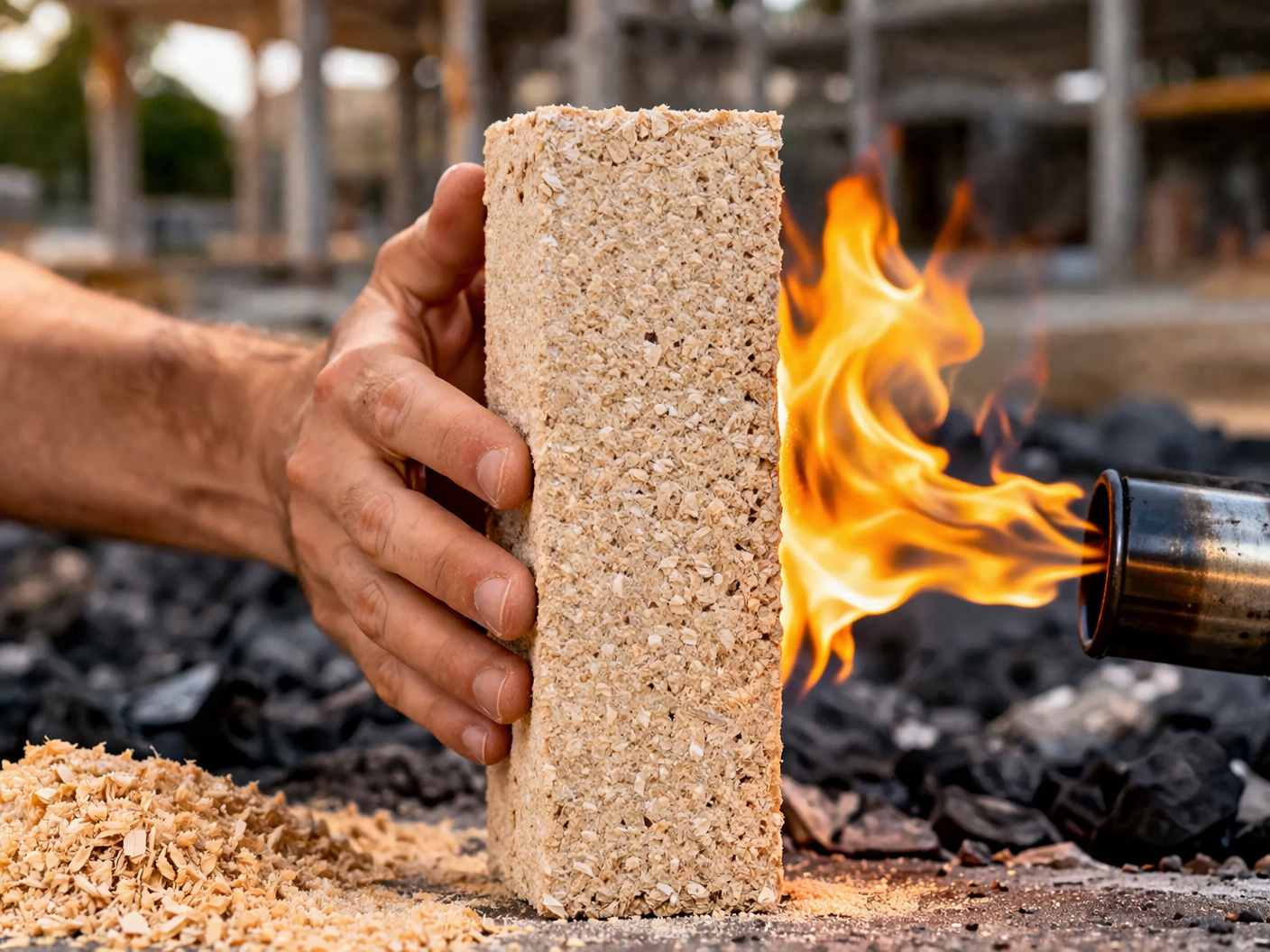
No one imagined it, but a mixture of sawdust with a mineral that fights fires surprises scientists with a result that changes the course of fire-resistant construction.
-
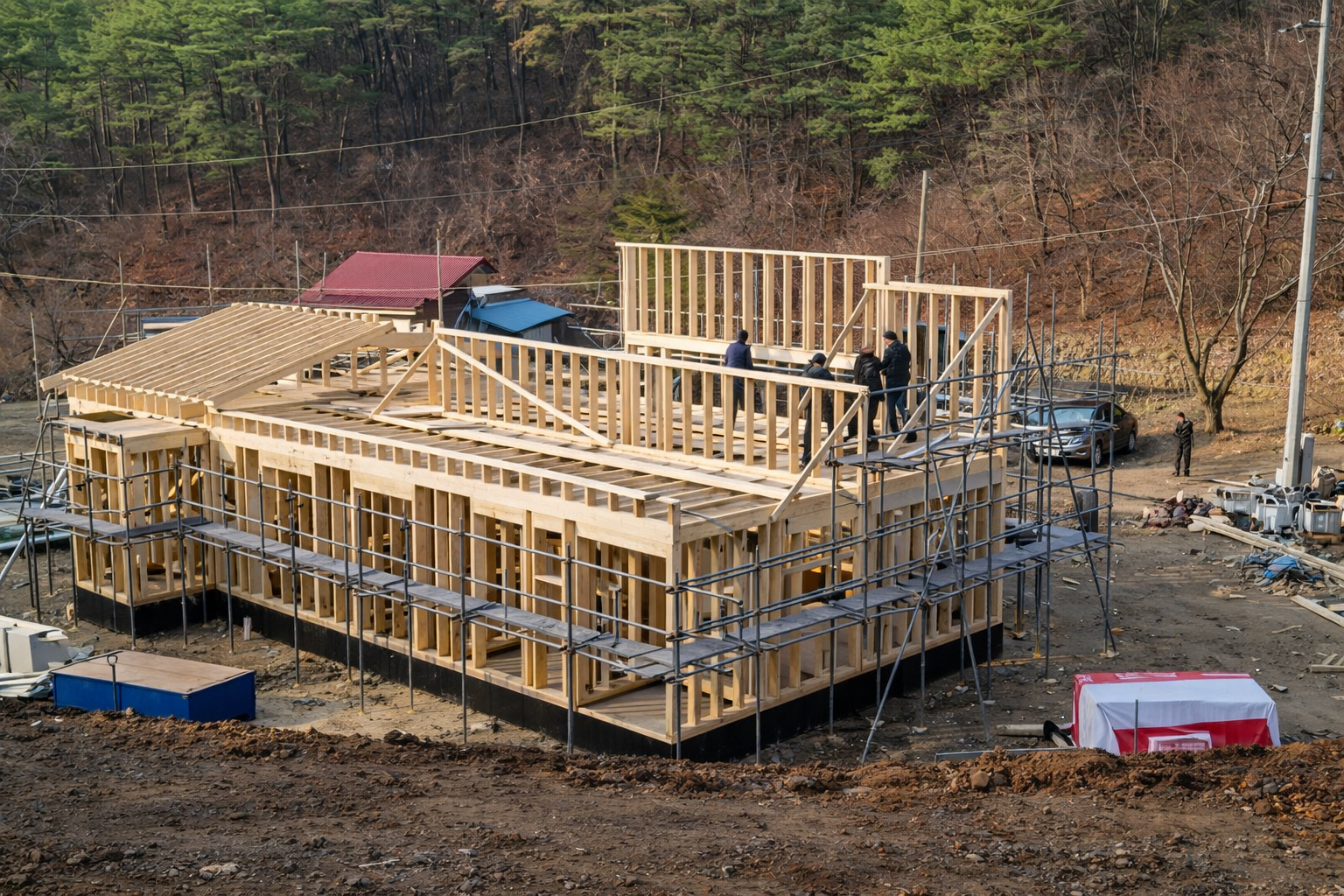
From empty land to a high-end house, wooden construction uses a lightweight system, metal structure for the foundation, ventilated ceramic cladding, and special windows to create an efficient and comfortable living space throughout the year.

Why Did the Agreement Survive?
Despite the setbacks, the nuclear contract between Brazil and Germany has endured global crises, such as the accidents in Chernobyl (1986) and Fukushima (2011), and even the end of nuclear plants in Germany in 2023. Why does it remain in place? According to Ramalho, the automatic renewal every five years and the German reluctance to displease a strategic partner like Brazil explain this longevity. “No one wanted to be the first to pull the plug,” he says.
In Germany, the topic is almost unknown today, but it has previously led to protests. The Green Party, with roots in the anti-nuclear movement, tried to end the agreement in 2004, when Jürgen Trittin, then Minister of the Environment, proposed transforming it into a partnership for renewable energies. The idea sank. Ten years later, in 2014, Trittin revealed that negotiations with Brazil stumbled on then-Minister of Mines and Energy Dilma Rousseff, who insisted on renewal. In 2024, a new attempt by the Greens in the Bundestag was blocked by the coalition between CDU and SPD.
Problems in Angra and Growing Criticism
Angra’s plants are at the heart of the criticism. Angra 2, built in a region prone to earthquakes, landslides, and floods, accumulates dangerous nuclear waste, warns Ebner. “It’s an environmental time bomb,” he states. Angra 3, with decades of delays, has become a symbol of inefficiency. “Brazil and Germany bet wrong on this project,” says the deputy, who views the agreement as a resounding failure.
Miriam Tornieporth, from the German anti-nuclear organization Ausgestrahlt, agrees. “This contract is outdated. It lacks modern safety mechanisms and ignores current risks,” she states. She also points to a geopolitical problem: the uranium used in Angra may be coming from Russia, through partnerships with the state-owned Rosatom and the French Framatome, which operates in Lingen, Germany. “While Germany avoids sanctions on the Russian nuclear industry, this enriched uranium from Gronau goes to Brazil. It’s incoherent,” criticizes Tornieporth.
A New Breath for Nuclear?
While Germany has abandoned nuclear energy, Brazil seems to be going in the opposite direction. In 2024, President Luiz Inácio Lula da Silva, previously critical of this source, expressed interest in small nuclear plants during a meeting with Vladimir Putin. According to the International Energy Agency, 40 countries, including Brazil, plan to expand nuclear energy to meet electrical demand, which in the country represents only 3% of the energy matrix.
In Germany, the debate has also gained new life. After the shutdown of plants in 2023, ordered by Angela Merkel post-Fukushima, politicians like Katherina Reiche, the current Minister of Economy, signal openness to nuclear energy. Reiche participated in meetings of the European Nuclear Alliance, which includes countries like France and Sweden. “Nuclear energy is being discussed again in Europe,” says Thomas Silberhorn, CDU Deputy, who sees the contract with Brazil as a milestone of technological cooperation.
The Future of the Nuclear Contract in Brazil
The fate of the agreement lies in the hands of the social democrats (SPD), who lead the German coalition. Nina Scheer, energy spokesperson for the SPD in the Bundestag, believes now is the time for a change. “Our coalition wants to strengthen ties with Brazil, but that involves replacing this nuclear contract with partnerships in renewable energies,” she states. The idea is to align cooperation with the energy transition, a focus of Germany and an urgent need in Brazil.
Ramalho, in Berlin, sees a window of opportunity. “With Germany free from nuclear energy and Brazil seeking sustainability, this contract is a dinosaur. It’s time to bury it and focus on green hydrogen or solar,” he suggests. But the decision won’t be easy. Ending the pact might be seen as a disrespect to Brazil, a key partner in the Global South. Still, pressure is mounting, and 2025 could be the year when this agreement, so celebrated 50 years ago, finally comes to an end.
And you, what do you think? Should this nuclear contract end or be reformed? Leave your comment below and share this article to heat up the debate!







-

-

4 pessoas reagiram a isso.