





 Portuguese
  English
  Spanish
  8 min of reading
  0 comments


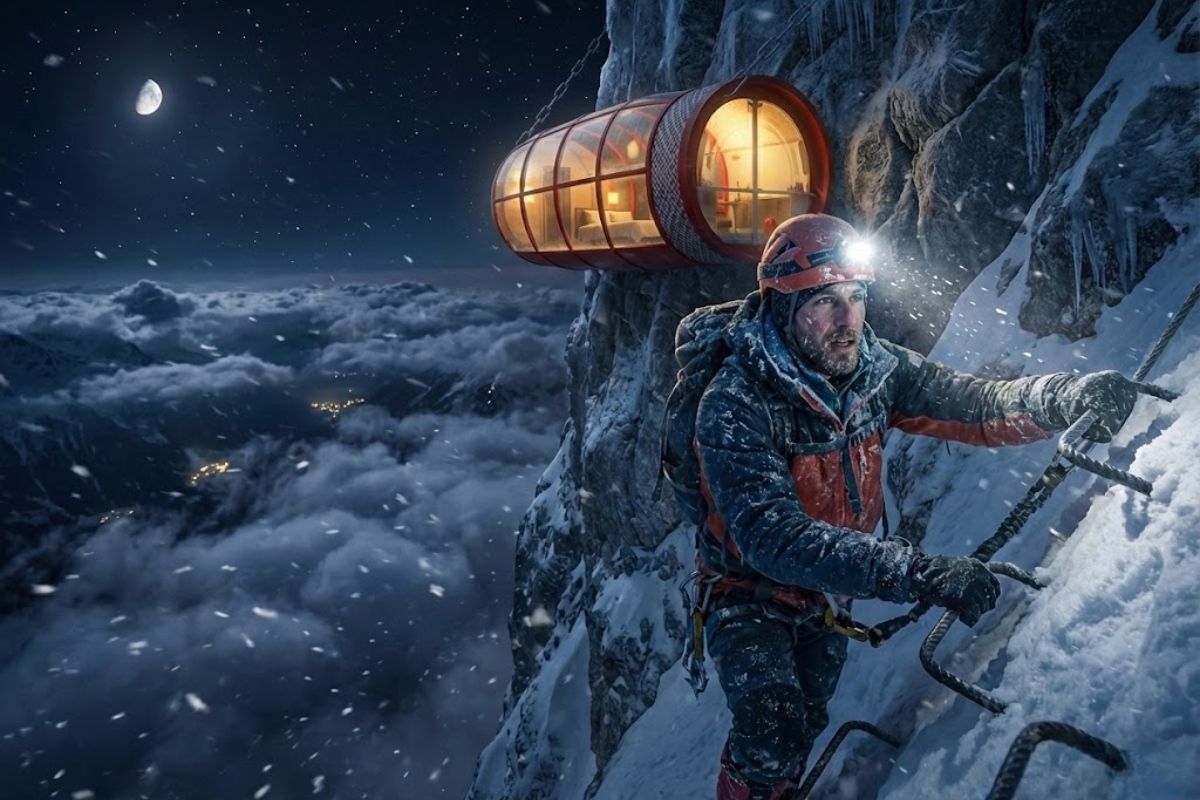
At The Top Of The Italian Alps, An Isolated Emergency Capsule Is Embedded At Almost 3,000 Meters Next To Mont Blanc, Requiring Hours Of Climbing, Rivers, Via Ferrata, Snow, And Ice. With Little Oxygen And A Forecast Of Storms, Crowded Conditions Become A Threat: Beds Run Out And Any Mistake Can Be Irreversible.
In The Italian Alps, A Man Decides To Face The Most Hostile Night He Has Ever Lived By Seeking An Isolated Capsule Of Emergency Planted At Almost 3,000 Meters Above Sea Level, On Exposed Ground With A Direct View Of The Mont Blanc Massif. The Goal Seems Simple: To Sleep Up There, But The Mountain Turns Each Stage Into A Test Of Resistance, Technique, And Composure.
The Climb Presents Ice, Crossing, Via Ferrata, Thin Air, Risk Of Falling, And A Silent Race Against Time, Because There Is A Forecast Of A Storm And The Capsule Has A Real Capacity Limit. When The Shelter Becomes Crowded, The Night Stops Being Just Uncomfortable And Becomes A Survival Problem.
Where The Isolated Capsule Is Located And Why It Attracts So Much Attention

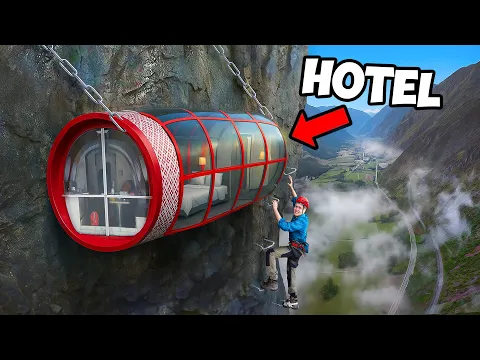
The Isolated Capsule Is A Modern Emergency Shelter Hidden In The Italian Alps, Installed At Almost 3,000 Meters Above A Glacier And Near Mont Blanc.
-
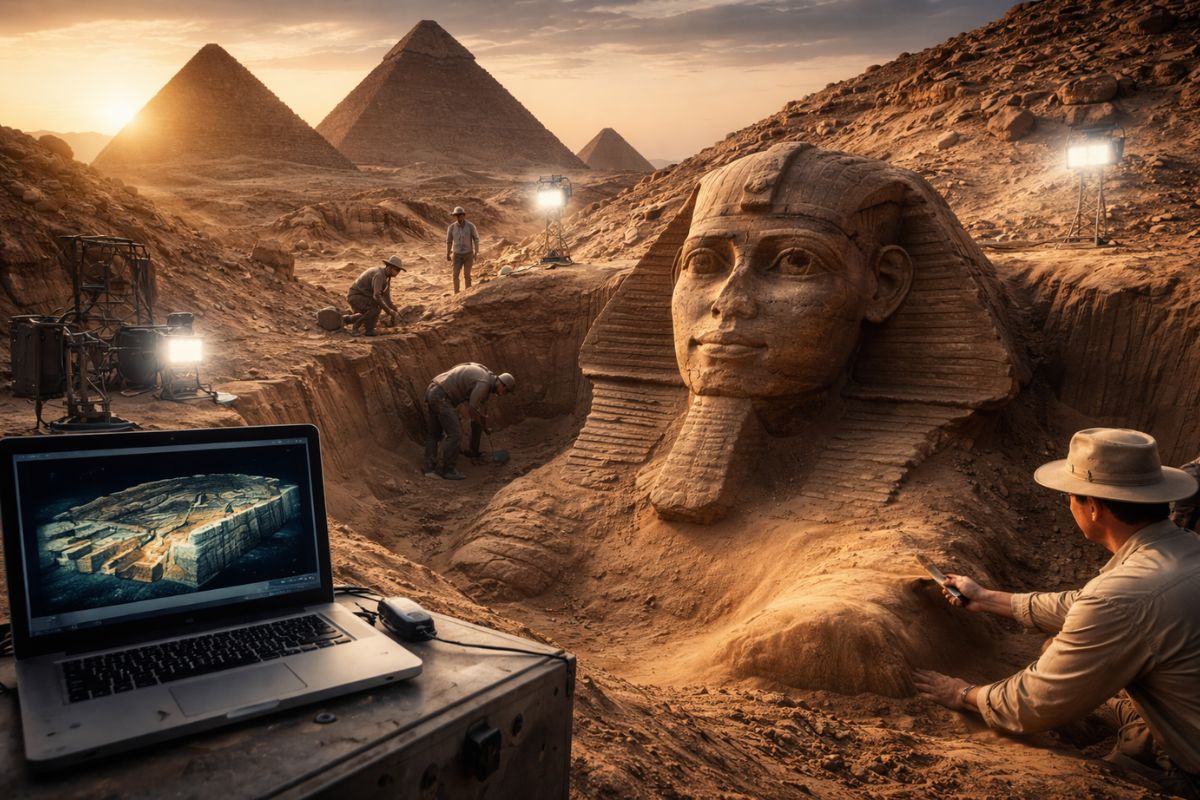
Italian researchers have detected what appears to be a second Sphinx buried under the sands of Egypt, and satellite scans reveal a gigantic underground megastructure hidden beneath the Giza Plateau for over 3,000 years.
-
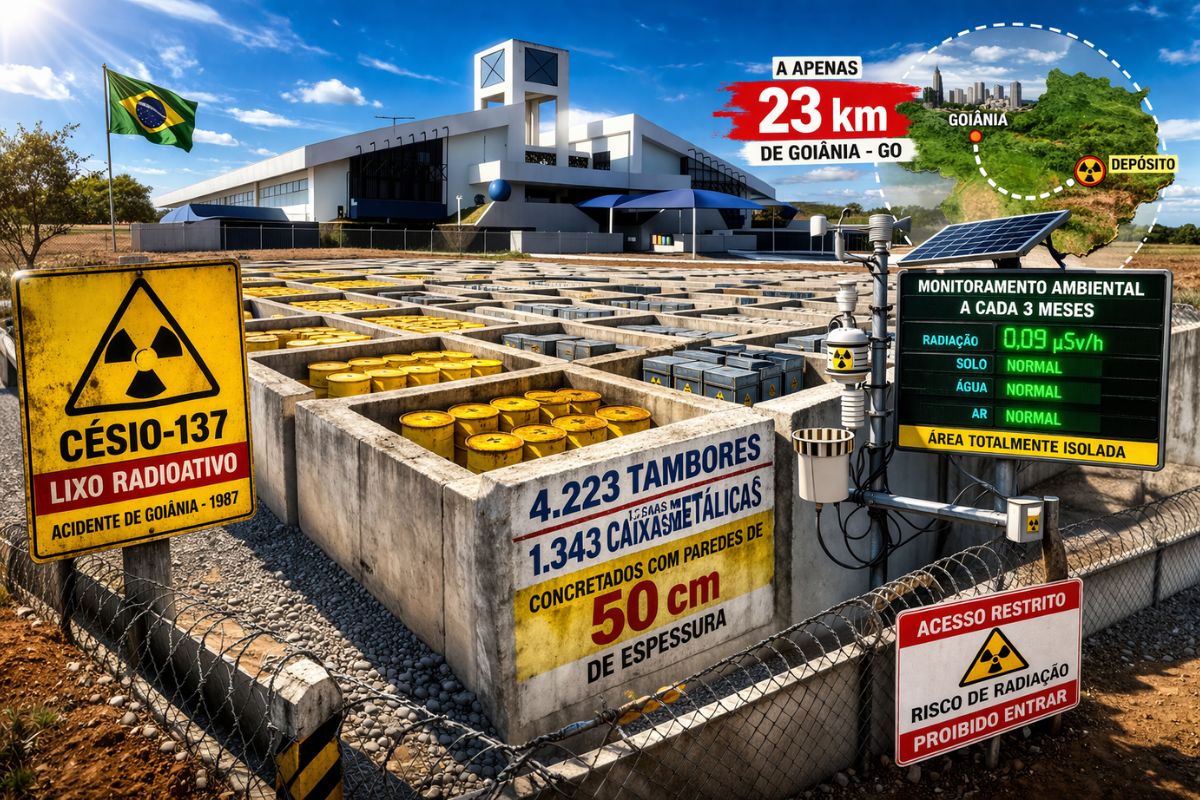
There are 4,223 drums and 1,343 metal boxes concreted with 50-centimeter walls that store the radioactive waste from Cesium-137 in the worst radiological accident in Brazil, just 23 kilometers from Goiânia, with environmental monitoring every three months.
-
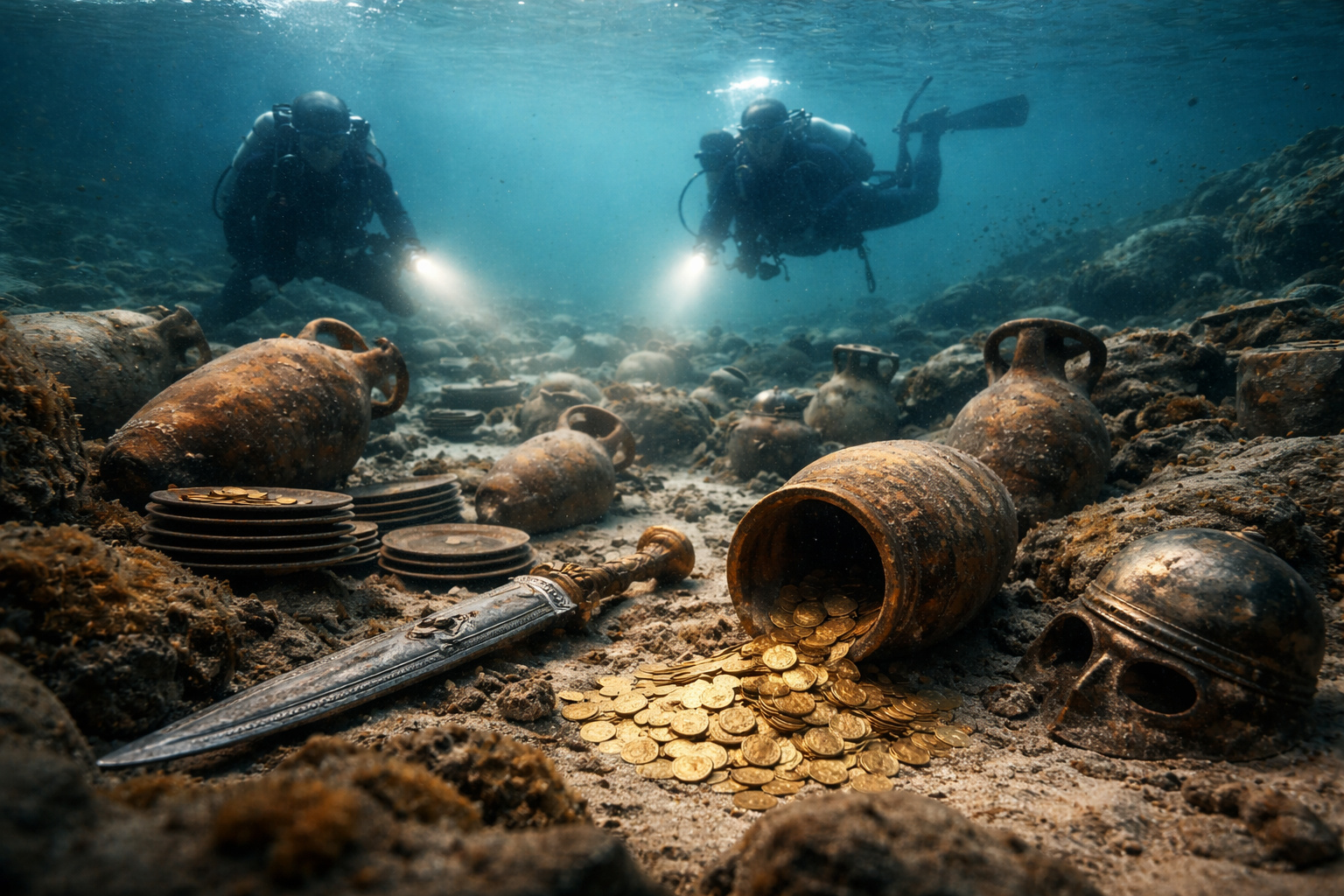
Giant Roman treasure found at the bottom of Lake Neuchâtel in Switzerland reveals an advanced trade system, circulation of goods, and armed escort in the Roman Empire about two thousand years ago.
-
He buried 1,200 old tires in the walls to build his own self-sufficient house in the mountains with glass bottles, rainwater, and an integrated greenhouse.

Seen From Afar, It Stands Out As A Metallic, Futuristic Spot On The Rock, Compared To A Small Space Capsule, Precisely Because It Seems Out Of Place In Such A Harsh Environment.
What Makes This Shelter Extreme Is Not Just Its Unusual Aesthetic.

It’s The Combination Of The Location And Access: High Altitude, Narrow Slope, Vastness Around, And A Route That Requires Constant Attention.
In Such A Place, Mistakes Are Fatal Because Any Slip Can Have Immediate Consequences.
The Logic Of Emergency Shelters In The Mountains
In The Mountains, There Are Several Refuge Points For When The Weather Turns Or When Someone Needs To Stop.
The Difference Is That The Isolated Capsule Is Presented As A State-Of-The-Art Emergency Shelter, Something Rare, Designed To Offer A Minimum Structure In Rapidly Changing Conditions, Such As Unexpected Storms.
This Creates A Misleading Sense Of Security. The Shelter Helps, But Doesn’t Eliminate The Risk.
The Mountain Keeps Commanding, And The Capsule Doesn’t “Solve” The Climb, The Descent, Or The Effects Of Thin Air.
It Only Offers A Better Chance To Survive A Complicated Night When Conditions Tighten.
The Storm Forecast And Time Pressure

The Weather Comes Into Play As A Factor That Alters Decisions.
There Is A Storm Forecast For The Afternoon, Changing The Weight Of Each Choice: Moving Too Fast Increases The Risk Of Error, Moving Too Slowly May Mean Getting Caught By Bad Weather On Technical Terrain.
Additionally, There Is A Parallel Urgency: The Capsule’s Internal Capacity.
When The Capsule Becomes Crowded, Latecomers May Find Themselves Without A Bed And Even Without Usable Space. It’s Not Just About “Arriving,” It’s About Arriving Before The Shelter Becomes A Problem.
An Experienced Guide And The Number One Rule: Don’t Fall
The Ascent Is Accompanied By Andrea, A Mountain Guide With 10 Years Of Work In The Region. He Makes It Clear That The Final Part Is The Most Difficult, Particularly Because It Is Very Steep.
The Central Guidance Is Direct: The Most Important Thing Is Not To Fall.
This Warning Sums It Up. At High Altitudes, With Physical Wear, Heavy Equipment, And Attention Fragmented By Fatigue, Falling Becomes The Major Enemy.
Climbing Is Not About Courage, It’s About Control.
The Mountain In Stages: From Open Path To Technical Terrain

The Journey Is Described As Divided Into Phases. At First, There’s Hiking In Open Fields, A Stretch Where A Rhythm Is Still Possible.
Then Come River Crossings And A Via Ferrata, Already Requiring Equipment And Focus.
But Nothing Compares To The Harshest Phase, When Glaciers Appear And The Need To Overcome A Nearly 40-Meter Steep Wall Arises.
This Is Where The Adventure Stops Feeling Like A Trail And Starts Demanding Composure Because Exposure Increases And The “Ground” Loses Its Security.
The Heavy Backpack And The Water Problem At High Altitude
The Weight Of The Backpack Becomes A Constant Obstacle. It’s Not Just A Detail, It’s A Factor That Pulls The Body Back, Wears The Legs Down, And Disrupts Balance On Steep Sections.
The Reason Is Practical: It’s Necessary To Carry A Lot Of Water Since There Is No Clean Flow At The Top.
Even Next To A Glacier, Water Doesn’t Present Itself As An Easy And Safe Solution. Result: More Weight, More Fatigue, And Less Margin For Error. Every Extra Kilo Becomes A Cost In Oxygen And Concentration.
The Shock Of Thin Air At 2,000 Meters And Above
By About 2,000 Meters, The Effects Of Thin Air Are Strongly Felt. The Man Notices Less Air, More Difficult Breathing, And The Need For Breaks To Recover.
The Sensation Is Not Only Physical; It’s Mental Because The Body Demands And The Mind Needs To Continue Making Technical Decisions.
From There On, Any Setback Can Become Greater Than It Should Be.
Altitude Amplifies Everything, From Fatigue To Anxiety, And That Becomes An Additional Challenge Even Before The Heavy Ice Of The Final Phase.
Via Ferrata: Technique, Equipment, And Total Focus
The Via Ferrata Appears As A Watershed. In Extremely Steep Sections, There Are Fixed Ropes And The Need To Secure The Harness, Use Carabiners, And Climb With Precision.
There Are Moments Of Slipping, Tension, And The Need To Traverse Deep Passages Where Falling Feels “Real”.
The Experience Is Described As Exhausting And Intimidating, Especially For Someone Who Considers Themselves A Beginner. The Body Freezes, But The Path Demands To Continue Because Stopping In The Wrong Place Is Also A Risk.
When A Detail Becomes An Emergency: The Sole Of The Shoe Comes Loose
The Most Dramatic Problem Arises When The Sole Of The Shoe Comes Loose. The Shock Is Immediate: Walking And Climbing Without Traction Becomes A Serious Threat, Especially Near Ice And Exposed Rock.
The Decision Could Have Been To Give Up, And That Almost Happens.
But An Improvised Solution Arises With Duct Tape, Using A First Aid Kit.
This Is Not A Comfortable Fix; It’s A Fix To Survive, And The Ascent Continues With The Feeling That Everything Could Collapse With Every Step.
Snow, Ice, And The Use Of Crampons In The Most Delicate Phase
As Progress Is Made, Snow And Glacial Sections Appear. To Cross With More Security, Crampons Are Used, And At Times, Ropes To Reduce The Risk Of Cracks And Slips.
There Is Also Mention Of The Risk Of Rockfalls, Forcing Quick Stops And Choices In The Path.
This Is The Type Of Environment Where The Landscape Is Beautiful And Dangerous At The Same Time.
The Mountain Delivers Beauty And Threat In The Same Scene, And This Requires Constant Respect.
The Point Of No Return And The Final Wall Of Almost 40 Meters
At A Certain Point, The Feeling Is Clear: The Point Of No “Easy Return” Has Been Reached.
The Trail Turns Into Climbing, And Approaching The Capsule Involves A Very Steep Final Wall, With Rope And An Ascent Of About 40 Meters.
The Effort Is Described As Close To The Limit, With Difficult Speech And High Adrenaline.
The Rule Resounds Again: Don’t Fall. The Last Wall Concentrates Everything: Height, Fatigue, And Risk, And It Is There That The Extreme Night Begins Even Before Sunset.
The Isolated Capsule Inside: Modern, But Limited
Upon Entering, The Initial Impression Is Of Modernity And Functionality. There Are Items And Equipment, Kitchen Utensils, Tables, And Resources That Suggest A Well-Planned Shelter.
However, Reality Hits The Second Later: The Interior Has Physical Limits And Comfort Is Relative. A Shelter Is Not A Hotel, And Altitude Does Not Mix With Illusion.
Overcrowding: When The Shelter Becomes A New Problem
The Expectation Was To Find Silence And Isolation, But The Opposite Happens. The Capsule Becomes Packed With People Arriving Continuously.
The Number Of Spots Is Limited, Cited As 12, While The Group Grows To 17 And Then 20.
This Creates A Competition For Beds And Space. There Are Mattresses Spread Out, People Sleeping Even In The Middle Of The Day, Constant Noise, And A Feeling Of Crampedness.
Overcrowding Changes The Night: The Threat Is No Longer Just The Cold, But Also The Lack Of Rest.
No Bathroom, Strong Odor, And Real Discomfort
One Of The Most Unpleasant Shocks Is The Absence Of A Bathroom. The “Bathroom” Becomes A Plastic Bag, And The Outdoor Area Is Used Improvisationally.
The Result Is A Strong Odor Of Urine Surrounding The Space, Something The Man Did Not Expect In Such A Modern Shelter.
The Contradiction Is Striking: High Technology In Some Areas, Total Precarity In Others.
In The Mountains, The Basics May Be Lacking Even In The Most Advanced Place.
The Night At Altitude: Noise, Discomfort, And Interrupted Sleep
With So Many People, The Environment Becomes Humid And Noisy. People Talk Loudly, Arrive At Midnight, Leave At 1 AM, 4 AM, And This Prevents Continuous Sleep.
He Reports A Headache And At One Point, Discomfort And An Upset Stomach, With No Will To Go Out And No Structure For It.
At Altitude, The Difficulty Falling Asleep Worsens Because The Heart Beats Faster And The Body Doesn’t Relax Easily. He Manages To Sleep Very Little, About Two Hours At Most.
The Night Becomes A Mental Endurance Test More Than Rest.
Dawn At Mont Blanc: A Reward That Does Not Erase The Risk
Despite The Suffering, Dawn Brings A Strong Image: The Sun Rising Over The Mountains, Transforming The Landscape Into Something Unforgettable.
The View Of The Glacier And The Peaks Around Presents A Sense Of Achievement, Even With Pain, Fatigue, And Little Sleep.
But The Morning Also Reminds That There Is Still The Descent And That The Body Is Exhausted. The Capsule Offers A Resting Point, Not A Complete Solution.
The Mountain Allows Victory But Charges The Price In Every Detail.
What This Extreme Night Reveals About True Adventure
The Experience Demonstrates How Adventure Is Not A Sequence Of Beautiful Scenes. It’s Logistics, Equipment, Preparation, And The Ability To Make Decisions Under Pressure.
A Bad Shoe Becomes Almost A Surrender. A Modern Capsule Becomes Overcrowded. A Shelter Becomes A Strong Odor And A Lack Of Bathroom. Altitude Becomes A Headache, Insomnia, And Fear.
And, Above All, The Harshest Lesson Remains: A Simple Mistake In Exposed Terrain Can Be Fatal, Especially When The Path Involves Via Ferrata, Ice, And A Steep Wall Before Reaching The Refuge.
Would You Dare To Climb Up To An Isolated Capsule At Almost 3,000 Meters In The Italian Alps, Knowing You Might Not Have A Bed, Comfort May Be Lacking, And A Mistake Could Cost Dearly?









-

-

4 pessoas reagiram a isso.