





 Portuguese
  English
  Spanish
  5 min of reading
  32 comments


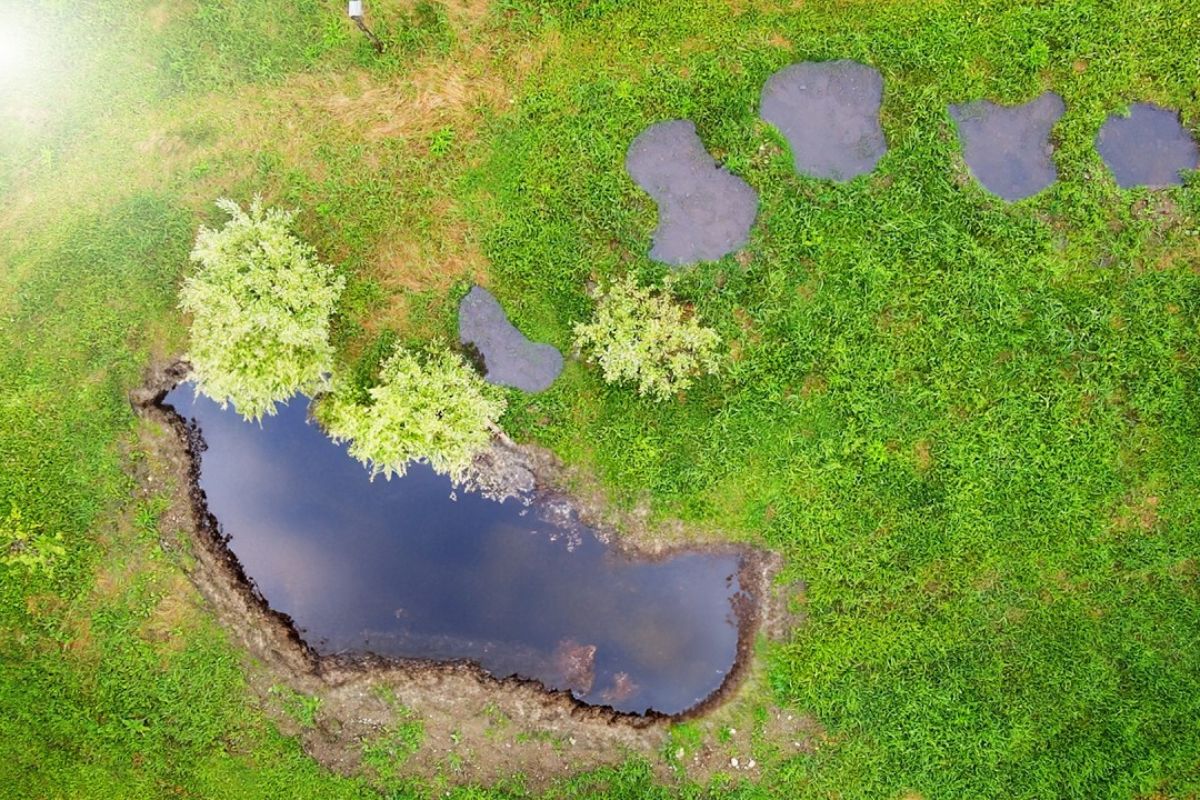


The 0.6 m Lake Was Excavated with an Excavator to Create a Vernal Pool Without Fish Near the Trout Pond, Capturing Meltwater and Rain. Within Weeks, Five Masses of Wood Frog Eggs, Branches, Leaves, Native Grasses, and Mud for Swallow Nests Appeared Near the Garage
The 0.6 m lake was born as a simple intervention in a lawn where water usually flows in the spring, taking advantage of snowmelt and heavy rains to form a seasonal vernal pool. The technical goal was straightforward: to provide a fish-free breeding site, as trout increase the predation of tadpoles and can deter amphibians sensitive to substances released in the water.
The project was linked to a larger transformation of the land, with thinning of pines and the intention to create refuges with logs, branches, and leaves on the forest floor. In this context, the low-cost vernal pool became an “ecological shortcut” close to the house, reducing reliance on a more distant forest lake and increasing the chance of colonization by amphibians in a few cycles.
Why the 0.6 m Lake Was Thought of as a Vernal Pool and Not as a Permanent Lake

The choice of a vernal pool has a biological logic: it is a temporary body of water that remains flooded long enough for eggs and larvae to complete their cycle and then dries up.
-
Italian researchers have detected what appears to be a second Sphinx buried under the sands of Egypt, and satellite scans reveal a gigantic underground megastructure hidden beneath the Giza Plateau for over 3,000 years.

-
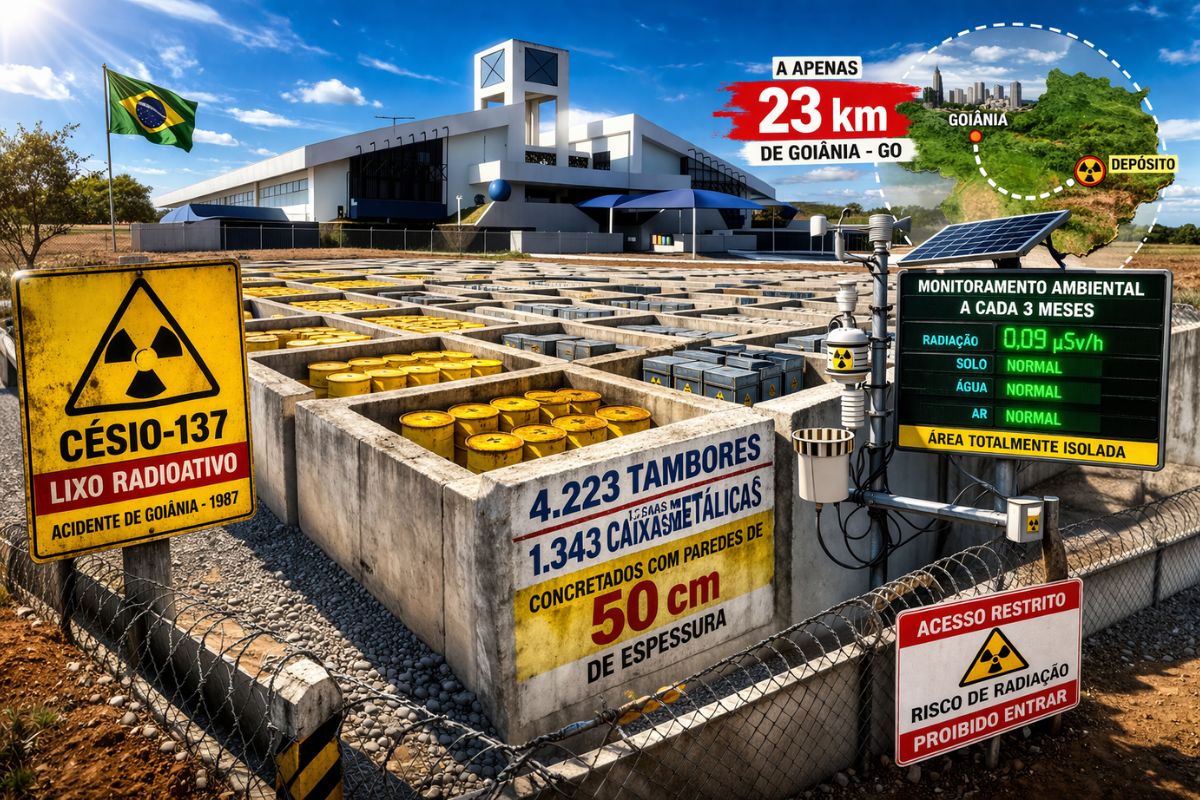
There are 4,223 drums and 1,343 metal boxes concreted with 50-centimeter walls that store the radioactive waste from Cesium-137 in the worst radiological accident in Brazil, just 23 kilometers from Goiânia, with environmental monitoring every three months.
-
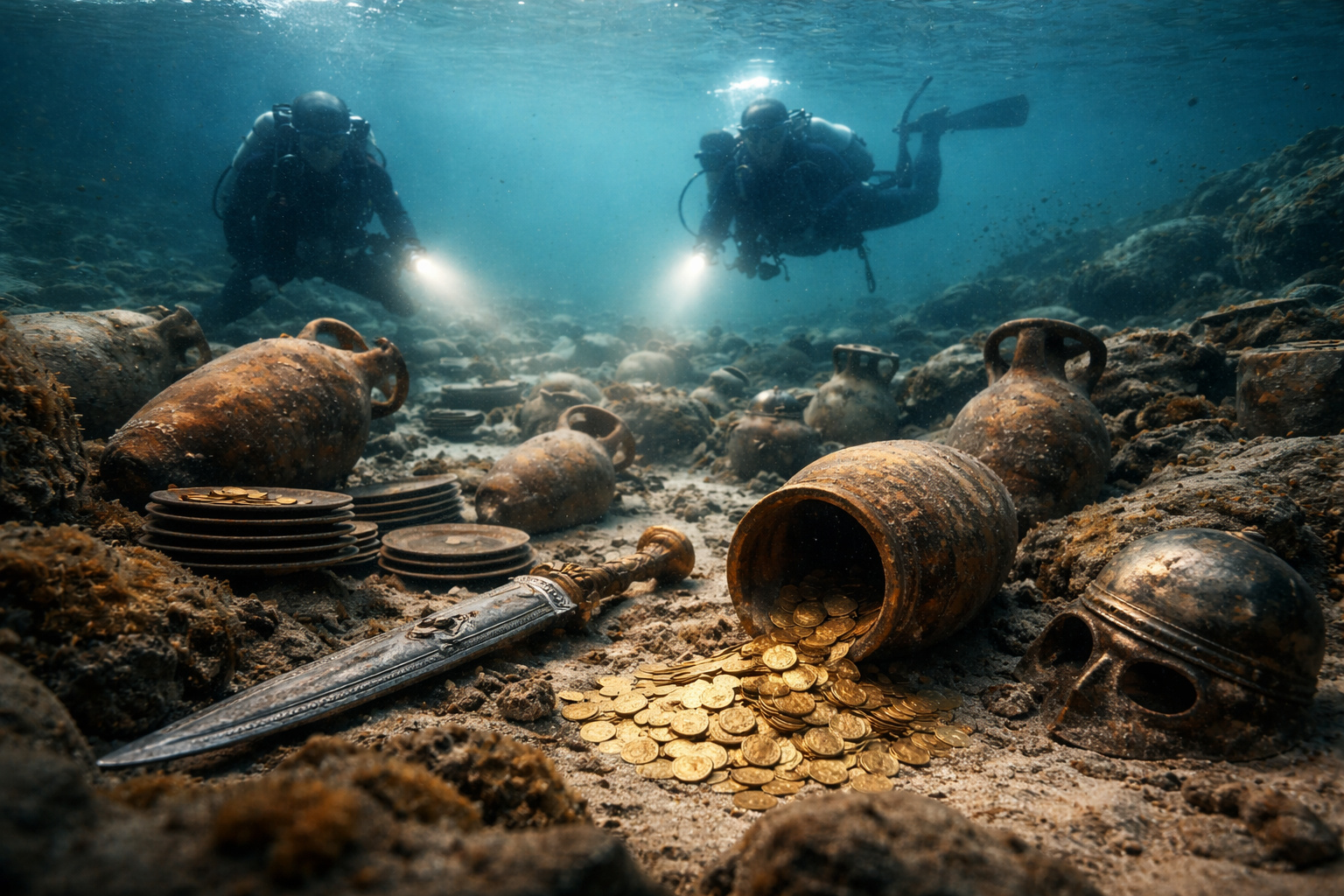
Giant Roman treasure found at the bottom of Lake Neuchâtel in Switzerland reveals an advanced trade system, circulation of goods, and armed escort in the Roman Empire about two thousand years ago.
-
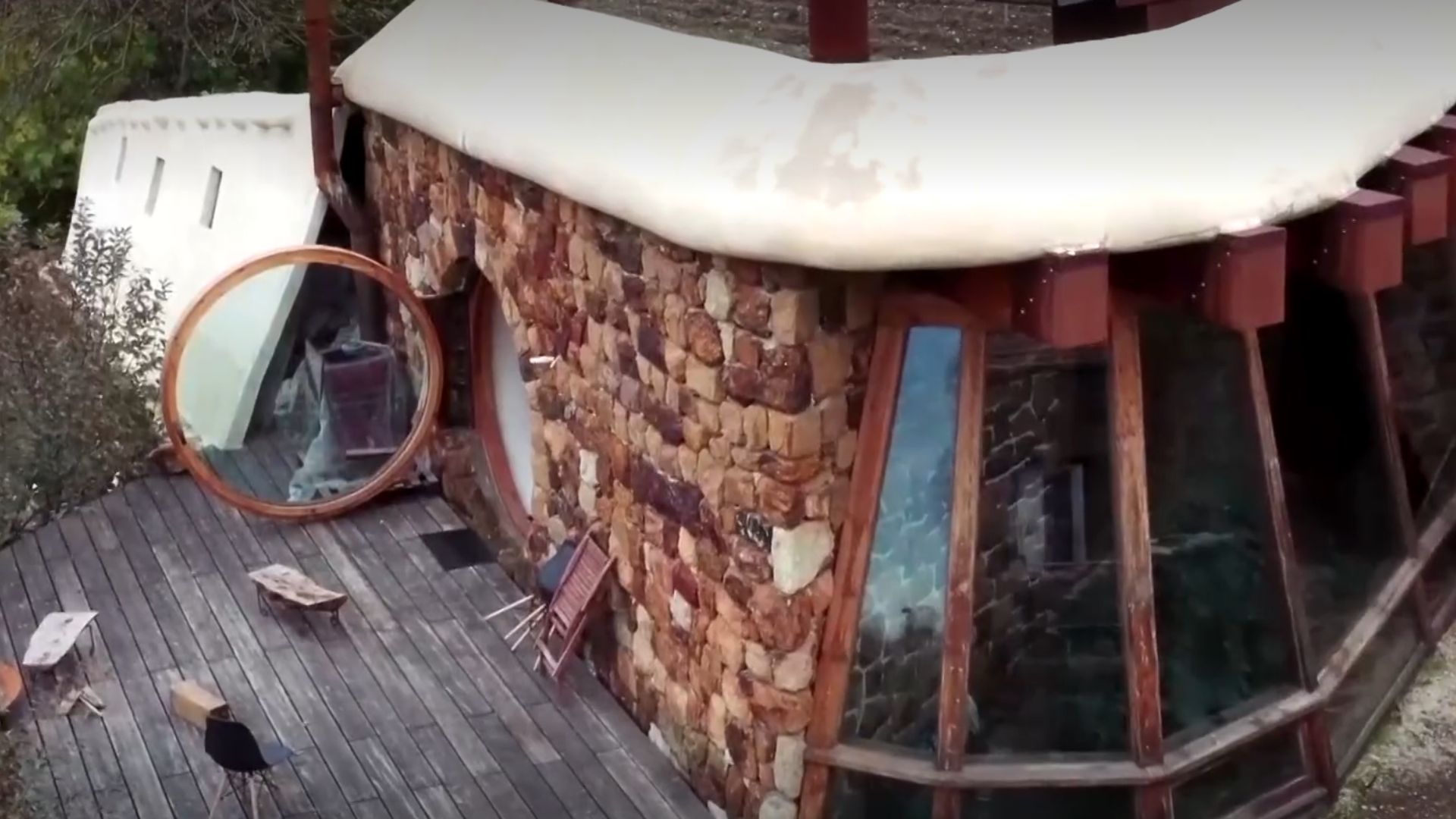
He buried 1,200 old tires in the walls to build his own self-sufficient house in the mountains with glass bottles, rainwater, and an integrated greenhouse.

The declared goal was to hold water until the beginning or the end of August, when the lake is expected to begin drying completely.
The depth was kept low, with the deepest point around 2 feet, a standard compatible with vernal pools, which usually have 3 feet or less.
Shallow water tends to heat up faster, have more oxygen, and accelerate the development of eggs and larvae, which is crucial for amphibians that need to close their cycle before drying.
Location and Hydrology: Capturing the Flow That Was “Fleeing” Through the Road Ditch

The chosen location was a grassy area where water flows through the land in the spring and accumulates in the ditch by the road.
Additionally, when the trout pond overflows and the main runoff cannot handle it, there is a second outlet point that also crosses this grassy area.
The reading was pragmatic: instead of letting the water run off and leave the property, the 0.6 m lake was positioned to intercept and retain part of that volume, creating a partially flooded point throughout the year and dry the rest of the time, a condition that attracts a specific set of plants and animals different from permanent lakes.
Excavation, Auxiliary Depressions, and the “Dam” of Clay Made on the Fly
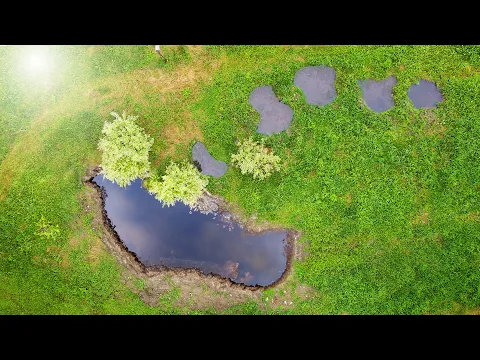

Before the main pool, small shallow depressions were opened to capture water for a day or two and slowly divert the flow towards the 0.6 m lake.
The function of these micro-basins was to reduce erosion at a point where water flows fast in the spring.
The excavation of the main lake used an excavator, and the removed soil was piled up at the lowest part to form a small barrier.
The account itself acknowledges that it is not a “correct” engineering dam, lacking a core and compacted layers, but the decision had a reason: the location has deep clay, and excessive sealing could prevent the planned drying in August.
Contingency Plan: Spring Water from the Trout Pond to “Complete” if It Dries Early
The project included an operational backup.
The trout pond is fed by a subterranean spring and, even in hot and dry periods, tends to overflow.
If the 0.6 m lake dries up too quickly, the proposal is to temporarily divert this overflow to “recharge” the vernal pool.
The strategy was to delay this reinforcement at first to observe the natural performance of the pool, measuring how long it retains water without intervention and if drying occurs within the expected window.
Nursery Structure: Branches, Leaves, and Edges with Native Grasses
The day after the excavation, after the sediment settled, the level of the barrier was adjusted, and branches were added for amphibians to lay eggs and for dragonflies to have a landing point.
A bucket of leaves was incorporated to enhance cover, shading, and microhabitat.
The edge of the 0.6 m lake received sowing of native grasses and wildflowers, aiming to stabilize the slope, create diversity, and over time, form dense vegetation in the shallow water, providing shelter and food for tadpoles.
Results in Weeks: Five Masses of Wood Frog Eggs in a Still “Raw” Lake
After a few quiet days, the first wood frogs appeared.
To avoid interference, observation was conducted at a distance until the breeding period ended.
The final record pointed to five masses of eggs within the 0.6 m lake.
The data is relevant because the account admits there was still little vegetation and cover at that initial stage.
Even so, the occupation occurred quickly, suggesting that the combination of “fish-free water + close location + basic microhabitat” was sufficient to trigger reproductive use.
Mud for Nests: The 0.6 m Lake as Infrastructure for Swallows and Other Birds
Although the vernal pool was designed for amphibians, it was also designed with a second effect: to provide nearby mud for nest construction.
In the previous year, cliff swallows inspected the eaves of the roof but did not settle, and one hypothesis raised was lack of accessible mud.
The proposed solution was to keep part of the margin exposed to attract cliff swallows and allow them to use the mud.
The account also describes observations of other backyard birds in platform nests, with construction and reinforcement using mud, highlighting the role of the resource as an ecological input around the house.
Habitat Complements: Bat Box and Integration with Forest Recovery
With the activity of the 0.6 m lake growing, a bat box was installed behind the vernal pool, with the expectation that occupation may take more than a year.
The justification is to expand the “package” of wildlife in a spot that already concentrates water, insects, and vegetated edges.
The lake serves as part of a larger plan: to transform a plot of pines into a mosaic with clearings, logs, branches, leaves, and flower meadows, creating refuges and short routes for species that depend on different microhabitats throughout the annual cycle.
Would you dig a 0.6 m lake in your lawn to attract amphibians and swallows, or do you think keeping a vernal pool close to the house is too much work?










I would love to have this in my yard
I would absolutely do this! I LOVE it! 🥰❤️
Lovely! Exactly the kind of project i am working on in my yard here in northern California. i may have to modify or amend the soil to retain water longer. Thinking of experimenting with bentonite clay. Thank you for the article and video!