





 Portuguese
  English
  Spanish
  6 min of reading
  19 comments


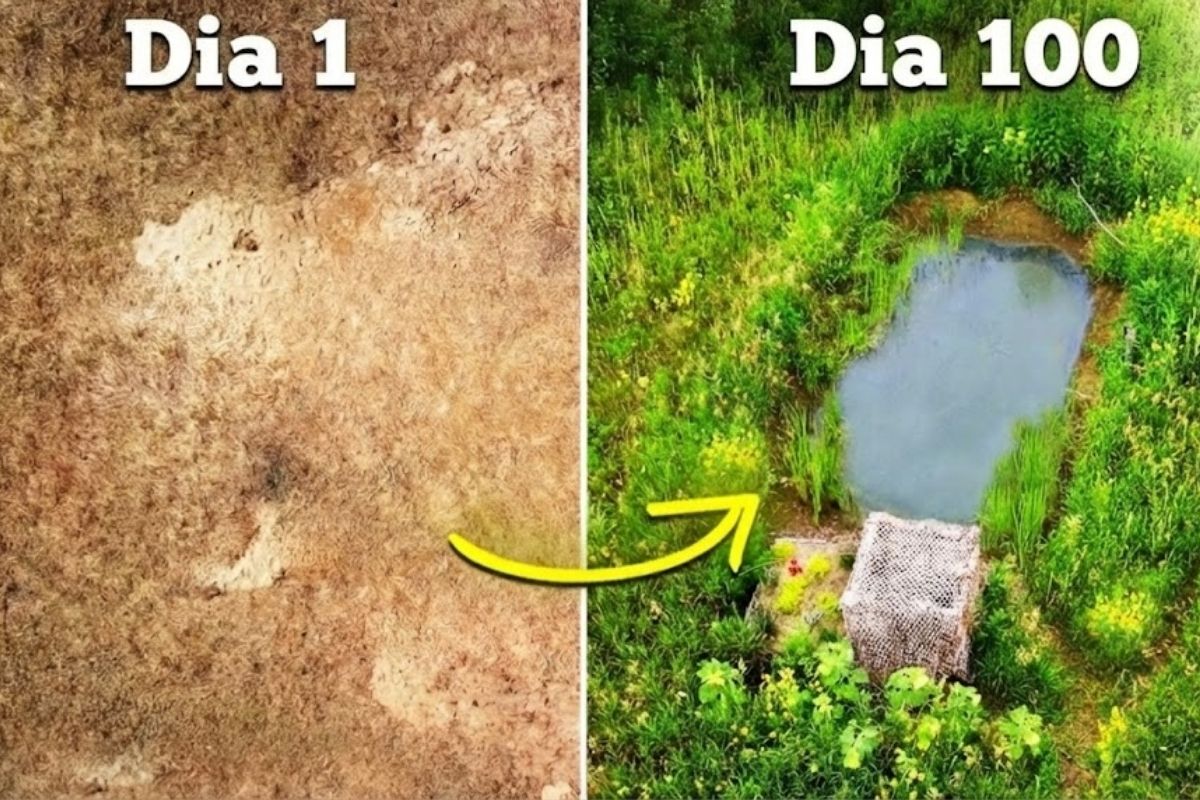


Excavated In Levels, With A Deep Point Of 1.2 M, The Lake Received Liner, Stone Wall, And Sand Borders. Around It, Two Dozen Native Wildflowers Were Sown And An Observation Shelter Was Created. After Rain And Hail, The Lake Turned Into An Ecosystem And Had No Mosquito Larvae.
Eight months ago, located in Montreal, Québec, a lake was dug in a dull lawn with a direct goal: attract local wildlife and create a healthy space that went beyond “having water,” also offering habitat, native flowers, and observation points.
The result, in eight months, was the formation of an ecosystem with a meadow of native wildflowers and an observation shelter, which withstood a rain and hailstorm and still showed a rare sign of quick success: absence of mosquito larvae.
From Idea To Project: Why Make A Bigger Lake

The decision to build the lake arose from a previous experience: a small lake made from leftover materials, with raised and steep edges, designed more for photography.
-
Rigid bags with their days numbered: new trend prioritizes comfort in 2026.

-
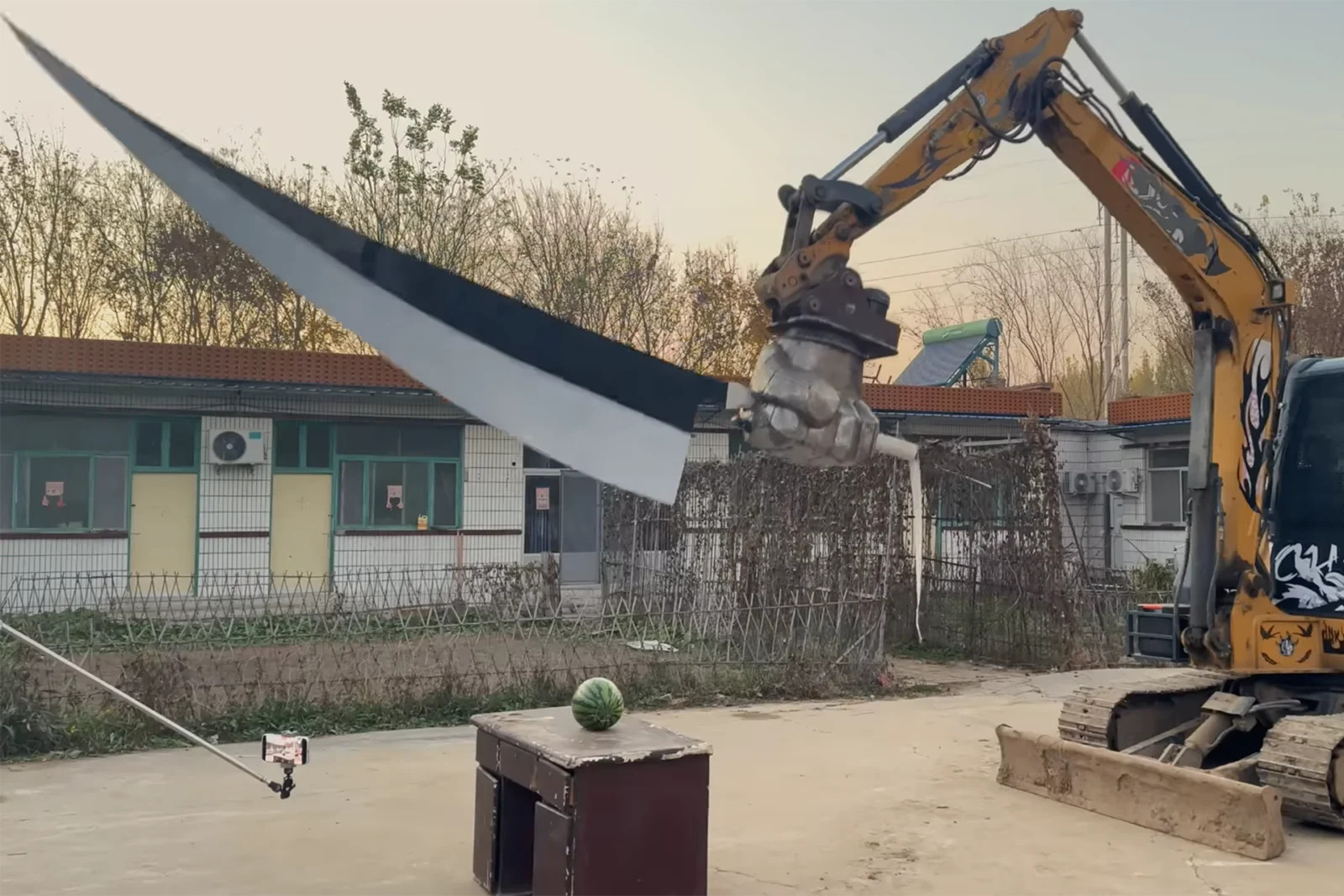
YouTuber creates an excavator equipped with a giant 4.5-meter sword to challenge his brother to a rematch, and the invention quickly goes viral on social media.
-
The U.S. Army surprises the world by presenting the UH-60MX Black Hawk helicopter capable of flying without pilots, controlled by a tablet, featuring the MATRIX system, smart sensors, and full autonomy in real combat and rescue missions.

-
Heineken’s factory in Brazil produces 300 million beer cans in just 4 months, reaches 1 million hectoliters, received R$ 2.5 billion, and is already projecting an annual capacity of 5 million with sustainable technology.


Since there was only one entrance and one exit, the setup helped film animals visiting the water.
In the following months, observing how many species benefited, the ambition came to deliver “something even better”: a lake friendlier to wildlife, with water and also beneficial habitats and native flowers.
Excavation In Levels And 1.2 M Deep: The Base Of The Lake

The work began after several warm and sunny weeks in March when the snow melted. First, all the snow was removed and the grass was taken away.
Then came the different levels of the lake. At its deepest point, it reached about four feet, approximately 1.2 m, designed to keep the water temperature more stable throughout the year.
This depth was also planned to favor submerged plants and create an area where frogs, tadpoles, and aquatic insects could escape from predators during critical moments of the life cycle in the lake.
Liner, Filling, And Sand Control: How The Lake Became “Infrastructure”
As soon as digging the lake was finished, the liner was installed. It was the first time with such a large coating, but the material was placed without holes or serious problems.
As the pipes leading to the old lake were still frozen, filling had to be done one barrel at a time.
While the lake filled, a small stone wall was built around the deepest edge to prevent sand from being washed away by the water from the edges.
Once filled, the remaining sand was used to fill the edges and smooth the surface around the lake, making the transition more stable and natural.
Observation Shelter: A Fixed Point To See Wildlife

Besides the lake, a hole about one meter deep was dug to build an observation shelter.
The proposal was simple, without sophistication: old pallets turned into a structure, with one side to sit and the other to stand.
From the design, it was also possible to create a small garden on the roof of the shelter.
For this garden, green onions and sedums were transplanted from the edges of the old lake, as a memory of the old project.
A camouflage net covered the outside of the shelter, integrating the observation point with the lake area.
Habitat Around: Meadow Of Native Flowers And Structures For The Lake Ecosystem
Before “closing” the old lake, cattails and reeds were transferred to the new location. Then came the heaviest phase: plowing the area around the lake and removing as much grass as possible to open space for the meadow of wildflowers.
The work took about 30 hours, and to keep up the spirits, the phrase “nature will find a way” was stuck in that part of the lake.
To complete the habitat, perches, brush piles, nesting boxes, and standing dead trees were added, creating resting, shelter, and feeding points.
A floating structure with willow branches was also built to aid in nutrient absorption and clean water, described as temporary until the lake vegetation established itself.
Two Dozen Species And Hail: The Test That Changed The Lake Meadow
The most anticipated stage was sowing the meadow. Two dozen species of native wildflowers were scattered around the lake, including some species of sunflowers to attract more seed-eating birds.
Before the seeds could germinate, a heavy rain and hailstorm flooded the area. Many seeds floated and grouped in low spots around the lake, causing the meadow to grow in clumps rather than evenly.
With the return of warm spring weather, bare areas began to be naturally filled in by other local plants, reinforcing the notion that the pieces of the lake’s ecosystem were “fitting together” over time.
Who Arrived First At The Lake And What It Revealed
The first visitors included diving beetles and species that feed in ponds. Eastern phoebes used the installed perches to catch insects.
Tree swallows inspected the nesting boxes. Brown thrashers hid in the brush piles. And, little by little, birds began to descend for the first time to <strongdrink and bathe in the lake.
In the shelter’s garden, the transplanted green onions bloomed early, offering pollen for insects, which attracted predators like jumping spiders.
There was also a significant setback: a nest was invaded by a red squirrel, and the birds did not return.
The account treats this as part of the process, reminding that predation is a component of a healthy ecosystem, and the lake continued to evolve.
Summer: Clearer Water And The Disappearance Of Mosquito Larvae In The Lake
With the arrival of summer, the warm weather and some rains gave the plants what they needed to take over the space.
The meadow gained color, and the vegetation around the lake grew. At one point, it was necessary to cut the grass in an area behind the lake to open space and create a small trail around it. A 50% water exchange was also made in the lake to try to reduce algae buildup.
During this period, strong signs of balance emerged: cattails and reeds thrived, roots spread absorbing nutrients, and the water became so clear that it was possible to see the bottom.
Observing the surface brought attention to a fact: the absence of mosquito larvae.
The explanation suggested is ecological: predators in the water, such as diving beetles, green frog tadpoles, and dragonfly nymphs, controlled the larvae, while adult mosquitoes faced predators like amphibians, spiders, birds, bats, and predatory insects, with the observation that a dragonfly can eat up to one hundred mosquitoes in a day.
Autumn, Damages, And Adjustments: When The Lake Needed Extra Protection
In the autumn, after a time away, it was noticed that something had caused damage in the lake: the floating structure was overturned, reeds had been trampled, and frogs and toads seemed more skittish, suggesting pressure from predators like raccoons.
The disappearance of smaller individuals also raised the hypothesis of snakes in the area, and their presence was linked to the lake’s ecosystem finding its balance.
In the final adjustment phase, the floating structure was removed because the plants around the lake were already well established.
Would You Dig A Lake In Your Backyard To Attract Wildlife, Knowing That The Project Might Require Ongoing Adjustments After Each Storm?








Aproveite e tire fotos ou grave vídeo mostrando como o lago está atualmente.
I WOULD LIKE TO DO THIS!
Questions:
1. How do you get a tarpaulin of that size?
2. I cannot visualize the structure created for observation. A photo would be very helpful.
3. I live in South Texas where the heat is extreme. Where is this man-made pond most likely to achieve these results?
4. Is there anywhere to find the directions for making one of these?
Fantástico! Mostrando que não é difícil preservar a natureza. É só compreender e ter amor por ela.