





 Portuguese
  English
  Spanish
  5 min of reading
  0 comments


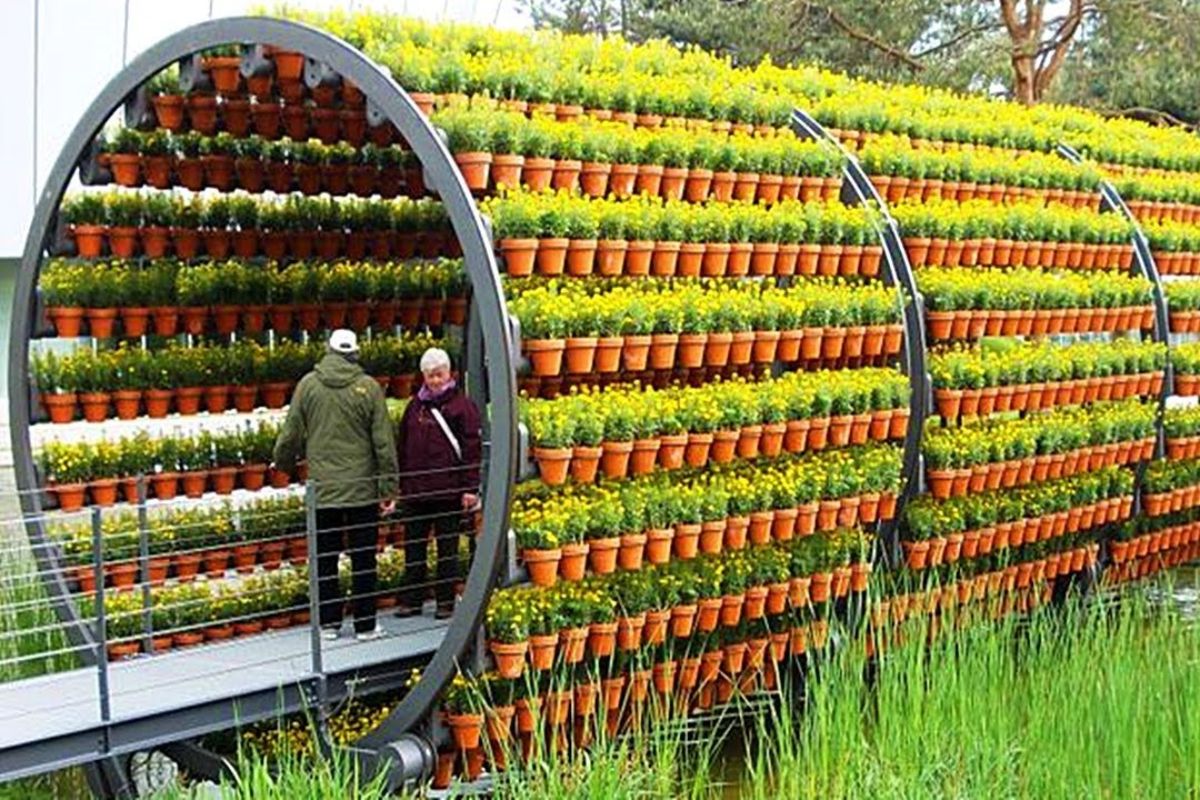
A Little Known Method Organizes Farming Work Around Automation, Machines, and Standardized Routines, from Apple Harvesting to Electric Manure Scrapers. Between Portable Milking, Automated Hydroponics, and Corn Silage, the Field Gains Technical Modules that Reduce Manual Effort and Expand Operational Predictability at Real Scale.
The report describes that a little known method is already appearing on real farms by combining automation and machines in continuous tasks, from the chicken coop to the orchard. The set includes apple harvesters with vibration and lateral collection, electric manure scrapers, and a 29 HP tractor that becomes a power source in the barn.
At the other end of the routine, the same little known method extends to portable milking with a pre-collector, automated hydroponics focused on lettuces and herbs, as well as straw and corn silage equipment. The logic is to treat each step as a technical module, with less improvisation and more controlled repetition.
The Little Known Method Behind Modular Automation

Referred to here as a little known method, the arrangement does not depend on a single invention, but rather on automation applied in blocks.
-
While the world looks at oil, the war with Iran is already disrupting helium supply from Qatar, affecting car and iPhone chips, threatening AI expansion, and putting pressure on aluminum packaging at the highest value in four years.

-
Global warming will expose a treasure hidden under the ice of Antarctica and may spark an international dispute over gold and valuable minerals.

-
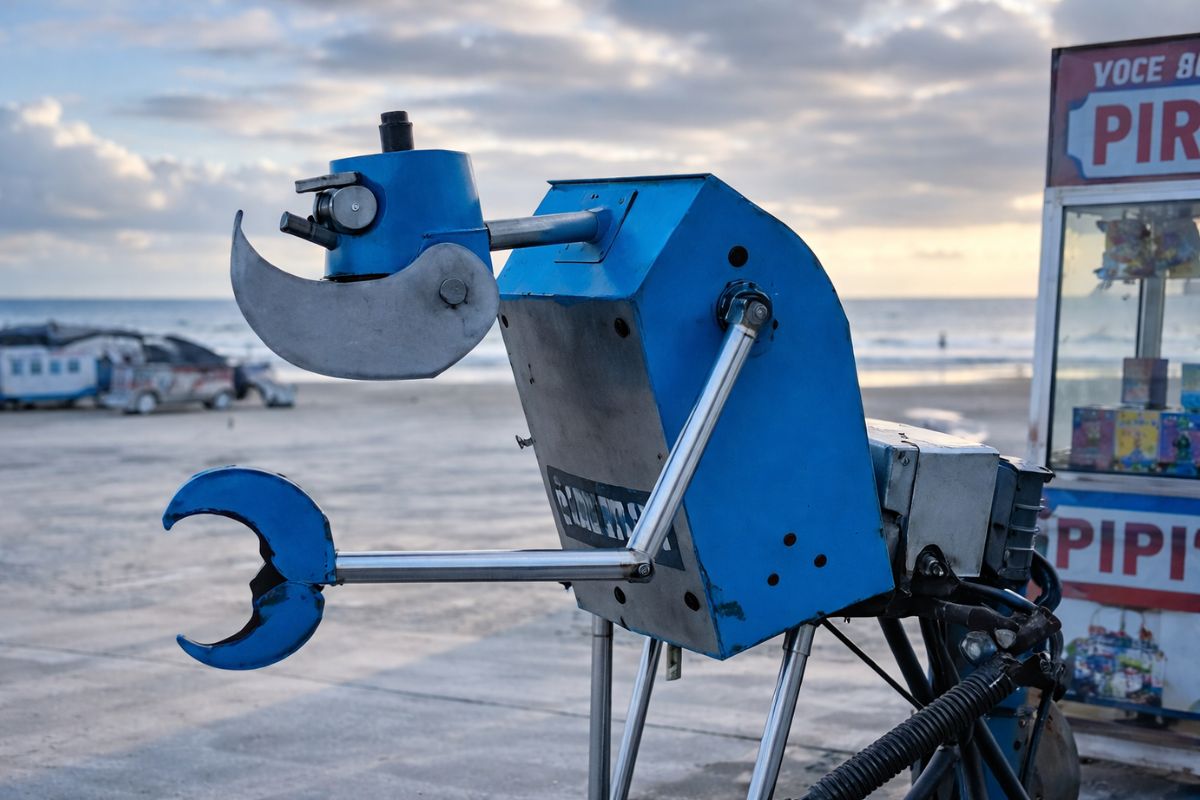
A street vendor from Praia Grande built a robot made of scrap from scooters and washing machines that pulls his popcorn cart on the beach, emits sounds, and interacts with customers, becoming an attraction on the coast of São Paulo.
-
The specifications of the Xiaomi 18 Pro Max have been leaked, and the highlight is a dual 200 MP camera with a new 22-nanometer technology that promises to consume less energy and capture details in shadows and bright areas using LOFIC HDR.


The field begins to operate with dedicated machines for each bottleneck, maintaining predictable workflow: inspection, harvesting, waste management, feeding, and processing.
In practice, the little known method appears when the farm replaces continuous manual effort with repeatable mechanical sequences.
It is at this point that automation and machines cease to be accessories and become operational infrastructure, with hydroponics and milking entering the same level of decisions.
Apple Harvesting with Vibration and Lateral Collection

The apple harvesting machine mentioned in the report works on a single system principle: vibration and collection are combined in a lateral machine positioned next to the tree.
The proposal is to harvest and collect with a single set, reducing steps.
Treating apple harvesting as part of the little known method gives the operation regularity.
Automation emerges in the repetition of the vibration and collection cycle, while machines take on the heavy work that previously depended on human rhythm.
Manure, Energy, and the 29 HP Tractor in the Barn

In daily management, the electric manure scraper appears as a multi-functional frame operated electrically, aimed at removing manure without relying on manual removal.
It fits into the little known method as a routine solution: clean, push, remove, repeat.
The 29 HP tractor, described as an indispensable helper in the chicken coop or barn, serves as a power and traction source for short tasks.
Here, automation is not just “high technology,” but the gain of rhythm when machines and driving force are available right at the point of use.
Portable Milking and Automatic Transfer to the Tank
The portable milking system allows taking the machine when the farm changes location.
The mentioned technical detail is the pre-collector: it automatically transfers the milk that reaches a certain amount to the collection tank.
This design fits milking into the little known method by reducing interruptions and standardizing the end of each cycle.
Automation is expressed in the automatic transfer; the machines maintain the process standard even with movement.
Straw, Bales, and Corn Silage with Cutting and Feeding
The straw cutter and grinder is described as equipment that professionally grinds and separates bales, preparing material with less manual effort.
Following that, the corn silage machine operates with cutting and feeding drums: they cut the corn and transfer it to the feeding unit.
According to the report, the feeding unit provides the highest quality grinding by feeding the fan with the grinding blades at the right angle.
When the little known method aggregates these two fronts, automation and machines shorten the path between raw material and feed, with corn silage entering a more controlled flow.
Automated Hydroponics and Rooted Cultivation
The automated hydroponic cultivation system, identified as Green Automation, is presented as having clear advantages over traditional cultivation methods.
It is designed for cultivating lettuces and herbs sold with the roots in a pot or as cut lettuce.
The hydroponic system uses a highly efficient plant tray and growth channels that allow for the use of various types of growing media.
Within the little known method, hydroponics becomes a production module with repetition and standardization, reinforcing series automation and reducing variations.
Dufttunnel, Flowers, and a Sensory Experiment
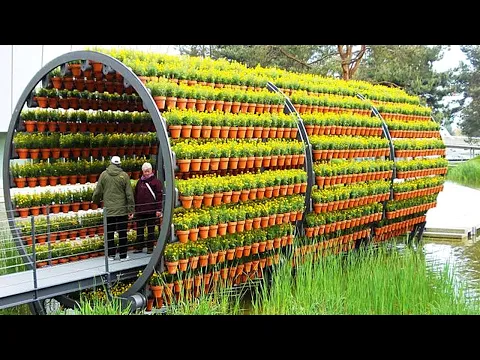
The report also mentions Dufttunnel, or Fragrance Tunnel, built by a Danish individual.
The visual description is straightforward: flower pots polished in gold 2160 rotating around, with the aromas of the flowers accompanying the experience.
Even outside the core of feeding and milking, Dufttunnel appears as a signal that machines and automation can enter cultivation and management areas with different objectives, including presentation and controlled environment.
Radishes and a Professionally Assembled Dairy Farm
The production of radishes is presented as the intersection between technology and cultivation, with the observation that this production can inspire.
In the same set, the dairy farm has production and assembly of barn and milking department equipment carried out by Sezer, with the assertion that the result is hygienic and healthy milk.
When the little known method stitches together radish production, milking, and barn infrastructure, the central point is integration: automation in specific tasks, dedicated machines, and hydroponics in parallel when the goal is to enhance consistency.
What emerges from this report is a little known method based on operational standardization: each step becomes a technical module, with automation where there is repetition and machines where there is continuous effort.
For those who closely follow the field, the next practical step is to map which daily bottlenecks could be attacked first, starting with manure, milking, or corn silage.
Have you seen this little known method in practice, or does it still seem like something from another world?










-

-

-

-

-

10 pessoas reagiram a isso.