





 Portuguese
  English
  Spanish
  4 min of reading
  0 comments


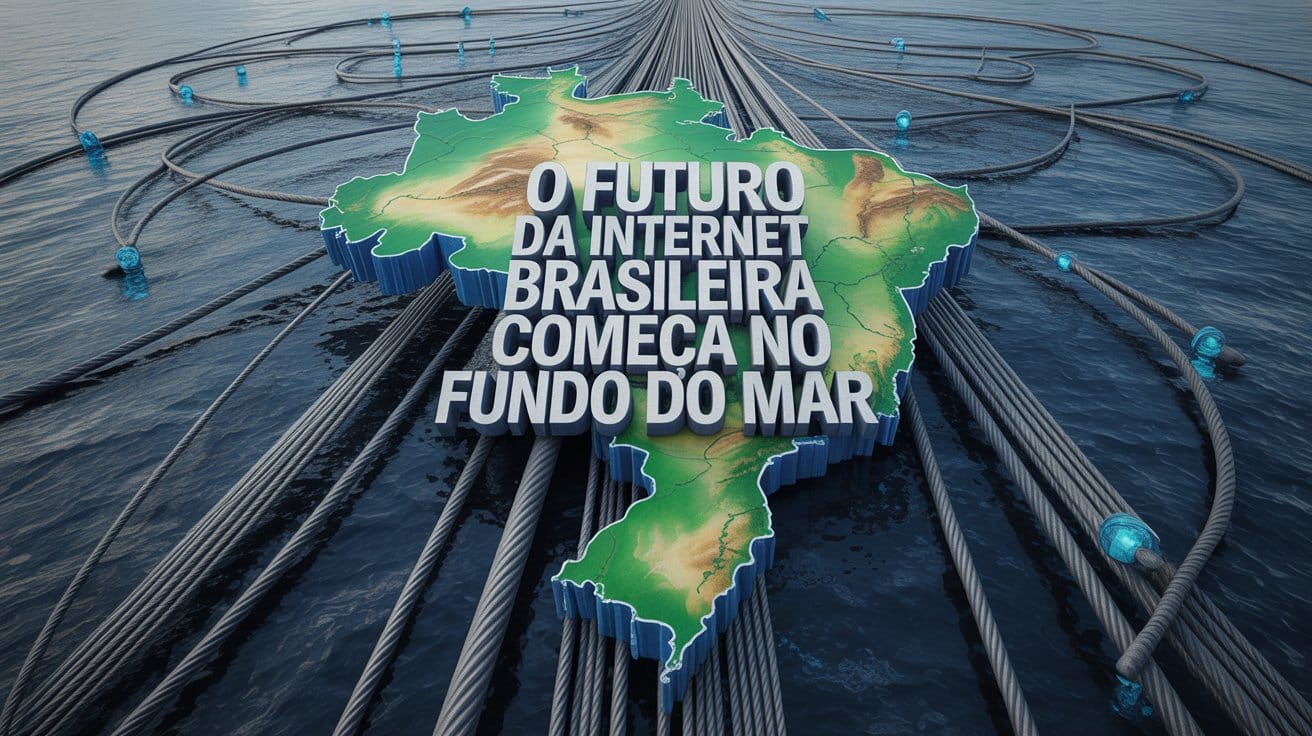
New Submarine Routes Promise to Revolutionize Connectivity in Brazil, Facing Historical Challenges and Opening New Paths for a Faster, Safer, and More Accessible Internet, Especially in Regions That Until Now Have Been Left Out of the Big Digital Networks.
The Brazilian government announced a strategic initiative to expand internet infrastructure in the country through the creation of the National Submarine Cable Policy.
The goal is to decentralize and expand the anchoring points of submarine cables, especially in the North and South regions, which are currently on the margins of the main connectivity routes.
This policy aims to strengthen the digital economy and reduce regional inequalities in internet access.
-
While the world looks at oil, the war with Iran is already disrupting helium supply from Qatar, affecting car and iPhone chips, threatening AI expansion, and putting pressure on aluminum packaging at the highest value in four years.

-
Global warming will expose a treasure hidden under the ice of Antarctica and may spark an international dispute over gold and valuable minerals.

-
The Argentine government celebrates the lowest poverty rate in 7 years, but experts warn that the methodology has changed, real wages have fallen, unemployment has risen, and the number of people on the streets of Buenos Aires has increased by 57% since Milei took office.

-
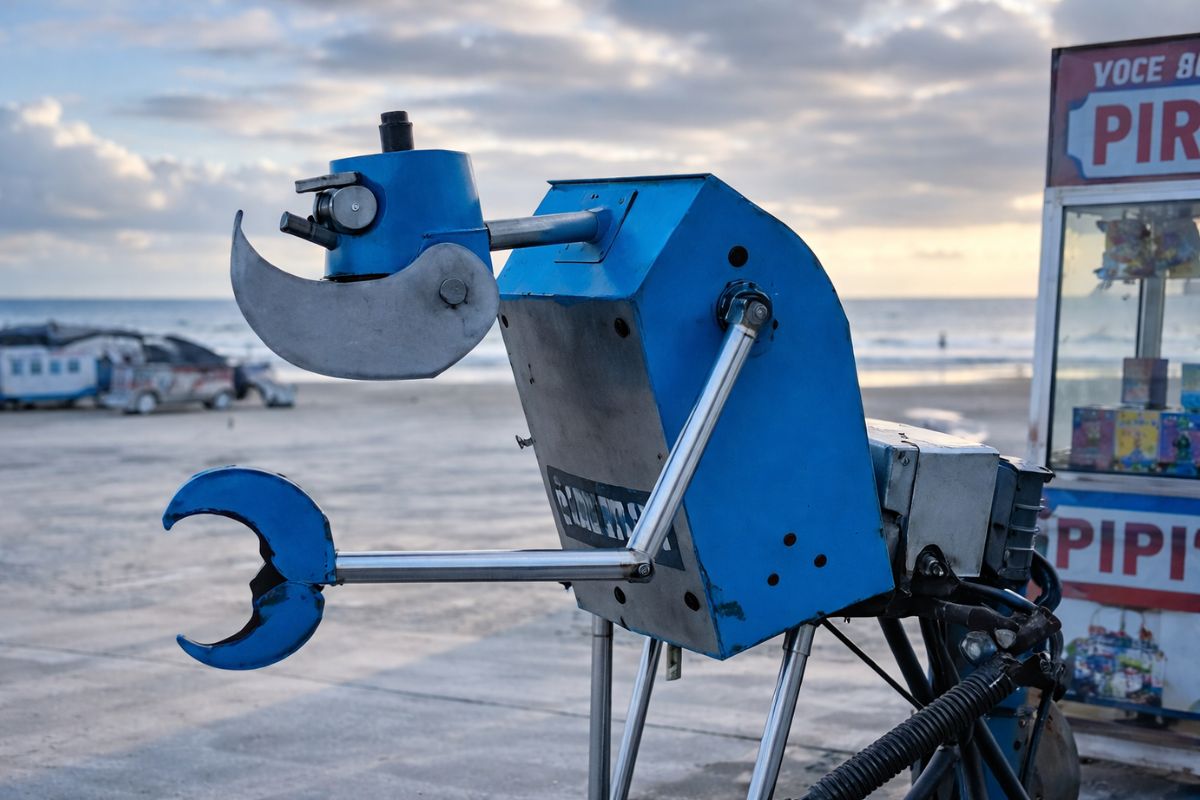
A street vendor from Praia Grande built a robot made of scrap from scooters and washing machines that pulls his popcorn cart on the beach, emits sounds, and interacts with customers, becoming an attraction on the coast of São Paulo.

Currently, about 99% of Brazil’s international data traffic is transmitted via submarine fiber optic cables.
However, most of these cables are concentrated in cities in the Southeast and Northeast, such as Fortaleza (CE), Rio de Janeiro (RJ), Salvador (BA), Santos (SP), and Praia Grande (SP).
This concentration poses a risk to the stability and security of the internet in the country, as any incident in these areas can significantly affect national connectivity.
The new policy foresees the creation of Zones of Interest for Anchoring (ZIAs) in regions not yet covered, allowing the installation of new submarine cables.
This expansion will provide greater capacity, speed, security, and redundancy to Brazil’s internet infrastructure, preparing the country for future challenges in the digital economy.
Significant investments are planned for this sector.
According to a report by consulting firm Analysys Mason, the submarine cable market in Brazil is expected to generate over R$ 56 billion in the next five years.
This investment is essential to position Brazil as a major player in the global telecommunications landscape.
Fortaleza and the Leading Role in Submarine Connectivity
Fortaleza stands out as an important tech hub, being the second largest in the world in concentration of submarine cables, with 14 connected cables.
The city is only behind Fujairah, in the United Arab Emirates.
The forecast is that Fortaleza will reach 18 submarine cables by 2021, becoming the largest fiber optic submarine cable hub in the world.
Companies like Angola Cables have been investing heavily in the region, connecting Brazil to Africa, Europe, and North America.
New Routes That Make a Difference
Projects like the EllaLink cable, which directly connects Brazil to Portugal, are examples of initiatives aimed at diversifying connectivity routes.
With a capacity of 100 Gbps, EllaLink reduces latency in data transmission between the two continents by up to 50%, benefiting millions of users.
This cable also represents an important step to ensure the neutrality of the Brazilian internet, avoiding dependence on routes that pass through the United States.
Risks of Concentration and Need for Protection
The concentration of submarine cables in certain areas also raises concerns about the security of the infrastructure.
In Fortaleza, for example, the installation of a plant in an area where 17 submarine cables arrive has raised concerns among telecommunications operators.
Any incident in this region can compromise connectivity for the entire country.
Therefore, it is essential for the federal government to intervene to protect these strategic areas.
Decentralization as a Solution
Decentralizing the anchoring points of submarine cables is a crucial measure to ensure the resilience of the Brazilian internet.
Anatel is studying regulations to distribute submarine cables throughout the national territory, avoiding concentration in a single location and increasing the redundancy of the infrastructure.
This strategy is fundamental to mitigate risks and ensure the continuity of internet services in case of failures or incidents.
The Role of the Private Sector
Companies like V.tal have played an important role in expanding fiber optic infrastructure in Brazil.
With over 426,000 kilometers of terrestrial fiber optic, V.tal interconnects 2,380 municipalities in Brazil and 26 countries, being the largest neutral network operator in the country.
The integration with the submarine cable operator Globenet further strengthens Brazil’s international connectivity.
A Strategic Advance for the Country
The implementation of the National Submarine Cable Policy represents a significant advance for Brazil, promoting digital inclusion and strengthening the country’s economy.
By diversifying connectivity routes and decentralizing anchoring points, Brazil will be better prepared to face the challenges of the digital age and ensure quality internet access for the entire population.
And you, do you believe that the decentralization of submarine cables is the key to a more stable and secure internet in Brazil? Share your opinion in the comments!






Seja o primeiro a reagir!