





 Portuguese
  English
  Spanish
  5 min of reading
  0 comments


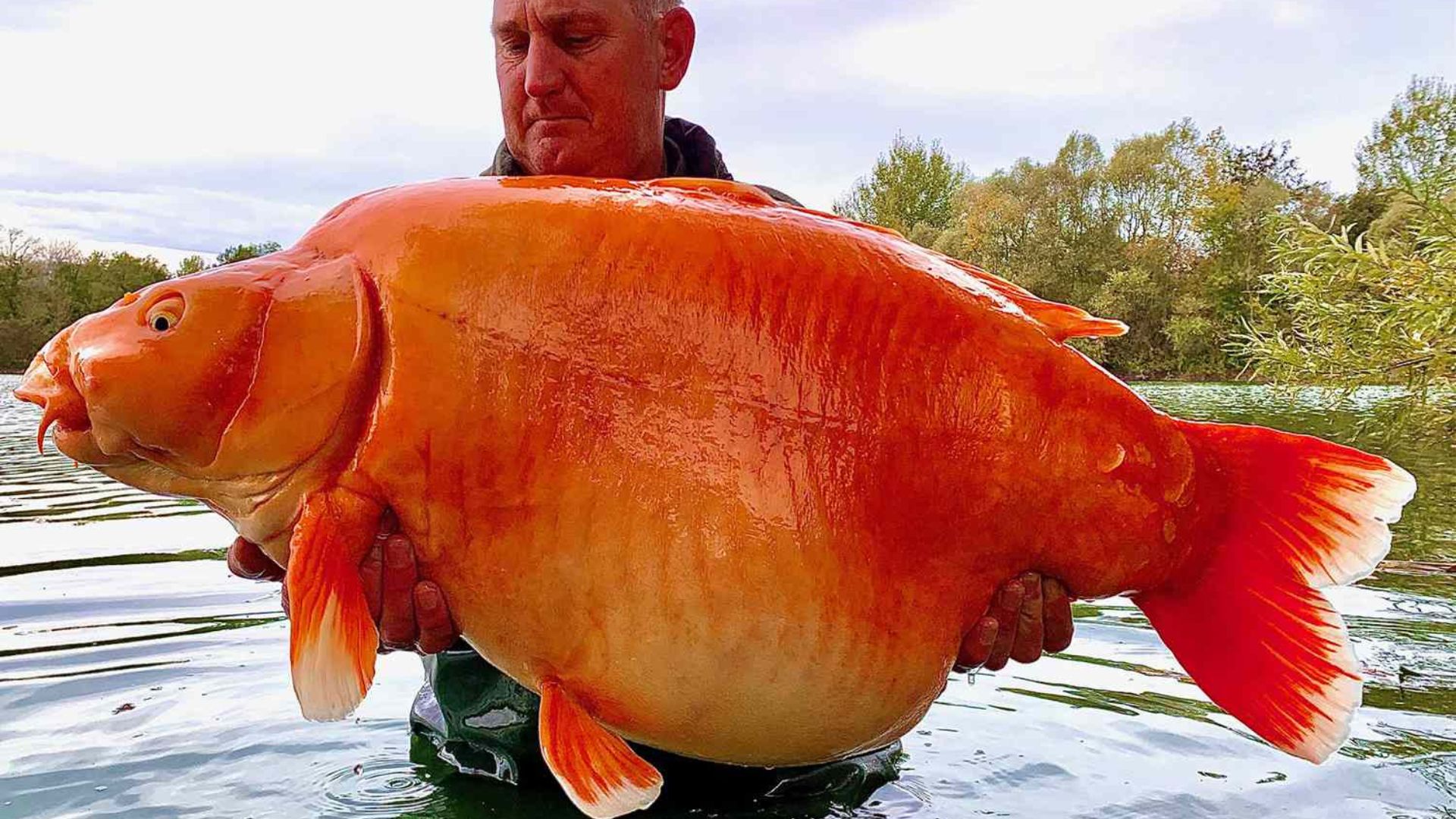
Popular Fish In Aquariums Can Alter Ponds And Dams By Stirring Sediments, Reducing Submerged Plants And Compromising Water Clarity. Outside The Home Environment, The Species Establishes Itself In Natural Ecosystems And Begins To Interfere With Ecological Dynamics, Environmental Quality And The Structure Of Aquatic Habitats.
Goldfish Outside The Aquarium And Environmental Impact
The goldfish (Carassius auratus), popular in aquariums and ornamental fountains, is often seen as a harmless domestic animal, associated with controlled and low-impact environments.
However, outside of this scenario, the same fish can transform into an exotic species capable of altering ponds, dams, and stretches of slow-moving rivers, with direct effects on turbidity, submerged vegetation, and water quality described in technical compilations and studies cited by scientific agencies.
Bottom Disturbance And Increased Turbidity
The most common trigger for these changes lies in the way the fish feeds and interacts with the bottom.
-
He started running at 66 years old, broke records at 82, and is now a subject of study for having a metabolic age comparable to that of a 20-year-old, in a case that is intriguing scientists and inspiring the world.

-
Oldest tree on the planet reappears after 130 years of searches: Wattieza, 385 million years old, was 10 meters tall and had no leaves or seeds; Gilboa fossils in New York solved the mystery in 2007.

-
A 48-square-meter house assembled in hours with 4,000 bricks made of recycled plastic that does not absorb moisture, has natural thermal insulation, and costs less than 90,000 reais in a complete kit.

-
Luciano Hang revealed that Havan’s air fleet has already accumulated more than 20,000 landings, 10,000 flight hours, and 6 million kilometers traveled, and he says that without the planes, the company would never have grown so quickly.


In natural environments, the goldfish can seek food near the sediment, stirring fine particles and organic matter deposited.
This resuspension increases the material in suspension in the water column and reduces clarity, creating the type of murky water that alters light dynamics and hinders the development of submerged plants.
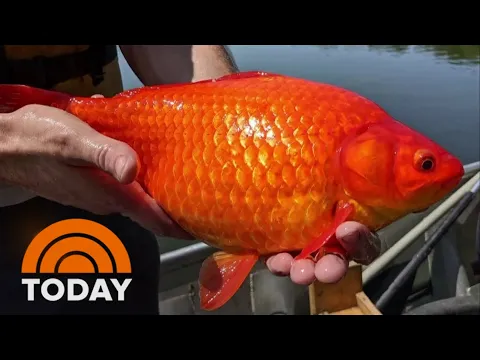

Light, Clarity And Loss Of Aquatic Plants
Turbidity is not just a visual detail because clarity controls how much light reaches the bottom in shallow systems.
When the water loses clarity, submerged macrophytes can lose vigor and cover, and areas that served as nurseries for fish and shelters for invertebrates begin to simplify.
The result observed in impact assessments is an environment with less structure, more exposed sediment, and greater ease for resuspension to repeat with wind, waves, and movements of bottom-feeding animals.
Sediments, Nutrients And Changes In Water Quality
Technical reports compiled by institutions linked to research on biological invasions describe this process as a type of habitat alteration because the fish not only occupies the environment but mechanically modifies it.
By stirring the bottom, the goldfish can contribute to the mobilization of nutrients from the sediment to the water, a scenario that, in certain systems, is associated with changes in water quality and the promotion of algal blooms.
In impact summaries, the behavior is described as capable of altering the water to the point of favoring blooms, a phenomenon that depends on multiple factors and tends to intensify when there’s an excess of nutrients in the environment.
Food Web And Habitat Simplification
In parallel, the loss of submerged vegetation alters the physical foundation of aquatic food webs.
Plants serve not only as a backdrop for the bottom but also as feeding and protection areas for small organisms, in addition to contributing to sediment stabilization.
When these plants decrease, species that depend on structured habitats lose space, while organisms more tolerant of low visibility and degraded conditions begin to dominate.
In ecological terms, the change can affect competition, predation, and food availability, reorganizing communities of fish, amphibians, and invertebrates.
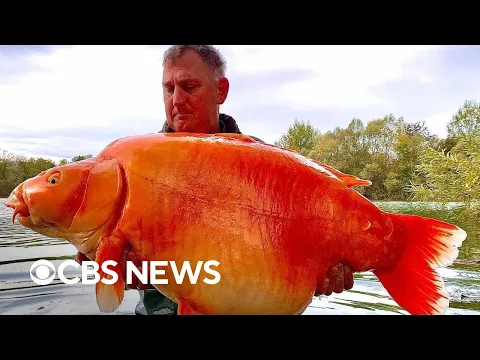
Introduction Routes And Expansion In Natural Environments
The presence of goldfish as an exotic species in natural environments is linked to well-documented introduction routes.
Among them are escapes from tanks and breeding facilities, disposal of live bait, and, most importantly, deliberate or accidental release of aquarium fish into urban lakes, canals, and park ponds.
Once established, the species gains an advantage by tolerating temperature variations, low oxygen availability, and elevated turbidity levels, characteristics recorded in technical profiles that compile scientific literature on its ecology.
Feral Populations And Competitive Advantage
This tolerance helps explain why feral populations tend to persist in altered environments, such as eutrophicated ponds and systems with fine sediment in suspension.
In locations with low predator pressure and continuous food availability, the fish can form large populations and amplify the cumulative effects of bottom stirring.
In assessments compiled from literature, there are references to the species’ ability to compete with native fish and, in some regions, to become dominant, reducing the density or replacing local species under certain conditions.
Change In Appearance And Silent Invasion

The contrast between the decorative image of the fish and its potential impact on natural environments also involves a detail known to biologists and managers.
Fish released into the wild do not always maintain the bright coloration typical of aquariums.
In technical descriptions, it is noted that even when very colorful forms appear in natural waters, the surviving offspring tend to display more subdued coloration, often olive green, associated with predation pressure and natural selection.
This change in appearance can cause the fish’s presence to go unnoticed, especially in turbid waters, reinforcing the silent nature of the invasion.
Urban Ponds And Perception Of Environmental Quality
In urban ponds, where public contact with the water is direct and visual perception weighs heavily in assessing environmental quality, the turbidity sustained by benthic fish can be confused with an inevitable local problem.
The difference is that when there is a biological component maintaining the sediment suspension, the recovery of clarity may depend on more complex interventions, which go beyond spot cleaning or litter removal.
Ecological Dynamics And State Change
The topic also connects to indirect impacts.
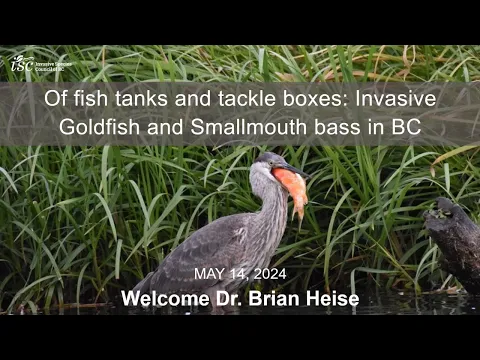
With less submerged vegetation and more exposed sediment, the water tends to be more vulnerable to resuspension by wind, and the instability of the bottom hinders the return of plants.
This type of dynamic is described in limnology as state change in shallow systems, where the environment can alternate between a clearer, vegetated condition and another murkier, impoverished in macrophytes.
Environmental Management And Consequences Of Pet Release
In terms of management, the goldfish presents a recurring dilemma for cities and recreational areas.
It is a species widely marketed, linked to cultural habits and the pet market, but that, out of control, has the potential to interfere with ecosystem services and local biodiversity.
Water clarity influences recreational use and public perception, while submerged vegetation supports food webs and shelter for various species.
When a pond loses structure, the chance of ecological simplification increases, with less diversity and greater dominance of tolerant organisms.
The scenario described by scientific databases and environmental agencies shows that the goldfish is not just an intruder in the landscape, but an agent capable of disturbing the bottom and altering fundamental ecological processes, especially in shallow environments already pressured by fine sediments and nutrients.
If a fish associated with aquariums can reshape entire ponds by stirring sediment and uprooting plants, why is the release of pets still treated as an action without consequences in so many cities?








-

-

-

-

7 pessoas reagiram a isso.