





 Português
  Inglês
  Espanhol
  2 min de leitura
  1 comentário


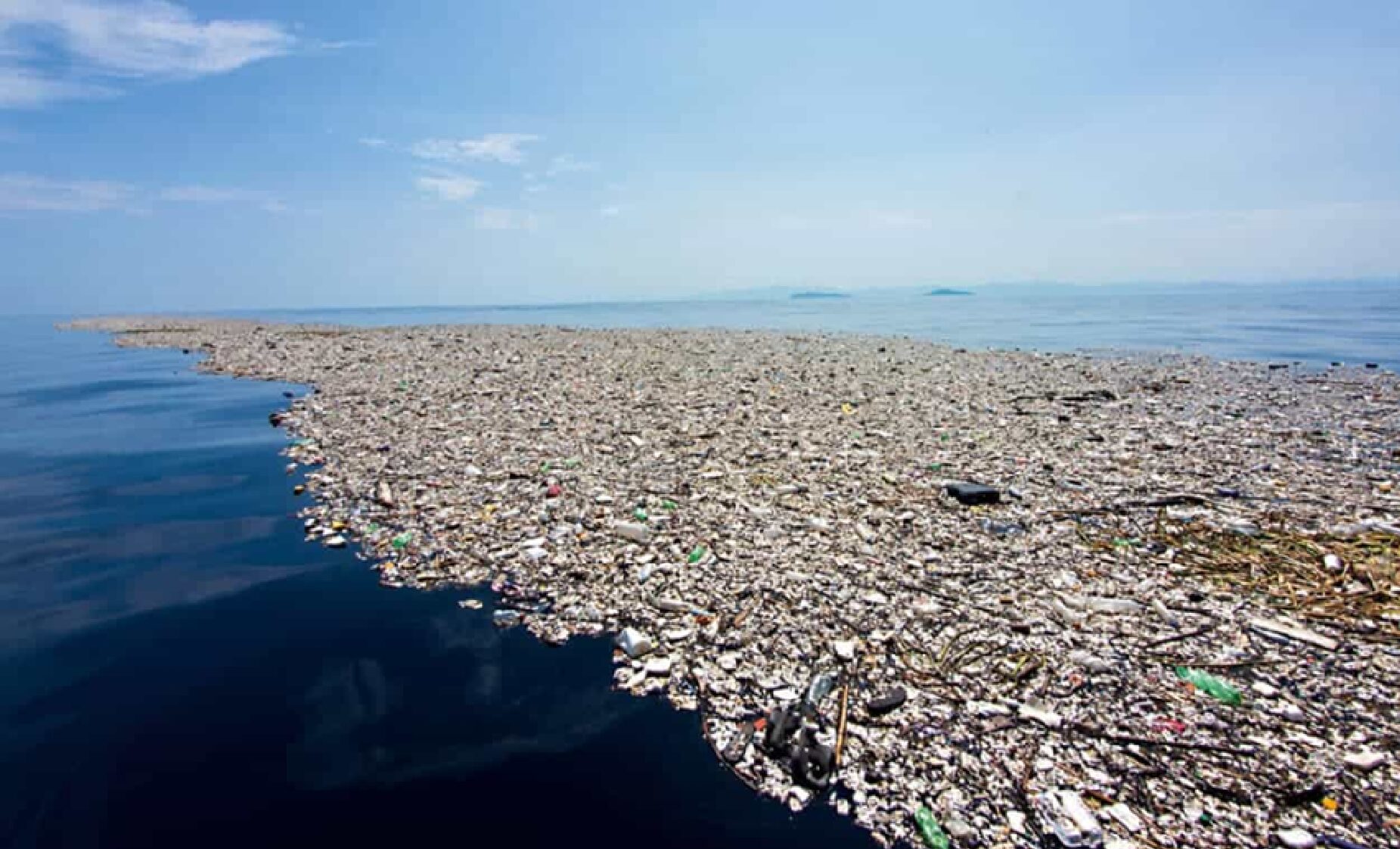

The “Island” of Plastic Between California and Hawaii Is Already 160 Thousand Sq Km, Has No Government or Inhabitants — and Threatens the Entire Planet
In the heart of the Pacific Ocean, between California and Hawaii, a massive patch of plastic waste silently floats, growing day by day. Known as the Great Pacific Garbage Patch, this formation already exceeds 160 thousand sq km, larger than countries like France or Germany — and there is no reason to celebrate, according to the NSC Total website.
No Land, No Human Life, But with Alarming Risks
This “island” has no solid ground. It is made up of a mix of plastic waste — many of them invisible to the naked eye — that, under the action of ocean currents, concentrate into a thick toxic soup. According to the NGO Oceana, 1.3 million tons of plastic are dumped into the oceans every year. And what goes into the sea… does not disappear.
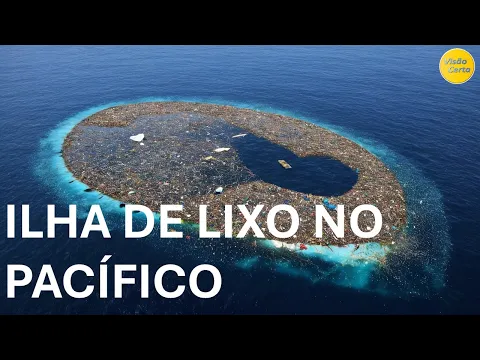

According to the BBC, the patch houses 1.8 trillion fragments, with 94% microplastics: tiny particles that arise from the degradation of bags, fishing nets, and discarded packaging — many of which date back to the 1980s. These particles are lethally absorbed by marine life, contaminating the entire food chain.
-
The world’s first octopus farm wants to open in the Canary Islands and is already provoking an international reaction: the plan aims to produce 3,000 tons per year.

-
Drought may be creating stronger superbugs in the soil and helping antibiotic resistance reach hospitals, warns a study highlighting a problem that could grow alongside extreme weather.
-
The biggest scam in history: Napoleon’s France deceived the United States by selling them a territory that was Spanish.

-
Why is the Danakil Desert so dangerous? It has unstable terrain and how extreme temperatures and toxic gases turn the region into one of the most hostile environments on Earth.

A Dystopian Ecosystem Is Emerging
Despite the toxicity, the waste attracts forms of life. Over 46 species of invertebrates have been identified colonizing the area, creating a new and frightening habitat. Scientists call this phenomenon “nepelagic”, a forced coexistence between coastal and oceanic species over human waste — a true dystopian ecosystem.
The island is growing. And no one can stop it!
- 160 thousand sq km of area (and increasing)
- 99.9% of materials are plastics
- Abandoned fishing nets make up the majority
- Zero international control or specific legislation
More than a symbol of the environmental crisis, the “plastic island” in the Pacific exposes the lack of effective global policies against the irresponsible disposal of waste. A territory without an owner, without law, and that threatens not only the oceans but the survival of us all.







Cara Robrta os dados da matéria estão equivocados. A ilha de lixo plástico tem cerca de 1,5 milhão de km2 do tamanho do Amazonas, ou 3x maior q a França Continental. E por ano são jogadas nos oceanos 8 milhões de toneladas de plástico. Forte abraço. Lufe Bittencourt, geógrafo.