





 Portuguese
  English
  Spanish
  5 min of reading
  0 comments


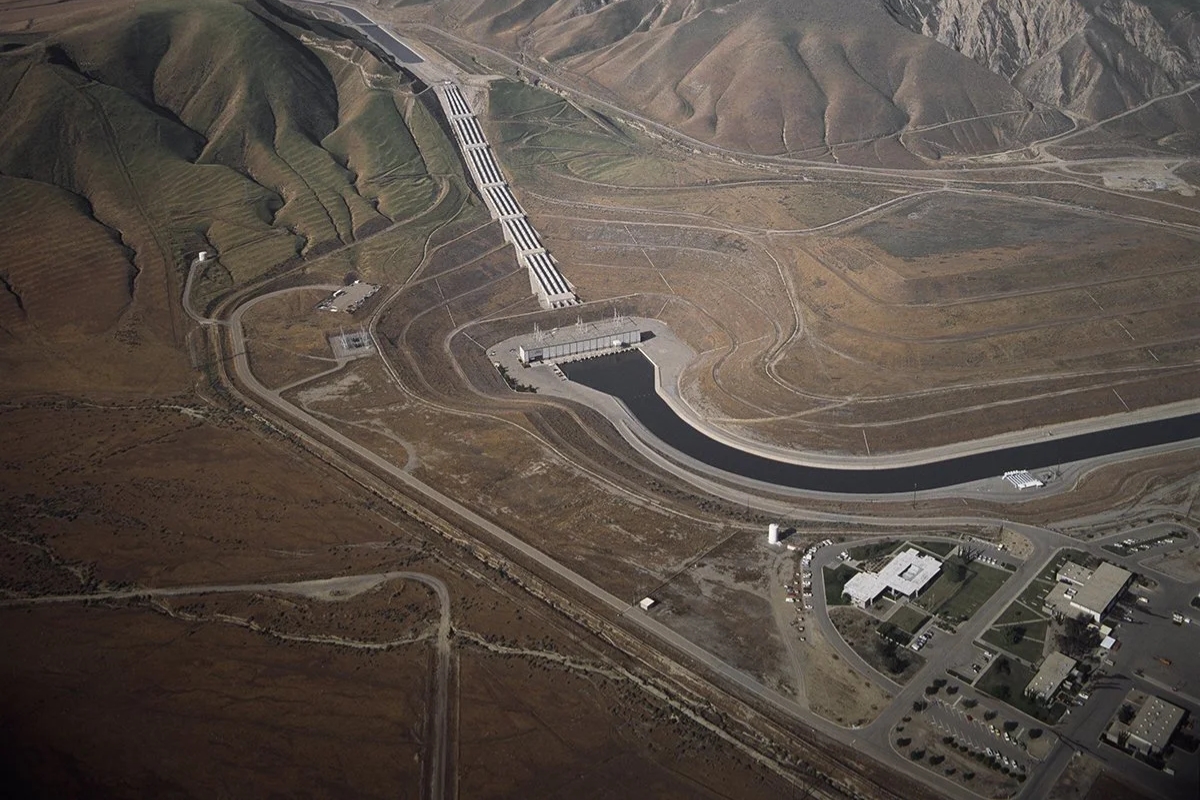
Mega Water Project Promises to Strengthen Supply, But Faces Resistance Due to Environmental Risks, Regional Inequality, and a Cost of $20.1 Billion
California is discussing one of the largest water projects in its recent history, the Delta Conveyance Project, which envisions the construction of a tunnel approximately 45 miles long, equivalent to 72 km, under the Sacramento San Joaquin Delta. The proposal arises in response to prolonged droughts, seismic risks, and rising sea levels, with the promise of securing water for millions of people.
At the same time, the project is facing intense criticism. Local farmers, fishing communities, Indigenous peoples, and environmental organizations view the project as an expansion of a system that concentrates benefits in wealthier regions while transferring environmental and social impacts to those living in the delta.
What Is the Delta Conveyance Project and How Would the Tunnel Work

The Delta Conveyance Project consists of constructing a large-diameter tunnel to capture water from the Sacramento River, north of the delta, and transport it underground to the aqueduct system of the State Water Project. This network supplies approximately 27 million people and around 750,000 acres of agricultural land in central and southern California.
-
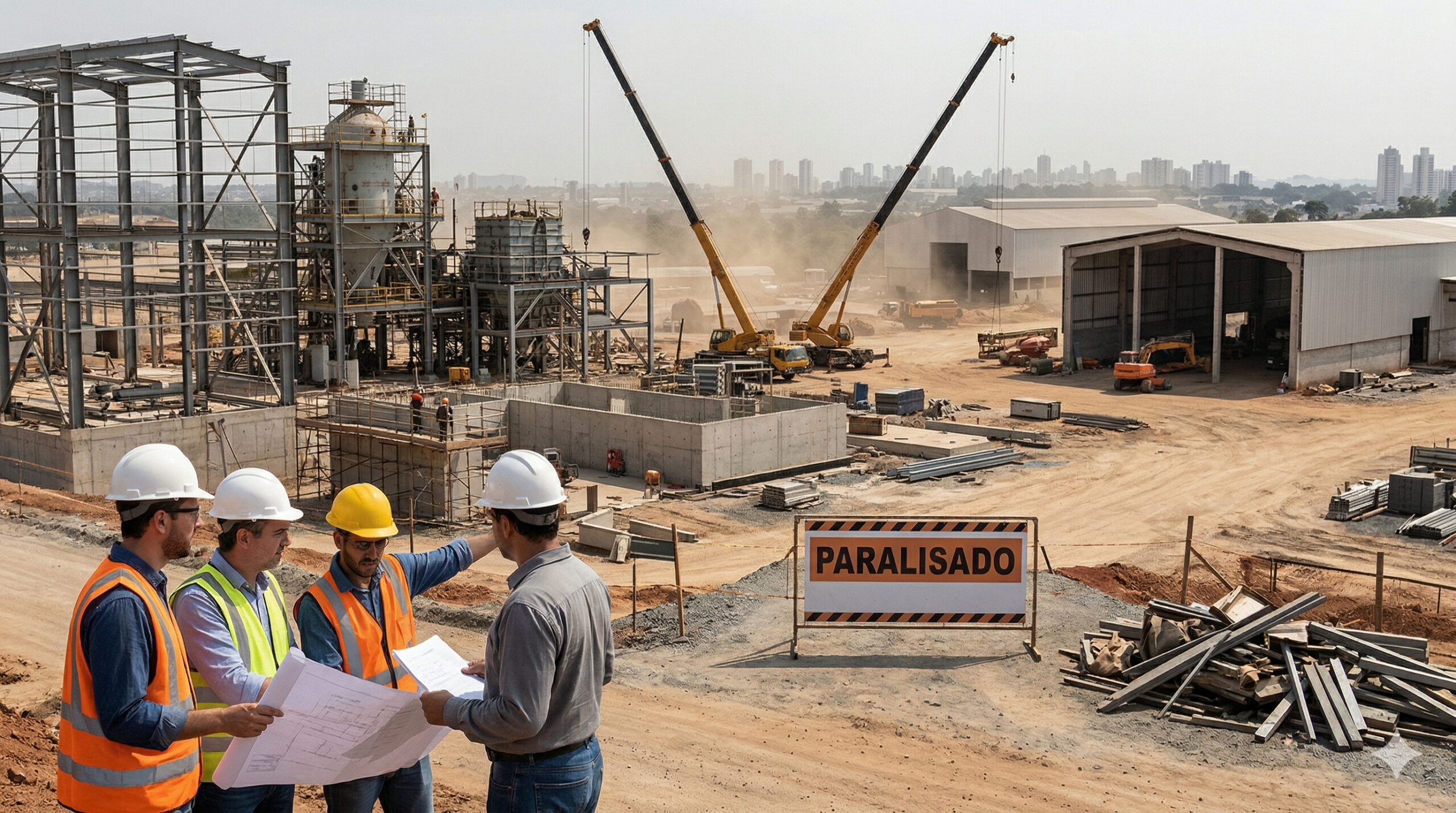
The lack of welders, electricians, and operators becomes a structural threat in 2025, with the construction industry and manufacturing already suffering from delays, cost pressures, and labor shortages in Brazil.
-
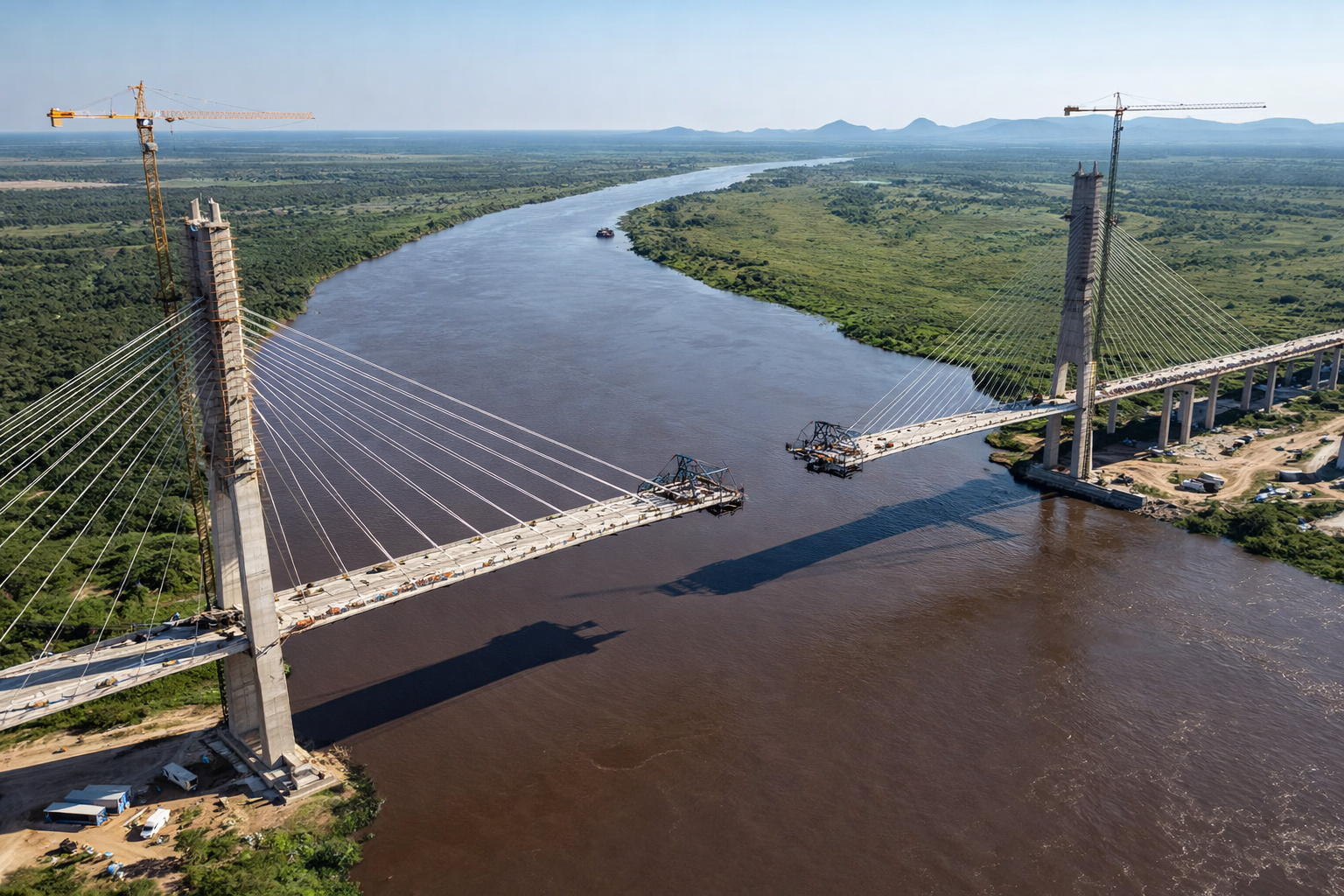
Brazil and Paraguay are just 46 meters away from a historic union on the bioceanic bridge that promises to revolutionize trade between the Atlantic and the Pacific.
-
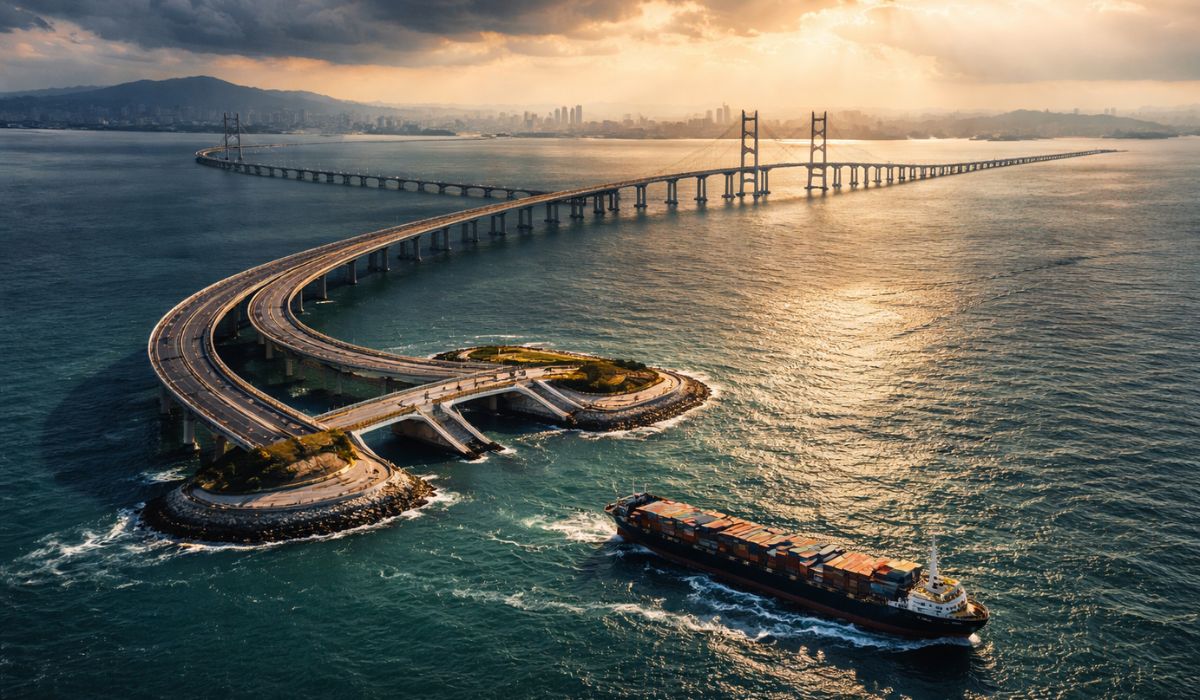
With 55 km over the sea, a cost of US$ 20 billion, and enough steel to build 60 Eiffel Towers, China’s largest project has connected Hong Kong, Zhuhai, and Macau in a colossal bridge that defies the logic of engineering.
-
A trick with joint compound transforms a Styrofoam ceiling into a plaster-like ceiling: leveled panels, wires and mesh at the joints, sand, paint, and change the environment while spending little today.


In practice, the tunnel would function as a second water transport route, parallel to the existing open-channel canals that cross the delta. These existing structures are considered vulnerable to prolonged droughts, rising salinity from the bay, and potential damage caused by major earthquakes.
Why the State Advocates the Project as Strategic for Climate
The state government and major water districts view the tunnel as a central piece of adaptation to climate change. The Sacramento San Joaquin Delta is the main conduit for the state’s surface water but faces increasingly unstable flows and greater environmental pressures.
With the current infrastructure, rising salinity and the limits imposed to protect native species tend to reduce the volumes pumped south. The tunnel would allow bypassing some of these restrictions, providing greater operational flexibility in extreme climate scenarios.
The Promise of Increased Water Supply

Projections indicate that the State Water Project could see an increase of about 17% in water deliveries compared to a scenario without the tunnel, considering future climatic conditions. This gain would help offset reductions caused by saline intrusion and environmental rules aimed at protecting native fish.
Another recurring argument is the role of the tunnel as a kind of seismic insurance. A major earthquake that breaks the levees in the delta could render the current infrastructure inoperable for months or even years, while an underground structure would have a higher chance of remaining operational or being repaired more quickly.
Billion-Dollar Costs and the Project’s Bill
The estimated cost of the Delta Conveyance Project has undergone significant revision. In 2020, the figure was around $16 billion, but it has been updated to $20.1 billion after project adjustments and inflation effects.
Projections of economic benefits reach approximately $38 billion, mainly based on reduced rationing and increased reliability of urban supply. The estimate suggests that every dollar invested could generate about $2.20 in benefits, focused on water supply security.
Who Opposes the Tunnel and What Are the Main Arguments
Opposition to the project includes delta farmers, fishing communities, tribal governments, and environmental justice groups. For these sectors, the tunnel reinforces a historical model of diverting water from the north to serve the more powerful urban and agricultural interests of the southern part of the state.
Local producers warn that extracting large volumes of water before it passes through the delta may worsen the salinization of the region. Lower flows hinder the control of marine intrusion and reduce the capacity to dilute contaminants, directly affecting the quality of water used for irrigation.
Impacts on Fishing and Salmon in California
Fishing-related communities highlight that salmon fisheries have already faced several closures due to a lack of cold flows and habitat degradation. The concern is that the tunnel would draw even more water from rivers that are already operating at the limit to sustain healthy fish populations.
There is also fear that the existence of a large export infrastructure will increase political pressure to relax environmental protections. This could reduce the chances of salmon recovery and affect thousands of jobs linked to commercial and recreational fishing.
Water Justice and Indigenous Peoples’ Claims
The debate goes beyond technical and economic issues and involves civil rights. At least two tribes have requested that the United States Environmental Protection Agency withhold federal permits for the project, citing disproportionate impacts on Indigenous peoples and communities of color.
In 2023, a coalition formed by 20 tribal governments, fishing organizations, and environmental groups reported ongoing issues in the delta, such as poor water quality, salmon mortality, and the proliferation of toxic algae. These effects are associated with decades of excessive diversions and a management focus on downstream users.
Federal Investigation and Critiques of the Management Model
At the same time, the Department of Justice and the Environmental Protection Agency have opened a civil rights investigation into how the state regulates water quality in the delta. This context enhances the political weight of the Delta Conveyance Project, which is now viewed as a symbol of a contested system.
Environmental organizations argue that moving forward with a $20 billion tunnel without revising water use rights and outdated environmental standards perpetuates concentrated and opaque decision-making, directly impacting vulnerable communities.
Politics, Acceleration Attempts, and Legislative Impasse
The project’s future heavily depends on state politics. Governor Gavin Newsom has attempted to pass measures to expedite environmental permits, limit legal disputes, and authorize bond issuances, classifying the work as essential infrastructure in light of the climate crisis.
In 2025, a new attempt at fast-tracking was stalled in the California Legislature. Delta representatives celebrated the blockage, stating that the tunnel would cause lasting damage to farms, cities, and local ecosystems, even with the provision of $200 million in compensatory resources for the region.
The discussion about the Delta Conveyance Project remains open and reflects a larger dilemma for California. The state seeks to adapt one of the world’s most complex water networks to a scenario of climatic extremes, but faces the challenge of doing so without deepening historical inequalities or transferring environmental costs to communities already living with the greatest impacts.







-

-

-

-

-

-

26 pessoas reagiram a isso.