





 Portuguese
  English
  Spanish
  3 min of reading
  0 comments


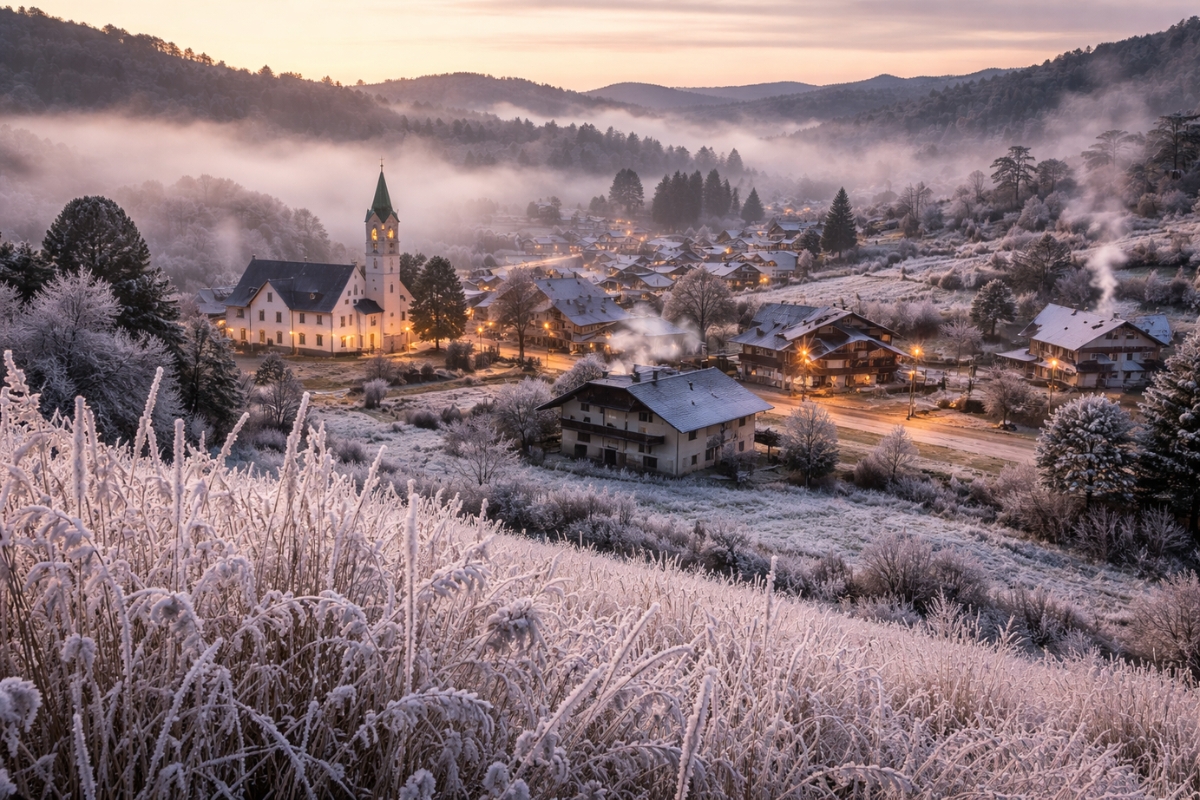
City of Serra Catarinense Attracts Visitors Seeking Winter Experiences and Boosts Local Business with Icy Landscapes and Traditional Cuisine
Urupema, in Santa Catarina, gained fame for recording below-zero temperatures and for offering a scenario rarely associated with Brazil.
In winter, the cold shifts from being just a challenge to a tourist attraction, with visitors looking for freezing dawns, white landscapes, and mountain weather.
The city also shows a direct impact on daily life: frost influences activities in the field and reinforces the local identity tied to winter.
-
The Argentine government celebrates the lowest poverty rate in 7 years, but experts warn that the methodology has changed, real wages have fallen, unemployment has risen, and the number of people on the streets of Buenos Aires has increased by 57% since Milei took office.

-
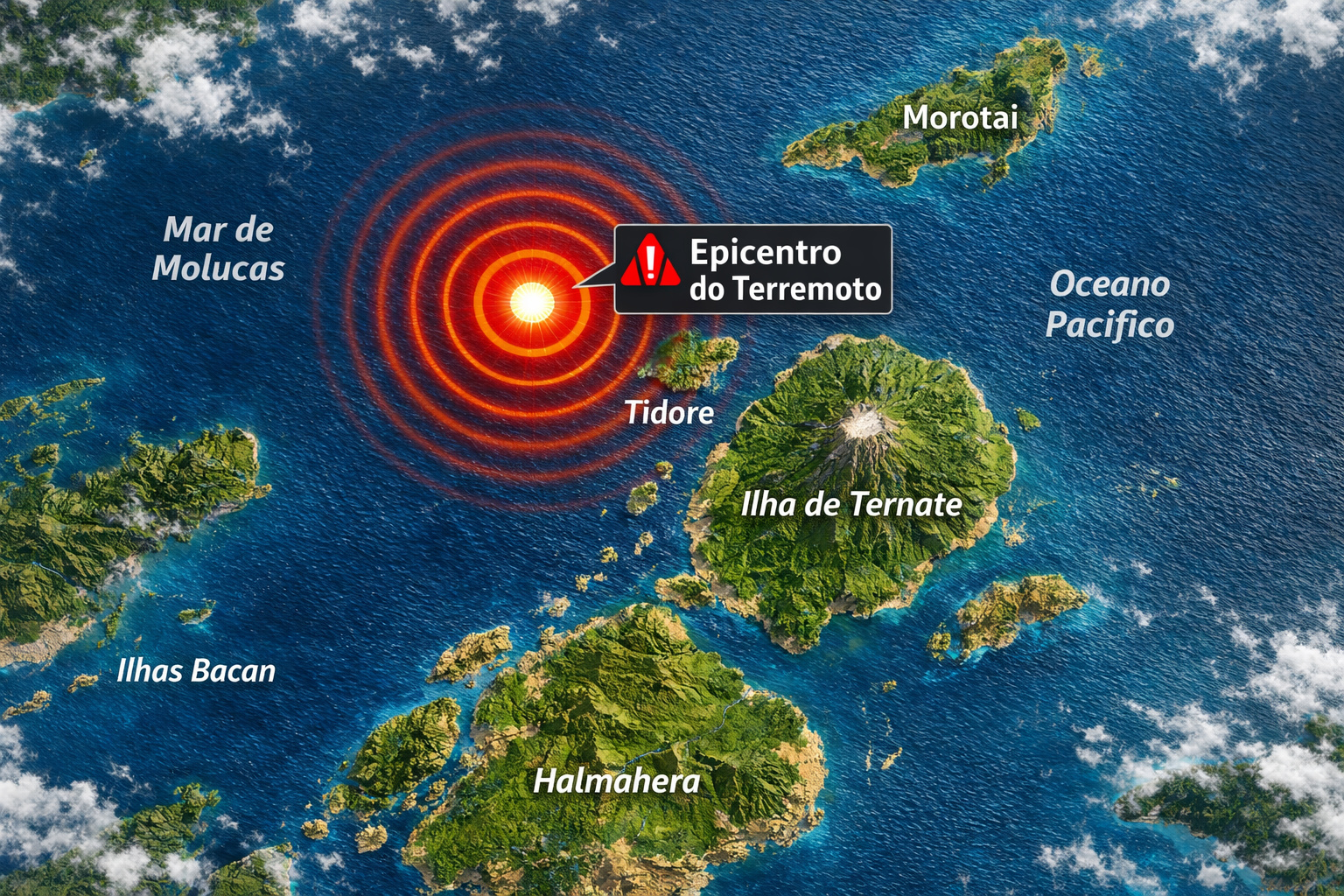
7.8 magnitude earthquake in Indonesia frightens the population, triggers tsunami alert, and hits an island with over 200,000 inhabitants this Thursday.
-
Google will finally let you change that embarrassing Gmail address you created in your teenage years without losing any accounts, logins, or old emails: the feature is already available in the United States.

-
Heading to Brazil in a Bonanza F33 single-engine aircraft: a couple departs from Florida on a visual flight, makes technical stops in the Caribbean to refuel and organize paperwork, and begins the staged crossing until they reach the country.


What Happened and Why It Got Noticed
In a country remembered for its heat, Urupema stands out for having a winter marked by intense cold and frost.
Urupema, a city located in the Serra Catarinense and known as the National Capital of Cold, experiences frequent frosts throughout the year, a scenario that helps explain its fame as one of the coldest spots in Brazil.
The combination of relief, altitude, and cold nights creates a visual that departs from the Brazilian standard and attracts visitors.
How Cold Becomes an Attraction for Visitors

Between June and August, the flow of tourists increases, with people seeking to feel the cold on their skin and see the frost up close.
The most sought-after activity is usually simple and direct: waking up early, going out to observe the ice forming, and photographing the landscape with a white layer over what was once green.
Accommodation keeps up with the movement, with hotels, inns, and rural options preparing their infrastructure for the season.
Frost and Black Frost in the City’s Routine
Frost appears as part of daily life, covering roads, roofs, and open areas, requiring extra attention in the early hours of the day.
There is also black frost, which can burn plants and pose risks to crops, reinforcing the need for constant adaptation in the field.
Therefore, the cold is not just a backdrop; it interferes with decisions, work, and planning during winter.
Local Economy Gains Momentum with Tourism and Adapted Production

With the severe weather, the region prioritizes activities compatible with low temperatures, including the production of apples and other temperate climate crops.
In the city, winter tourism becomes a relevant complement for merchants, hosts, and small services that thrive during peak season.
Culinary traditions help consolidate the image of the destination, with winter dishes such as fondues, soups, and wines gaining space on the tables.
Experiences Beyond the Cold and the Appeal of Less Obvious Brazil
Urupema also attracts those seeking tranquility, mountain roads, and a countryside rhythm with vast landscapes and cold air.
Viewpoints, natural areas, and rural paths enhance the value of the destination for those wanting a different Brazil, far from mass tourism.
The city serves as an example of how a climatic characteristic can be turned into a local brand and an opportunity.
Urupema establishes itself as the Brazilian capital of cold by uniting winter landscapes, a routine marked by frost, and a season that energizes the city.
In the end, what seemed like an obstacle takes on another role: the cold becomes a driver of tourism and reinforces the idea of a Brazil full of contrasts.









-

-

-

3 pessoas reagiram a isso.