





 Portuguese
  English
  Spanish
  3 min of reading
  0 comments


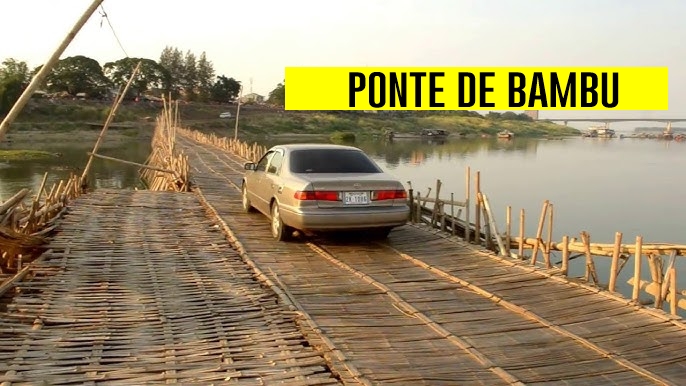
One of the Most Enigmatic Bridges in the World! Made Entirely of Bamboo, It Withstands Vehicles and Hundreds of Pedestrians Daily.
In the heart of Cambodia, crossing the waters of the Mekong River, there is an incredible structure: the Kampong Cham Bamboo Bridge. This seasonal bridge, which connects the city of Kampong Cham to the island of Koh Paen, has become an impressive example of local ingenuity.
Built each dry season and dismantled before the rains arrive, the bridge has become a symbol of both community resilience and Cambodian culture.
In addition to its functional importance, the bridge is a historical and tourist landmark. Its temporary nature attracts curious visitors and scholars interested in the architectural tradition of the region.
-
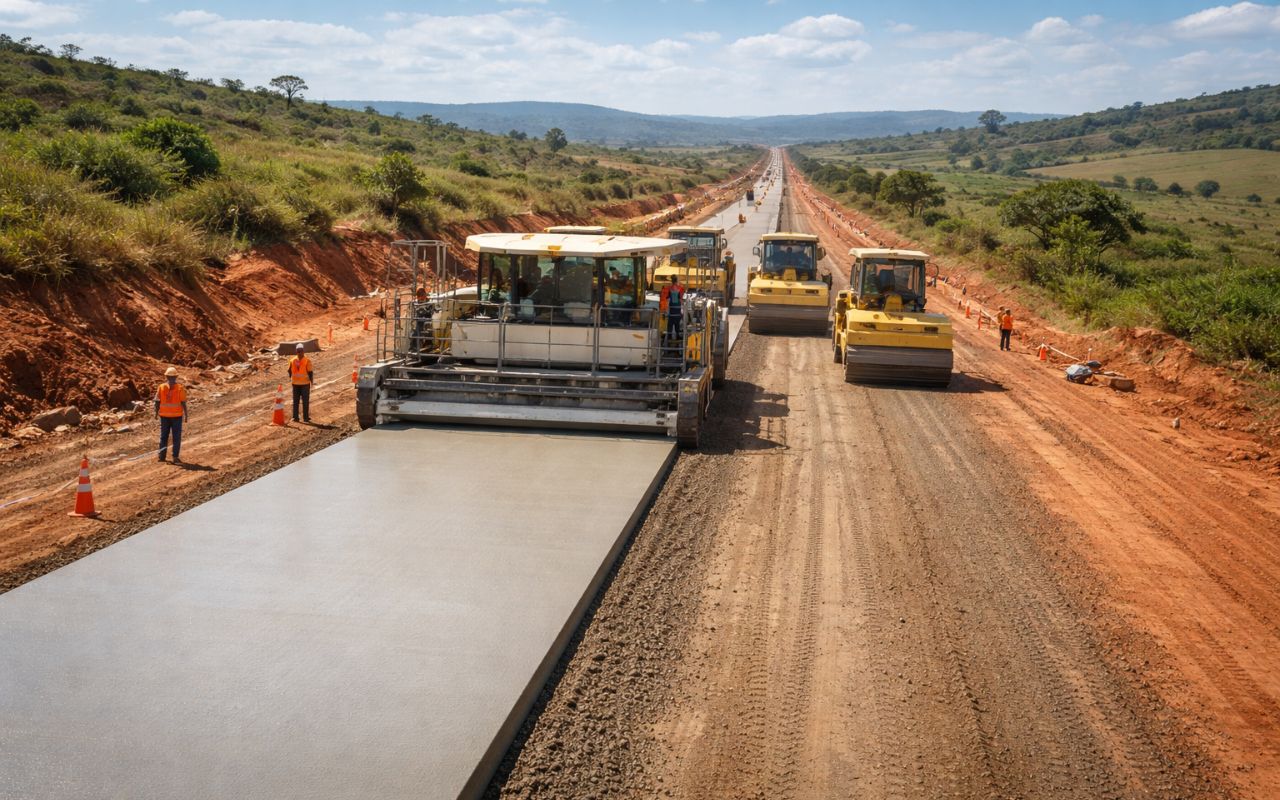
New CCR concrete paving technology promises roads up to 3x more durable, less maintenance, and cost reduction in Brazil.
-
Made from recycled plastic, plastic wood is gaining space in the construction industry because it does not rot, resists moisture, and reduces maintenance costs over the years.

-
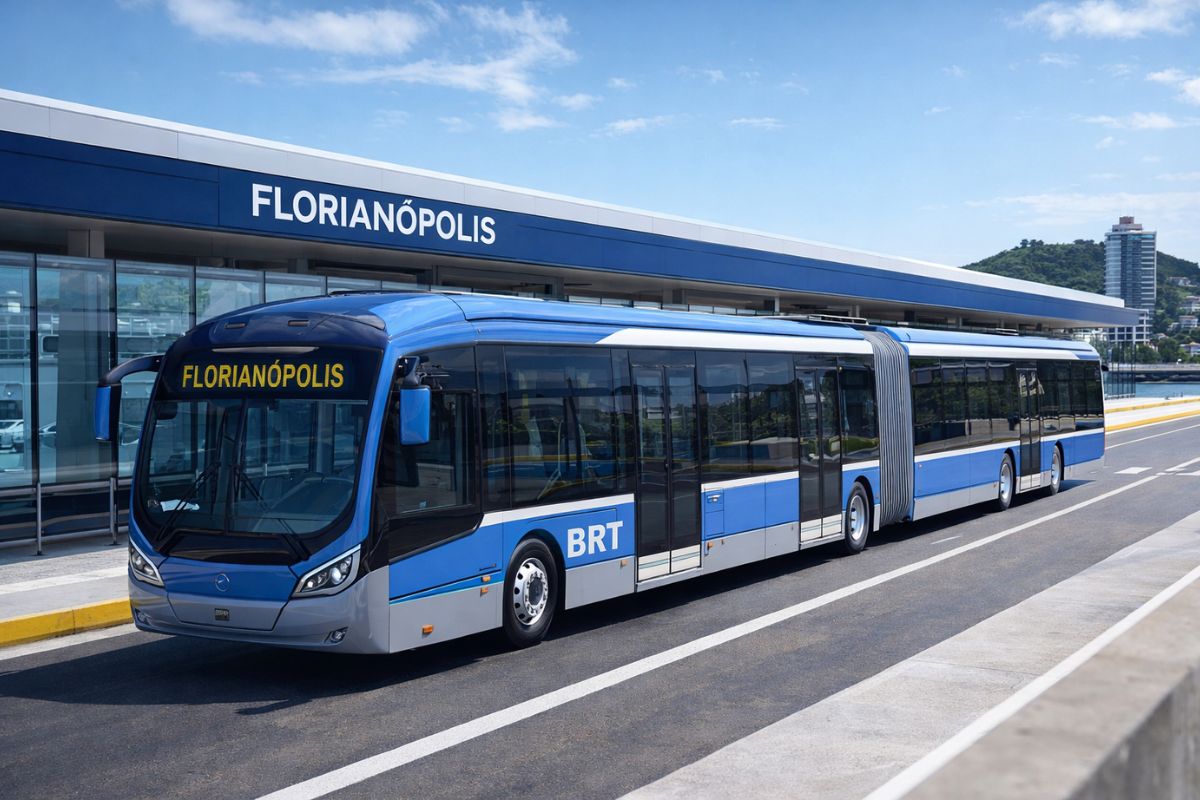
Florianópolis will receive a million-dollar BRT that will begin construction in 2026 with nearly 400 million in funding from the federal government and the Inter-American Development Bank, and the map already shows the routes for the exclusive bus corridors.
-
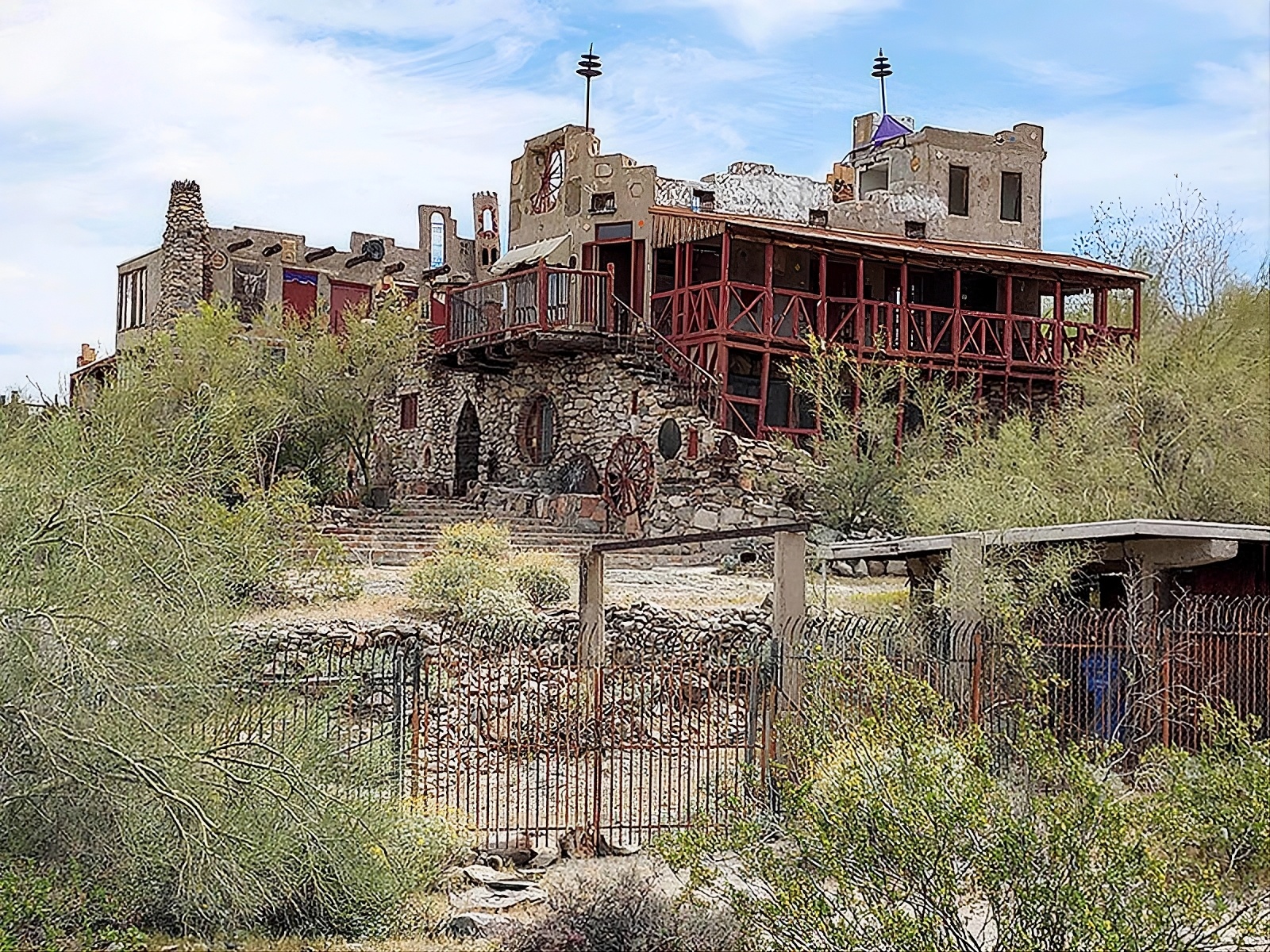
Without a blueprint, without an engineer, and using scrap from the dump, a father spends 15 years building an 18-room castle for his daughter, featuring tram tracks, 13 fireplaces, and over 700 m², which may now be demolished.

With each reconstruction, the local population reaffirms its identity and preserves knowledge passed down through generations.
The Construction Process
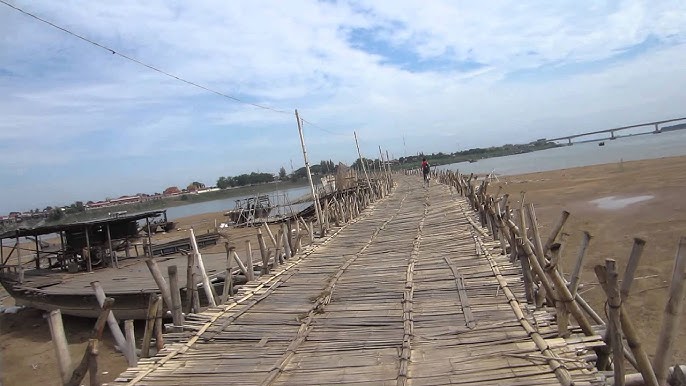
Every year, when the waters of the Mekong recede, residents begin the construction of the bridge. The process starts with driving tall bamboo poles into the riverbed, forming the base of the structure.
Next, layers of bamboo mats are placed over this foundation, creating the surface of the bridge.
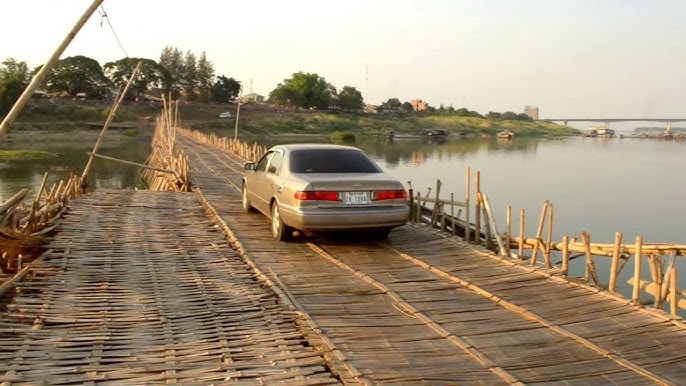
Thanks to the flexibility of bamboo, the structure can support motorcycles and small vehicles, providing a unique experience for those crossing it.
The movement of motorcycles and bicycles causes the bridge to sway slightly, simulating a feeling of “surfing” over the river’s waves, while the rhythmic sound of bamboo echoes through the area.
Each year, the community’s work is essential to ensure that the bridge remains functional. With techniques refined over decades, residents adjust the design to ensure greater durability.
Moreover, the use of bamboo as a sustainable material reinforces the community’s environmental commitment.
The Tourist and Economic Impact
Crossing the Bamboo Bridge is not only a necessity for local residents but also a tourist attraction.
Every year, thousands of foreign visitors arrive in Kampong Cham to experience this unique crossing.
While locals pay about 100 riels (approximately 12 cents in Brazilian reais) to cross, foreign tourists often pay 40 times more. The revenue collected helps maintain the bridge, which can cost up to 200,000 reais per year.
In addition to direct revenue, the tourism generated by the bridge boosts the local economy, benefiting restaurants, guesthouses, and merchants selling crafts and souvenirs.


The bridge has become an essential part of Kampong Cham’s identity, being mentioned in travel guides and documentaries about Cambodian culture.
However, with the inauguration of a permanent concrete bridge in 2017, the relevance of the Bamboo Bridge has been questioned.
Despite the safety and efficiency of the new infrastructure, the bamboo construction remains a historical and tourist attraction, providing jobs and income for many residents of Koh Paen island.
Construction Still Continues
In 2024, the Bamboo Bridge was rebuilt with a span of over 800 meters, incorporating a raised section to allow fishing boats to pass.
This adjustment represents an effort to balance cultural preservation with the demands of modernization, ensuring that the bridge remains an essential part of local identity.
Local authorities and tourism-related organizations work to promote guided visits and cultural experiences, turning the bridge into a living heritage of the region.








-

-

2 pessoas reagiram a isso.