





 Portuguese
  English
  Spanish
  3 min of reading
  0 comments


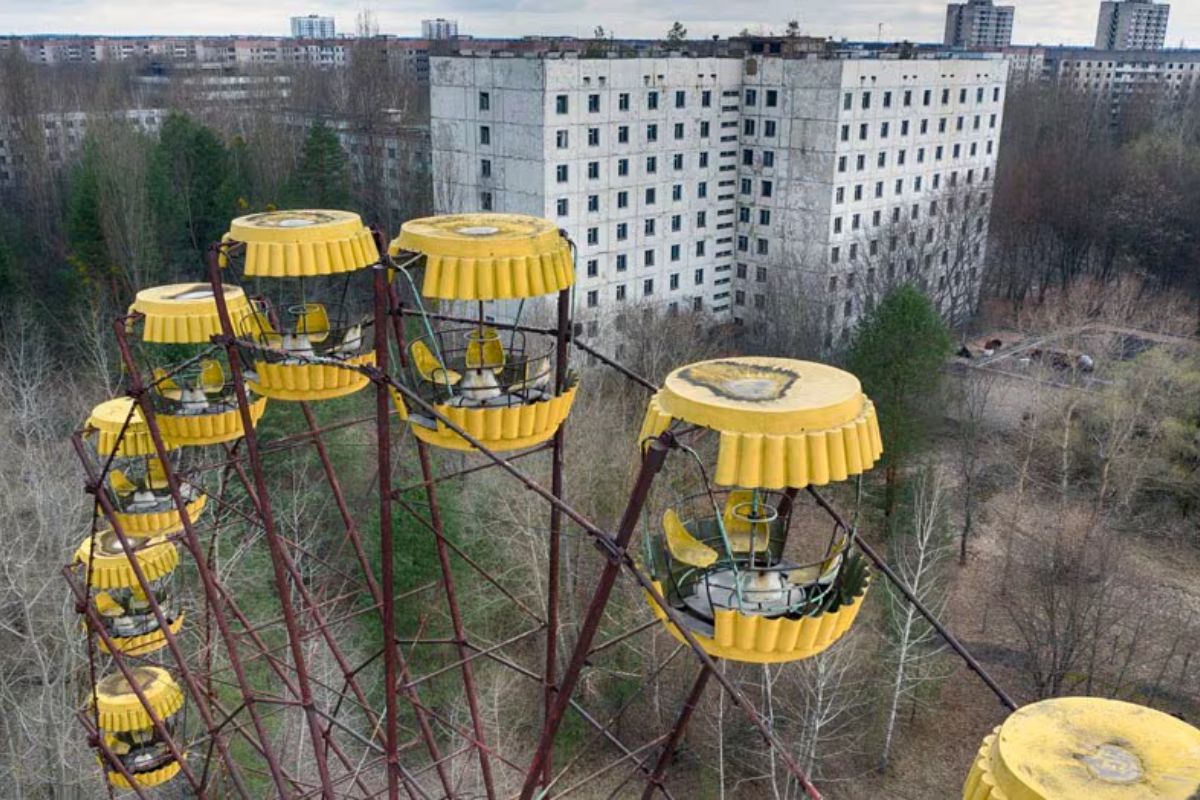
An Explosion That Released 500 Times the Radiation of Hiroshima, Contaminated 145,000 Square Kilometers and Cost 180 Billion Dollars, Becoming the Greatest Nuclear Warning of the 20th Century
The Chernobyl nuclear disaster, which occurred on April 26, 1986, remains the largest atomic accident in history and one of the greatest technological tragedies ever recorded. The explosion at Reactor 4 of the power plant, in what was then the Ukrainian Soviet Socialist Republic, released an amount of radiation estimated to be 500 times that of the Hiroshima bomb, transforming vast regions into uninhabitable zones and causing human and environmental damage that still echoes almost four decades later.
More than a technical error, Chernobyl represented a systemic failure of safety, transparency, and public management. The RBMK reactor, of unstable design, was subjected to a poorly planned test conducted by untrained operators and without adequate emergency protocols. The result was a massive release of radioactive particles that traveled throughout Europe, forcing thousands of people to leave their homes and marking a definitive turning point in global perceptions of nuclear energy.
The Radiation and Immediate Impact of the Explosion
The intensity of the radiation released transformed the site into an apocalyptic scene.
-
A new AI collar technology for cattle eliminates physical fences, creates virtual barriers, monitors animals 24/7, and detects changes in behavior and health.

-
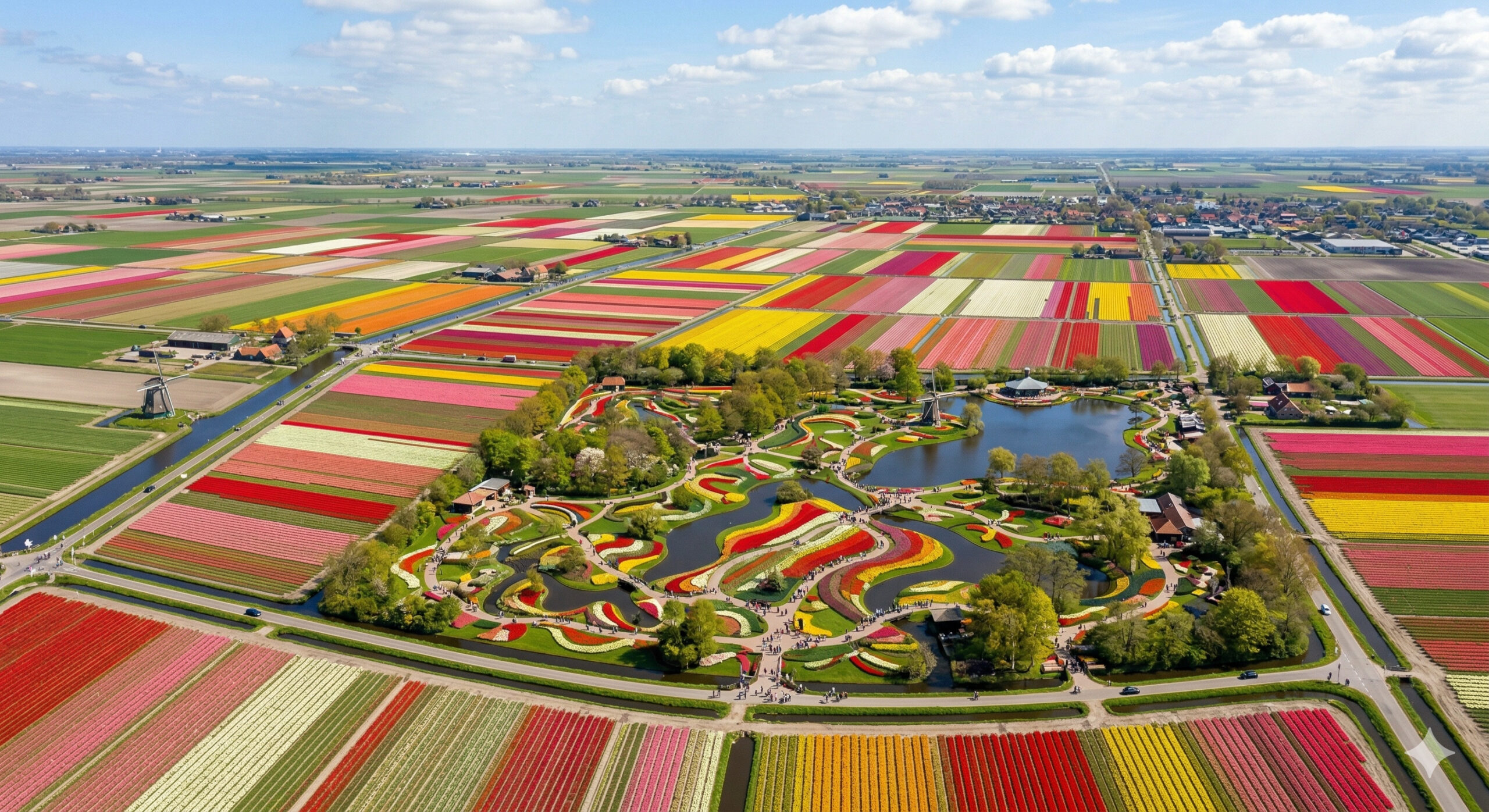
For a few weeks each year, an entire country blooms with billions of tulips, creating a mosaic of colors visible from the sky, while a single garden gathers more than 7 million flowers and attracts visitors from around the world to one of the most impressive shows in Europe.
-
Bokashi, a Japanese technique of controlled fermentation, becomes the organic fertilizer that revitalizes the soil: it activates microorganisms and earthworms, improves pH and moisture retention, gradually releases nutrients, and helps prevent pests in the garden.

-
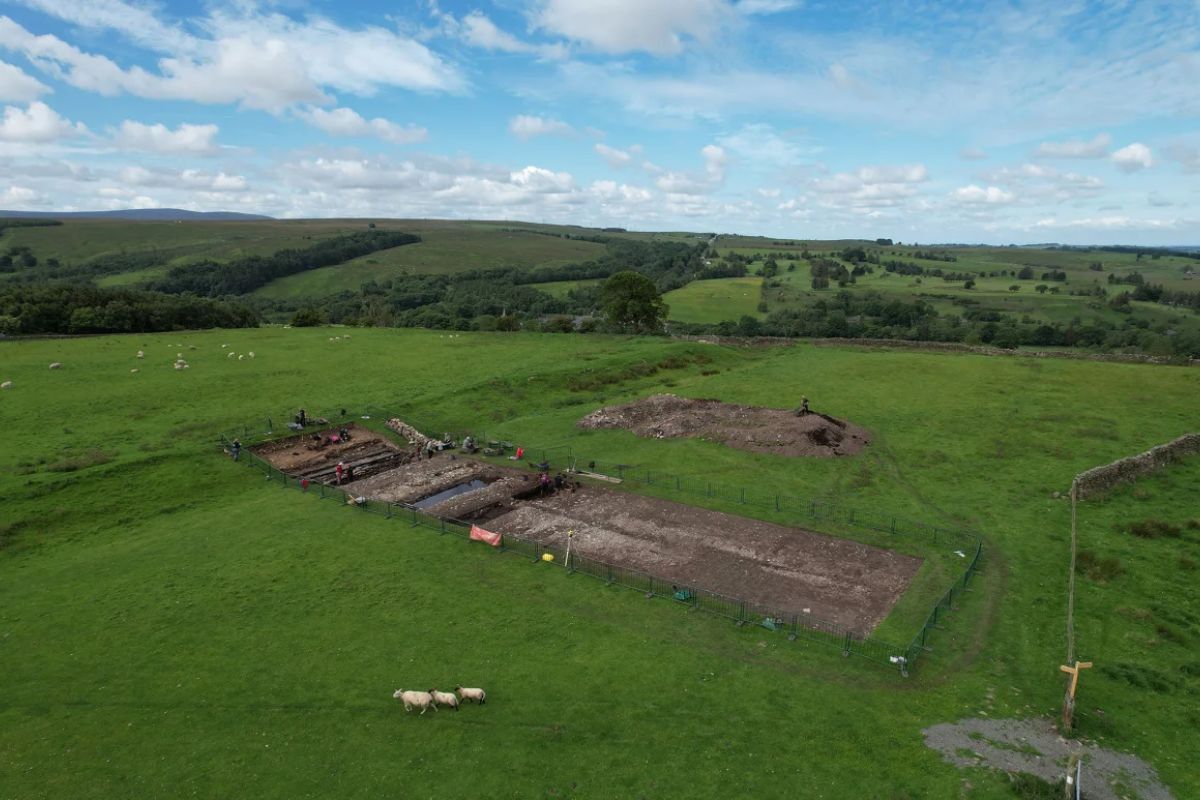
Archaeologists found giant shoes over 30 centimeters near Hadrian’s Wall that survived nearly two thousand years buried and now raise a mystery: who were these Roman soldiers so different from the others?

Fewer than 50 people died directly in the first hours and days, almost all workers and firefighters who worked to contain the fire.
However, the intense exposure to ionizing radiation caused devastating health effects in the rescuers, with severe cases of acute radiation syndrome and fatal burns.
The winds spread the radioactive contamination over approximately 145,000 square kilometers, affecting Ukraine, Belarus, and parts of Russia.
The World Health Organization estimates that more than 5 million people were affected by radiation at different levels of exposure, with consequences that manifested over the subsequent decades.
Long-Term Human and Environmental Consequences
The Chernobyl Forum, composed of UN agencies such as WHO and IAEA, estimated in 2005 that up to 4,000 additional deaths could occur due to radiation-related cancers among the most exposed populations.
Other independent studies suggest even higher numbers, including genetic effects and deformities in animals and vegetation around the exclusion zone.
About 91,000 people were evacuated from the city of Pripyat the day after the explosion.
Over time, more than 2 million Ukrainians received official victim status due to Chernobyl, reflecting the extent of the disaster.
The 30-kilometer area around the reactor remains off-limits to this day, with radiation levels still dangerous for human occupation.
The Economic Cost of Radiation and Reconstruction
The financial consequences of the disaster were equally massive.
Ukrainian Prime Minister Nikolai Azarov estimated that 180 billion dollars were lost due to the catastrophe, a figure that came to represent 10% of Ukraine’s annual budget for consecutive years.
A large portion of these resources was directed towards decontamination, resettlement of populations, and the construction of new containment structures.
The international community contributed 550 million euros to build a new sarcophagus over Reactor 4, completed only in 2016, aimed at containing the remaining radiation and preventing further leaks.
Still, the maintenance of the power plant and the stored nuclear material continues to be a permanent logistical and financial challenge for Ukraine.
The Nuclear Legacy and Lessons Left by the Tragedy
Chernobyl prompted a global reevaluation of nuclear safety and government transparency.
About 70% of Ukrainians opposed the construction of new power plants after the disaster, and many countries strengthened their inspection and emergency standards.
The tragedy revealed how radiation knows no borders and how a local error can have geopolitical and environmental impacts on a global scale.
Even decades later, the exclusion zone around Chernobyl remains a living laboratory for studying the effects of radiation on biology and the environment, as well as a symbol of the consequences of neglecting scientific and institutional safety.
The Chernobyl nuclear disaster is more than a historical event; it is a permanent warning about the human and environmental cost of uncontrolled radiation.
With each anniversary of the explosion, the memory of the victims and the billions spent on reconstruction remind us that nuclear energy, while powerful, demands absolute safety standards and complete transparency from authorities.
Do you believe that the world truly learned from Chernobyl, or does it still risk repeating the same mistakes? Share your thoughts in the comments.







-

Uma pessoa reagiu a isso.