





 Portuguese
  English
  Spanish
  4 min of reading
  1 comment


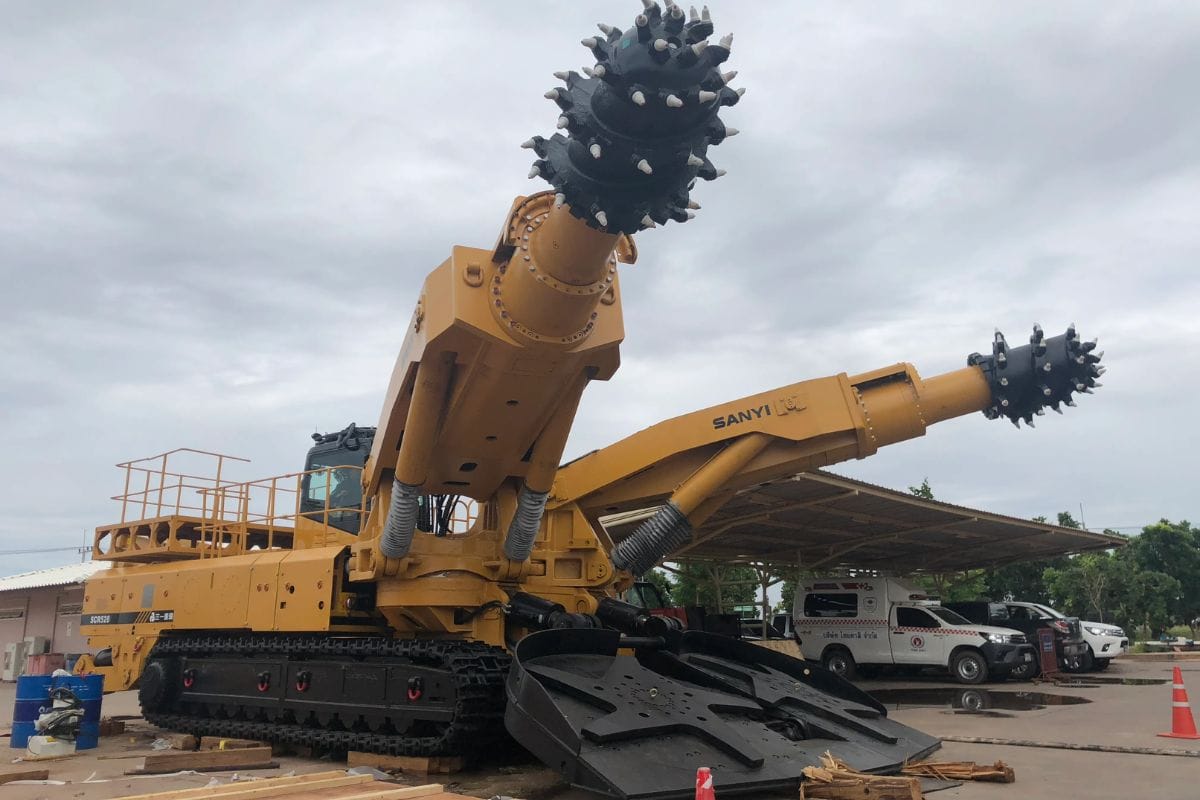

Know The Roadheader, The Versatile Machine With A Swing Arm Used In Mines And Tunnels, Capable Of Excavating Where TBMs Do Not Reach, And That Loads A Truck In Minutes.
The roadheader, also known as a continuous miner, is a robust and versatile partial face excavation machine, essential in mining and tunnel construction. Nicknamed the “Woodpecker of Excavation”, this machine with a swing arm carves rocks and soils with precision, being a safer and more flexible alternative than traditional methods in many situations.
Its ability to create complex profiles and operate in conditions where TBMs (Tunnel Boring Machines) may not be ideal makes it a crucial tool. This article explores the evolution, functioning, types, and innovations of this machine, which can load a truck in minutes with the excavated material.
What Is The Roadheader? Introducing The Machine With A Swing Arm
A roadheader is a machine with a swing arm equipped with a rotating cutting head with picks that mechanically disaggregates rocks and soils. Its main feature is the ability to partially excavate the front of the tunnel, allowing the creation of profiles of varying sizes and geometric shapes with high precision. The nickname “Woodpecker” illustrates its mode of operation, “sculpting” the tunnel.
-
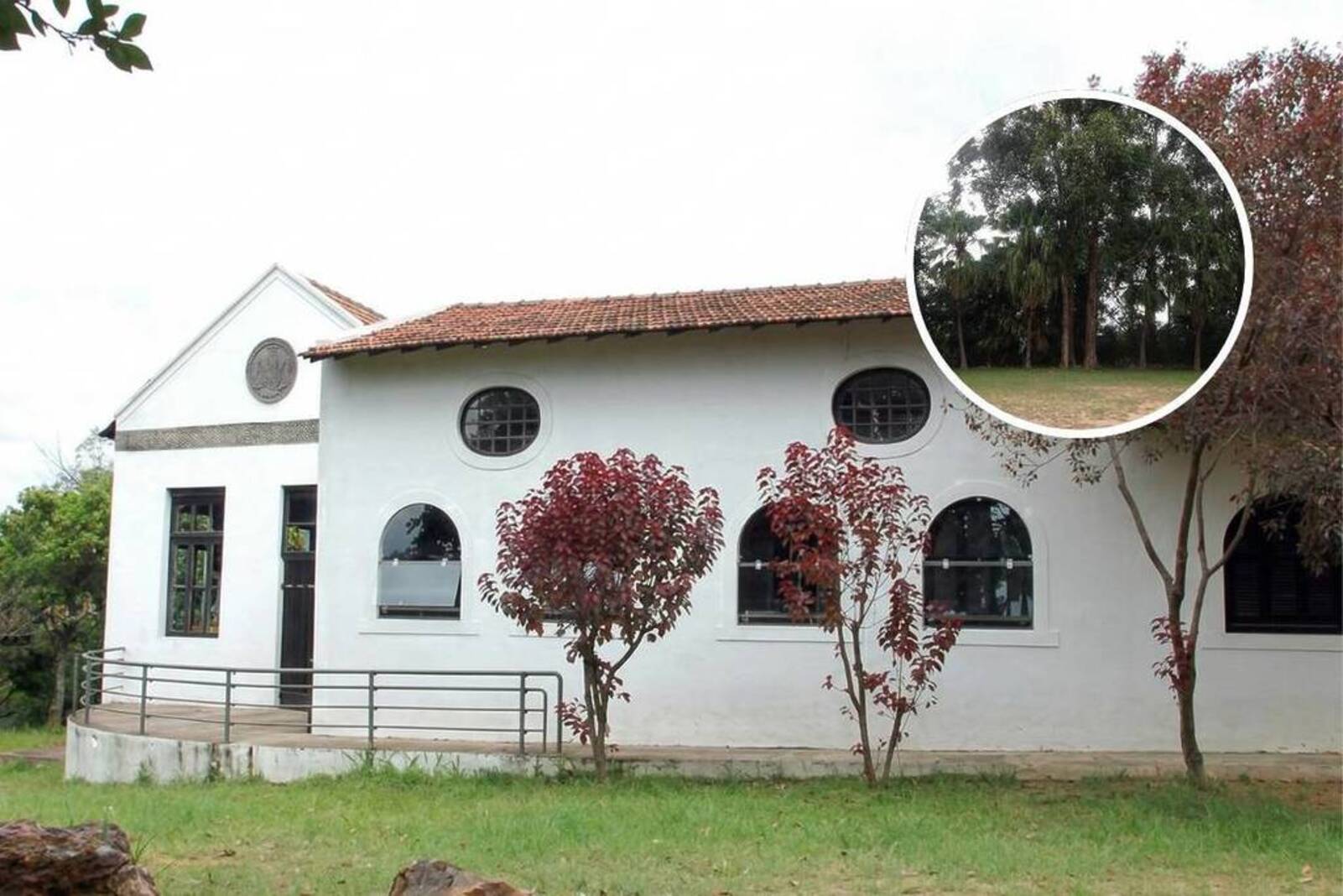
After 14 years of waiting, a rammed earth mansion built in 1702 in the North Zone of São Paulo will become a park with leisure facilities and green areas, with a million-dollar investment.
-
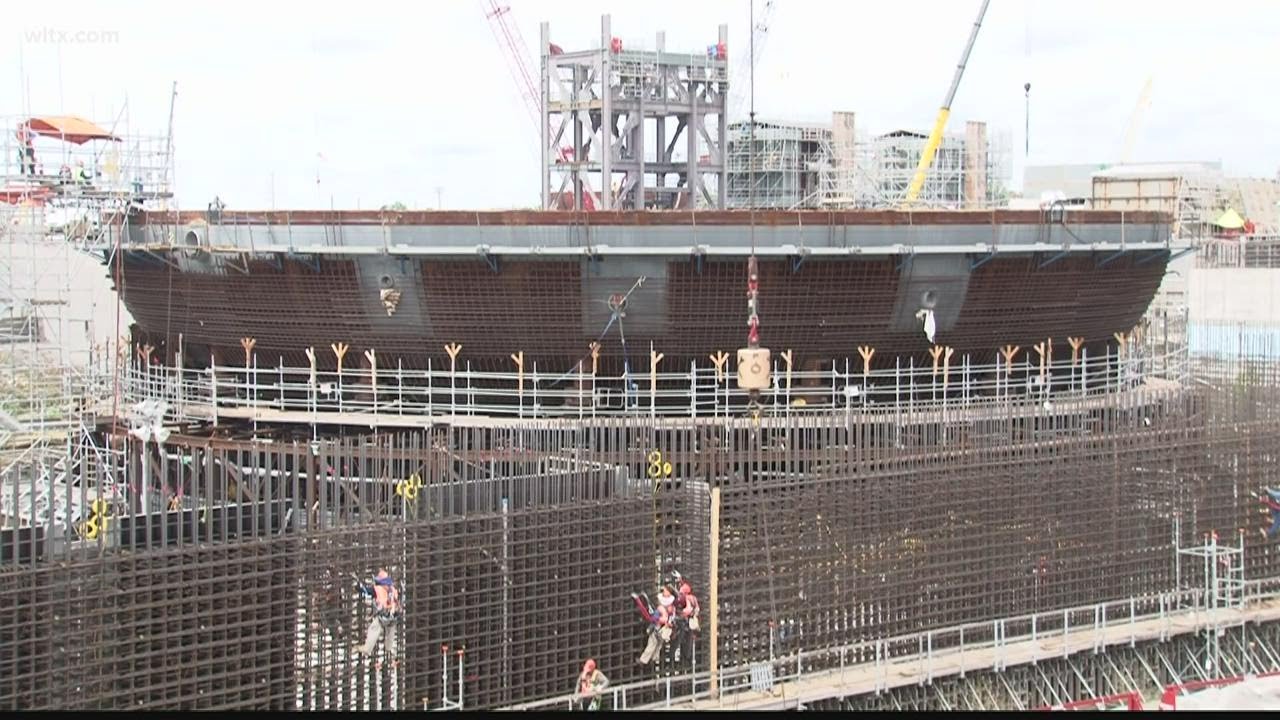
With 2 unfinished nuclear reactors, up to 25 billion in costs, and proven fraud, the Nukegate case has left 800,000 consumers still paying today for energy that will never be produced.
-
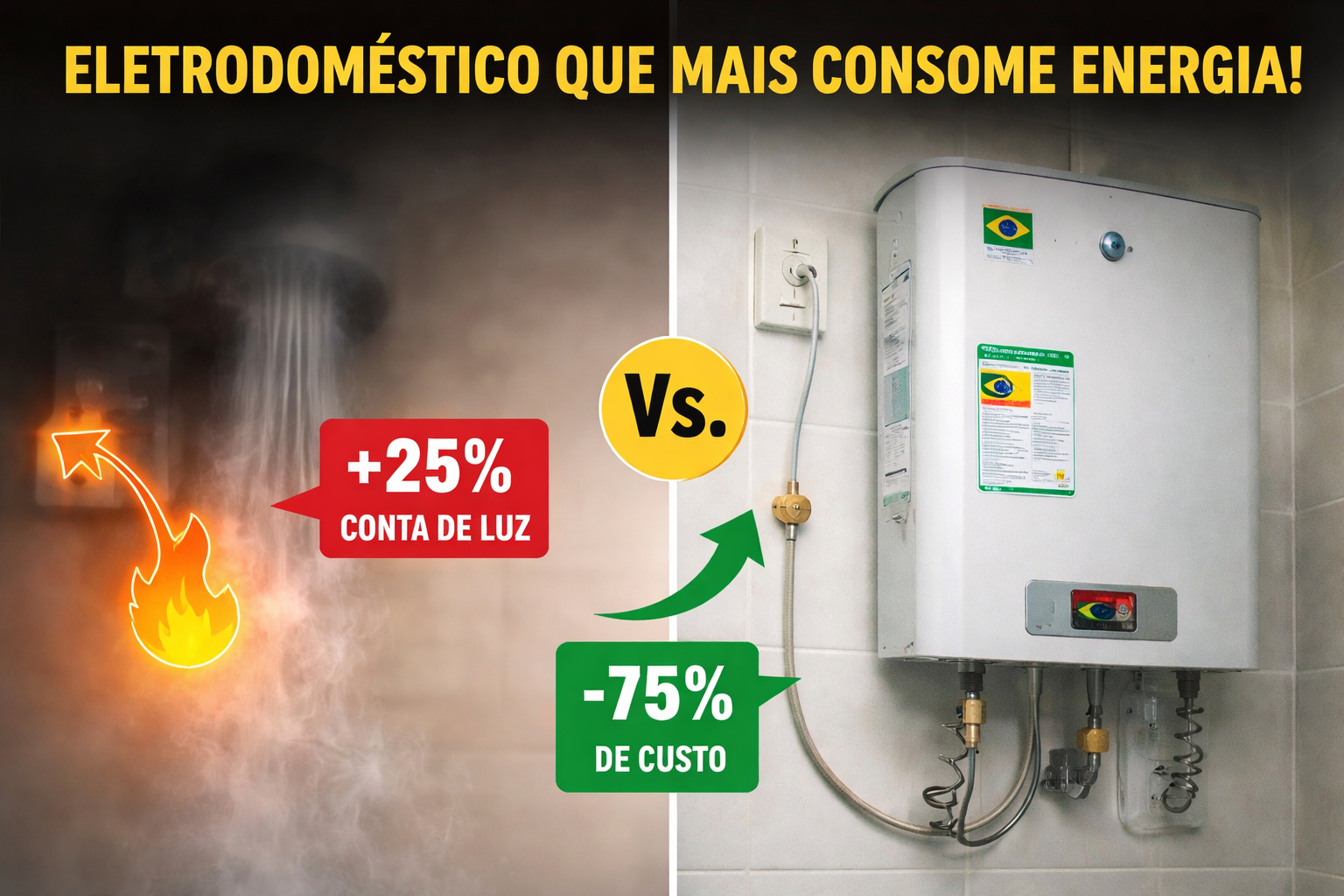
The household appliance that consumes the most energy in Brazilian homes is not the air conditioner; it is located in the smallest room of the house, is used daily, and can account for up to 25% of the electricity bill, while an alternative in the same outlet can reduce this cost by up to 75%.
-
Son of a seamstress from the rural area of Ceará who did not speak English wins a scholarship of over 2 million reais at Williams College, one of the top 10 universities in the United States, covering everything including dormitory, meals, and annual trips to Brazil.


Originally used in coal mining, roadheaders were introduced to civil engineering in the 1970s. Their technological evolution resulted in heavier (up to 120-135 tons) and more powerful machines (cutting heads >400-500 kW), expanding their application to harder and more abrasive rocks. They are common for their high mobility and for allowing immediate access to the excavation front for support installation.
Anatomy And Functioning Of This Machine With A Swing Arm
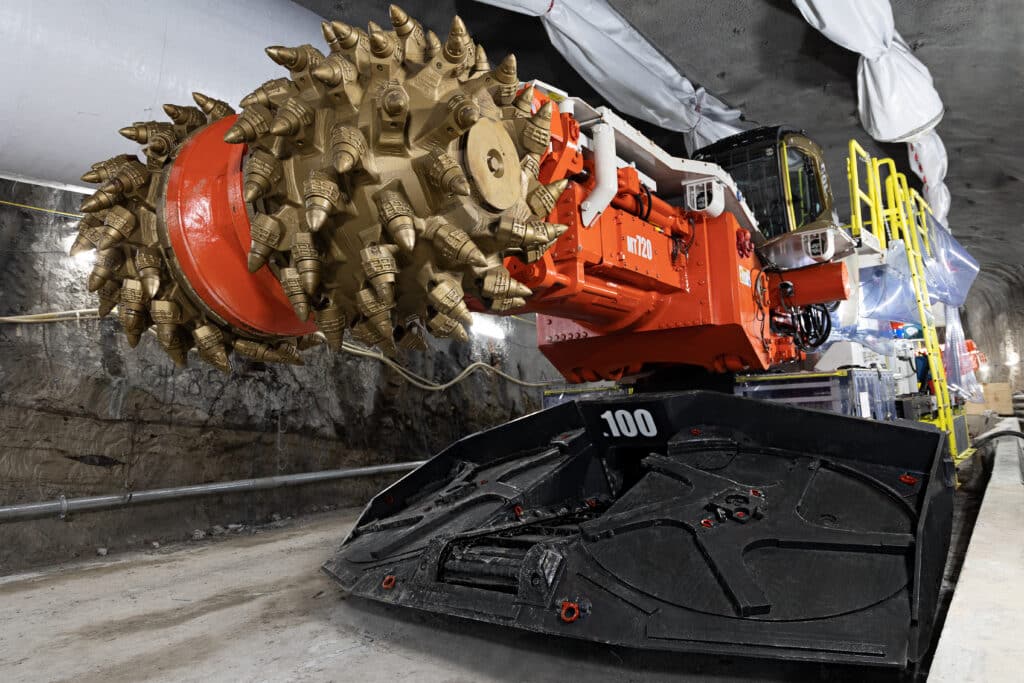
The main components of a roadheader, the machine with a swing arm, include the cutting head (cutterhead), the boom, the chassis with a locomotion system (tracks), and the material collection and transport system (mucking system). The cutting head, with tungsten carbide teeth, can be transverse (for hard rock) or axial (for greater precision). The boom, controlled by hydraulic cylinders, positions the cutting head.
The excavation process begins with the rotating cutting head pressed against the rock, fragmenting it into chips. The excavated material is collected by a plate (apron) and directed to an internal conveyor (chain or belt), which takes it to the back of the machine for unloading. Hydraulic and electrical systems provide power, while dust suppression and ventilation systems ensure safety.
Versatility In Action
The machine with a swing arm is used in the construction of road, railway, hydraulic, and sanitation tunnels, as well as underground coal and other mineral mines. Its flexibility to excavate different profiles (horseshoe, rectangular) and navigate curves makes it ideal for civil engineering projects, such as the Küçüksu tunnel in Istanbul, where a Herrenknecht SM1 was used.
Performance in hard rock is challenging, with a traditional uniaxial compressive strength (UCS) limit of 100 MPa. However, recent models such as the Sandvik MT721 and the Antraquip AQM 175 target more resistant rocks. Factors such as rock fracturing (RQD), abrasiveness (quartz content), and water presence significantly influence the cutting rate and tool consumption. Predictive models, like those from EMI (Colorado School of Mines), help estimate performance.
Roadheader Or TBM?
The choice between a roadheader (a machine with a swing arm) and a TBM depends on the specifics of the project. Roadheaders offer greater profile and trajectory flexibility, lower initial capital costs, and immediate access to the face, making them ideal for short tunnels, non-circular profiles (about 65% of urban tunnels), and variable geology. They produce less vibration than blasting operations.
TBMs, on the other hand, achieve much higher advance rates in long tunnels and competent rock and are better suited for extremely hard and abrasive rocks over long distances. The decision considers tunnel length, shape, geology, site restrictions, and budget. For short to medium tunnels or those with many variations, the machine with a swing arm is often the most suitable.
Innovations And Trends For The Machine With A Swing Arm
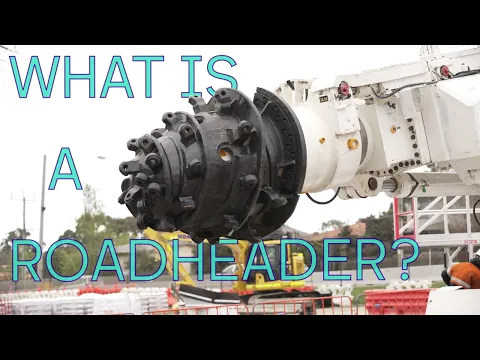

The future of the machine with a swing arm points to greater automation and intelligence. Advanced remote control systems (SANY, Alpha IND TECH) and automation of the cutting process (SAU-PK by SPARC) increase safety and efficiency. Digital Twins technology, using Mixed Reality (HoloLens), is being researched for immersive and real-time monitoring and control.
Advances in cutting tool materials (crown-type picks, lubricated tool holders, mini-discs), laser guidance systems, and real-time wear monitoring (TMAC) are crucial. The focus on sustainability drives the search for greater energy efficiency and better dust and noise mitigation, transforming the roadheader into an increasingly intelligent and adaptive excavation platform.







Conteúdo informativo, muito interessante sobre tecnologia,.