





 Português
  Inglês
  Espanhol
  8 min de leitura
  0 comentários


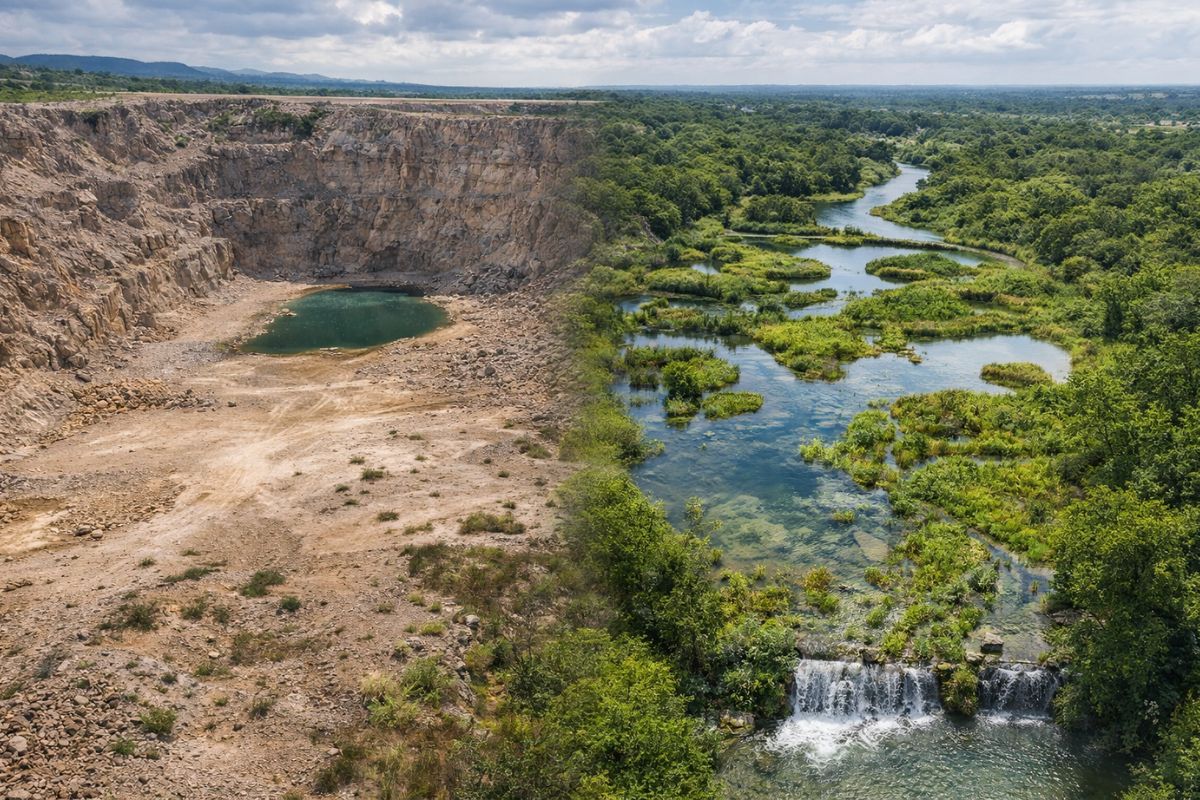
The Abandoned Sterile Quarry Left Over from an Old Ranch in Central Texas Became a Water Retention and Infiltration Area That Slows Down Floods, Favors Biodiversity, Supports Groundwater Recharge, and Shows Why Restoring a Degraded Slope Can Benefit Downstream Communities with Real and Lasting Effects.
The sterile quarry that no one wanted to buy, isolated like the rejected section of an old ranch in central Texas, underwent a transformation that goes far beyond simple landscape recovery. What was once a hard, rocky slope, lacking vegetation and marked by erosion has turned into an area capable of retaining, slowing, and infiltrating large volumes of water, reducing surface runoff and creating conditions for the gradual return of life.
The case draws attention because it brings together, in the same space, ecological restoration, water management, soil protection, and community interest. Instead of treating the roughly 4 hectares of restored land as an isolated point on the map, the project began to view that area as a strategic piece within a larger basin, with the potential to relieve pressure on rivers, springs, and even on the groundwater supply used by communities downstream.
From Rejected Area to Functional Space Within the Landscape
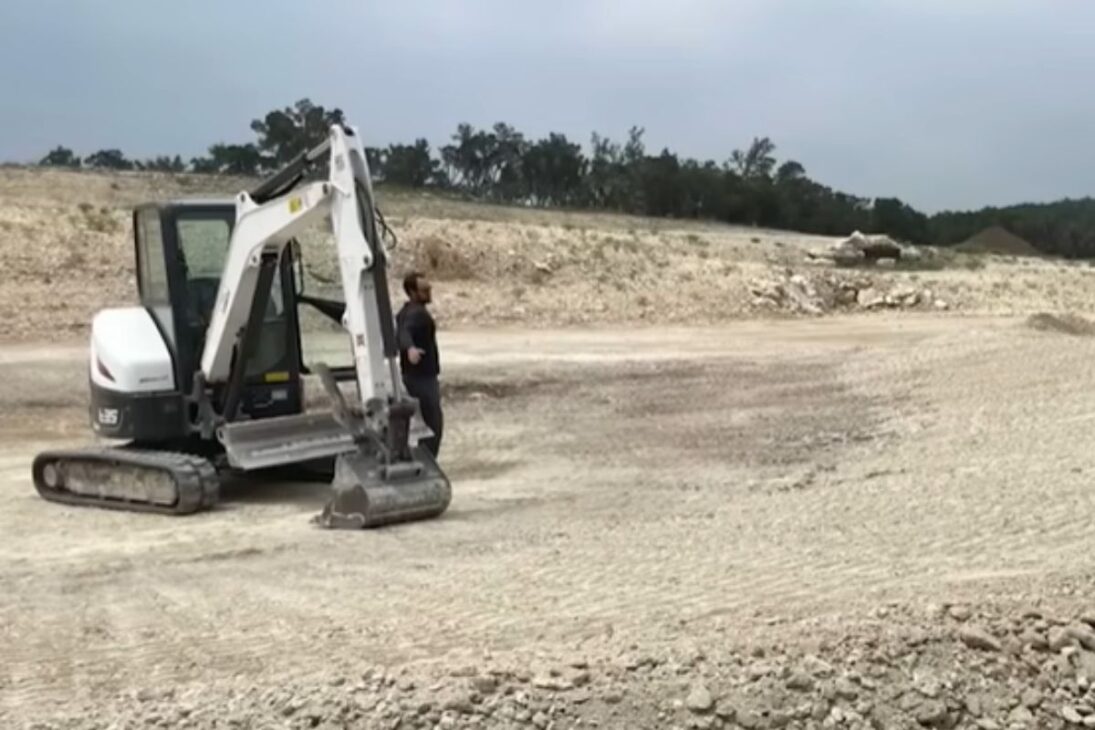
For a long time, the old quarry was seen as an issue with no clear utility. The land was part of the old El Rancho Cima, a large property that ended up being subdivided, and that specific piece was left behind simply because it seemed unviable. It was an area considered sterile, with steep slopes, exposed rocky material, little vegetation coverage, and almost no capacity to absorb rainwater efficiently.
-
Drought may be creating stronger superbugs in the soil and helping antibiotic resistance reach hospitals, warns a study highlighting a problem that could grow alongside extreme weather.

-
The biggest scam in history: Napoleon’s France deceived the United States by selling them a territory that was Spanish.

-
Why is the Danakil Desert so dangerous? It has unstable terrain and how extreme temperatures and toxic gases turn the region into one of the most hostile environments on Earth.
-
With a height of 221 meters and a capacity for trillions of liters, Hoover Dam still holds a trick that makes water defy logic.
The change began when the owner decided to view the site not as a waste of extraction but as a degraded landscape that could still regain ecological function. The presence of a restoration specialist was crucial in guiding this redesign of the area.
The focus was not just to make something “grow” there but to return to the land the ability to fulfill basic nature roles, such as reducing erosion, supporting vegetation coverage, facilitating infiltration, and interrupting the immediate runoff logic that dominated the water behavior on that hillside.
This point helps explain why the case gained relevance. It is not just about recovering an abandoned lot but showing that small areas, when positioned in sensitive points of the landscape, can have disproportionately large effects. The sterile quarry stopped being an unproductive void to become ecological infrastructure.
How the Water Stopped Rushing and Started Infiltrating
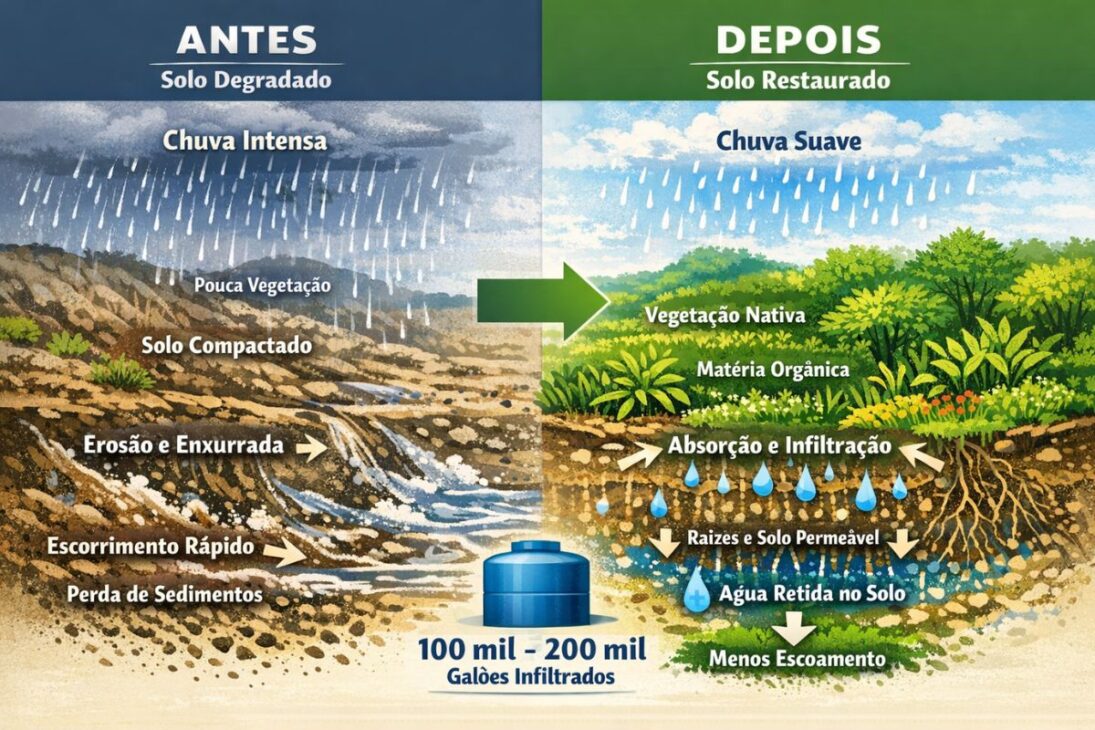
Before the intervention, the dynamics were typical of degraded and compacted soil over limestone material in transition. Rain fell, met little vegetation and organic matter, hit hard on the surface and quickly formed small streams. These streams would join, gain speed, and rush downhill as runoff, carrying sediments and expanding points of erosion. In such an area, infiltration was limited, and the water functioned more as an agent of wear than as stored resource.
With restoration, that logic began to change. The return of native grasses, wildflowers, mulch, and greater plant diversity began to offer the rain a softer landing. The water no longer directly hits a bare, hardened ground. It encounters leaves, organic matter, roots, and small spaces through which it can slowly descend. This process reduces impact energy, increases temporary retention, and allows part of the water to penetrate the soil and the fractured limestone.
The project leaders report that, when the rain reaches an inch or more, the system in the area can already infiltrate between 100,000 and 200,000 gallons of water. Instead of all that water being immediately sent down the slope, a significant portion remains out of the equation of rapid flooding. This is the central turnaround of the sterile quarry: to transform destructive runoff into useful infiltration.
The Techniques That Transformed the Slope into an “Ecological Sponge”
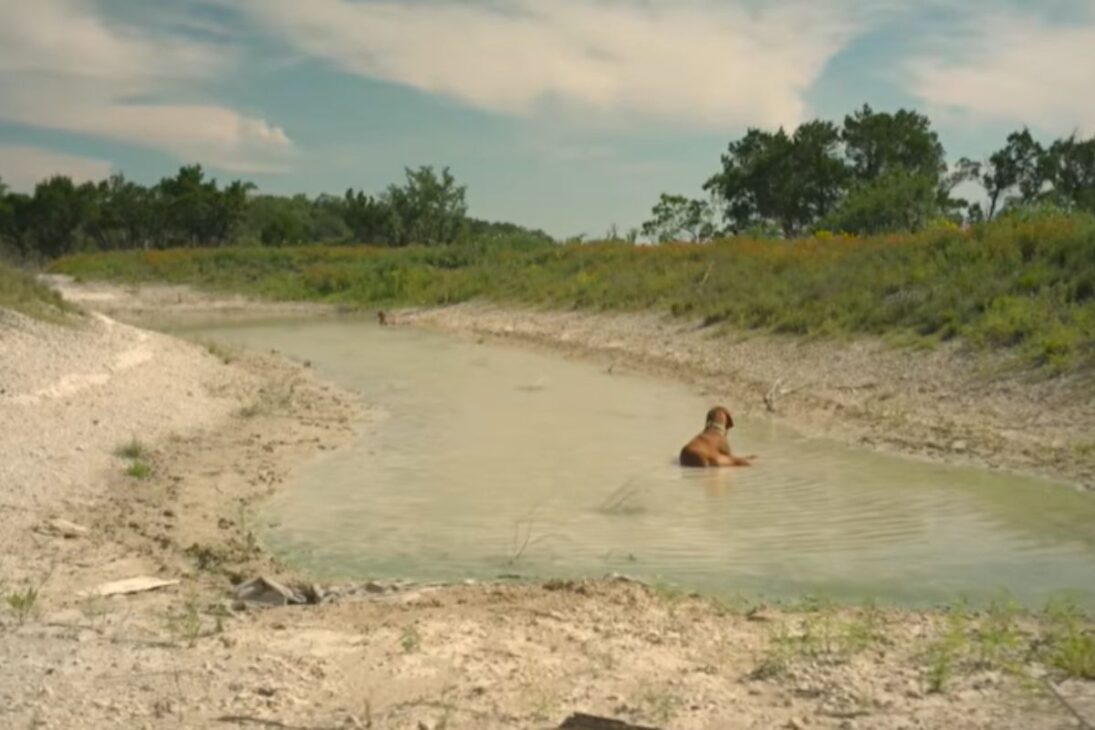
The restoration did not happen by chance or merely through the planting of vegetation. The project combined vegetation cover with physical terrain management. One of the central elements were contour trenches, designed to follow the topography and capture lateral water flow. Instead of allowing the water to descend straight and accelerate, the system diverts, slows, and spreads it along the slope.
These structures were designed to temporarily store water without creating overly aggressive management for the operation of the area. The logic was not to dig deep trenches indiscriminately, but to build retention lines with controlled depth, wide spillways, and leveled outlets. When the volume exceeds local capacity, the surplus is not released in a chaotic manner. It flows to new retention areas and zones covered by native grasses, where the flow continues to lose speed and erosive power.
Branch barriers, soil containment, and permanent cover also help complete this design. The result is a cascading system in which each part of the slope receives, holds, and releases water with less violence. The “ecological sponge” is not an empty metaphor: it describes a territory that now absorbs, cushions, and redistributes rain much more slowly than before.
The Link Between Four Restored Hectares, Floods, and Safety Downstream
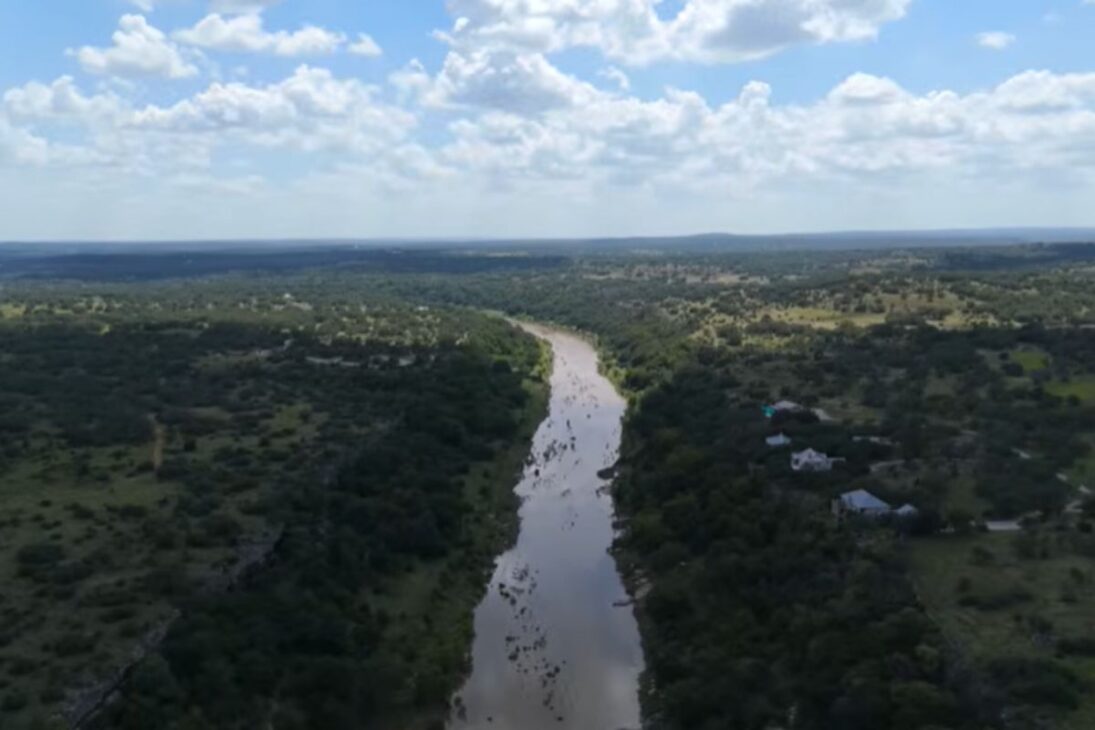
Image: video
The strongest aspect of this recovery lies in the fact that it was not designed solely to benefit the landowner. The central Texas region experiences extremes: long dry periods and concentrated episodes of intense rain. During severe events, rivers rise quickly, bridges sustain damage, sediments advance, and entire communities become exposed. In this context, any upstream area that can delay the movement of water already holds collective value.
This relationship between upstream and downstream gained strength after the devastating floods recorded in July 2025 in Texas, when the Guadalupe River rose rapidly and destruction impacted homes, bridges, and families. The project of the old quarry was conceived with the notion that retention systems must anticipate even overflow scenarios. Therefore, the spillways were sized for historical floods, directing excess to vegetated areas and reducing the chance of the system itself becoming a new point of erosion.
The immediate gain is not to “eliminate floods,” but to reduce part of the volume and speed of water during the most critical hours. When hundreds of thousands of gallons stop flowing down at once, there is already an effect on the hydrological behavior of the slope. In isolation, this does not solve the problem of a large basin alone. But the case illustrates why restoring the land at the top of the landscape can be a measure of public protection, not just private.
Springs, Biodiversity, and Aquifer: What Started to Appear After Restoration
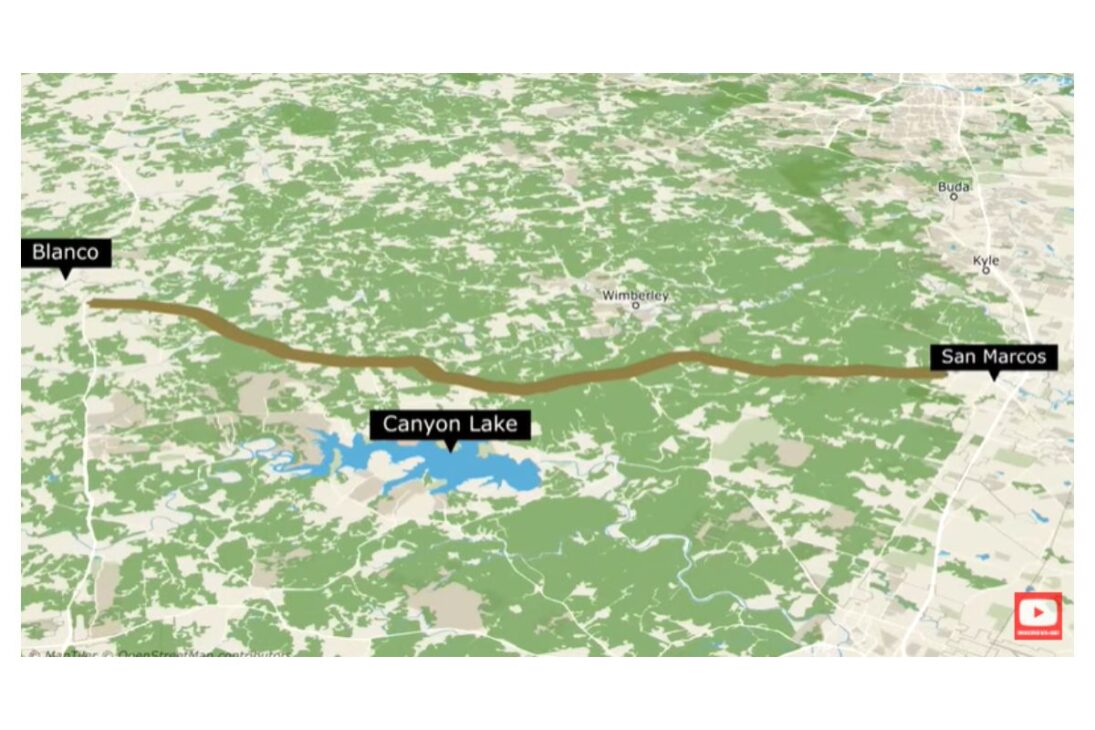
limestone. And doing this frequently enough, the aquifer that keeps the taps running maintains the springs.
Image: video
In addition to the water that began to infiltrate more, the recovery brought signs of ecological reorganization. Reports indicate increased vegetation cover, greater presence of insects, emergence of more wildlife, and advancement of woody plants in a location where almost nothing could previously establish itself. When the soil stops repelling water, the landscape itself gains a chance to rebuild its biological cycles.
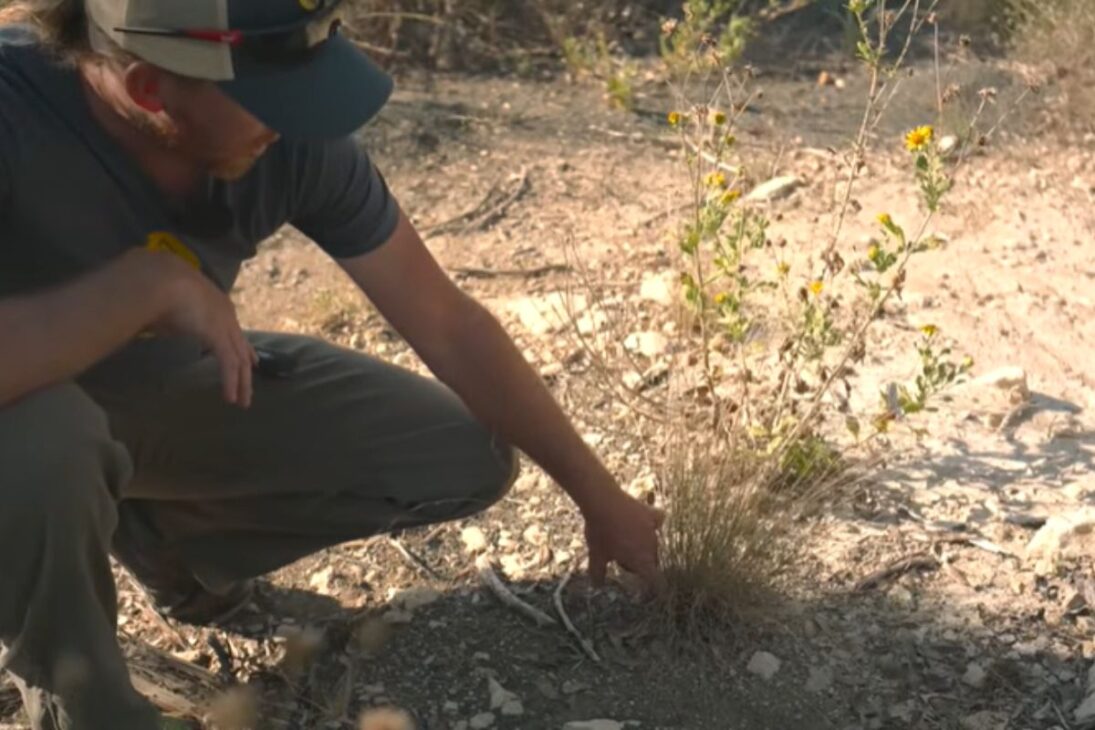
Image: video
One of the most symbolic indications was the emergence of springs on the property even months after the last significant rain. This does not automatically authorize claiming that all the water is reaching the aquifer on a large scale, and those involved themselves avoid turning this hypothesis into absolute certainty.
Nevertheless, what has been observed at the top of the area is relevant: slow percolation began to maintain moisture, favor plants, and feed water exudation points in the limestone. In a region where wells are dropping and perennial springs no longer behave as before, this signal carries weight.
The location of the area also amplifies this importance. The property integrates a stretch of a recharge zone associated with the Edwards Aquifer, one of the most strategic underground systems in central Texas. When rain can penetrate the limestone, instead of simply carrying sediments downhill, the landscape begins to collaborate with deep recharge and the maintenance of natural flows. The sterile quarry, in this sense, became a point of passage for water into the land, rather than a stage for surface loss.
What This Case Study Teaches for Other Properties and Other Basins


One of the strongest messages from the experience is that the techniques used are not futuristic or inaccessible. Soil coverage, reduction of compaction, physical barriers, planting native vegetation, and simple contour management practices have been known for a long time. What changes now is the ability to apply them with greater precision, speed, and eventually on a larger scale. The knowledge already existed; the challenge is to place it in the right context and with continuity.
The very stakeholders recognize that the impact of a single project is not enough to change flood behavior in a large watershed by itself. But the logic of multiplication is clear. If several landowners adopt similar solutions in the higher stretches of the landscape, the sum of distributed retention can delay flow peaks, reduce erosion, improve soil fertility, favor water recharge, and provide more resilience to agriculture, livestock, and local supply.
This also helps dismantle the idea that caring for the land is an issue distant from ordinary life. In the analyzed case, water management at the top of the slope connects directly with the river used by families, with the well-being of downstream communities, and with the water availability of a region that continues to welcome new residents. The practical lesson is simple and powerful: when the land is treated as a living surface, it protects those above and those below.
A Small Recovery on the Map, but Significant in What It Represents
The transformation of this area shows that regenerating a degraded landscape does not need to start in thousands of hectares to be relevant. In about 4 hectares, the old quarry turned from an erosion focus to an area of retention, infiltration, and ecological reorganization. There was an increase in vegetation cover, slowing down of water, emergence of springs, greater support for biodiversity, and a concrete contribution to relieve some pressure from surface runoff during intense rains.
More than just beautifying a previously rejected plot of land, the project revealed an idea that can influence broader debates about water, soil, and water security: restoring upstream is a way to protect downstream. And it is precisely there that this case stops being just a local story to become a practical example of how small, well-positioned interventions can generate relevant public effects.
Now I want to know your opinion: should initiatives like this receive more support from governments and rural landowners in water risk areas, or is this type of solution still underestimated in the face of floods and water scarcity?








Seja o primeiro a reagir!