





 Português
  Inglês
  Espanhol
  3 min de leitura
  9 comentários




Venezuela: The Largest Oil Treasure in the World Hidden in a Region of Latin America, But With Production Below Expectations.
There is a region in Latin America that has more oil than all of Saudi Arabia, but incredibly, it produces 12 times less. We are talking about Venezuela, more specifically the Orinoco Oil Belt, a true black treasure buried in the eastern part of the country. Although it houses the largest oil reserves on the planet, this wealth faces a series of obstacles that hinder its full exploration.
Venezuela not only has oil, it has A LOT of oil. We are talking about 300.878 billion barrels in proven reserves, which puts the country ahead of giants like Saudi Arabia, which has “only” 267 billion barrels. Sounds like a dream, right? But the reality is different: Venezuela, which once produced 3 million barrels a day, now barely manages to extract 770,000 barrels from the ground daily. That’s less than countries like Colombia, Mexico, and Brazil, which have much smaller reserves.
Orinoco Oil Belt
The Orinoco Oil Belt is where the magic (or lack thereof) happens. Spanning 55,314 km², this area concentrates 90% of Venezuela’s oil. But it is not easy to extract. It is heavy, extra-heavy, and has a viscosity that complicates the life of any engineer. Jorge Navarro, vice president of the Spanish Association of Oil Geologists and Geophysicists, explains that this type of oil requires special techniques, such as steam injection or the use of diluents, to be extracted and processed. And that is expensive, very expensive.
-
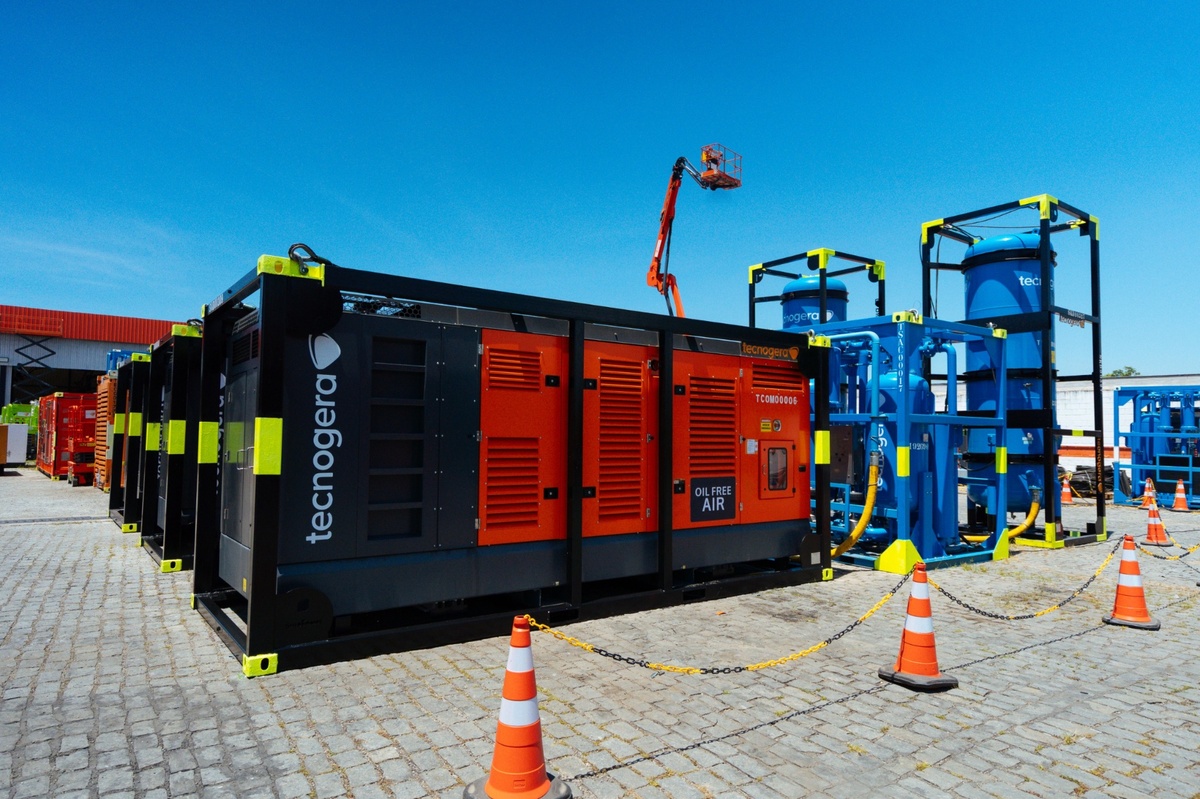
Offshore industrial demand in Macaé skyrockets with the recovery of oil and gas and could grow by up to 396% by 2026 in the Campos Basin.
-
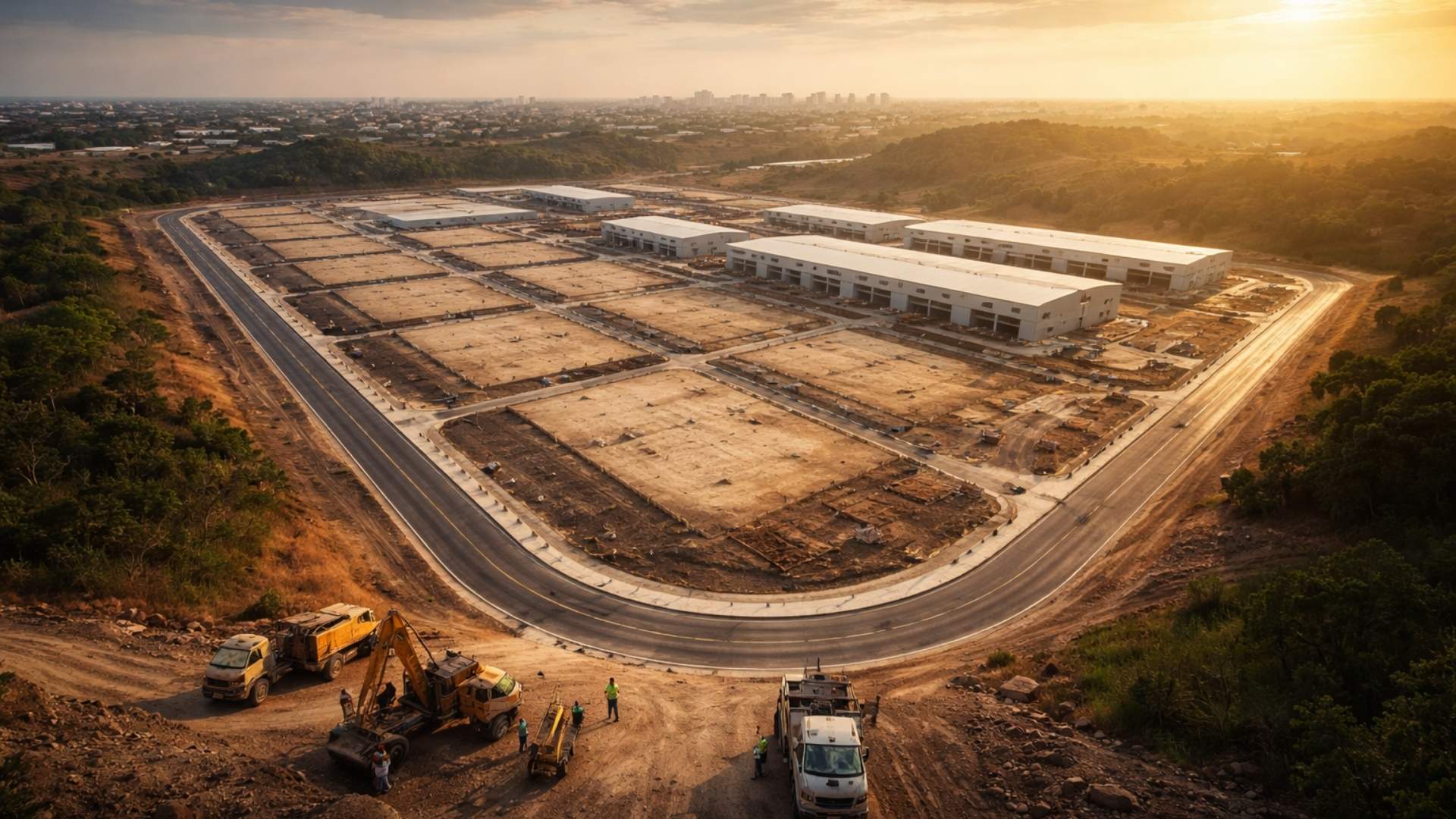
Brazilian city gains industrial hub for 85 companies that is equivalent to 55 football fields.
-
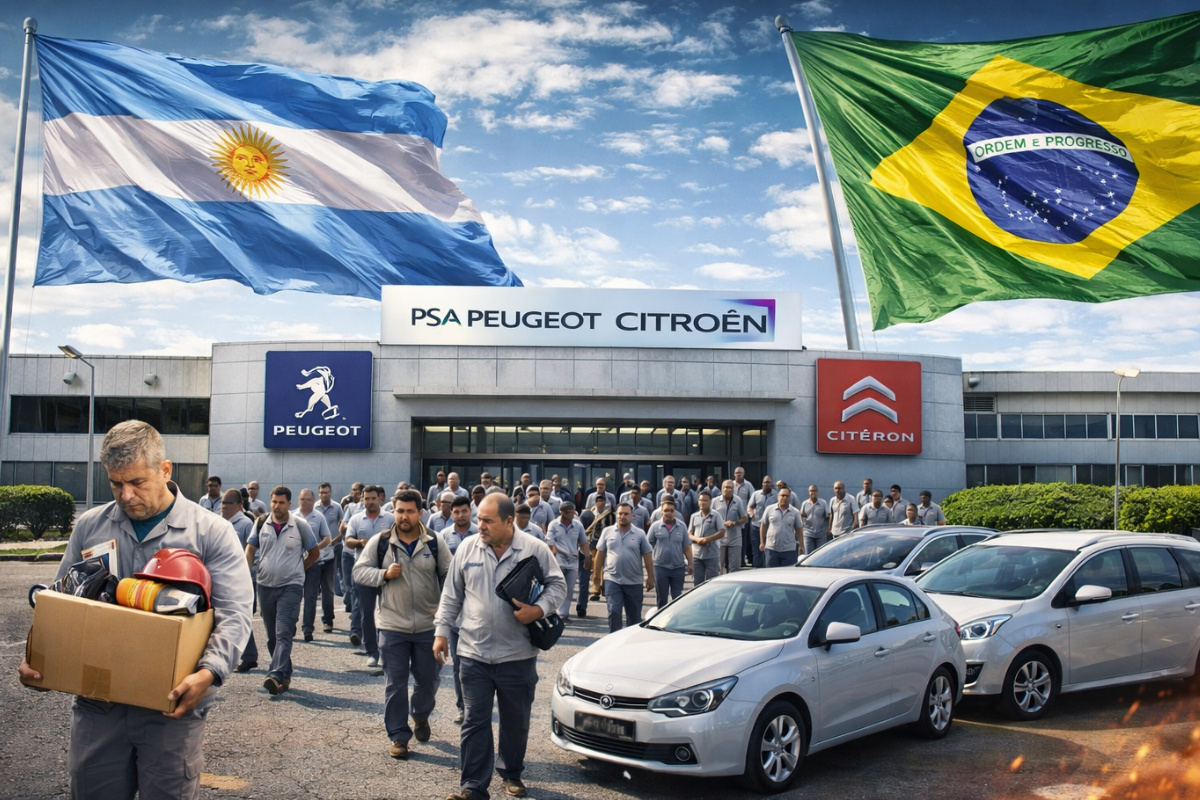
Peugeot and Citroën factory in Argentina cuts production by half and opens a layoff program for more than 2,000 employees after Brazil drastically reduced purchases of Argentine vehicles.
-
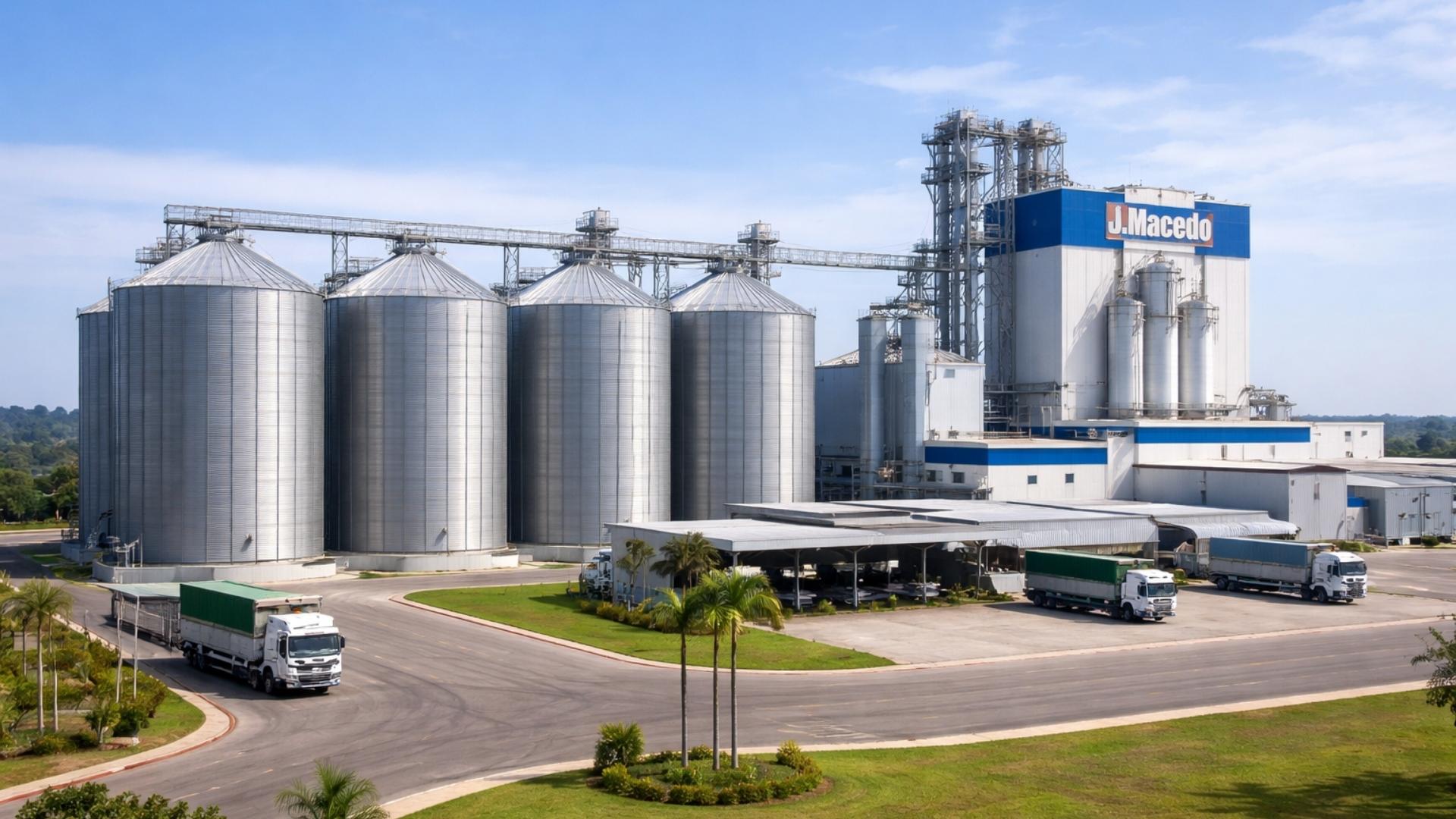
A Brazilian city gains a factory worth R$ 300 million with the capacity to process 200 thousand tons of wheat per year, a mill of 660 tons/day, silos for 42 thousand tons, and an industrial area of 276 thousand m².
Venezuelan Oil is More Expensive to Transport and Refine
Now, think about this: in addition to being difficult to extract, Venezuelan oil is more expensive to transport and refine. And, as if that weren’t enough, it is sold at a lower price than light oil. Venezuelans have to pay for diluents, chemicals that make this oil easier to handle. In other words, it’s a complicated business and it hits the pocket.
TO LEARN MORE: Searching for a better future? Free technology courses pave the way for young people, in-person classes!
The United States Provided a Breather and Suspended Sanctions on the Venezuelan Oil Sector
But not everything is bad news. In 2023, the United States provided a breather and suspended sanctions on the Venezuelan oil sector for six months. This brought a breath of hope, allowing foreign companies to begin returning to the Orinoco Belt. However, in April 2024, sanctions returned, but with a slight opening: now, foreign companies can obtain individual licenses to invest in the region. It is a sign that the game may change, but there is still a lot of work ahead.
The Region of Latin America That Has More Oil Than All of Saudi Arabia Needs to Overcome These Obstacles
Venezuela has a big challenge ahead if it wants to transform its immense potential into reality. Modernizing infrastructure, attracting foreign investments, and stabilizing the economy are essential steps for the country to finally take advantage of its huge oil reserves. The region of Latin America that has more oil than all of Saudi Arabia needs to overcome these obstacles to stop being just a sleeping giant and become a true energy powerhouse.
TO LEARN MORE: Today is Voting Day in Cheyenne, USA, and one of the candidates for mayor is an Artificial Intelligence named VIC
So, what do you think about this situation? Will Venezuela be able to overcome all these challenges and become an oil powerhouse?









Com o fim do lastro em ouro acordado em Bretton Woods, Nixon inventou o “petrodólar” p/ salvar a credibilidade da moeda. Mas, para isso, todo o comércio com petróleo deveria ser feito em dólares e quem não o fizesse seria atacado politica ou militarmente, como ocorreu com o Iraque, Líbia, Siria, Venezuela.
Por isso pretendem tb o petróleo russo do Cáucaso, via Ucrânia.
Leste? .será que estudaram geografia?
O interesse dos Americanos no petróleo Venezuelano é muito grande.