





 Portuguese
  English
  Spanish
  3 min of reading
  1 comment


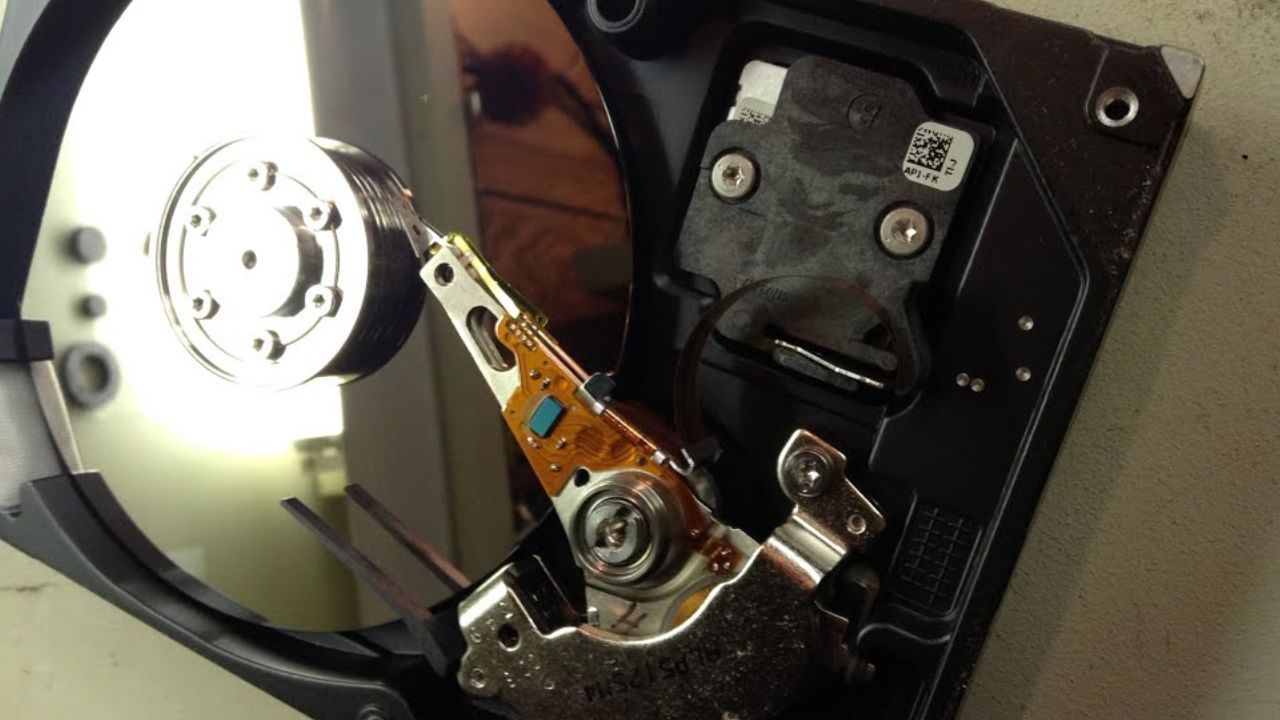


In Recent Years, Rare Earths Have Become One of the Most Valuable Resources on the Planet. These Minerals Are Essential for the Production of Electric Car Batteries, Wind Turbines, and High-Tech Electronics. However, China Dominates About 90% of Global Production, Becoming an Unbeatable Player in This Sector.
In Light of This Dependence, Startups Are Seeking Innovative Alternatives to Recover Rare Earths Through Recycling. One of These Ideas Comes from HyProMag, Which Found in Old Hard Drives a Gold Mine for Extracting These Elements. But How Does This Work? And Could This Solution Challenge the Chinese Monopoly?
The Chinese Monopoly on Rare Earths
Rare Earths Are a Set of 17 Minerals Used in Almost Every Modern Industry. Despite the Name, They Are Not That Rare in the Earth’s Crust, but the Difficulty of Extraction and Refining Makes Them Extremely Valuable. China Has Heavily Invested in the Production and Processing of These Materials Over the Last Few Decades, Establishing Itself as the World’s Leading Supplier.
This Dependence of the West Has Political and Economic Consequences. China Has Already Used Rare Earth Exports as a Geopolitical Tool, Restricting Supply to Countries During Times of Trade Tension. This Has Led Various Nations to Seek Alternatives to Reduce This Vulnerability.
-
Expedition 501: Scientists drill into the ocean floor and discover a giant reserve of fresh water hidden beneath the sea, extracting nearly 50,000 liters and revealing an invisible system that could reshape the map of water scarcity.
-
Archaeologists find an intact tomb over 2,500 years old, with more than 100 preserved objects, weapons, jewelry, and human remains never touched.
-
Volcanic lava transforms into threads as fine as human hair that travel over 30 kilometers by wind and fall like cutting rain on roofs and backyards in Hawaii and Iceland.

-
NASA issues a warning for the feared Godzilla El Niño that could change the planet’s climate in 2026 with extreme warming of the Pacific capable of causing devastating droughts in some regions and historic floods in others simultaneously.


Hard Drive Recycling: A New Path
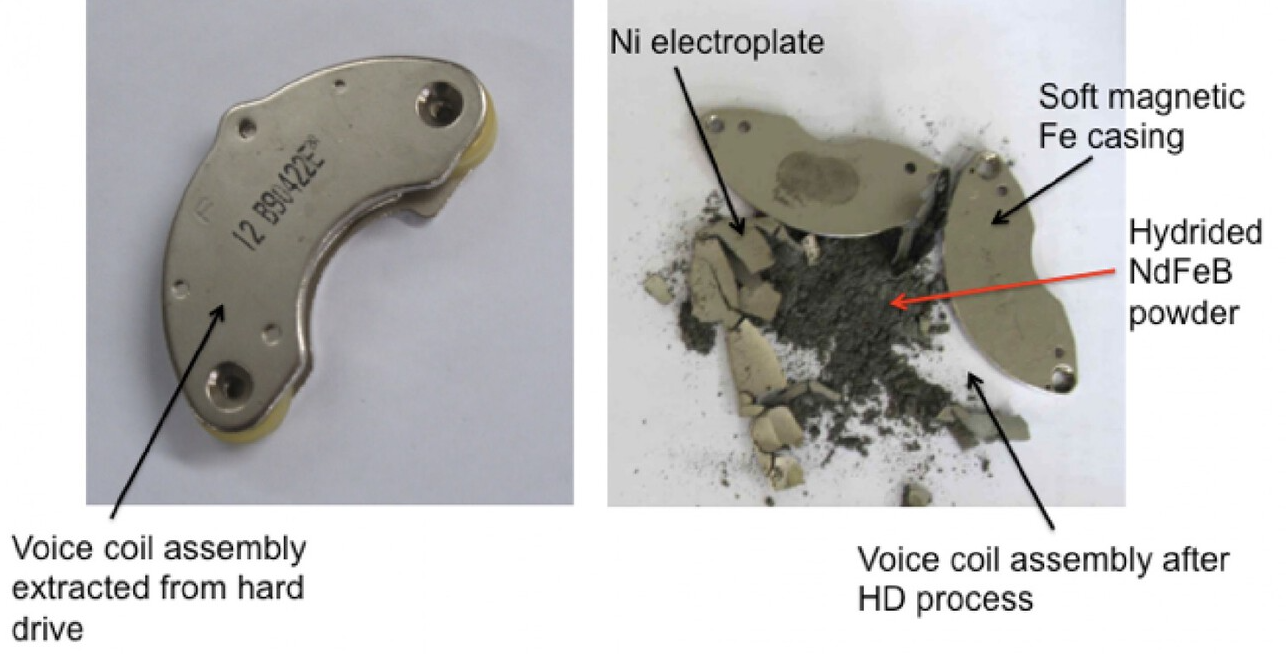
With the Increasing Demand for Rare Earths and the Challenges in Expanding Mining Outside China, Recycling Emerges as a Viable Solution. Old Hard Drives, for Example, Contain Powerful Neodymium Magnets, One of the Most Important Elements of Rare Earths.
Companies Are Investing in This Niche to Efficiently and Sustainably Extract These Materials. HyProMag is One of the Startups Betting on This Innovative Approach, Proposing an Advanced Method to Recover Rare Earths from Old Devices.
HyProMag and Its Innovation in Recycling
HyProMag, Founded by Experts from the University of Birmingham, Developed a Process Based on the Application of Pure Hydrogen. Here’s How It Works: Hard Drives Are Placed in a Sealed Drum and Exposed to Hydrogen, Which Penetrates the Microcracks of Neodymium Magnets, Fragmenting Them into Powder.
This Material is Then Separated from Other Components, Such as Steel, Aluminum, and Nickel, Allowing for Its Reuse in the Production of New Magnets. The Method is Efficient, Generates Little Waste, and Has a Great Potential for Scalability. The Company Estimates Its Initial Capacity to Be 25 to 30 Tons Per Year, but Hopes to Grow to 350 Tons with a New Plant in Germany and Another 1,000 Tons in a Future Factory in Texas.
Cyclic Materials: A Different Method
Another Startup, Cyclic Materials, is Also in the Race for Rare Earth Recycling but Is Betting on a Different Approach. Instead of Separating Just the Magnets from Hard Drives, the Company Breaks the Materials Down to Their Chemical Level, Allowing for Greater Flexibility in Reuse.
Its CEO, Ahmad Ghahreman, Compares the Two Methods to Recycling a Pizza. According to Him, HyProMag’s Technique Converts the Pizza into Dough Ready for Reuse, While Cyclic Materials’ Technique Separates Each Ingredient Individually. This Would Allow Recycled Rare Earths to Be Used for Various Purposes, Not Just in the Production of New Magnets.
Cyclic Materials is Also Growing Quickly. In 2024, It Produced 100 Tons of Rare Earth Oxides and Expects to Reach 600 Tons by Year-End. It Plans to Build New Factories in the U.S., Canada, and Europe, Further Increasing Its Production Capacity.







Excelente ideia da reciclagem, outros países devem seguir com a prática