





 Portuguese
  English
  Spanish
  3 min of reading
  0 comments


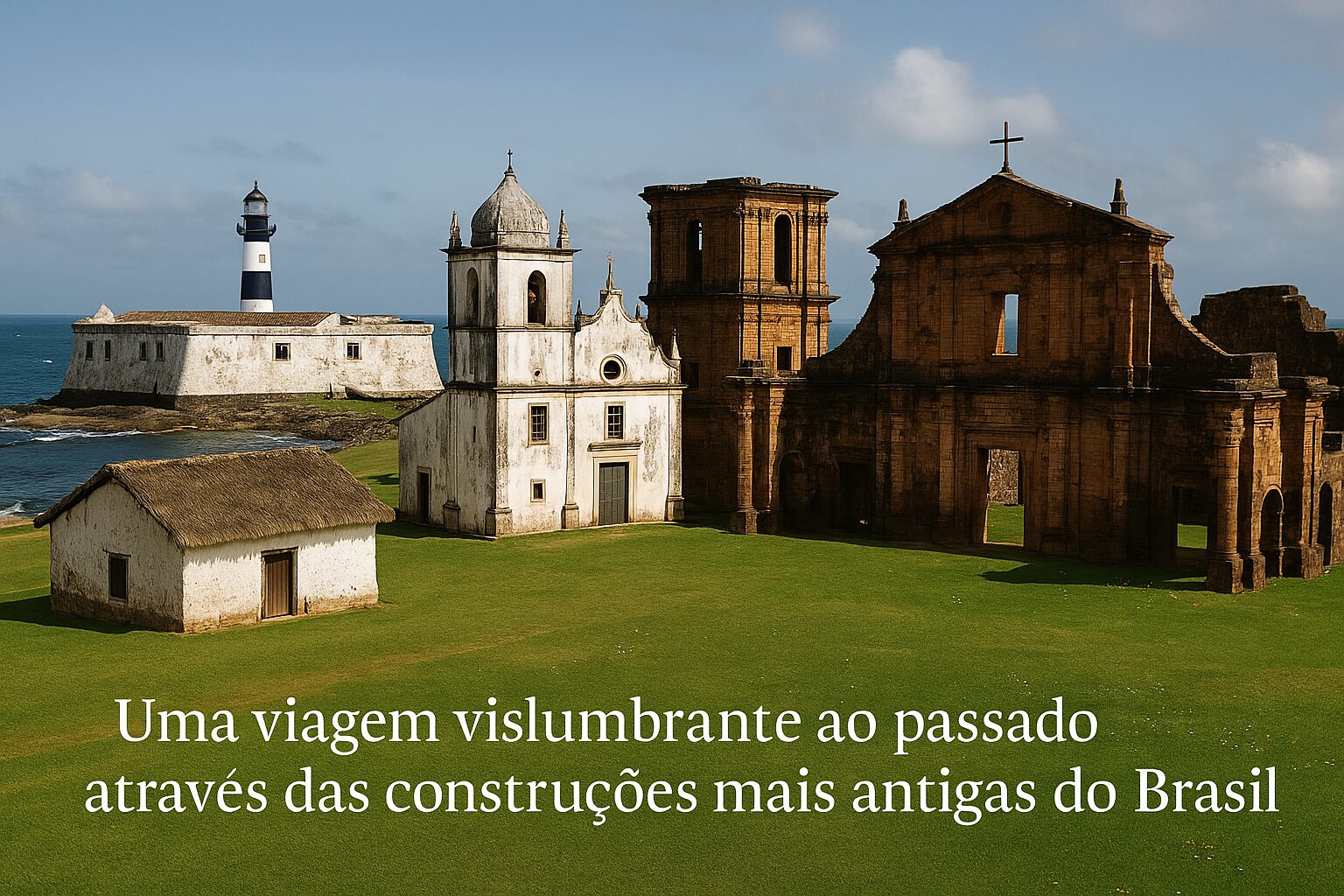
From Coast to Interior, Churches, Forts, and Houses Built Between the 16th and 18th Centuries Reveal the First Chapters of Brazilian History
Brazil holds some of the oldest constructions in the Americas within its territory. Spread across different regions of the country, these structures tell part of the national story. Churches, forts, houses, and historic centers help understand the early years of occupation, colonization, and cultural formation of Brazilian territory.
Church of Our Lady of Assumption: The Oldest Religious Landmark

Located in Olinda, Pernambuco, the Church of Our Lady of Assumption was founded in 1535. Considered the oldest church in Brazil, it stands out for its Portuguese colonial architecture, made with rammed earth and stonework. The temple is situated in a historic site recognized as a UNESCO World Heritage Site.
Fort Santo Antônio da Barra: Defense of the Baiana Coast

Built in 1534, Fort Santo Antônio da Barra is located in the Bay of All Saints in Salvador, Bahia. It was one of the main points of defense against invaders. Today, the fort operates as a museum and offers visitors a privileged view of the bay and the city.
-
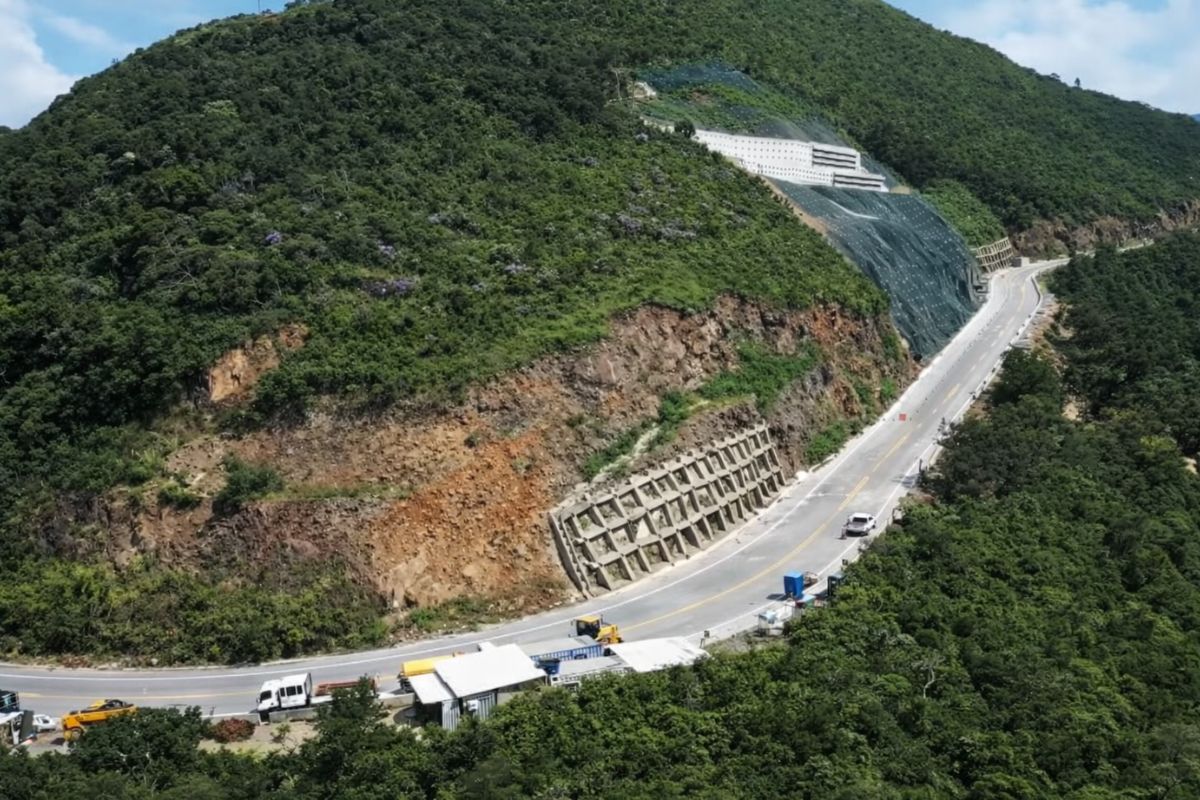
The section of Serra da Rocinha on BR-285 is now open in Timbé do Sul: 50 m tensioned curtains and top-down technique stabilize the slope, with a stairway duct controlling the water.
-
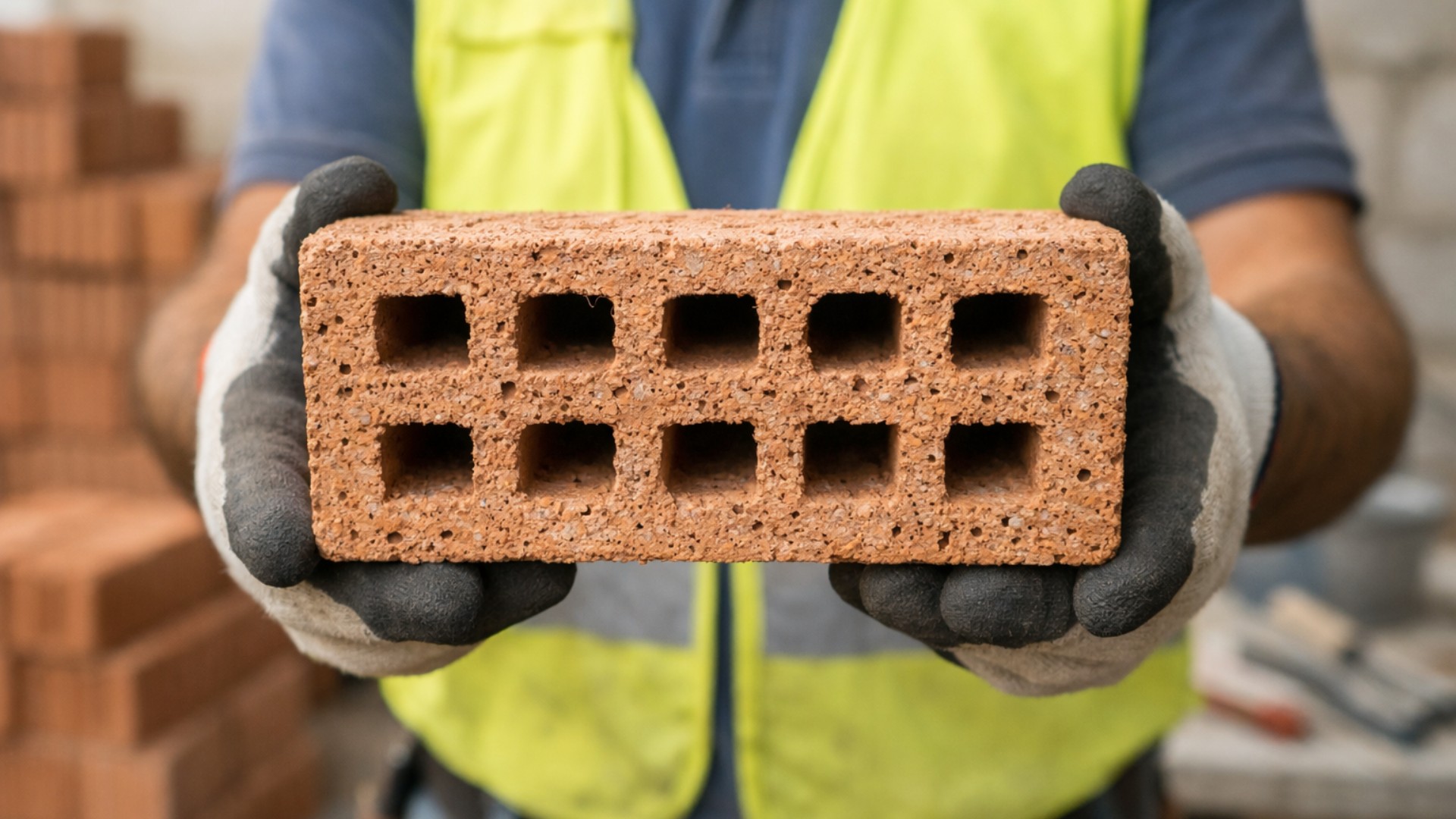
Scientists use sawdust mixed with clay to create a lighter brick, promising efficient thermal insulation and impressing by transforming waste into a solution for construction.
-
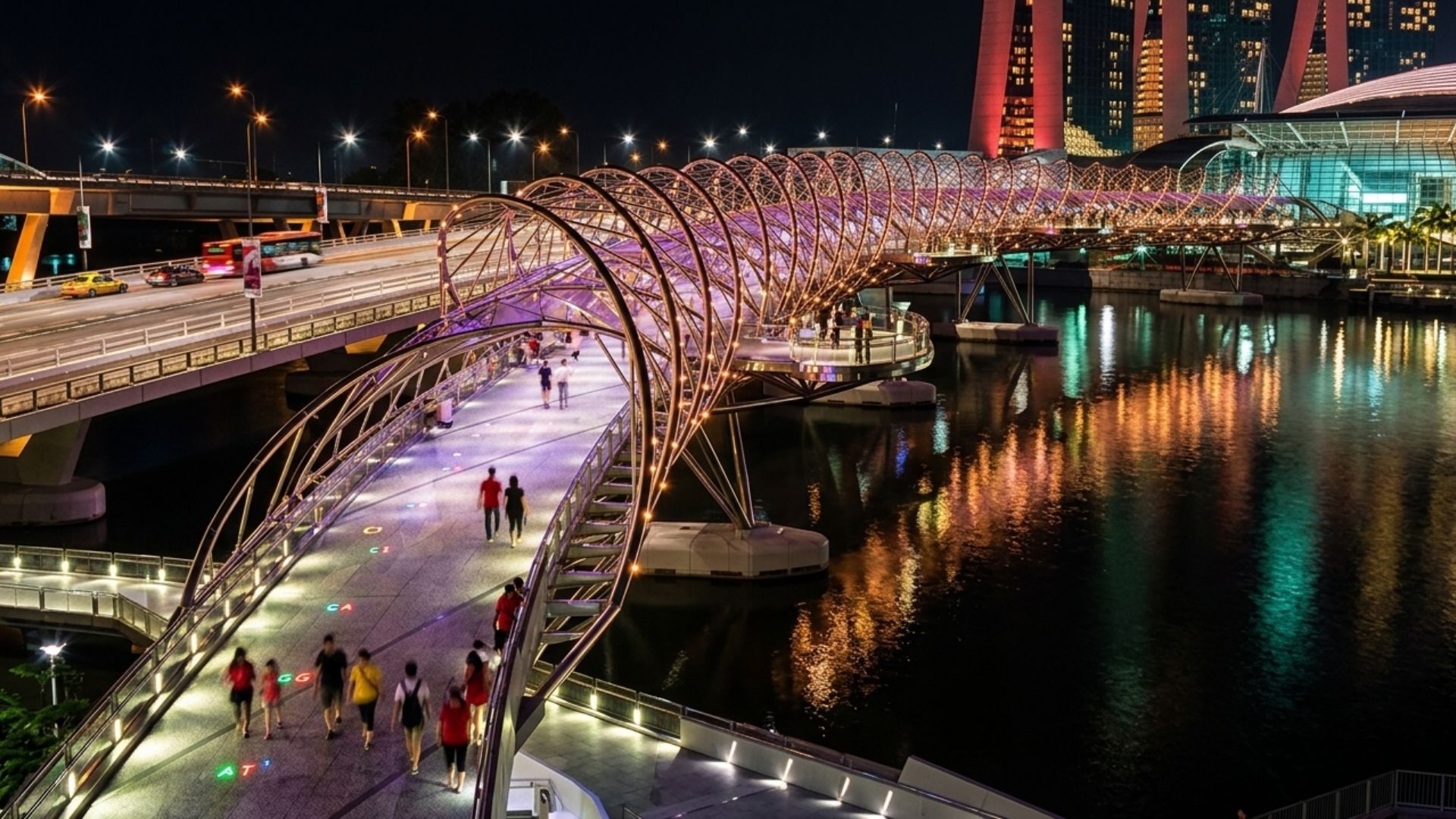
With a DNA shape, this bridge in Singapore draws attention in modern architecture and surprises tourists by transforming a simple crossing into an unforgettable visual experience in the urban heart.
-
Giant underwater pipeline begins to take shape with a R$ 134.7 million project at the Port of Santos: the 1.7 km structure uses 12-meter and 700 mm pipes to supply water to 450,000 people in Guarujá.


Convent of Saint Francis: Baroque Art in Olinda

Founded in 1582, the Convent of Saint Francis is also located in Olinda. It is one of the most important religious complexes in the country. Its interior is marked by Baroque art, with golden altars, Portuguese tiles, and rich decoration. The convent’s church is considered one of the most beautiful in Brazil.
São Miguel das Missões: Vestiges of the Jesuit Period

The Archaeological Site of São Miguel das Missões, in Rio Grande do Sul, preserves the ruins of nine Jesuit missions founded in the 17th century.
The site is recognized as a World Heritage Site by UNESCO. The constructions show what life was like for the indigenous people and missionaries during that period, with remnants of churches, schools, and houses.
House of Taipa: The Oldest Residence in Brazil

The House of Taipa, located in São Vicente, São Paulo, was built in the 16th century. Made of rammed earth, it is considered the oldest house in Brazil.
It features a thatched roof, a wooden porch, and characteristics of Portuguese colonial architecture. Today, it houses a museum with objects used in daily life of the time.
Historical Center of Ouro Preto: Wealth of Mineiro Baroque

The Historical Center of Ouro Preto, in Minas Gerais, contains constructions from the 18th and 19th centuries. The city was one of the main centers of gold extraction during colonial Brazil.
The cobblestone streets, colonial mansions, and Baroque churches are part of the scenery that attracts tourists from various parts of the world. The area is a World Heritage Site recognized by UNESCO.
Fort Prince of Beira: Military Grandeur in Rondônia

Fort Prince of Beira was built in 1765, on the Brazilian bank of the Guaporé River, in Costa Marques, Rondônia. Considered the largest fortification in Latin America, the fort holds great historical value. Today, it operates as a museum and offers a panoramic view of the city.
Living Heritage That Tells the Story of Brazil
These constructions are witnesses to the history of Brazil. They reveal cultural, religious, military, and social aspects from different periods.
Preserving these spaces is crucial to keeping the memory of the country alive. Each wall, altar, or ruin carries an important chapter of Brazilian formation.
With information from Awa Comercial.





-

Uma pessoa reagiu a isso.