





 Portuguese
  English
  Spanish
  4 min of reading
  0 comments


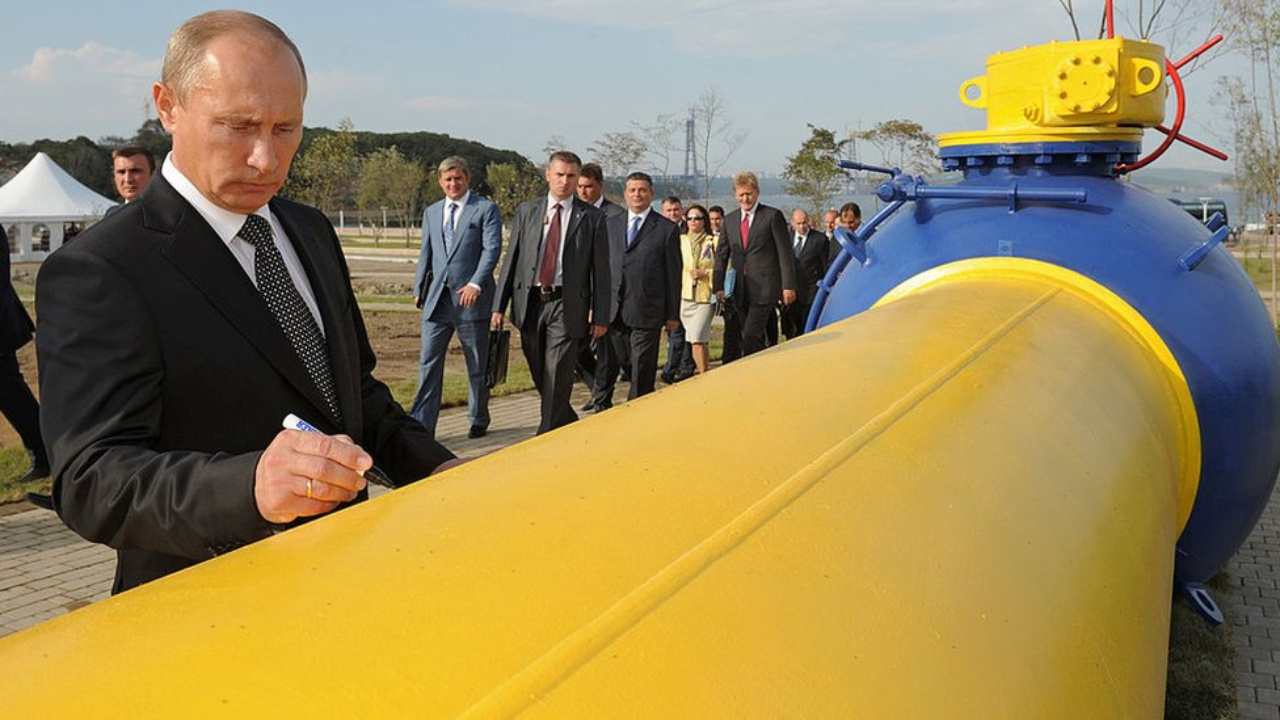
European Parliament Approves Plan to Eliminate Russian Gas and European Commission Prepares Proposal to Gradually End Oil Imports from Russia.
The European Union has taken another decisive step to reshape its energy policy by approving a plan that envisages the gradual end of gas imports from Russia. The measure, which also paves the way for a specific proposal regarding Russian oil, reinforces the bloc’s commitment to reduce dependence on fossil fuels coming from Moscow, in direct response to the war in Ukraine.
The decision was made at a time of reorganization in the European energy market, marked by geopolitical pressures, a search for supply security, and an acceleration of supplier diversification strategies.
European Parliament Approves Plan and Overcomes Legal Hurdle
The European Parliament approved on Wednesday the EU’s plan to gradually eliminate imports of Russian gas by the end of 2027. The vote represented the overcoming of one of the last legal hurdles for the ban to take effect.
-
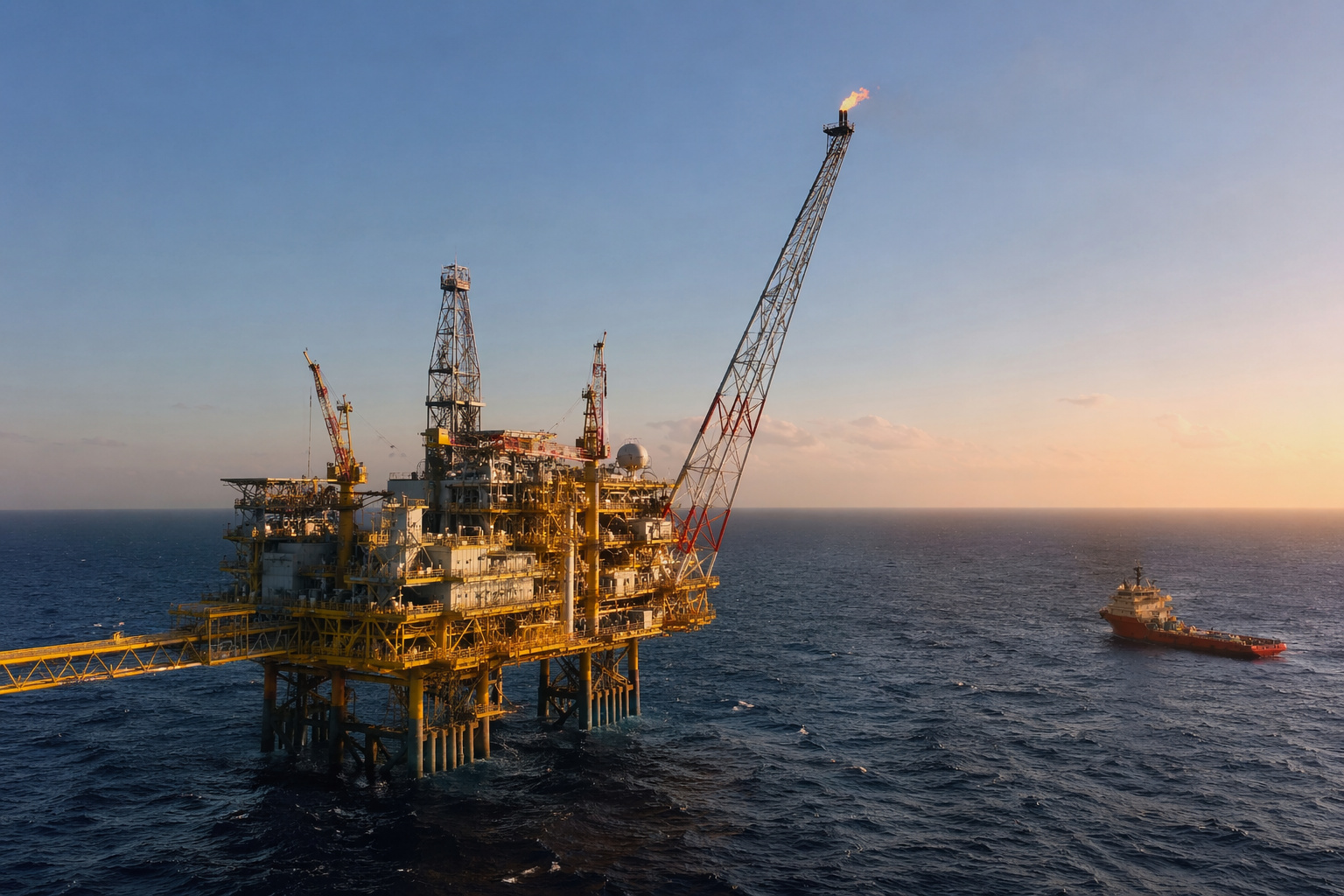
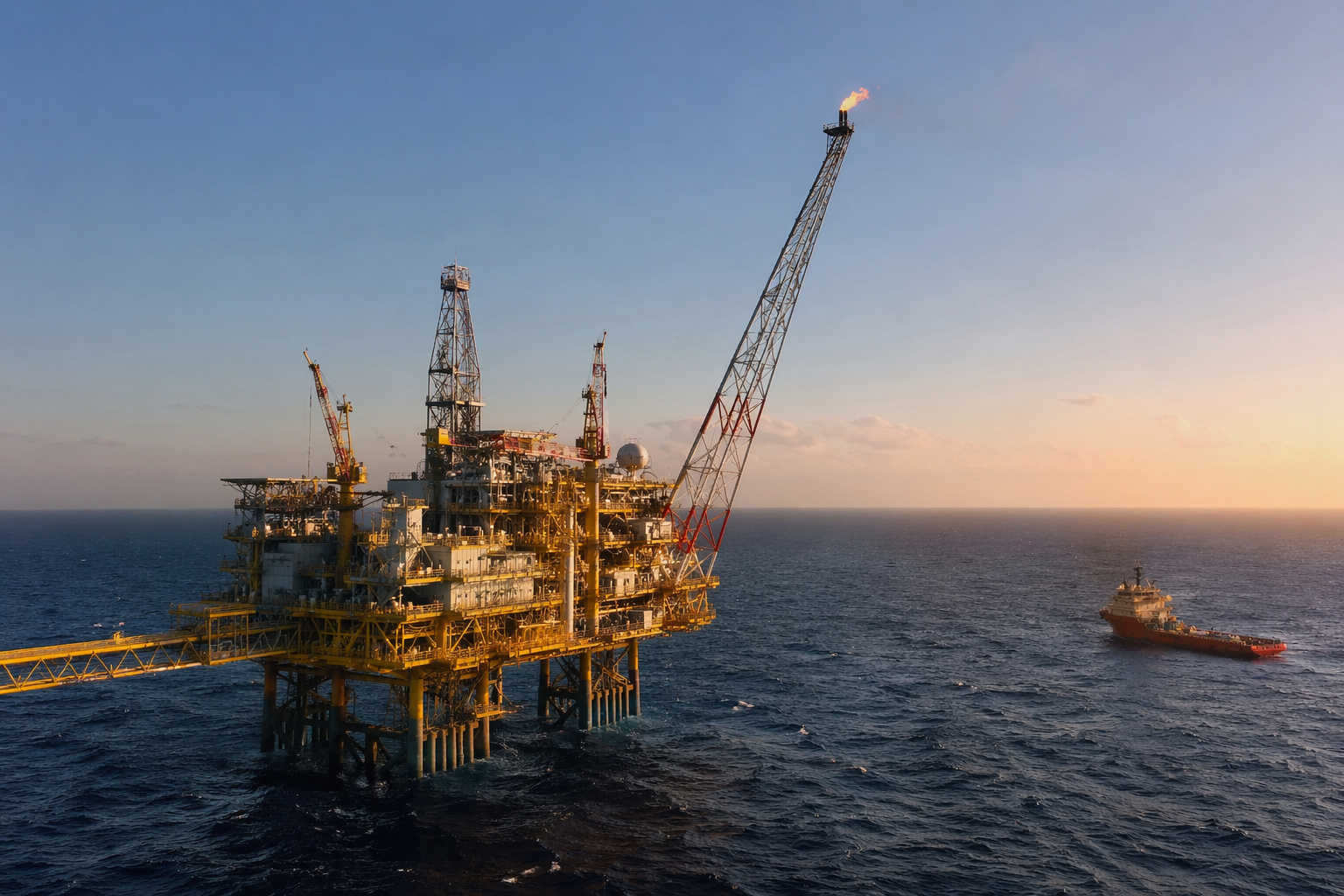
The next exploration auction in the pre-salt will offer 23 blocks in the Campos and Santos basins and may change the interest of oil companies in Brazil.
-
The next exploration auction in the pre-salt will offer 23 blocks in the Campos and Santos basins and could change the interest of oil companies in Brazil.
-
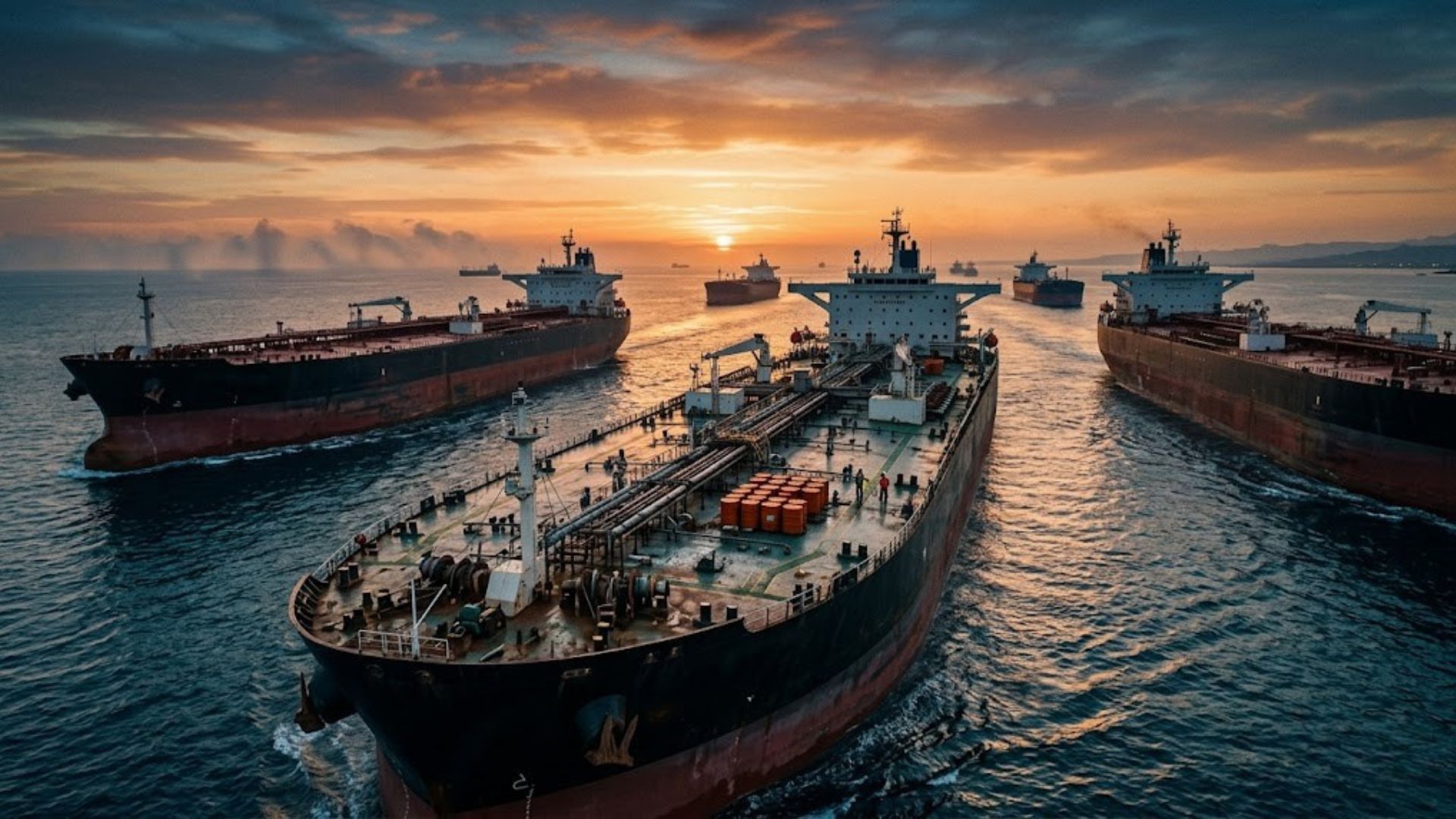
Red Sea, from biblical site to oil hope: South Korea reveals ambitious plan to create new oil routes through the Red Sea with the dispatch of 5 ships, agreements with 3 countries, and a focus on the strategic port of Yanbu.
-
SISTAC expands contract with Petrobras for maintenance of platforms in the Santos, Campos, and Espírito Santo basins using ROV and specialized underwater operations.
In total, 500 lawmakers voted in favor of the proposal, while 120 opposed it and 32 abstained. The result demonstrates a broad majority in support of the energy break with Russia, the former main gas supplier to Europe.
Despite the approval in Parliament, the legislation still needs to go through a formal stage. The expectation is that EU ministers will validate the agreement at the beginning of next year, without changes to the approved text.
Legislation Seeks to Overcome Internal Resistance
The law was structured to be approved by a reinforced majority of member states, a mechanism that allows overcoming internal resistances. Hungary and Slovakia, for example, defended the maintenance of energy relations with Moscow and opposed the proposal.
With this legal format, the European Union seeks to ensure the implementation of the plan even in the face of opposition from some governments, reinforcing the strategic character of the decision for the bloc as a whole.
Timeline Foresees End of Russian Gas by 2027
According to the approved agreement, the EU will suspend imports of liquefied natural gas (LNG) from Russia by the end of 2026. Gas supply through pipelines is expected to end by the end of September 2027.
The numbers show a significant shift in recent years. In October, Russia accounted for about 12% of the European Union’s gas imports. Before the invasion of Ukraine in 2022, that share was approximately 45%.
Even with the significant drop, some countries still maintain purchases of Russian fuel. Hungary, France, and Belgium are among the member states that continue to receive gas from Moscow.
European Commission Targets Russian Oil as Well
In addition to gas, the European Commission made it clear that oil is also at the center of the energy distancing strategy. The body announced that it will present, in early 2026, a specific legislative proposal to gradually eliminate imports of Russian oil.
The initiative is expected to follow the same logic applied to gas, with staggered deadlines and legal mechanisms to ensure adherence from member countries. The goal is to definitively reduce the European bloc’s exposure to Russian oil exports.
This movement occurs in a context of economic sanctions already imposed since the beginning of the conflict in Ukraine, which affected the trade of oil, coal, and energy derivatives between Russia and Western countries.
War in Ukraine Redefines Europe’s Energy Policy
The energy break with Moscow fulfills a promise made by the European Union following the invasion of Ukraine in February 2022. Since then, the bloc has been adopting a series of measures to reduce its dependence on Russian resources, including agreements with new suppliers and investments in alternative sources.
The gradual exclusion of Russian oil is seen as another step in this trajectory. However, experts point out that the process requires complex adjustments in logistics, long-term contracts, and market balance for international oil prices.
Impacts on the Oil Market and Geopolitics
The European decision is likely to provoke ripples in the global oil market, as it redirects trade flows and pressures Russia to seek new buyers. At the same time, producing countries from other regions may gain ground in supplying the European bloc.
Internally, the EU hopes that diversification of sources and reduction of Russian dependence will bring greater energy stability in the medium and long term, even in the face of economic and political challenges in the short term.
With the approval of the plan and the clear signal regarding oil, the European Union consolidates one of the largest reconfigurations of its energy policy in recent decades, aligning economic, strategic, and geopolitical decisions in an increasingly complex global landscape.








-

-

-

10 pessoas reagiram a isso.