





 Portuguese
  English
  Spanish
  3 min of reading
  0 comments


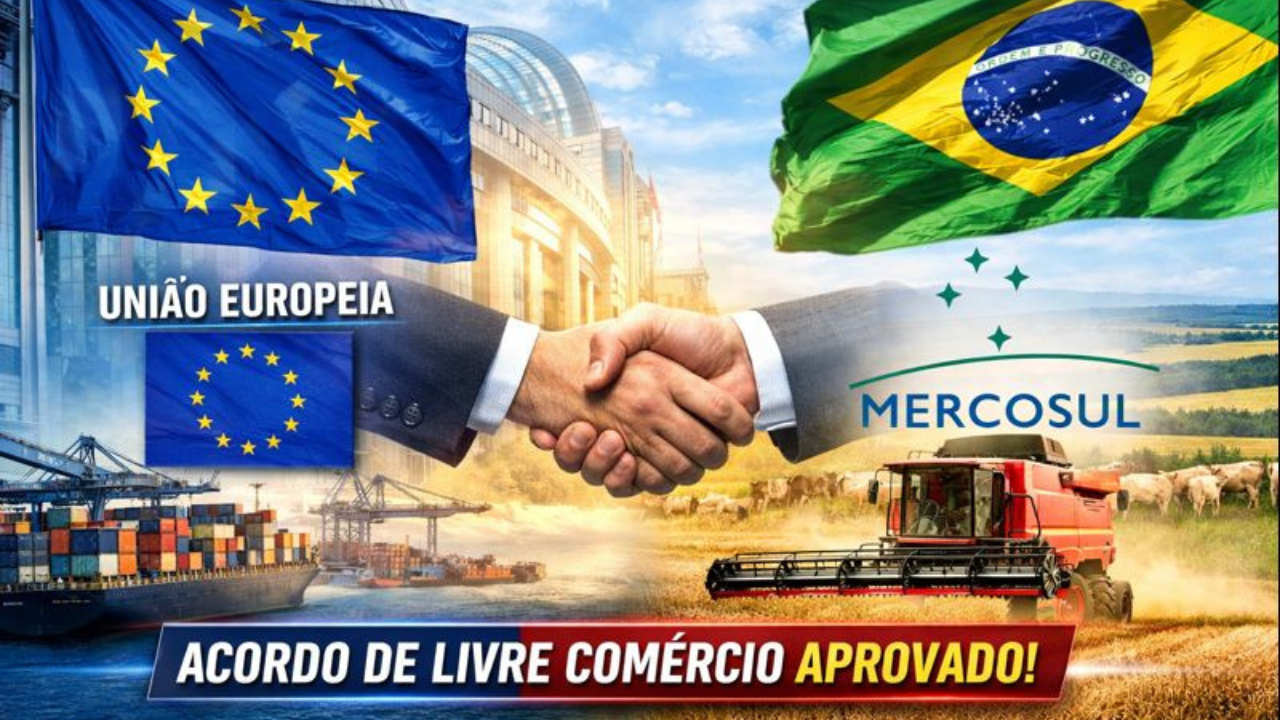
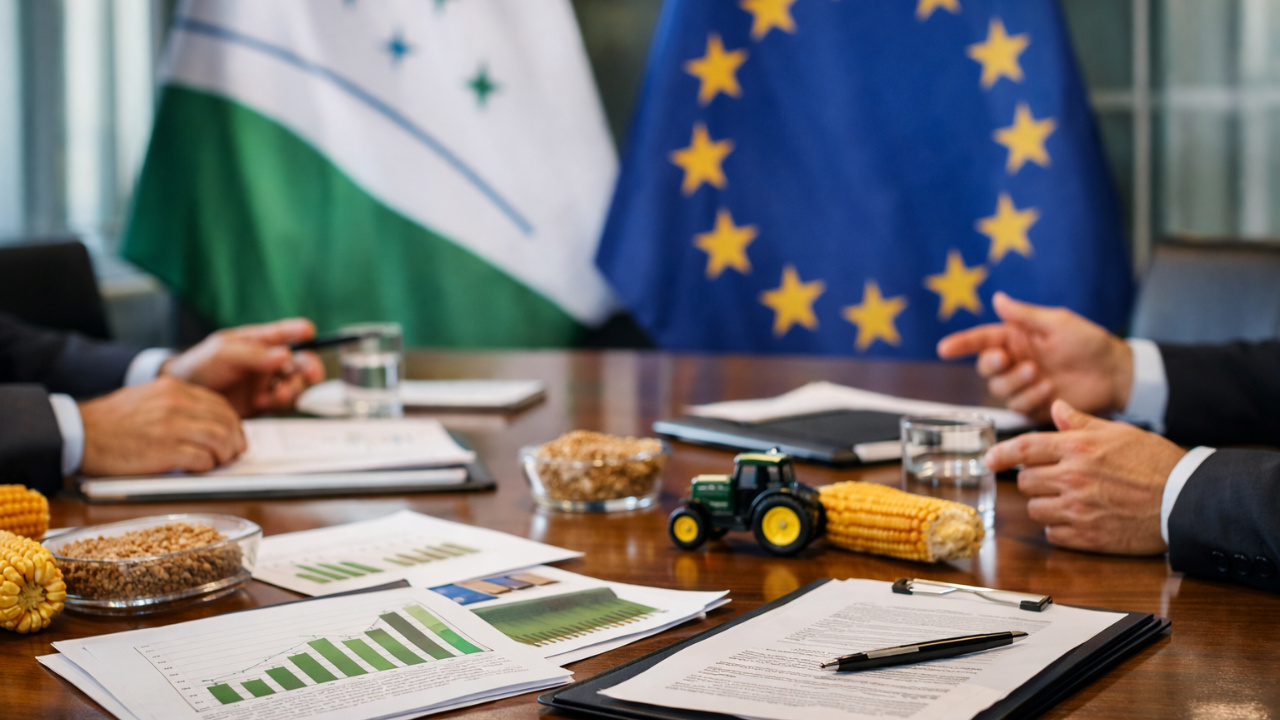
Free Trade Agreement Between European Union and Mercosur Advances After Political Ratification in European Council.
After decades of deadlock, the largest trade agreement ever negotiated by the European Union took a decisive step forward this Friday (9).
The decision involved heads of state and government from the member countries, occurred after more than 25 years of negotiations, and was driven by Europe’s strategic interest in expanding markets, strengthening international partnerships, and responding to changes in global trade.
With political approval, the text of the Free Trade Agreement now enters its next institutional phase.
-
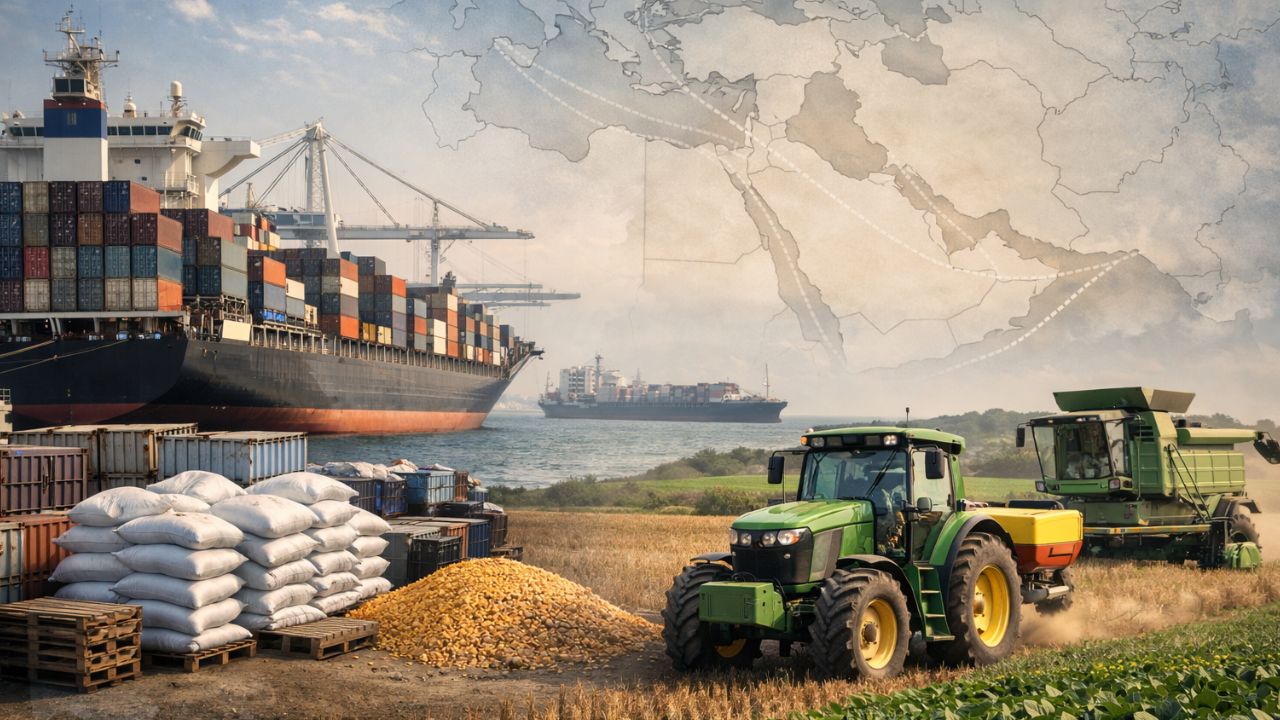
Middle East War Hits Fertilizers and Transportation and May Strain Brazilian Wallets
-
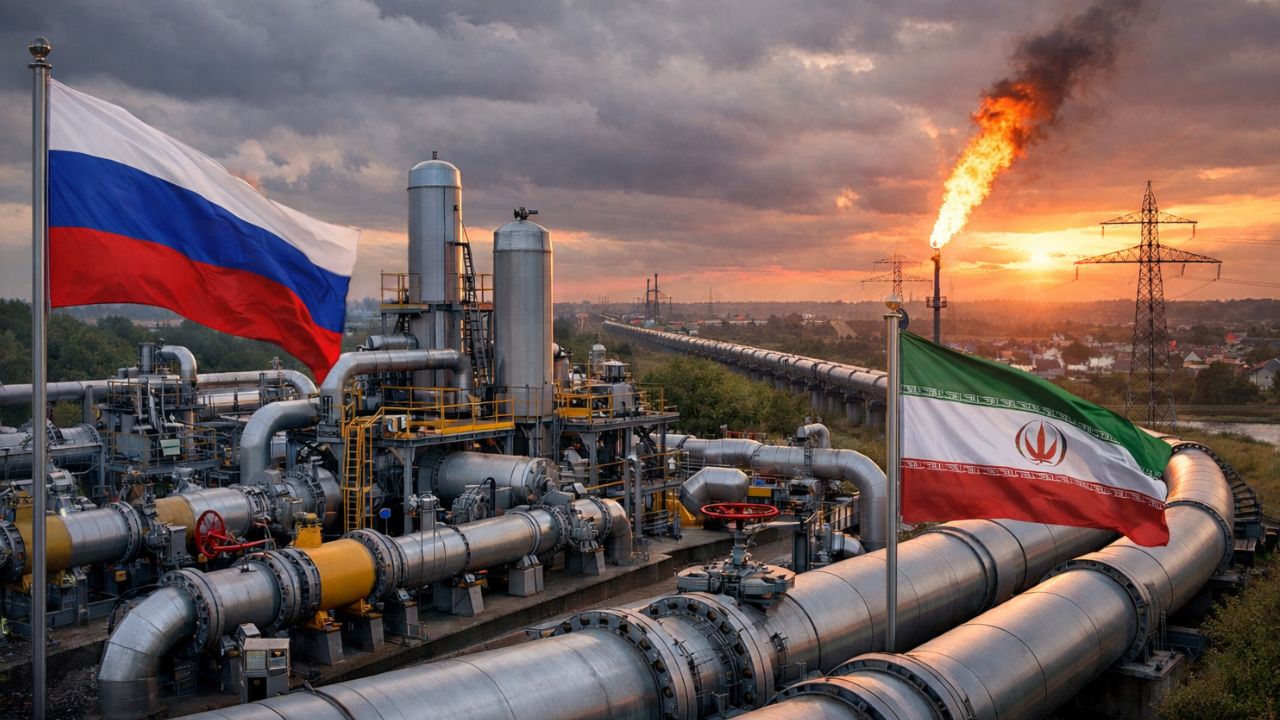
Russia Considers Suspending Gas to Europe After Surge in Energy Prices
-
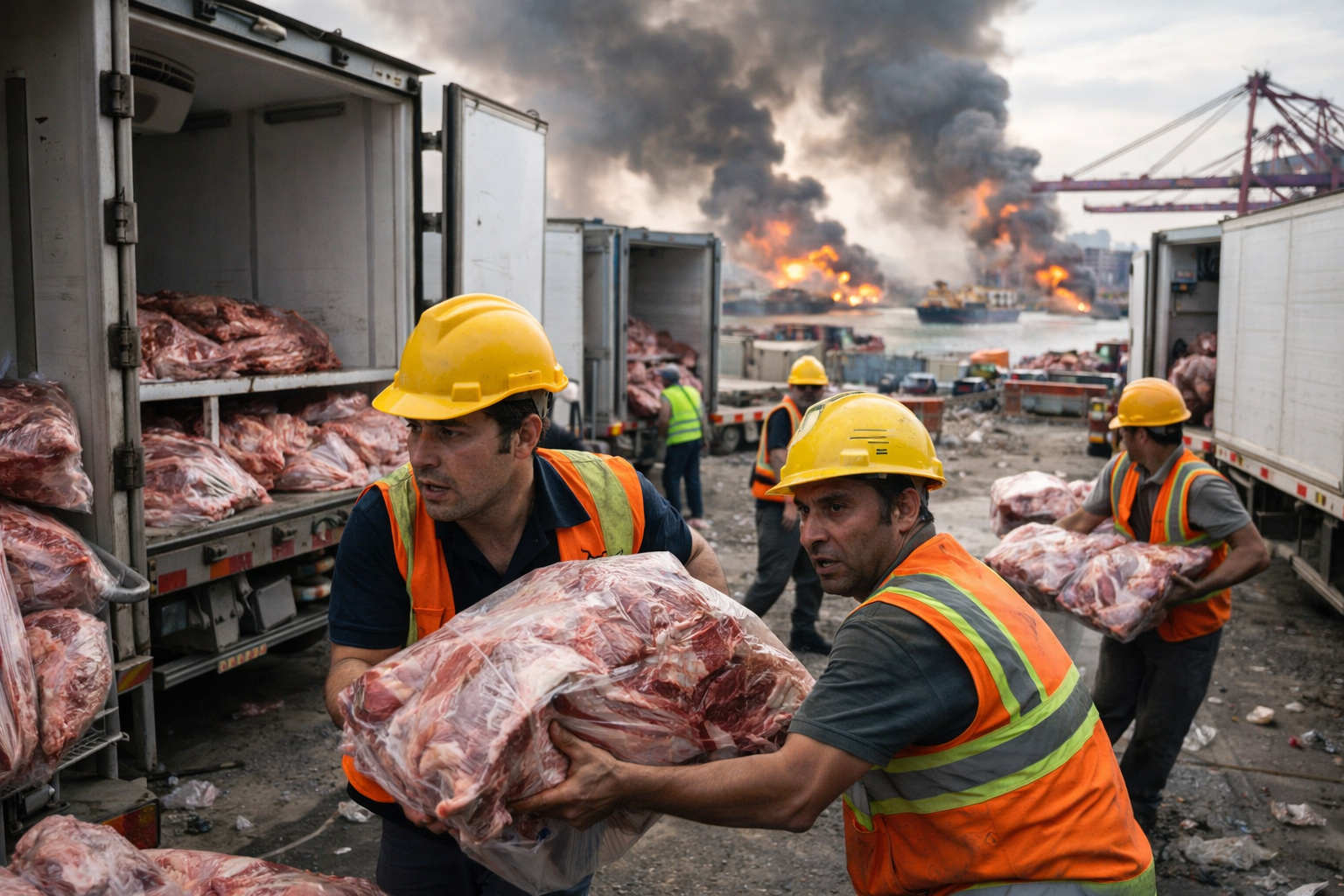
How A War Thousands of Miles From Brazil Started Disrupting Global Shipping Routes, Raising Container Costs, and Putting Up to 40% of Brazilian Beef Exports at Risk
-
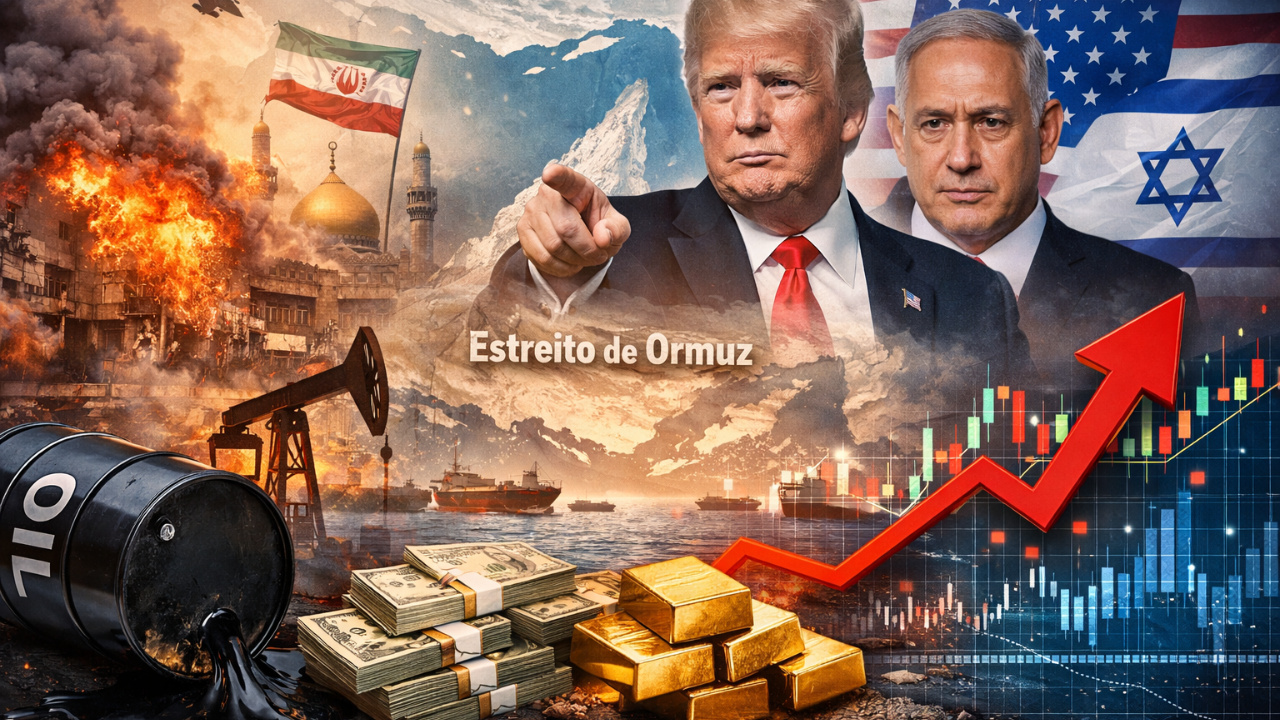
Iran-U.S. War Drives Up Oil Prices and Pressures Global Financial Markets
The movement comes at a time of reorganization of global supply chains, increasing geopolitical tensions, and a search for greater economic predictability among historical partners.
Political Ratification Secures Majority and Overcomes Internal Divisions
The political ratification of the agreement received support from 21 of the 27 countries of the European Union.
France, Hungary, Poland, and Ireland voted against, while Belgium preferred to abstain.
This result was only possible because populous countries, like Italy, supported the text.
According to European rules, at least 15 countries representing 65% of the population of the bloc are required.
Thus, Italian support was deemed crucial to unlocking the process.
Free Trade Agreement Mercosur–EU: What Changes in Practice
The Free Trade Agreement between Mercosur and European Union provides for the gradual reduction of tariffs, greater access to markets, common rules for investments, and commitments in areas such as sustainability, the environment, and labor rights.
For South American countries, the pact increases access to one of the largest consumer markets in the world.
For the European Union, the agreement strengthens its economic presence in South America and diversifies partnerships in an increasingly fragmented international scenario.
According to Argentina’s Ministry of Foreign Affairs, the formal signing of the treaty is scheduled for January 17.
Statements Highlight Historical Character of Advancement
In an official statement, Michael Damianos, Minister of Energy, Commerce and Industry of Cyprus, highlighted the political significance of the decision.
“After more than 25 years, today’s decisions represent a historic step in strengthening the strategic partnership of the EU with Mercosur,” he stated.
“These agreements will create new opportunities for businesses on both sides, while ensuring robust safeguards for our most sensitive sectors and a fair and sustainable framework for trade.”
The statements reflect the European effort to balance trade openness with protection for segments considered vulnerable, especially in agriculture.
European Agricultural Resistance Remains as Main Obstacle
Despite the political ratification, the agreement does not automatically come into effect.
Rural producers and agricultural unions argue that opening the market could lead to unfair competition.
On the other hand, supporters of the agreement argue that the text includes environmental clauses and safeguard mechanisms precisely to address these criticisms.
Next Steps and Political Impact of the Agreement
With the Council’s decision, the expectation is that the President of the European Commission, Ursula von der Leyen.
From there, the focus shifts to the European Parliament, where the debate promises to be intense.
Even without immediate validity, the advancement represents a significant political milestone.
Thus, it ends a historic blockade within the European Union and signals that the bloc is willing to take calculated risks to consolidate its position in international trade.
Therefore, the agreement between Mercosur and European Union returns to the center of the global agenda, not only as a trade treaty but as a symbol of strategic realignment in an increasingly competitive world.








-

Uma pessoa reagiu a isso.