





 Portuguese
  English
  Spanish
  5 min of reading
  6 comments


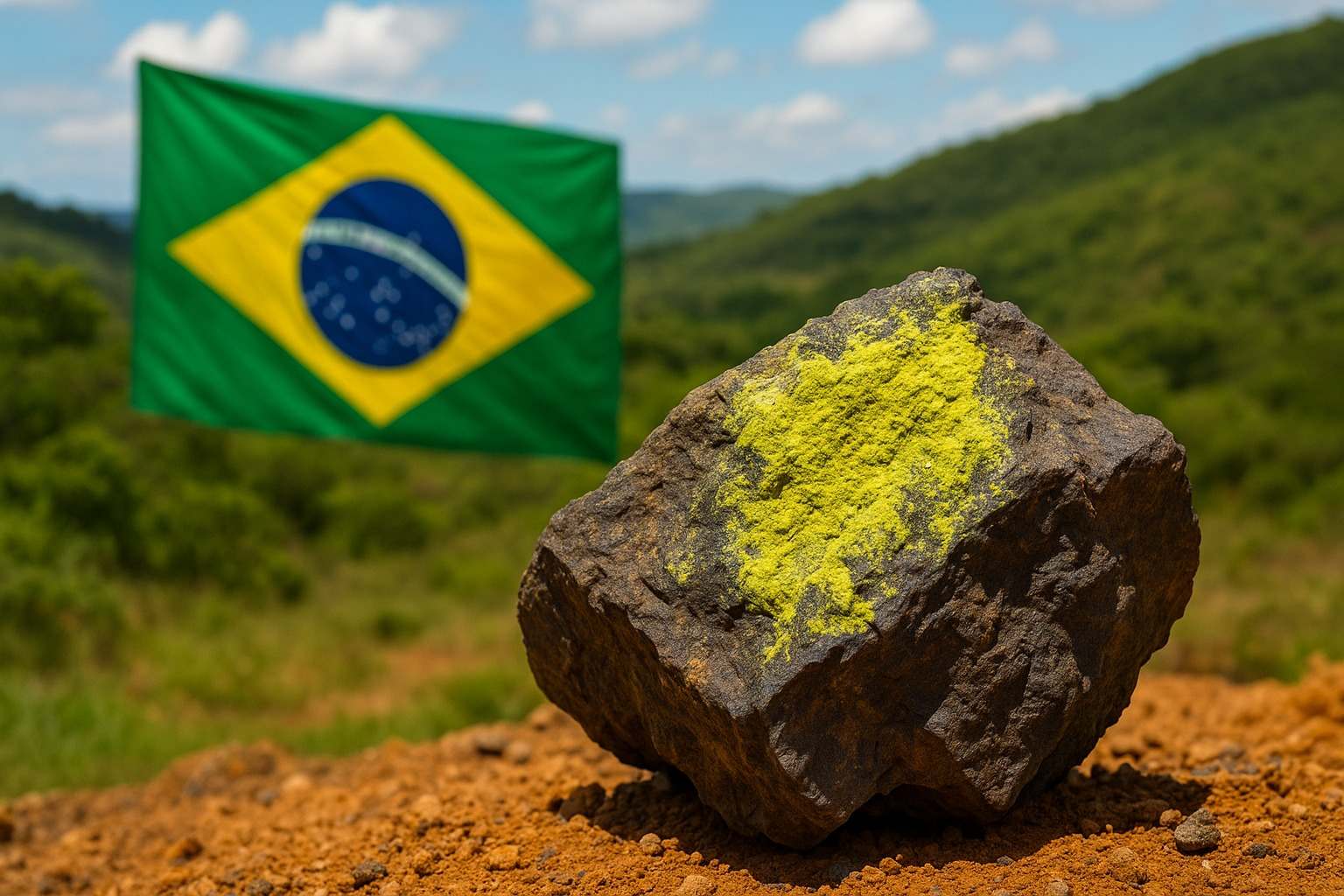


With only 54 thousand inhabitants, Caetité concentrates the only uranium mine in operation in Brazil, producing 400 tons annually and planning an expansion to 800 tons, besides placing the country among the largest holders of strategic reserves in the world.
Few Brazilians know, but there is one municipality in the country responsible for concentrating all national production of uranium — a strategic metal, indispensable for nuclear energy generation.
This medium-sized city, with just over 50 thousand inhabitants, harbors one of the largest mineral wealths ever identified in the national territory.
It is at this specific point on the map that the only active uranium mining operation in Brazil functions, responsible for transforming raw ore into a concentrate known as yellowcake.
-
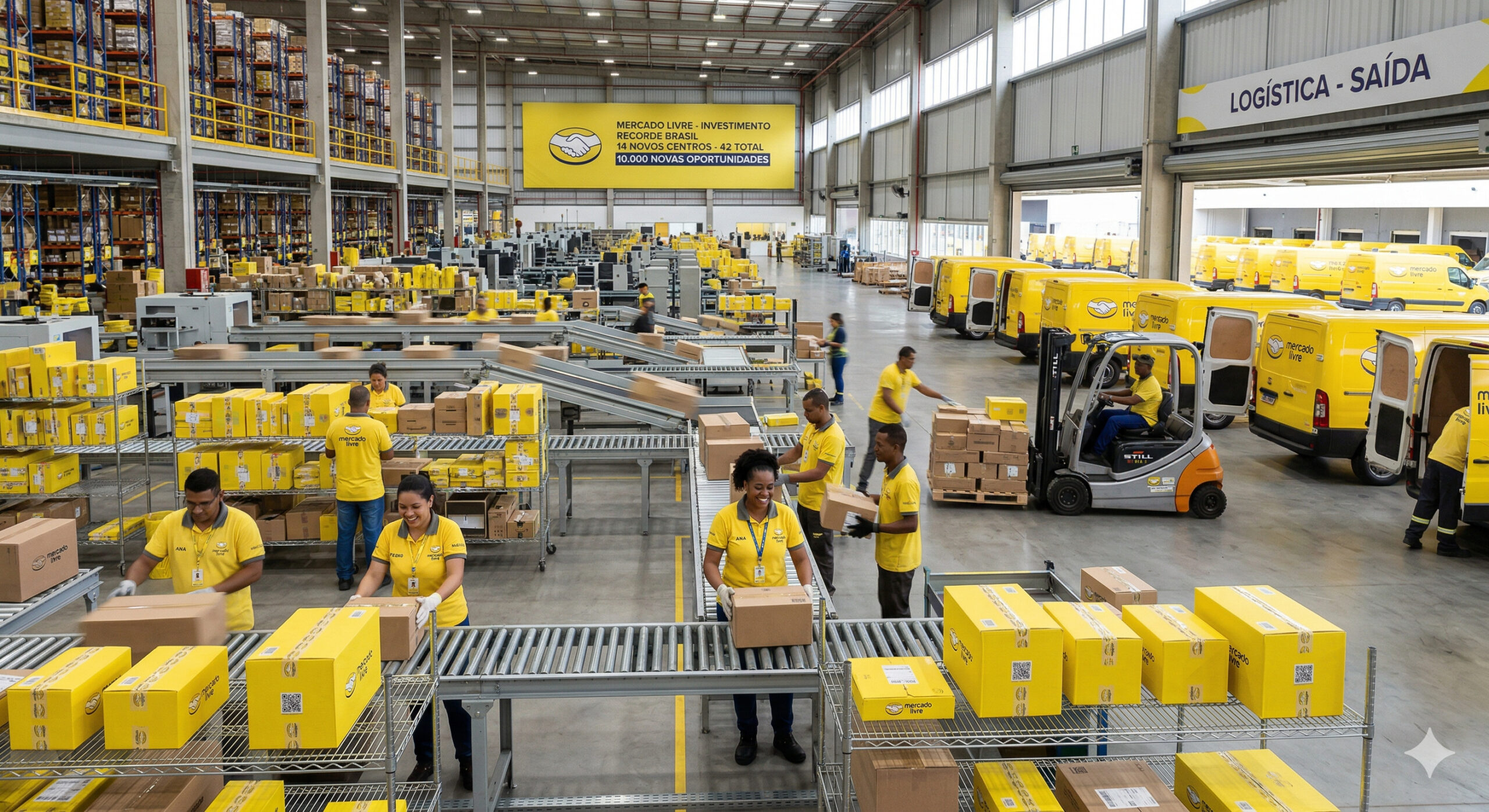
Mercado Livre “opens the vault” and announces a record investment of R$ 57 billion in Brazil in 2026, a value 50% higher than the previous year, with an expansion plan that includes 14 new logistics centers, totaling 42 units in the country and hiring an additional 10,000 employees.
-
How investment in technology can revolutionize the national economy and enhance industrial gains, according to a study that highlights the direct impact on productivity, innovation, and wealth retention within Brazil.

-
The largest food company on the planet, JBS, has just opened a 4,000 square meter laboratory in Florianópolis to develop customized proteins that modulate muscle mass gain, immune response, and metabolic performance.

-
After nearly 30 bids and competition among industry giants, a Spanish company purchases one of the largest airports in Brazil for almost R$ 3 billion and takes over the management of Galeão in a concession that will last until 2039.


This stage is essential in the manufacturing process of nuclear fuel that powers reactors and ensures energy autonomy in various parts of the world.
What Is Uranium?
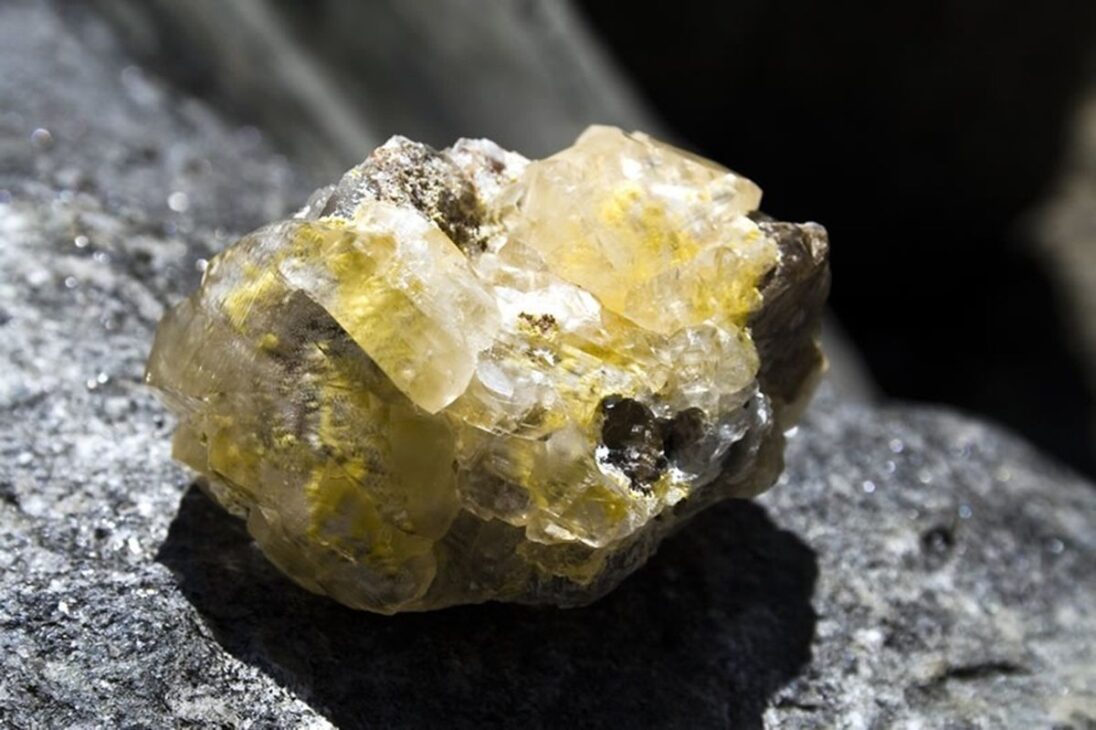
Uranium is a metallic chemical element, with the atomic number 92 and symbol U, belonging to the family of actinides. It is a heavy metal, naturally radioactive, silvery when freshly polished, but it oxidizes rapidly in contact with air, acquiring yellowish or greenish tones.
Main Properties
- Radioactivity: Uranium naturally emits alpha particles.
- Isotopes: The most abundant is U-238, which accounts for about 99% of the total. Meanwhile, U-235, although it represents only 0.7% of natural occurrences, is of greater energy and military interest due to its ability to undergo nuclear fission.
- Density: It is extremely dense, about 19 times greater than that of water, comparable to gold.
In nature, uranium appears in minerals such as uraninite (pitchblende), carnotite, and autunite, always in small concentrations in the Earth’s crust.
Strategic Uses of Uranium
Uranium has multiple applications that place it at the center of debates on energy, defense, and research:
- Nuclear Energy: The U-235 isotope is used as fuel in nuclear reactors, providing base electricity and low carbon emissions.
- Nuclear Weapons: The same U-235, in high concentrations, serves as a basis for the production of atomic weaponry.
- Scientific Research: Essential in studies of radioactivity, geology, and rock dating techniques.
- Shielding and Projectiles: The so-called depleted uranium (DU), with a lower U-235 content, is employed in military shielding and high-penetration munitions.
Because it is radioactive, the use of uranium requires extreme control, both to prevent environmental accidents and to mitigate nuclear proliferation risks.
The Only Active Mine in Brazil
Currently, all Brazilian uranium production occurs in Caetité, Bahia. It is there that the Lagoa Real Uranium Province, the most important deposit in the country, is located.
The municipality concentrates the first two stages of the nuclear fuel cycle:
- Mining: extraction of ore from the soil.
- Processing: transformation of the ore into concentrate (yellowcake), which can then be enriched for use in reactors.
Production Capacity and Resumption of Operations
The Caetité mine has an installed capacity of approximately 400 tons per year of uranium concentrate. This volume can reach 800 tons annually with the opening of new fronts, such as the Engenho Mine and the future underground mining.
In the past, the main exploration front was the Cachoeira Mine, which operated as an open pit. After the exhaustion of this deposit, operations were temporarily halted. In 2020, production resumed with new environmental licenses and expansion plans.
Future Projects: Santa Quitéria (CE)
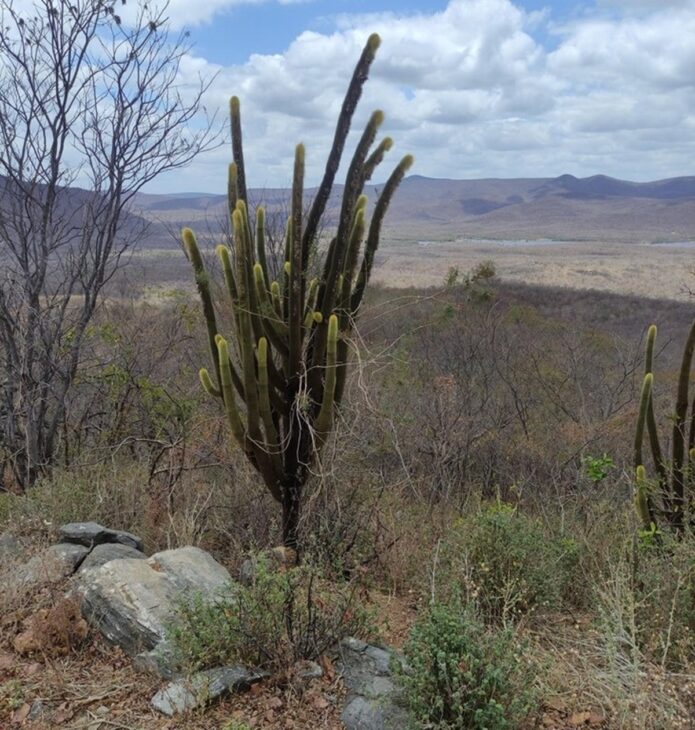
In addition to Bahia, Brazil plans to explore deposits in Ceará, in Santa Quitéria, where uranium appears associated with phosphatic deposits. The project is led by Indústrias Nucleares do Brasil (INB) in partnership with Galvani.
The forecast is to produce up to 2.3 thousand tons annually of uranium concentrate, as well as to increase the supply of phosphate fertilizers in the domestic market.
However, the project still depends on environmental licensing. In 2025, Ibama analyzed the Environmental Impact Study and requested adjustments before issuing the Preliminary License.
If implemented, Santa Quitéria will represent a leap in Brazilian production, reducing dependence on imports.
Reserves and International Position
According to the Red Book 2024 (IAEA/NEA), Brazil has 167.8 thousand tons of uranium in “identified recoverable resources” up to a cost of US$ 130/kg U (data from January 1, 2023).
This volume accounts for about 3% of the world’s total, placing Brazil in the 9th global position, behind:
- Australia
- Kazakhstan
- Canada
- Namibia
- Russia
- Niger
- South Africa
- China
The total global in this criterion reaches 5.93 million tons.
Growth Potential of Reserves
The Geological Service of Brazil (SGB) indicates that the country may advance in the international ranking as geological surveys deepen.
Only in Lagoa Real, Bahia, more than 99 thousand tons of uranium resources have already been identified. Furthermore, the Decennial Plan for Geology (PLANGEO 2026–2035) foresees new specific studies on the mineral, reinforcing its strategic importance.
Thus, although Caetité is currently the only active producer, the future may bring a new configuration, with Santa Quitéria and other deposits expanding national supply.
Is Uranium Considered a Rare Earth Element?
A common question is whether uranium is part of the rare earth elements group. The answer is no.
Main Difference
- Uranium (U): belongs to the family of actinides, atomic number 92, radioactive, strategic for energy and defense.
- Rare Earth Elements: a group of 17 chemical elements, which includes the lanthanides (from lanthanum to lutetium), plus scandium and yttrium. They are not radioactive under normal conditions and are used in magnets, batteries, turbines, and electronic devices.
Where’s the Confusion?
Uranium may be confused with rare earth elements because:
- It is also relatively rare in usable concentrations.
- Its deposits, in some cases, are associated with minerals that contain rare earth elements.
However, from a chemical and geological point of view, uranium is not part of that group.
Strategic Resource
Uranium is a strategic resource that places Brazil in a prominent position in the global energy and geopolitical landscape.
Today, all national production is concentrated in Caetité, Bahia, with a capacity of 400 tons per year, but with the potential to reach 800 tons.
The future points to Santa Quitéria, in Ceará, which could multiply production and make Brazil one of the main players in the sector.
With already identified reserves of 167.8 thousand tons and potential to discover even more, the country occupies the 9th position in the global ranking, but has the conditions to climb positions.
Meanwhile, the debate about responsible exploitation, environmental licensing, and nuclear safety continues to be central.
After all, uranium is not just an ore: it represents energy power, strategic independence, and environmental challenges that require constant attention.







Também um grande índice de CA
Produz urânio?
Outra coisa: sendo um produto de interesse internacional e portanto, de segurança nacional, o que o governo brasileiro vai fazer para aproveitar essa jazida.
Só falta ceder mais uma riqueza aos chineses de mão beijada.
A questão não é ser uma região rica em urânio, e sim, se a cidade está se desenvolvendo e a população está sendo beneficiada.