





 Portuguese
  English
  Spanish
 6 min of reading
  3 comments


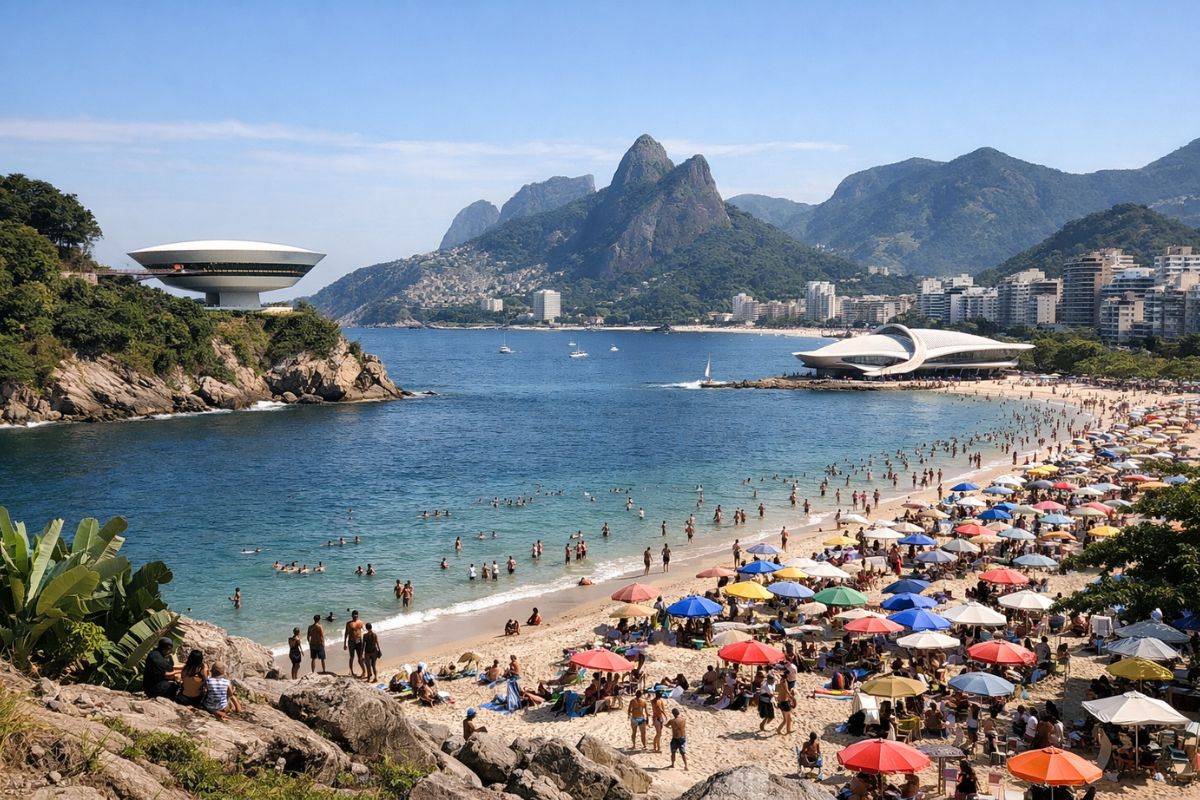


In This City on the Shores of Guanabara Bay, Niterói Combines Beaches Among Mountains, Works by Niemeyer, High HDI, and a Routine Stuck to Nature for Those Who Want to Live Well All Year Round.
Living in a city adjacent to Rio de Janeiro, with beaches framed by mountains, enhanced security, and warm weather for most of the year, seems like a dream, but it has a certain address: Niterói, the famous Smile City. Founded in 1573 by the chief Arariboia, it carries a unique origin in Brazil and maintains its own rhythm, more human, without giving up the infrastructure of a metropolis.
While offering a direct view of postcards like Sugarloaf Mountain and Christ the Redeemer, the city has developed one of the best social indicators in the country, high-quality services, renowned universities, and a daily relationship with nature that makes a difference in the physical and mental health of those who live there. It’s the type of city where working in Rio and living well becomes a daily routine rather than a distant dream.
Smile City: Indigenous Origin, Sea and Mountains Side by Side
Niterói is known as Smile City and is located just 13 km across from the capital of Rio de Janeiro via the Rio-Niterói Bridge. It is the only Brazilian city founded by an indigenous person, chief Arariboia, which gives the municipality a unique historical significance when it comes to identity and roots.
-
Friends have been building a small “town” for 30 years to grow old together, with compact houses, a common area, nature surrounding it, and a collective life project designed for friendship, coexistence, and simplicity.

-
This small town in Germany created its own currency 24 years ago, today it circulates millions per year, is accepted in over 300 stores, and the German government allowed all of this to happen under one condition.

-
Curitiba is shrinking and is expected to lose 97,000 residents by 2050, while inland cities in Paraná such as Sarandi, Araucária, and Toledo are experiencing accelerated growth that is changing the entire state’s map.

-
Tourists were poisoned on Everest in a million-dollar fraud scheme involving helicopters that diverted over $19 million and shocked international authorities.


Facing Guanabara Bay, the city has grown in constant dialogue with Rio de Janeiro while preserving its own personality.
The result is a territory that mixes urbanized neighborhoods, historical areas, and an ocean region with beaches that look like movie sets, where the sea meets stone cliffs and preserved forest trails.
Niemeyer’s Architecture Transforms the City into an Art Scenery
One of the most striking features of Niterói is its modern architecture. The city houses the second largest collection of works by Oscar Niemeyer in the world, second only to Brasília.
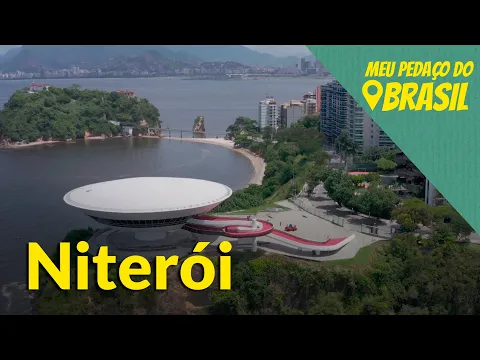
The so-called Niemeyer Path runs along the waterfront and leads to the Museum of Contemporary Art (MAC), a “flying saucer” perched above Guanabara Bay that has become an international postcard for the municipality.
This constant presence of great works is not just aesthetic. It influences real estate valuation, attracts artists, intellectuals, and tourists, and creates a daily life where art is part of the journey for those leaving home.
Living in this city means encountering globally-scaled monuments on the way to work, the beach, or a simple evening stroll.
Quality of Life: Indicators That Place the City at the Top
When it comes to quality of life, Niterói appears with consistent numbers. According to IBGE, the municipality has an HDI of 0.837, classified as very high, which consolidates the city among the best places to live in the state of Rio de Janeiro.
The presence of the Fluminense Federal University (UFF) reinforces the university environment, elevates the educational level of the population, and boosts the local economy.
In addition to this, there are sanitation and longevity rates higher than the national average, along with a robust healthcare network, offering good options in both public and private sectors. For those looking for a city with structured services and strong social indicators, Niterói stands out significantly.
Population, Income, and Profile of Those Who Choose the City

The demographic census indicates that 481,749 inhabitants live in the city, a size that balances urban life and a sense of community.
Niterói was once the capital of the state of Rio de Janeiro until 1975 and therefore preserves a robust administrative and service structure, although it maintains a less chaotic rhythm than larger metropolises.
The population enjoys a high per capita income, noticeable in luxury commerce and services in neighborhoods like Icaraí and Jardim Icaraí.
The demographic profile is marked by a consolidated middle class and an active elderly population, who enjoy the flat and safe shoreline for walks and daily exercises. It’s a city where families, retirees, and professionals in their productive phase find space to live well in equal measure.
Routine Stuck to Nature: What is the Day to Day in the City
The routine in the city is heavily influenced by nature and easy access to outdoor activities. Among the most common daily activities are:
Walks along the boardwalk of Icaraí Beach, with a direct view of Sugarloaf Mountain and Christ the Redeemer, in a scenario that resembles a daily viewpoint of Rio.
Evenings at Parque da Cidade, where many consider to have the most beautiful view of Rio de Janeiro, with Niterói, the bay, and the capital meeting on the horizon.
Ecological trails in the ocean region, leading to preserved beaches like Itacoatiara and Sossego, where the meeting of sea, stone, and forest creates postcard landscapes.
Cultural visits to the museums along the Niemeyer Path and to Solar do Jambeiro, which reinforce the city’s artistic vocation.
Gastronomy by the seaside in the culinary hub of São Francisco, which concentrates options for bars and restaurants with a relaxed atmosphere and lively nightlife.
In one of the materials presenting the region, a video from the channel Tesouros do Brasil shows the experience of staying in a rustic cabin in Itacoatiara, exploring beaches like Itaipu, Camboinhas, Sossego, and Piratininga, and ending the day with an unforgettable sunset overlooking Rio.
It’s the type of routine where the city offers high-level leisure without needing to cross the bridge every weekend.
Hot Climate: The City Made to Enjoy the Outdoors
Niterói has a tropical humid climate, strongly influenced by the ocean and Guanabara Bay. The heat predominates for most of the year, requiring light clothing, constant hydration, and encouraging a life always focused on the street, the beach, and parks.
The metropolitan area has recorded temperatures exceeding 43 °C during extreme heat periods, which reinforces the importance of the sea breeze and green areas.
For those who enjoy a hot city, where it’s possible to go to the beach, walk in the late afternoon, and have blue skies frequently, Niterói more than meets those expectations.
Living in Niterói: Why Is This City So Worth It?
Choosing Smile City means opting for a lifestyle that blends the convenience of a metropolis with the vibe of a seaside town. The city offers a sophisticated and safe alternative for those working in Rio de Janeiro but don’t want to deal daily with traffic and the fast pace of the capital.
The strategic proximity to Rio, whether by ferry or across the bridge, allows for quick commutes when necessary, while the oceanfront beaches are among the cleanest and most beautiful in the state.
Elite services in education and health ensure well-being at all stages of life, from childhood to retirement. For those who dream of waking up every day to views of the sea, mountains, and landmarks that have marked global architecture, this city proves to be a hard address to surpass.
And you, would you take the plunge to live in this city adjacent to Rio, among beaches, mountains, and works by Niemeyer, enjoying a warm climate all year round?









Realmente, a nossa Nikiti e linda!!! Dai a dizer que esta uma maravilha?!!! Nada disso, a admin publica gasta muito e gasta mal (6000 cabides de emprego e 60secretarias) …. Ahhh e um prefeito LLadrao ne
Espero que todos os comentários sejam mostrados, já está na hora de dar um jeito em Niterói. Esses dos governos do prefeito anterior e o atual bairros que são patrimônios estão sendo degradados por cracudos, abrigos que deveriam ser locados fora desses bairros estavam potencializando problemas e medo.
A nossa Prefeitura deveria parar de fazer essas propagandas enganosas e tomar providências nos bairros que estão sendo degradados por viciados que defecam nas calçadas , roubam casas e assaltam pessoas com ameaças e facas na mão.