





 Portuguese
  English
  Spanish
 4 min of reading
  0 comments


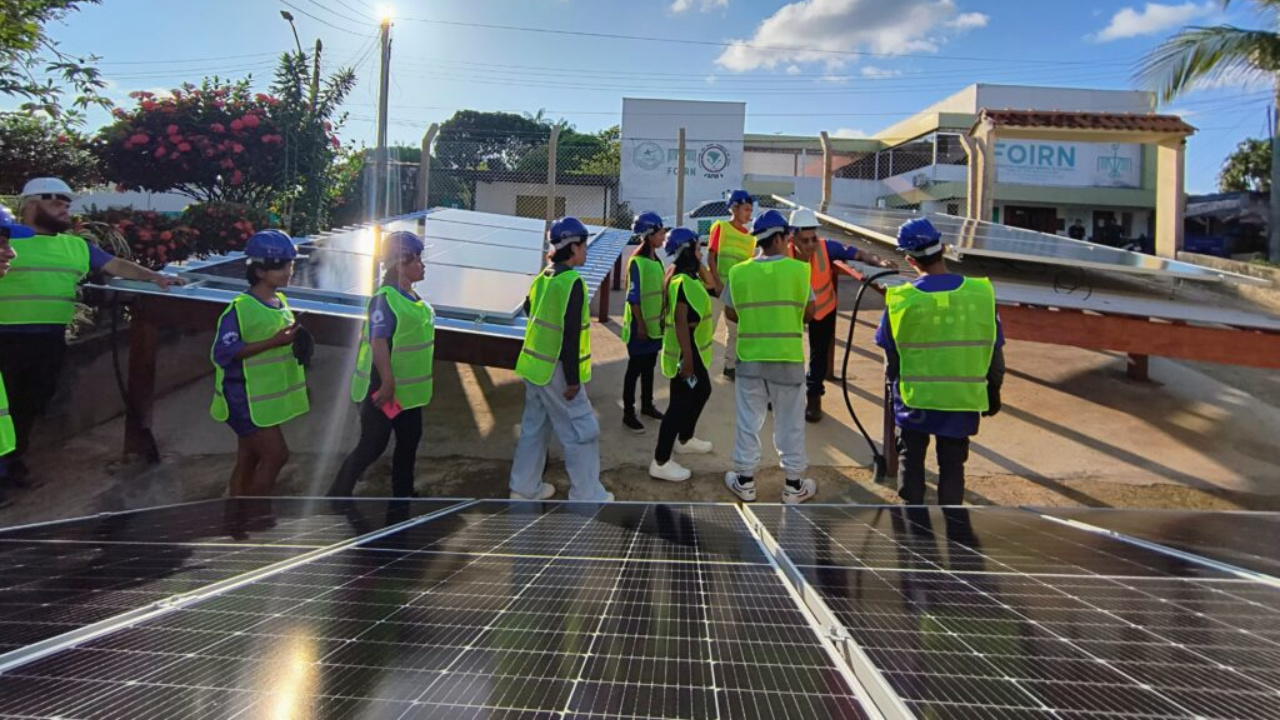
Unicamp Project Presented at COP30 Bets on Solar Energy to Reduce Diesel Use and Empower Amazonian Indigenous People in Sustainable Photovoltaic Generation.
The solar energy developed from indigenous knowledge and academic expertise gained international recognition during the COP30, with the presentation of the Sollar Rio Negro Project.
The initiative was highlighted by representatives from the Paulista Center for Energy Transition Studies (CPTEn) and the Sustainable Campus Office of Unicamp, when reporting on the trajectory of the Indigenous Learning Center for Just Energy Transition.
Established in 2021, the program focuses on expanding access to photovoltaic solar energy generation in indigenous communities in the Amazon, which have historically depended on diesel generators, which are not only expensive but also have a significant environmental impact.
-
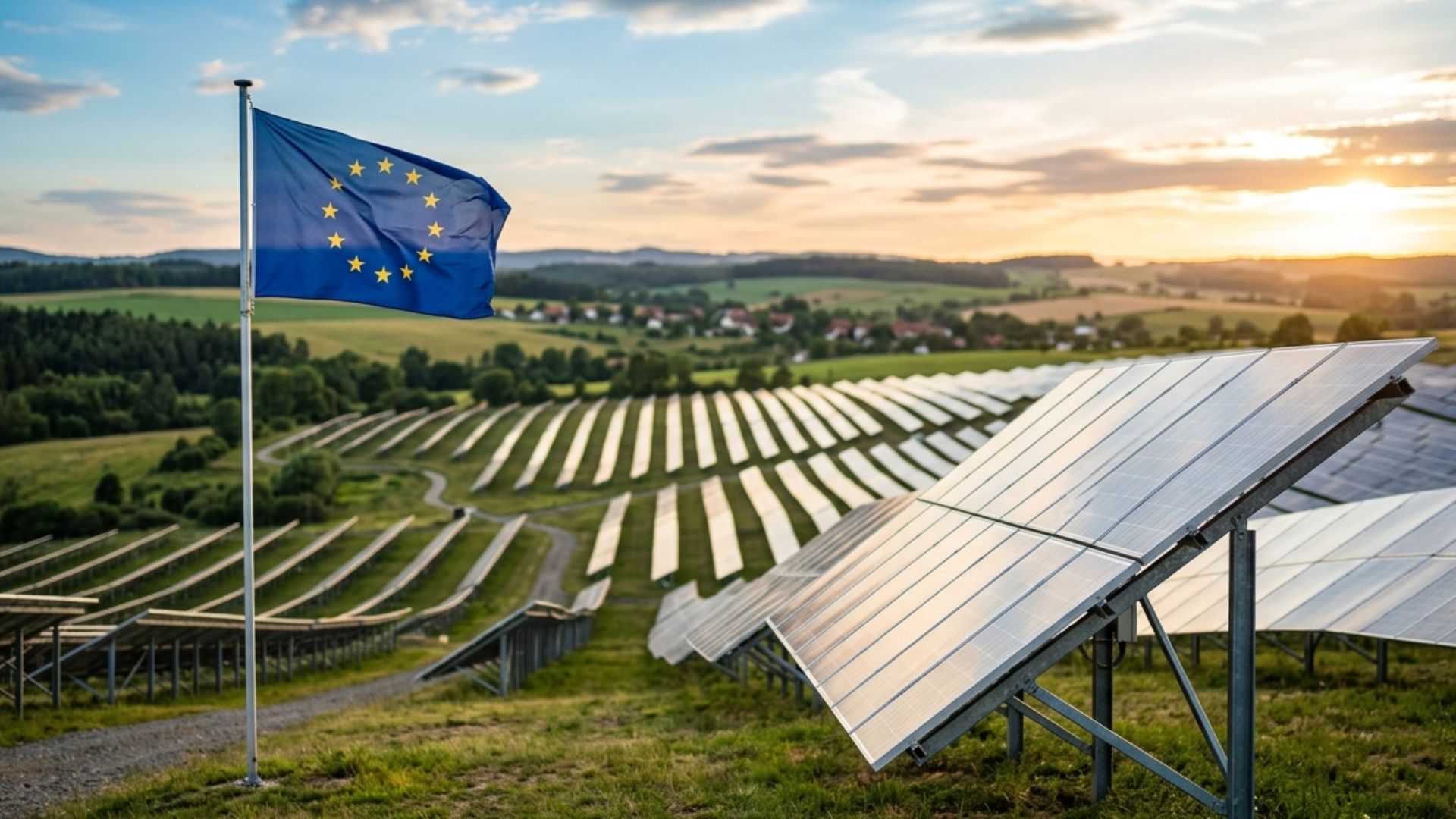
Europe records strong euro economy with solar energy in March and sparks curiosity about which country leads growth that redefines the energy market and reduces costs.
-
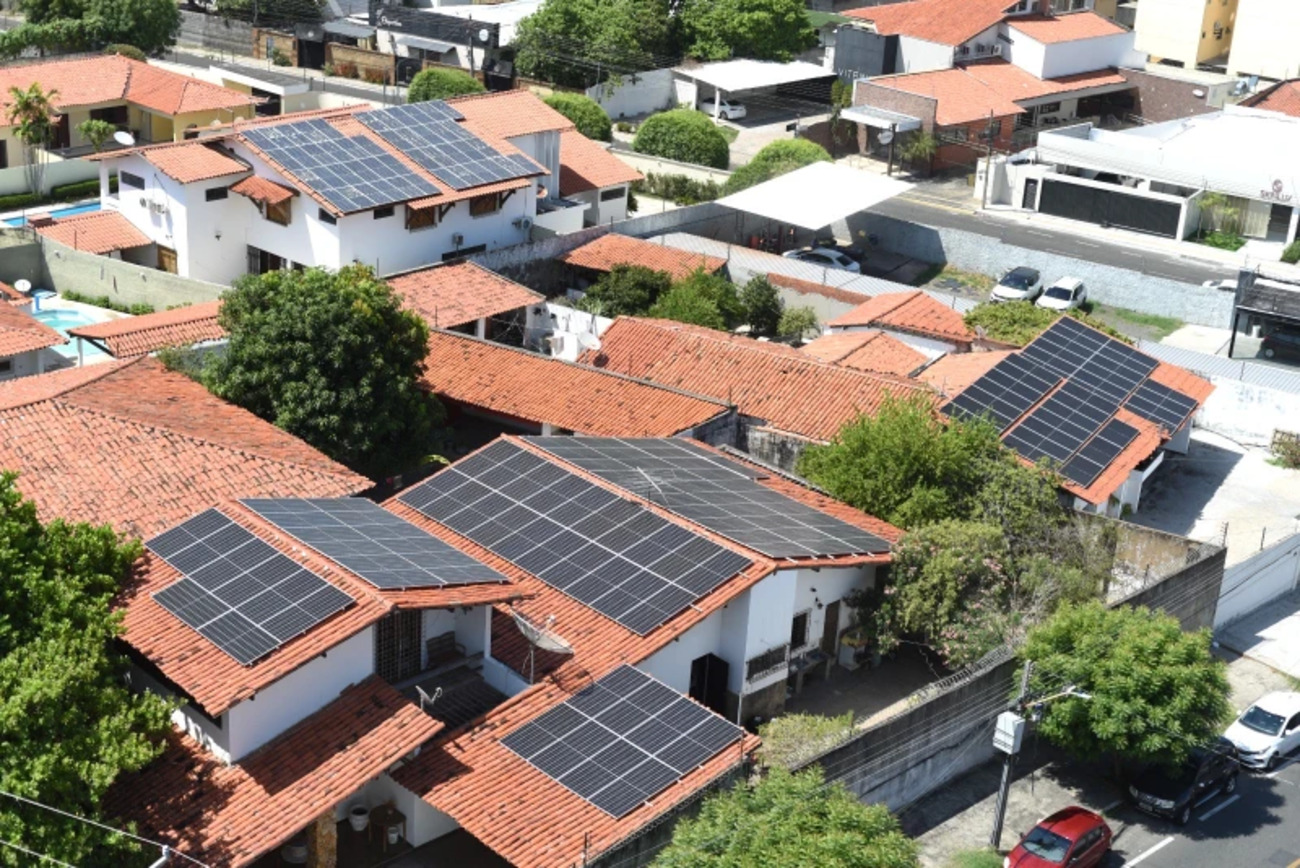
Piauí reaches a historic milestone in energy transition: State records nearly 160,000 households powered by solar energy and leads growth in the Northeast.
-
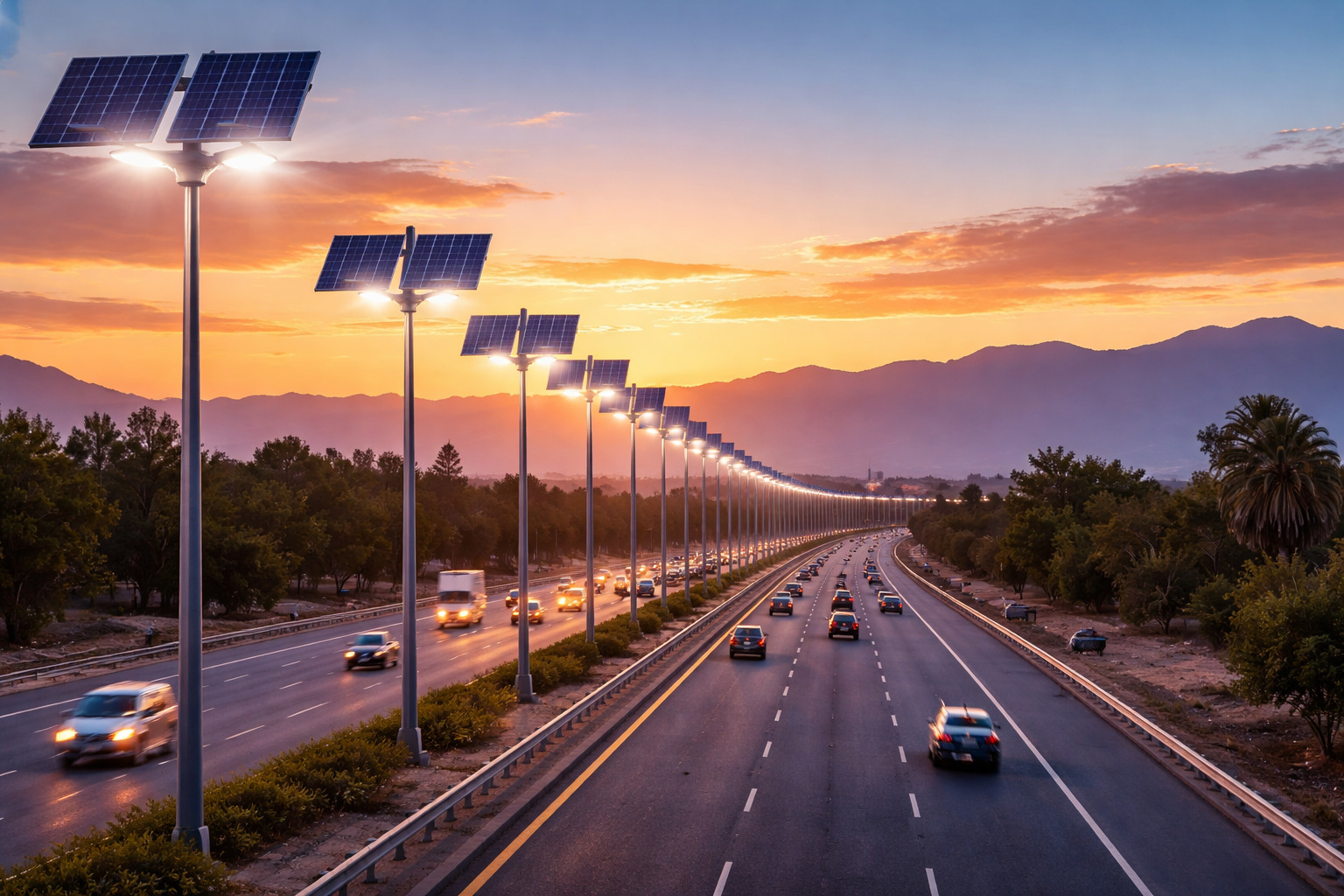
Argentina debuts its first 100% solar-powered highway and transforms an entire road into a showcase of clean energy.
-
Minas Gerais reaches a historic record and surpasses the power of Itaipu, but network costs generate debate: Understand why solar energy in MG impacts the electricity bill of those without panels.
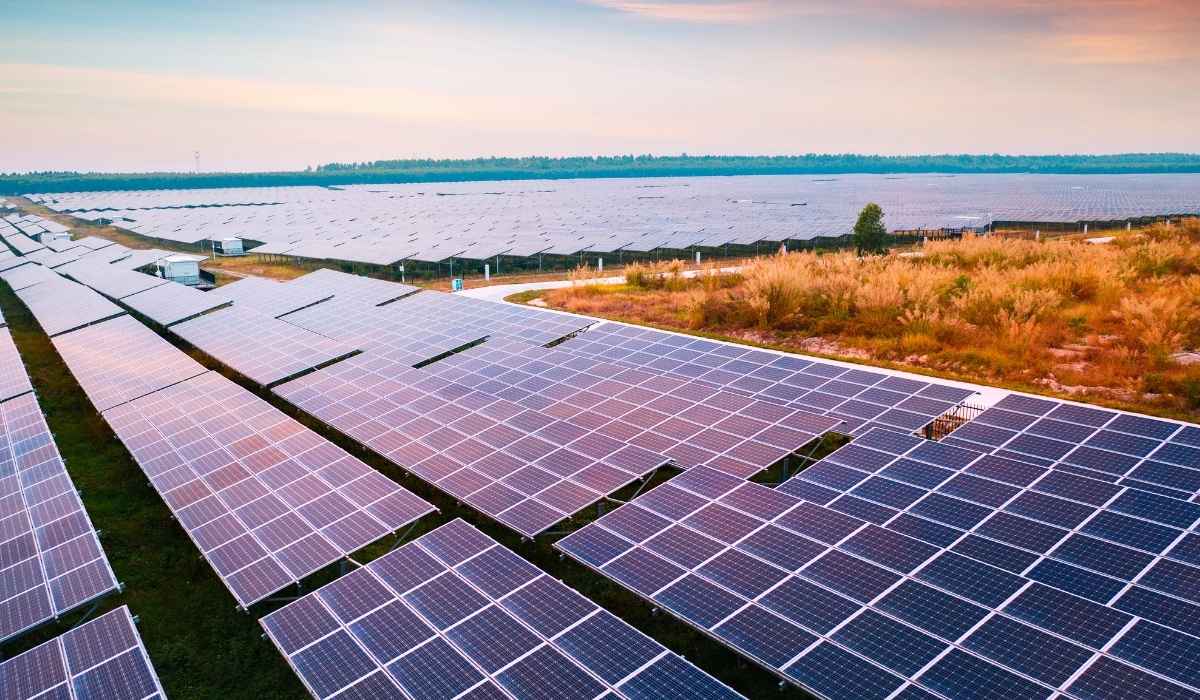
In October 2025, the first class formed by the center completed the training course, marking a concrete step toward a cleaner and more autonomous energy matrix.
Indigenous Training Boosts Clean Energy Generation
The first class had 42 participants, consisting of 41 indigenous people and one non-indigenous person. The group was trained to act as local multipliers, with technical knowledge for installation, operation, and maintenance of solar energy systems in their own communities.
This model strengthens the region’s energy autonomy and helps reduce fossil fuel consumption. Additionally, it creates technical training opportunities in areas where access to specialized education is still limited.
The Sollar Rio Negro Project emerged from the journey of young indigenous person Arlindo Baré, who participated in the first indigenous entrance exam at Unicamp in 2018 and planned to pursue a degree in Electrical Engineering. Initially developed as a Scientific Initiation project, the work evolved and became a research line at the university, under the coordination of professor and researcher Danúsia Arantes.
The initial proposal envisioned a restricted operation in the city of São Gabriel da Cachoeira, considered the most indigenous in Brazil, with the presence of 24 distinct peoples. However, participation exceeded expectations. According to Arantes, in an interview with the Unicamp Journal, the spontaneous mobilization of communities broadened the project’s reach. “This work [of Baré] was so important, so significant, that regardless of whether we mapped that territory or not, the communities manifested themselves and came”.
Practical Teaching Strengthens Solar Energy Application
During the training, seven types of practical experiments were conducted, aimed at learning about the functioning and installation of solar systems. To this end, 24 photovoltaic panels were transported from Manaus to the headquarters of the Federation of Indigenous Organizations of Rio Negro (Foirn), in a two-day boat trip.
The method prioritized applied learning, connecting theory and practice in the real context of Amazonian communities, respecting the territory, climate, and local needs.
Moreover, the project stands out for uniting traditional indigenous knowledge with the technical and academic language of engineering and environmental sciences. The joint effort with Foirn ensured respect for the protocols established by the communities themselves.
Additionally, Arlindo Baré conducted direct consultations with indigenous leaders, shamans, and scholars, seeking collective validation of the adopted approach. In an interview with the Unicamp Journal, he emphasized: “We held the 1st International Meeting of Indigenous Researchers to see if we were on the right track. We listened to people like Chief Raoni and Krenak.”
The appreciation of ancestral knowledge was present even in the choice of materials used in the experiments. “It was an opportunity for us to make a provocation. The technology of the white man can dialogue with ethnoengineering,” Baré reported. In one of the activities, for example, the use of plastic was replaced by wood, based on the traditional knowledge of the indigenous students.
Institutional Support Strengthens the Expansion of Solar Energy
In addition to Unicamp and Foirn, the project received support from the Anabb Institute, the social arm of the National Association of Employees of the Bank of Brazil, and the Lives of the Amazon Institute, which contributed financial resources.
Among the next objectives are the expansion of the learning center and the creation of permanent conditions for an energy matrix transition, ensuring autonomy for indigenous peoples, environmental respect, and cultural appreciation, with solar energy as the central axis of this process.








Seja o primeiro a reagir!