





 Portuguese
  English
  Spanish
  3 min of reading


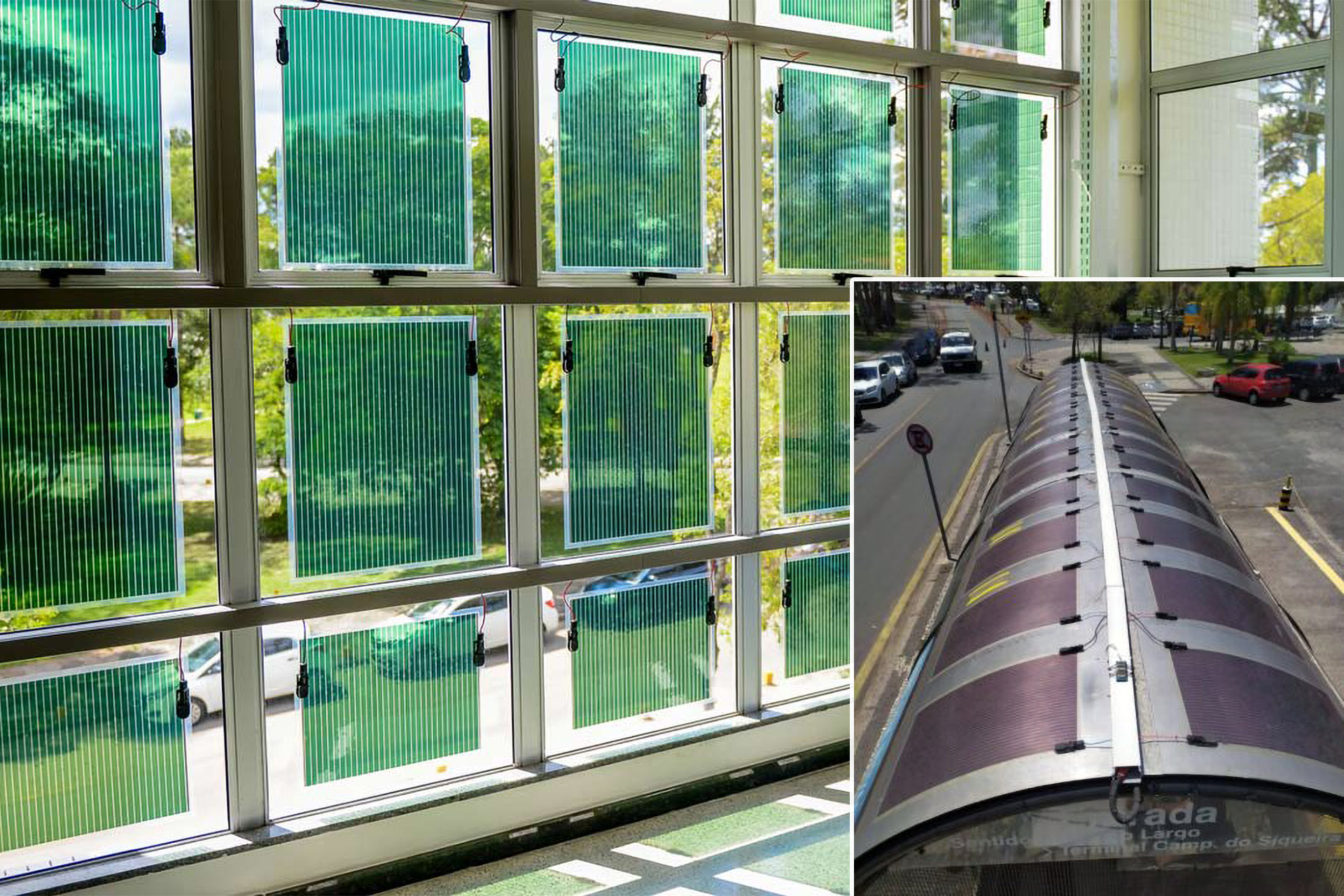
Research conducted at the Federal University of Paraná (UFPR) in partnership with UFRJ, both public institutions, resulted in the development of a solar cell that generates up to three times more energy than current ones, and is also more durable.
The intention is that, in the future, the new photovoltaic film will replace the solar panels currently in use. As a result of the research conducted at the Federal University of Paraná, the National Institute of Industrial Property (INPI) granted the patent to the university.
The new type of solar cell, built from flexible thin films and generated layer by layer like a print, can be manufactured with the help of a technology patented by the University.
-
A Canadian retiree creates a hydroelectric system on a real river, generating energy continuously throughout the day and demonstrating how the power of water can supply a house with stability even in a simple structure.

-
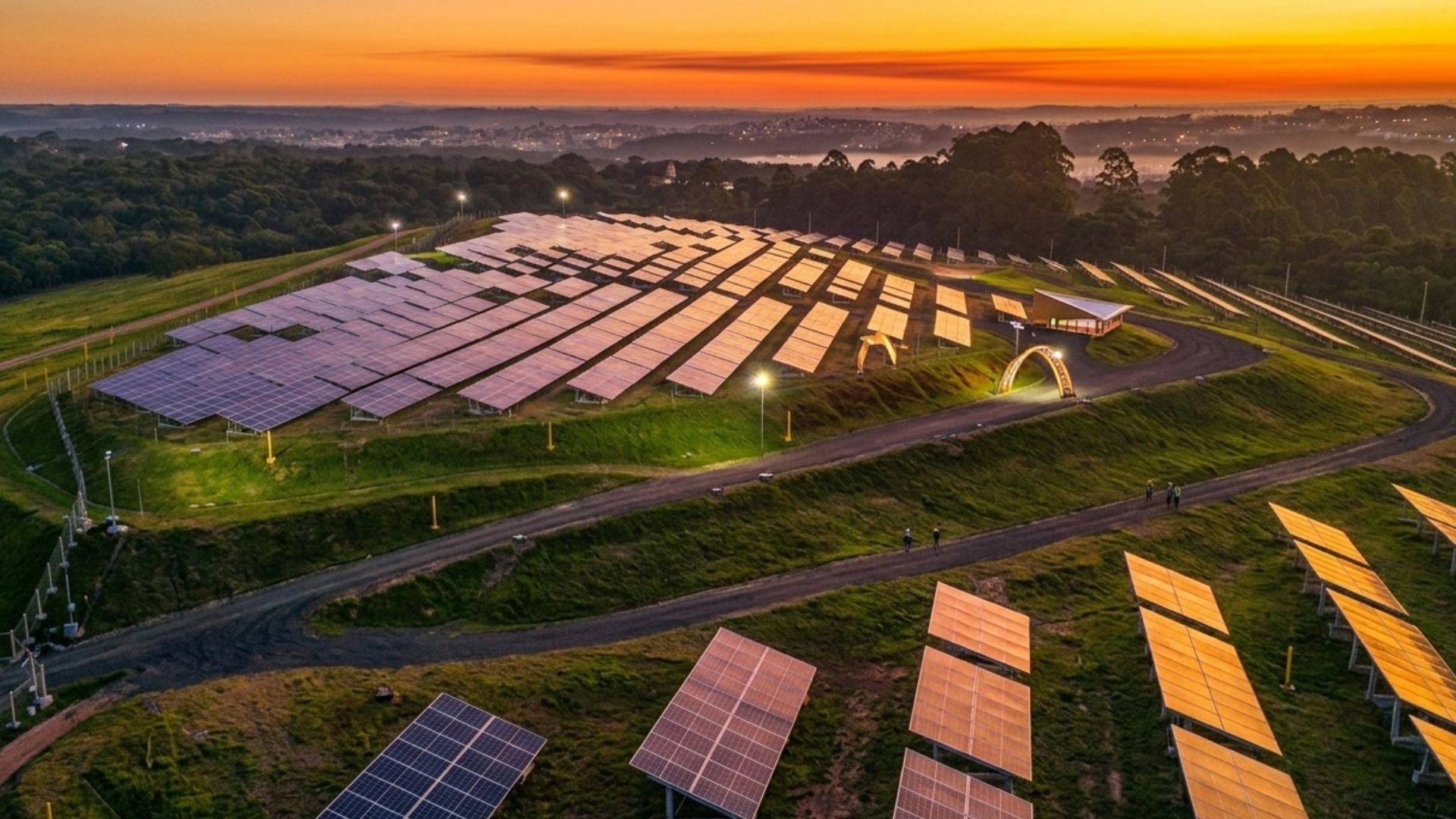
Solar Pyramid draws attention by converting solar energy into million-dollar savings and repositioning the City Hall of Curitiba as an example of innovation, sustainability, and intelligent use of public resources.
-
Petrobras reaffirms its commitment to the market and ensures that it will carry out the energy transition safely to maintain national sovereignty.

-
Researchers discover a possible hydrogen deposit of up to 46 million tons beneath an ancient coal basin, and the volume could exceed half of the entire global production.


In Addition to Acting on the Durability of Solar Panels, the Process Also Improved Efficiency in Light to Electric Conversion
The evaporated semiconductor polymers are bonded to a substrate to create a semi-transparent, flexible material that gives the cells their name due to being composed of organic compounds. This process results in the formation of a more durable and efficient material for electricity generation.
The main benefit of these cells is that their production process occurs in roll-to-roll printers, which allows for the manufacturing of kilometers of solar cells every month on flexible substrates.
This type of flexible film photovoltaic cell is much more versatile than traditional photovoltaic panels. The material is less dependent on the angle of incidence of the sun.
Furthermore, it is possible to use lighter support structures, and it can be applied in various ways, including in urban furniture, greenhouses, building facades, and even in backpacks and jackets.
The Main Advantage of These Solar Cells Lies in the Manufacturing Method That Occurs Through Printing
According to Professor Lucimara Stolz Roman from the Department of Physics at UFPR, the process was made possible after discovering that a semiconductor polymer, containing a silicon atom, could undergo a chemical bond after the film was made by combining it with an electron-accepting molecule known as fullerene.
“It was possible to establish that this chemical reaction occurred by subjecting the film to a thermal treatment after it was deposited, after the solvent had evaporated. This was done to show that the reaction occurs.”
She added that this provides benefits to the manufacturing of active layers with post-deposition processing, as it is a procedure that occurs after all the steps are completed.
The developers believe that organic solar cells should be less expensive, more durable, and more efficient in the not-too-distant future, which will make solar energy much more accessible.
According to Professor Lucimara, this technology is currently being developed, and for her, it is very rewarding to be part of the project, in the development of the cells of the present and the future.









-

Uma pessoa reagiu a isso.