





 Portuguese
  English
  Spanish
 4 min of reading
  0 comments


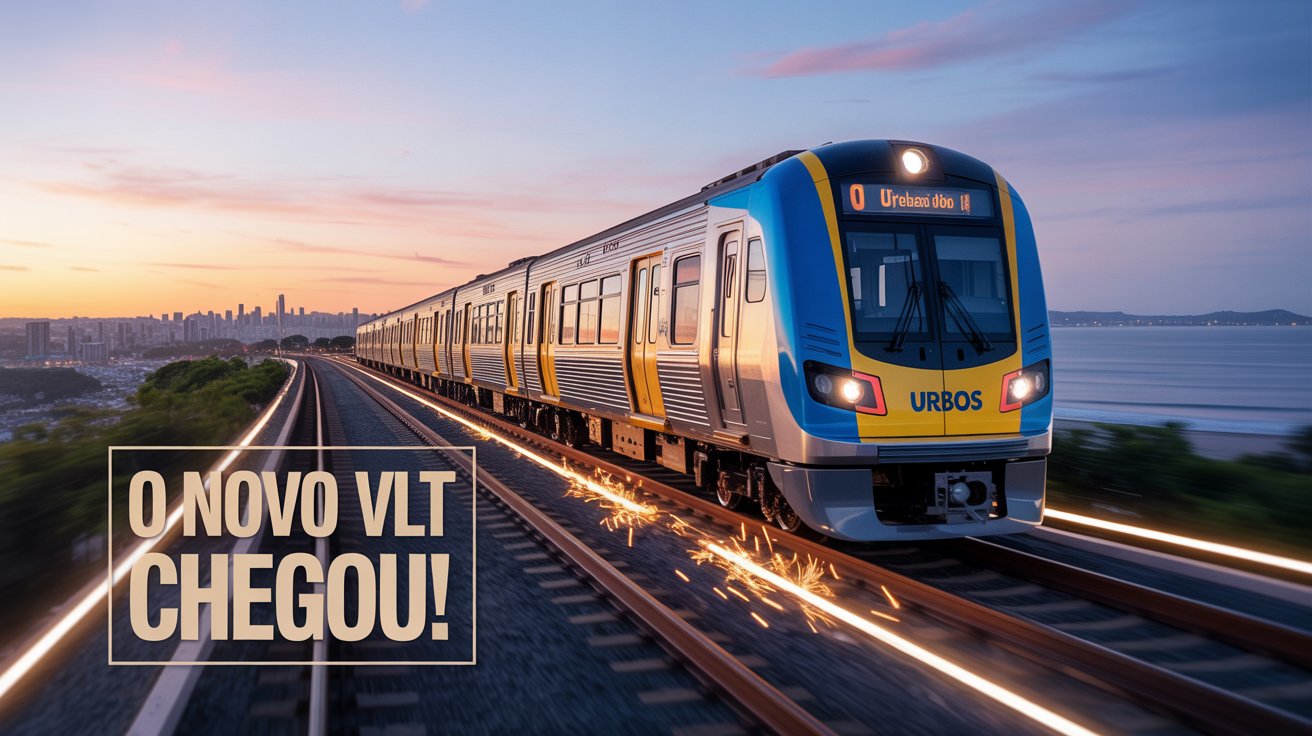
Trains Reach Final Adjustment Phase and Salvador Prepares for the Implementation of the VLT, Promising to Modify Mobility Between Downtown, Suburbs, and Waterfront with Technology and Increased Capacity.
The trains destined for the new Light Rail Vehicle (VLT) of Salvador are in the final preparation stage.
The last composition of the URBOS 100 model, made up of seven cars, is at the Construcciones y Auxiliar de Ferrocarriles (CAF) unit in Hortolândia (SP) for the completion of technical repairs.
According to the official schedule from the government of Bahia, the first units are expected to be sent to Salvador starting in December 2025.
-
In A European City, The Country’s Largest Railway Junction Was Modernized Without Closing Its Doors, Kept Trains Running During Years Of Construction, Now Serves Up To 60,000 Passengers Per Day, And Installed Solar Panels That Generate About 30% Of Its Energy
-
Famous Brazilian Railway May Become a Parking Lot
-
The Country of “Punctual As a Train” Admits It Has Lost Control: High-Speed Trains Delay, Stop, Disappear from the Map and Turn 6-Hour Trips into 10, While Deutsche Bahn Promises Restructuring in 2026 But Faces 19th Century Infrastructure, Staff Shortages and Sections Closed for Months
-
With an Investment of R$ 700 Million in One of the Country’s Main Rail Networks, VLI Reinforces Infrastructure, Receives 8 New Locomotives, and Expands the Corridor Connecting 7 States, Boosting Jobs and the Transportation of Grains, Ore, and Oil Products to the Port of Santos
The investment for the train purchase amounts to R$ 793.7 million.
In 2024, the government of Bahia acquired 40 compositions from the government of Mato Grosso, with payments scheduled in four annual installments.
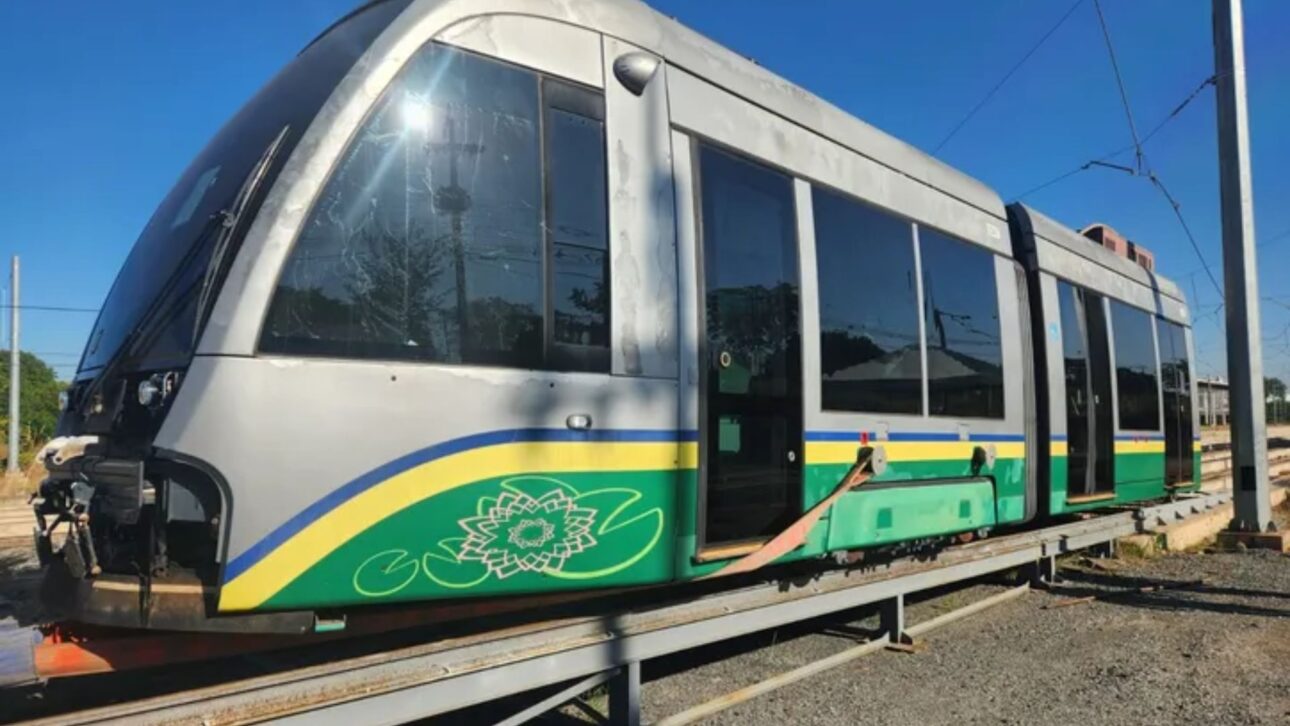
Each composition has seven cars and is being restored to meet the standards of the new modal.
These trains have been prepared to operate in the VLT of Salvador and the Metropolitan Region, including technical adaptations and updates to operational systems.
The transportation of the compositions involved steps financed by the governments of Mato Grosso and Bahia.
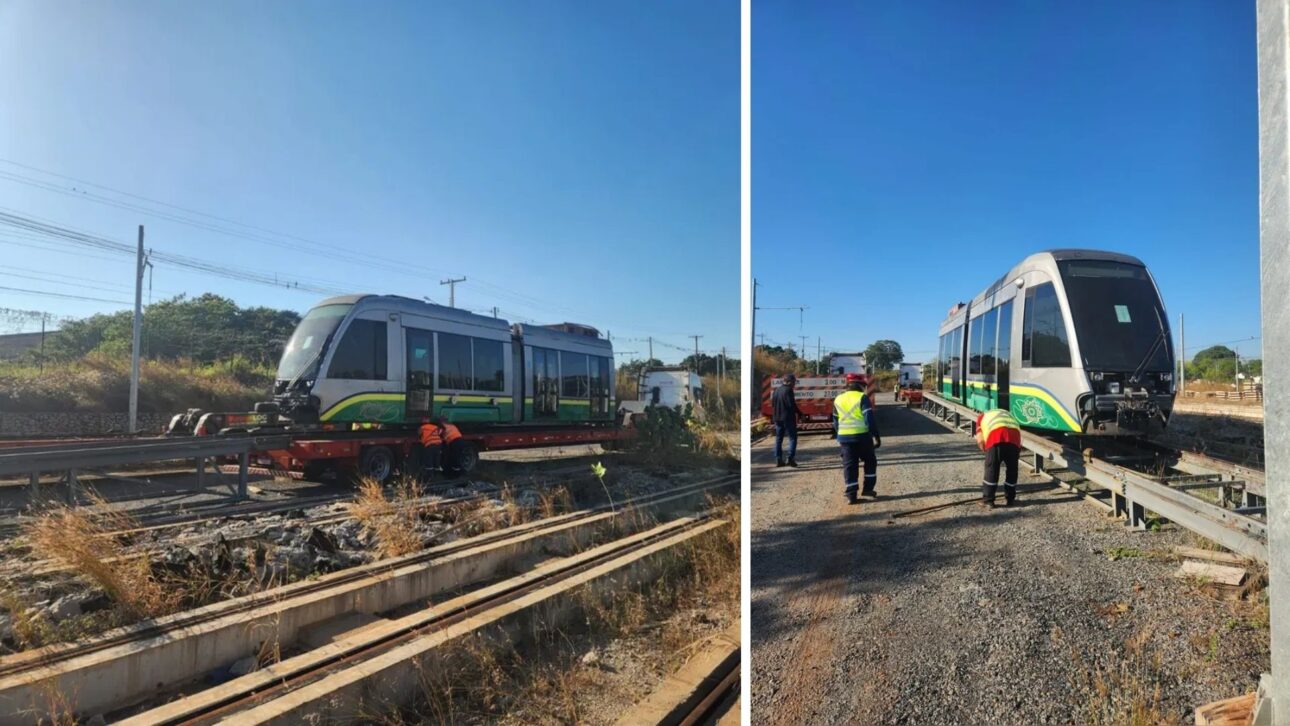
The initial journey to Hortolândia (SP) was funded by the government of Mato Grosso.
The transportation of the compositions to Salvador will be carried out by the government of Bahia, with an estimated four days of travel by trucks and a cost estimated at R$ 11 million.
Characteristics of the URBOS 100 Trains
Each URBOS 100 model train can carry up to 400 passengers.
Launched in 2008 and manufactured by CAF, the model is used in various cities around the world.
The compositions include two cabins, accessibility features, ventilation, and electronic systems for safety and communication.
The modernization project for the railway system was authorized in June 2024, with a budget exceeding R$ 5 billion.
Extension of the VLT of Salvador and Stages of the Works
The new VLT will replace the suburban train, which was deactivated in February 2021.
The modal will have 40 kilometers of extension and 40 stops, connecting regions such as Ilha de São João, Ferroviário Suburb, downtown, and the city’s waterfront.
The work has been divided into three simultaneous sections:
- Section 1: Ilha de São João to Calçada Station (16.7 km), under the responsibility of the Mobilidade Salvador Consortium.
- Section 2: Paripe to Águas Claras (9.2 km), executed by the VLT Lot 2 Consortium.
- Section 3: Águas Claras to Piatã (10.5 km), with integration to the metro in Bairro da Paz, managed by the Bahia Atlântico Consortium.
The official forecast is that the first section, linking Calçada Station to Ilha de São João, will be delivered in the first half of 2026.
Adaptation and Preparation of the Trains for Salvador
Since October 2024, the compositions have been undergoing technical-operational restoration procedures and specific adaptations at the CAF unit in Hortolândia.
The adjustments include electronic systems review, climate control, seating, and internal coverings.
The goal is to adapt the trains to the technical requirements of the VLT project in Salvador.
According to the schedule, the first locomotive is expected to arrive in the capital of Bahia in December 2025, with operational testing scheduled to begin in early 2026.
Accessibility and Infrastructure
The investments for the VLT of Salvador and the Metropolitan Region include resources for accessibility, such as ramps, braille signage, and reserved spaces.
The project proposal aims to enhance the integration with other public transport systems and facilitate movement between different regions of the city.
Perspectives for Urban Mobility
The start of the operation of the VLT of Salvador foresees the provision of a system with greater capacity, integration, and renewed infrastructure.
With the implementation of the URBOS 100, the city will have a rail modal aimed at serving urban areas with higher passenger flow.
The project includes continuous adjustments until the full operation of the new compositions.
The arrival of the URBOS 100 trains, each with seven cars and a capacity for 400 passengers, is part of the state government’s planning to modernize public transport and meet the population’s demand.









-

2 pessoas reagiram a isso.