





 Portuguese
  English
  Spanish
  4 min of reading
  0 comments


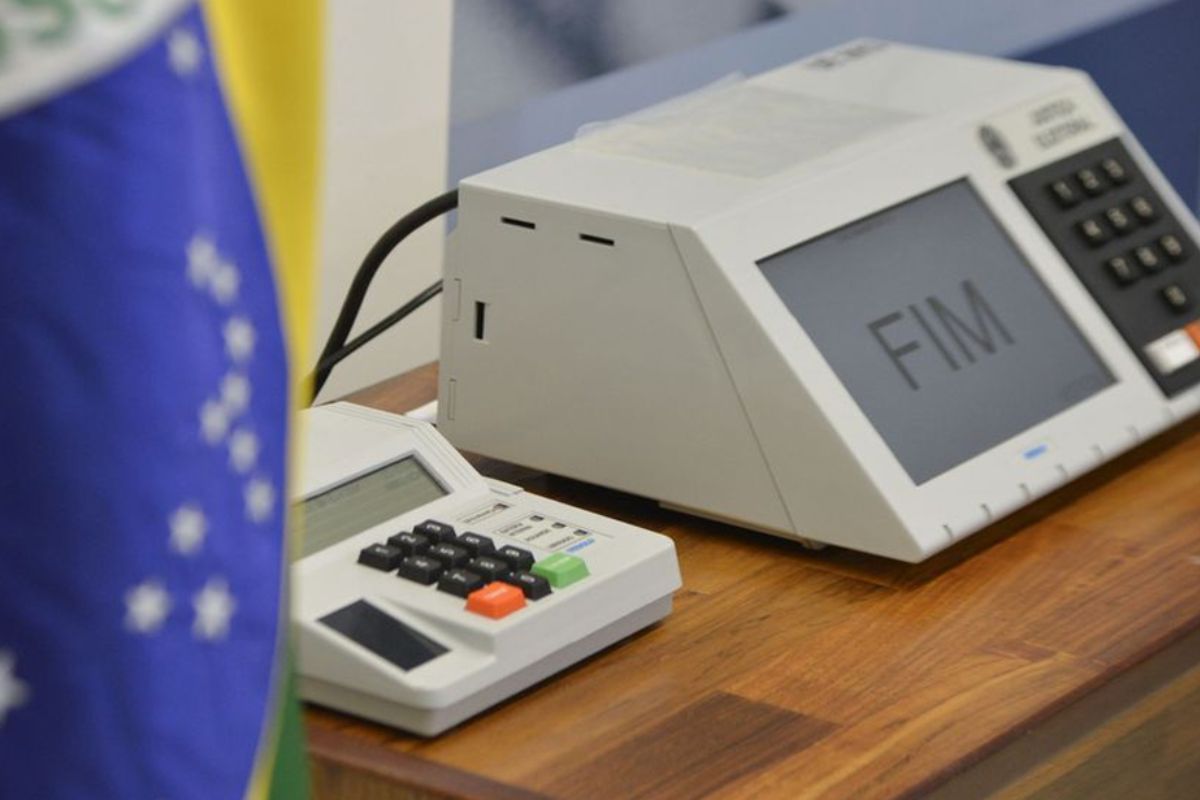
The Electronic Voting Machines of Brazil Are Pioneering and Subjected to a Rigorously Auditing Process, but They Are Also Constant Targets of Heated Debates and Misinformation Campaigns. Understand This Complex Duality.
Brazil stands out on the global stage for its large-scale adoption of electronic voting machines, a system that revolutionized voting in the country since its widespread implementation in 2000. The goal was noble: to ensure agility and, primarily, to overcome a history of endemic electoral fraud associated with paper ballots. Indeed, Brazilian technology is recognized for its efficiency and for having one of the most extensive auditing regimes in the world.
However, despite its technical robustness and multiple oversight mechanisms, Brazilian electronic voting machines are, paradoxically, one of the most controversial voting systems globally. They are constantly at the center of heated debates, conspiracy theories, and misinformation campaigns, becoming a unique case of electoral technology.
Electronic Voting Machines in Brazil: A Necessary Response to Past Frauds
Before the electronic voting machines, the voting process in Brazil was manual and notoriously vulnerable to frauds such as the “pregnant ballot box” and manipulations during counting. Computerization sought to eradicate these practices. Law No. 9,100/1995 authorized the electronic system, and the first use occurred in the 1996 municipal elections, reaching about one-third of the electorate.
-
In Mexico, a 3,000-year-old Maya site with the dimensions of an entire city may have been built as a colossal map of the cosmos, created to represent the order of the universe and reveal how this people organized space, time, and rituals.

-
Japan wants to build a solar ring of 10,900 kilometers on the Moon to continuously send energy to Earth.

-
Weighing almost 1 ton, with temperatures of up to 3,000°C, the ability to launch 10,000 fragments within a radius of 1 km, capable of penetrating concrete and melting steel, Turkey’s terrifying bomb emerges as one of the most destructive non-nuclear weapons ever presented.

-
After a submarine disappeared beneath the “Doomsday Glacier,” scientists announce a new monstrous machine capable of operating at 3,000 meters depth to return to the heart of the ice and investigate a threat that could raise sea levels worldwide.


In 2000, Brazil held its first 100% electronic elections.2 Since then, electronic voting machines have continuously evolved, with milestones such as the introduction of the Digital Vote Register (RDV) in 2004, the Uenux operating system (based on Linux) in 2008, and the Embedded Security Module (MSE) in 2009/2010. The most recent models (UE2020/UE2022) are significantly faster and more secure.
Inside the Machine

Electronic voting machines are designed with a focus on security. They operate offline during voting, with no connection to external networks, preventing remote attacks. The hardware includes voter and poll worker terminals with encrypted components. The voter’s keyboard, for example, has a chip that encrypts each key pressed.
The Uenux software is customized and “hardened”, running only digitally signed programs by the Superior Electoral Court (TSE) and other entities. Mechanisms such as end-to-end encryption, digital signatures, hash functions for integrity verification, and an Embedded Security Module (MSE) as a root of trust ensure the security of the process. The Renato Archer Information Technology Center (CTI) is also involved in testing the prototypes.
Maximum Scrutiny
The Brazilian electoral system has multiple layers of auditing.3 The source code of the electronic voting machines is open for inspection by authorized entities (parties, OAB, MPF, Armed Forces, universities, etc.) up to 12 months before the election. The Public Security Tests (TPS) invite experts to attempt to breach the systems, and historical failures have led to improvements.
On election day, the Integrity Test (Parallel Voting) occurs, where paper votes are compared with the electronic results of randomly drawn machines, and the Authentication Test of Systems in the polling sections. The Zerésima proves the absence of prior votes, and the Voting Machine Bulletin (BU), with a QR Code, allows any citizen to verify the results. After the election, BUs, RDVs, and machine logs are published online.
The Persistent Debate About Printed Votes and Fraud Allegations
Despite the extensive auditing process, electronic voting machines are subject to controversies. The most recurring discussion is the defense of auditable printed votes (VVPAT). Proponents argue that a physical receipt would increase transparency. However, the TSE and the STF raise concerns about costs, logistics, risks to the secrecy of the vote, and the reintroduction of fraud. Attempts to implement printed votes have been blocked judicially or legislatively.
At the same time, fraud allegations and conspiracy theories are frequent, especially during periods of political polarization, often without presenting concrete evidence. These narratives aim to undermine trust in the electoral process as a whole.
Electronic Voting Machines: Legacy, Challenges, and the Future of Electronic Voting in Brazil


Electronic voting machines have had a documented positive impact, such as the increase in electoral participation among citizens with lower education levels and the remarkable speed in counting the results. However, the system faces ongoing challenges. Combating misinformation is one of the main challenges, requiring proactive civic education strategies and transparent communication from the TSE.
The maintenance of security against evolving cyber threats and the renewal of the voting machines (with a lifespan of about 10 years) are also crucial. The TSE remains focused on the incremental improvement of the system, seeking to strengthen trust in Brazilian democracy through technology and transparency.










Seja o primeiro a reagir!