





 English
  Francês
  Alemão
  Italiano
  Japonês
  Norueguês
  Portuguese
  Spanish
 4 min of reading
  0 comments


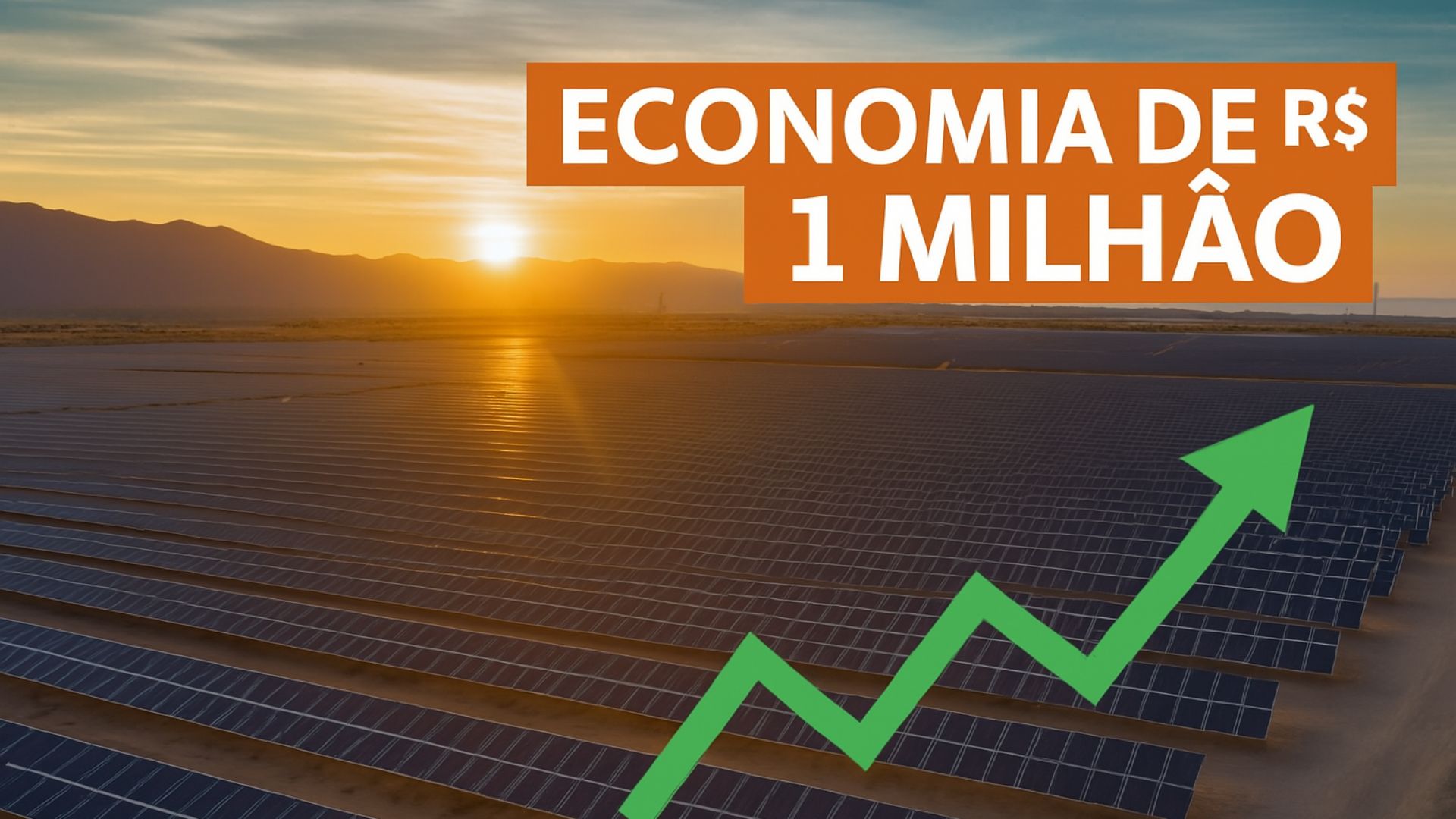
ABIN Bets on Solar Energy with Photovoltaic Plant That Generates Significant Savings and Strengthens the Energy Transition, Contributing to Reducing Environmental Impact in the Country.
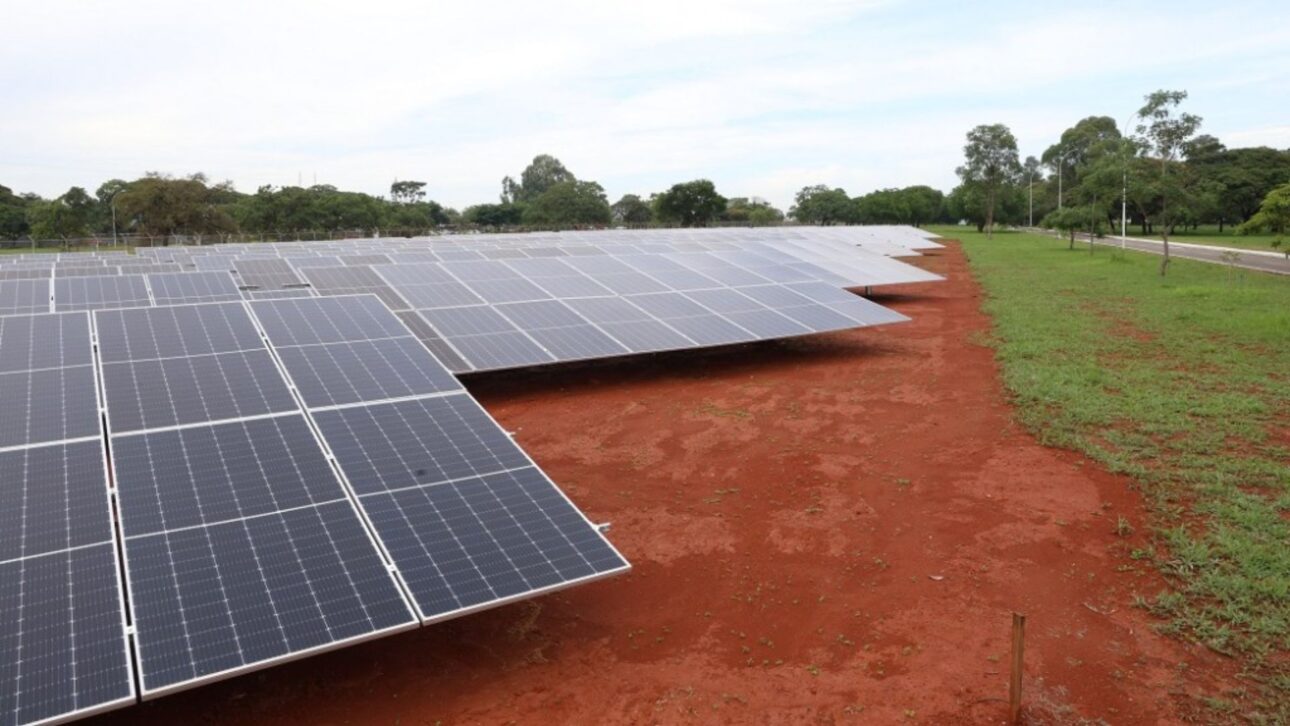
The Brazilian Intelligence Agency (ABIN) has taken a decisive step towards energy sustainability. Now, in September 2025, its photovoltaic plant, installed at the agency’s headquarters in Brasília, is already showing impressive results: over R$ 1 million saved on electricity and about 56 tons of carbon dioxide (CO₂) emissions avoided in the atmosphere in just nine months.
With a capacity of 1,300 kWp, divided between Power Plants B (539 kWp) and C (761.2 kWp), the structure was connected to the Neoenergia transmission grid and now supplies more than 70% of ABIN’s average monthly consumption.
The initiative is part of the Sustainable Logistics Master Plan of the agency, which aims to consolidate energy efficiency practices and reduce its institutional carbon footprint.
-
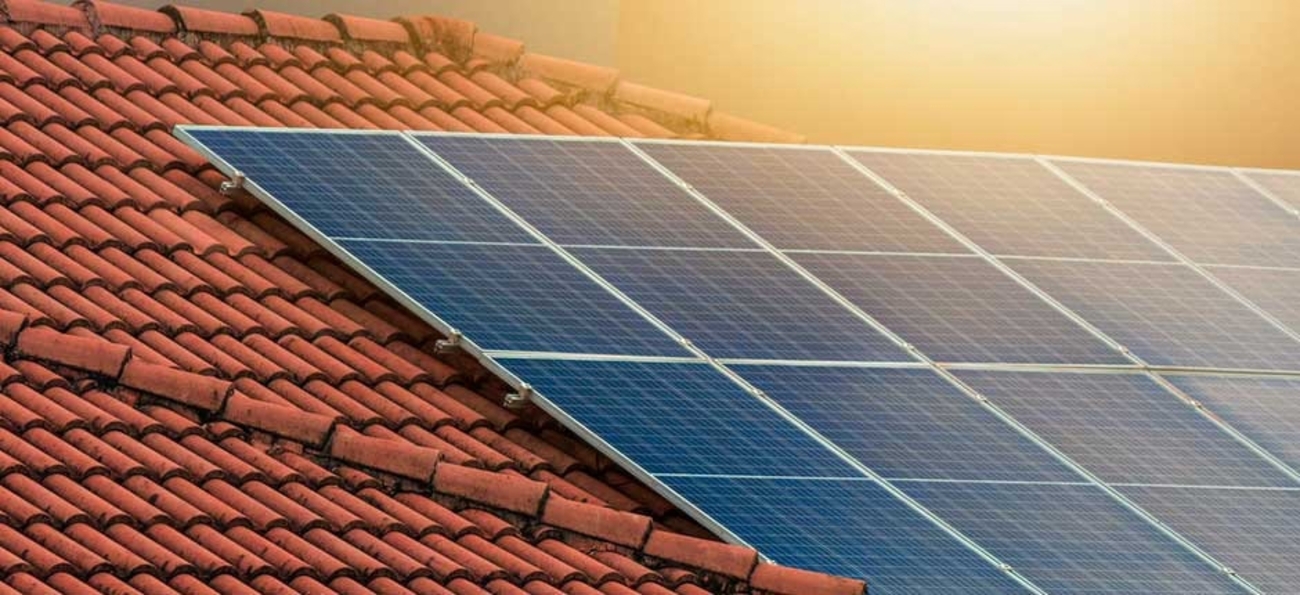
Roraima bets on the sun to escape high tariffs: Amid the energy crisis and price hikes, solar energy is growing in Roraima and transforming consumption in the North region.
-
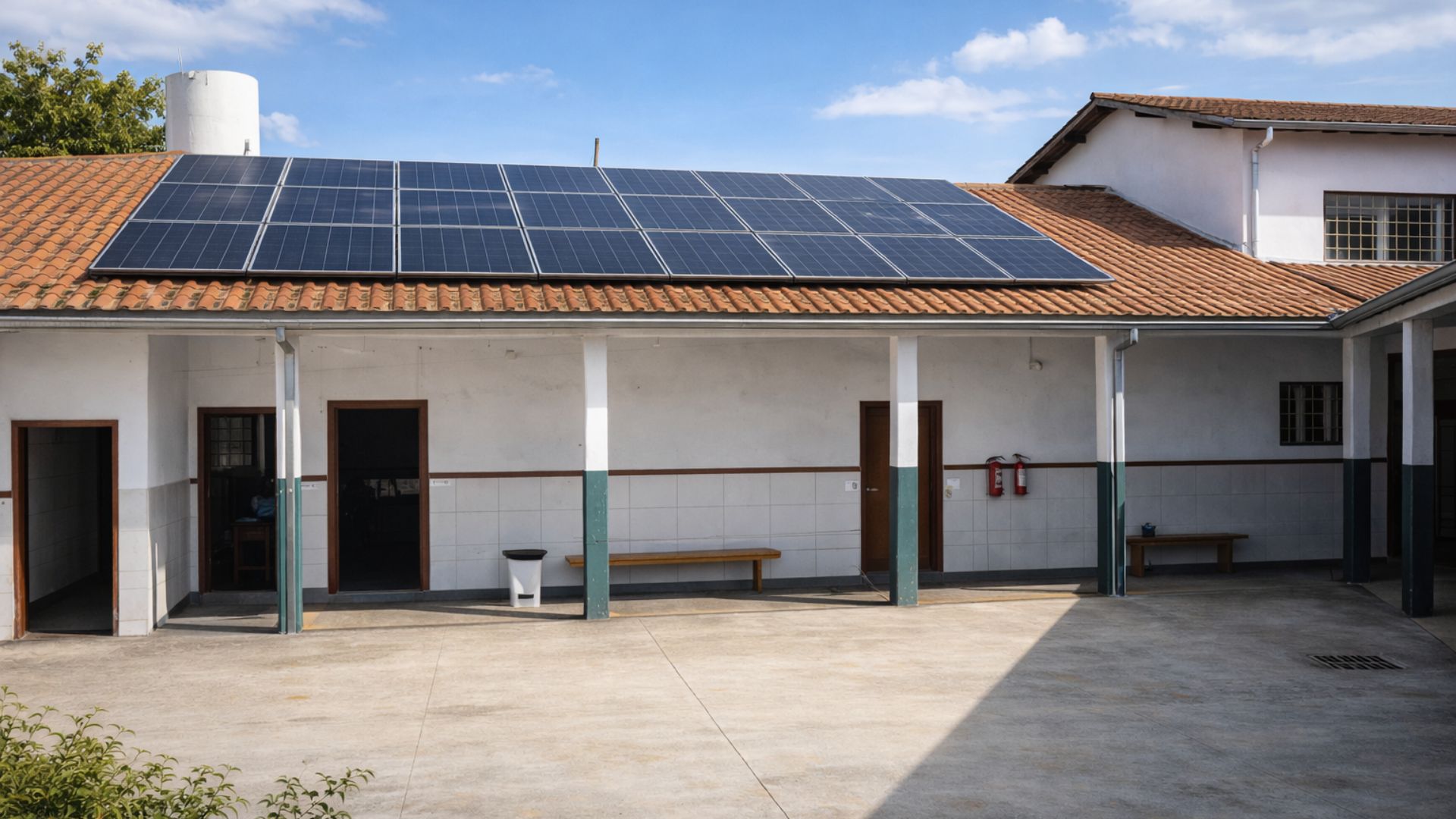
Copel boosts solar energy in Paraná and brings innovation to public schools, promoting savings on electricity bills, energy efficiency, and a direct impact on the quality of education.
-
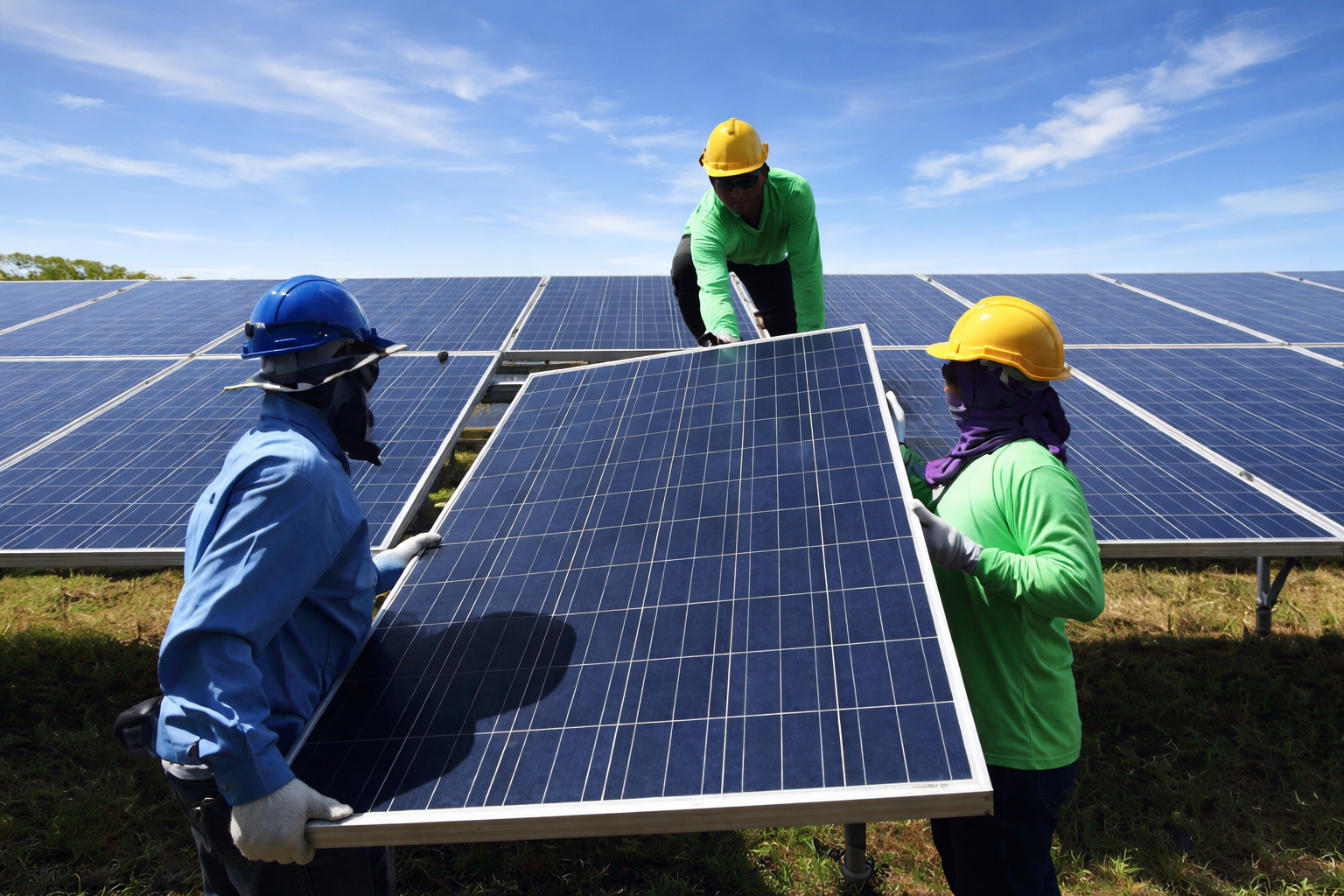
Brazil reaches historic milestone in solar energy: Sector surpasses 2 million accumulated green jobs and generates billions in the national economy even under market pressure.
-
Minas Gerais takes the lead in renewable energy: State surpasses historic mark of 14 GW in solar energy generation in MG and consolidates dominance in the Brazilian electric sector.

Solar Energy and Public Savings at ABIN: An Efficient Model
Solar energy is establishing itself as a strategic solution for the Brazilian public sector. ABIN’s photovoltaic plant is a clear example of how the energy transition can generate economic and environmental benefits.
Between January and September 2024, ABIN spent around R$ 1.63 million on electricity. In the same period in 2025, after the solar plant was activated, this amount dropped to R$ 615 thousand. This represents a direct savings of over R$ 1 million in just nine months.
The annual projection indicates a reduction of R$ 1.36 million in electricity expenses, ensuring a return on investment in just over three years. The total cost of the project was R$ 4.499 million, financed with public resources and executed with a focus on efficiency and sustainability.
Performance of ABIN’s Photovoltaic Plant
The monthly production of ABIN’s photovoltaic plant demonstrates stability and high performance. See the generation data between January and September 2025:
| Month | Generation (MWh) |
| January | 69.98 |
| February | 178.51 |
| March | 190.47 |
| April | 164.00 |
| May | 184.04 |
| June | 174.56 |
| July | 177.63 |
| August | 213.56 |
| September* | 102.61 |
| Total | 1,455.36 |
*Data until September 18, 2025.
The production peak occurred in August, with 213.56 MWh, resulting from good solar irradiance conditions and equipment efficiency. The average monthly generation is approximately 161,768 kWh, sufficient to guarantee over 70% of the consumption of ABIN’s headquarters.
Reduction of Emissions and Positive Environmental Impact
ABIN’s photovoltaic plant directly contributes to mitigating climate change. The generation of 1.455 GWh has avoided the emission of about 56 tons of CO₂, considering the average emission factor of the Brazilian electricity matrix (0.0385 tCO₂/MWh).
The annual estimate is even more impressive: about 308.65 tons of CO₂ will no longer be released into the atmosphere. This volume is equivalent to the carbon sequestration carried out by approximately 392 native trees over 20 years.
In addition to generating its own electricity, ABIN encourages sustainable practices among its staff, such as rational resource use, waste elimination, and conscious consumption. Thus, energy efficiency goes beyond infrastructure and also involves behavioral changes.
Energy Transition and Institutional Security
The energy transition is a strategic priority for public institutions. By investing in solar energy, ABIN strengthens its energy security, reduces dependence on non-renewable sources, and aligns with national decarbonization goals.
Solar energy is a clean, renewable, and low environmental impact source. In Brazil, where the electricity matrix is already predominantly hydropowered, diversification with sources like solar increases system resilience and reduces risks associated with water scarcity.
ABIN’s plant also represents an advance in smart public management. By becoming self-sufficient in energy, the agency lowers operational costs, improves its budget predictability, and reinforces its role as an agent of socio-environmental transformation.
ABIN as a Reference in Solar Energy in the Public Sector
ABIN is the first agency of the Presidency of the Republic to have its own solar generation structure. The initiative was launched during the celebrations of the agency’s 25th anniversary in December 2024, marking a new phase in its institutional operation.
The choice for solar energy reflects a long-term vision focusing on sustainability, innovation, and environmental responsibility. The photovoltaic plant installed at the headquarters complex in Brasília is an example of how technology and management can walk hand in hand.
Besides the savings and emissions reduction, the project strengthens ABIN’s image as a modern institution committed to the future and the best practices of public governance.

The Role of Solar Energy in Institutional Transformation
Solar energy is more than just a source of electricity — it is a tool for institutional transformation. By adopting this technology, ABIN demonstrates that it is possible to combine strategic intelligence, environmental responsibility, and economic efficiency.
The installed photovoltaic plant represents a milestone in the agency’s history and serves as a model for other public bodies. The energy transition, when well planned and executed, generates concrete and lasting results.
More than R$ 1 million saved and 56 tons of CO₂ avoided in just nine months. These numbers reinforce the importance of investing in renewable sources and show that sustainability can go hand in hand with administrative efficiency.







Seja o primeiro a reagir!