





 English
  Francês
  Alemão
  Italiano
  Japonês
  Norueguês
  Portuguese
  Spanish
 4 min of reading
  0 comments


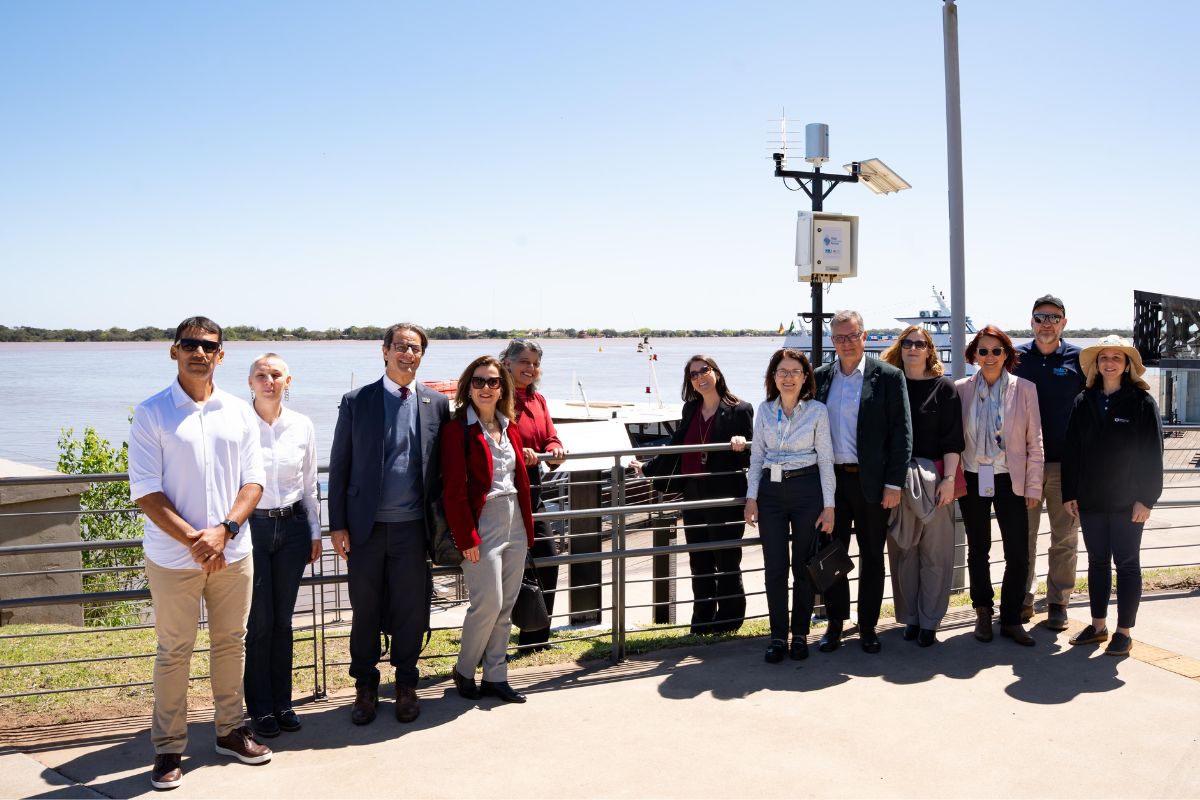
The Gasômetro Plant in the Gaucho Capital Gained a Monitoring Station Integrated into the Guaíba Hydrological Alert System, Expanding Forecasts and Strengthening the Hydrometeorological Network
The Gasômetro Plant now plays a prominent role that goes far beyond its historical and cultural value, according to a report published.
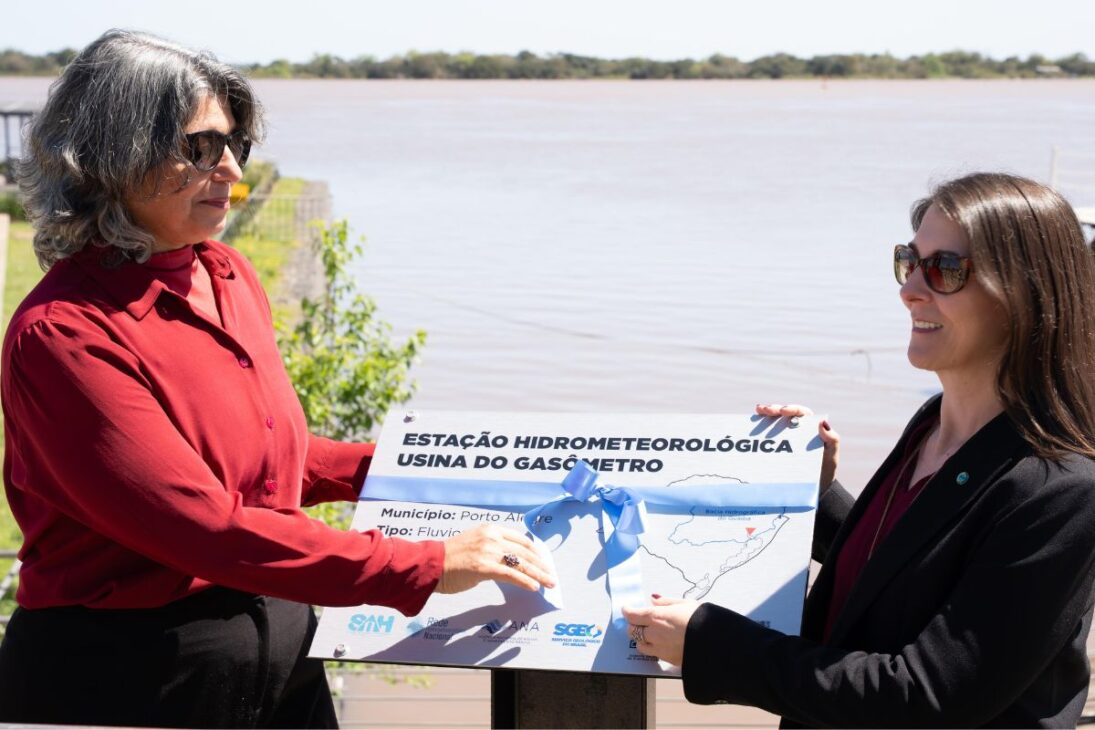
On September 25, the Geological Service of Brazil (SGB) and the National Water and Basic Sanitation Agency (ANA) inaugurated a station completely integrated into the Guaíba Hydrological Alert System at the site.
The goal is to enhance the monitoring of the rivers that flow through the region and ensure real-time forecasts for the population of Porto Alegre and neighboring cities.
-
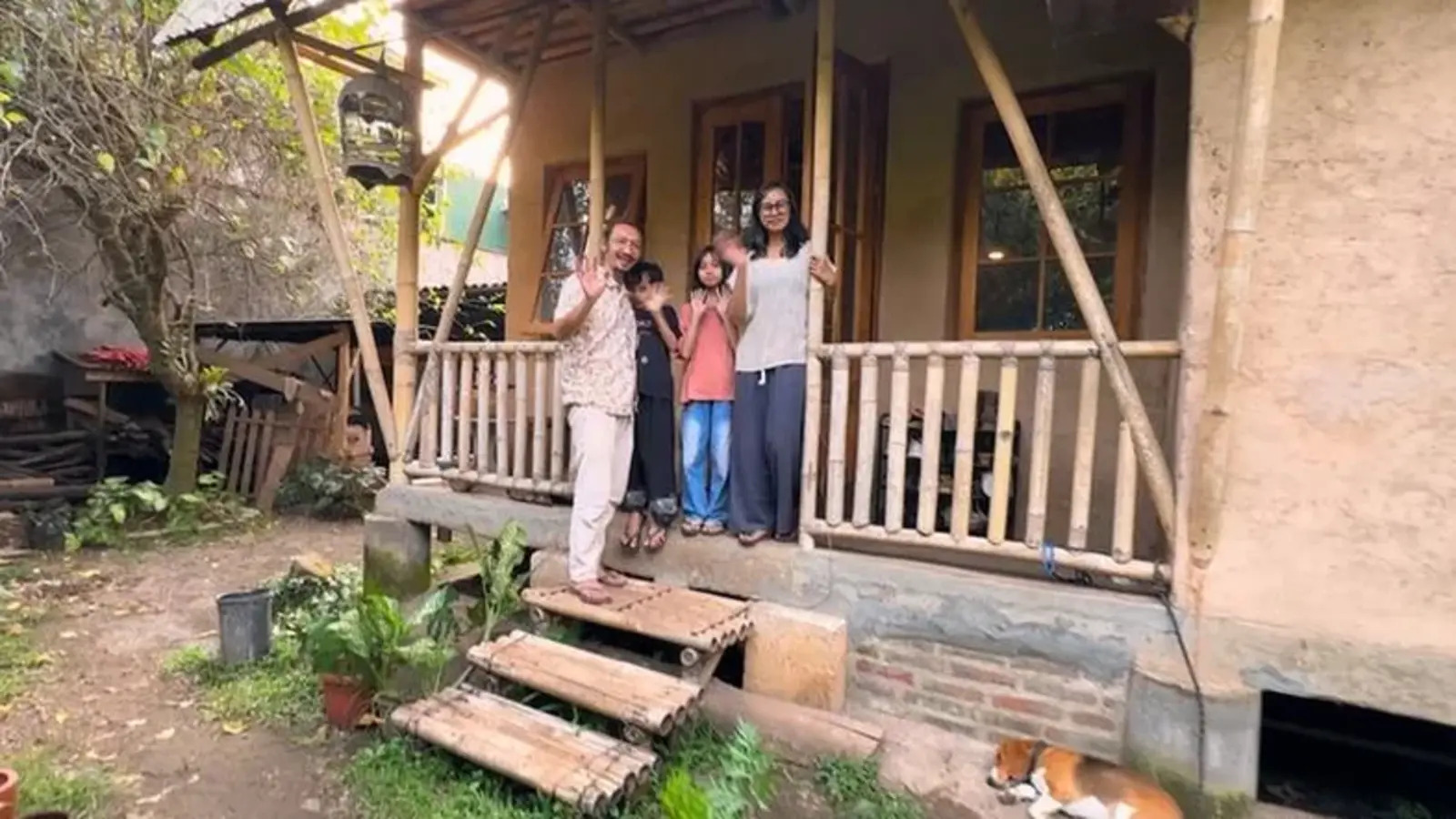
With earth, bamboo, straw, and lime mortar, a specialist builds a house for just over $460 and draws attention for its cost being much lower than traditional construction.
-
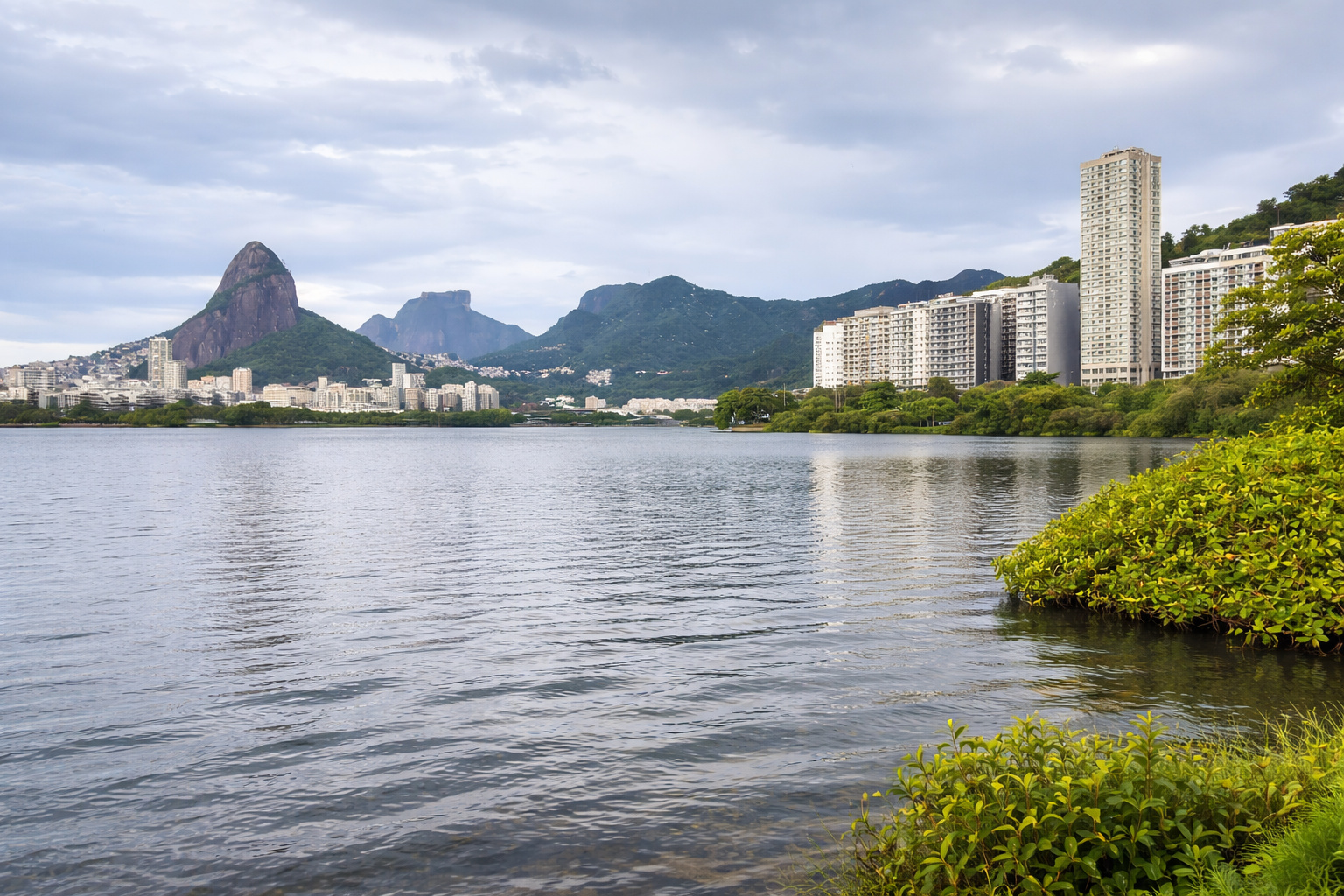
Rodrigo de Freitas Lagoon advances in environmental recovery with sanitation, elimination of irregular sewage, and the resumption of water sports in Rio de Janeiro.
-
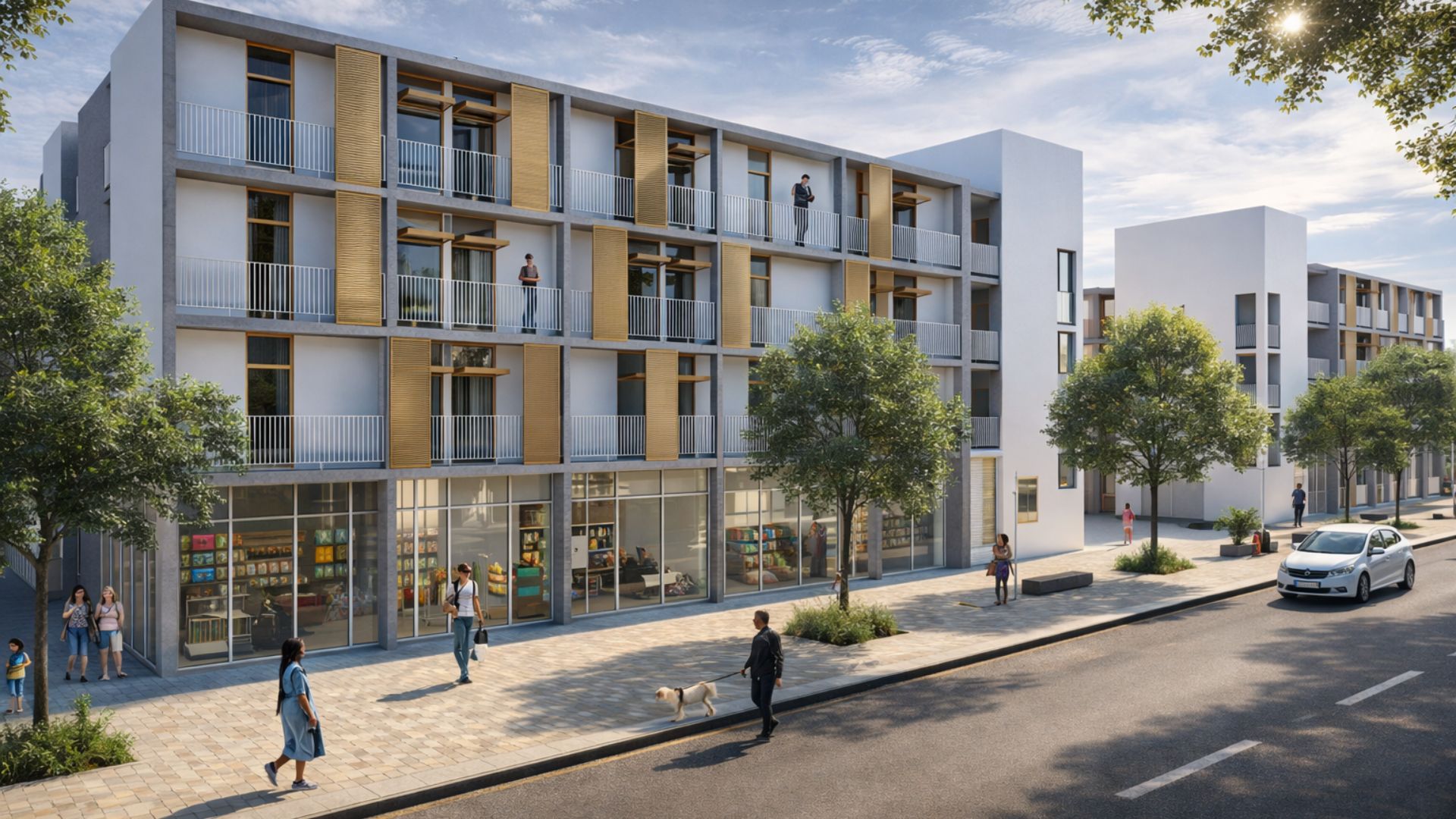
Sustainable housing gains strength with a nationally awarded project in Campo Grande, highlighting innovative solutions that combine sustainability, urban integration, and efficiency in the use of natural resources.
-
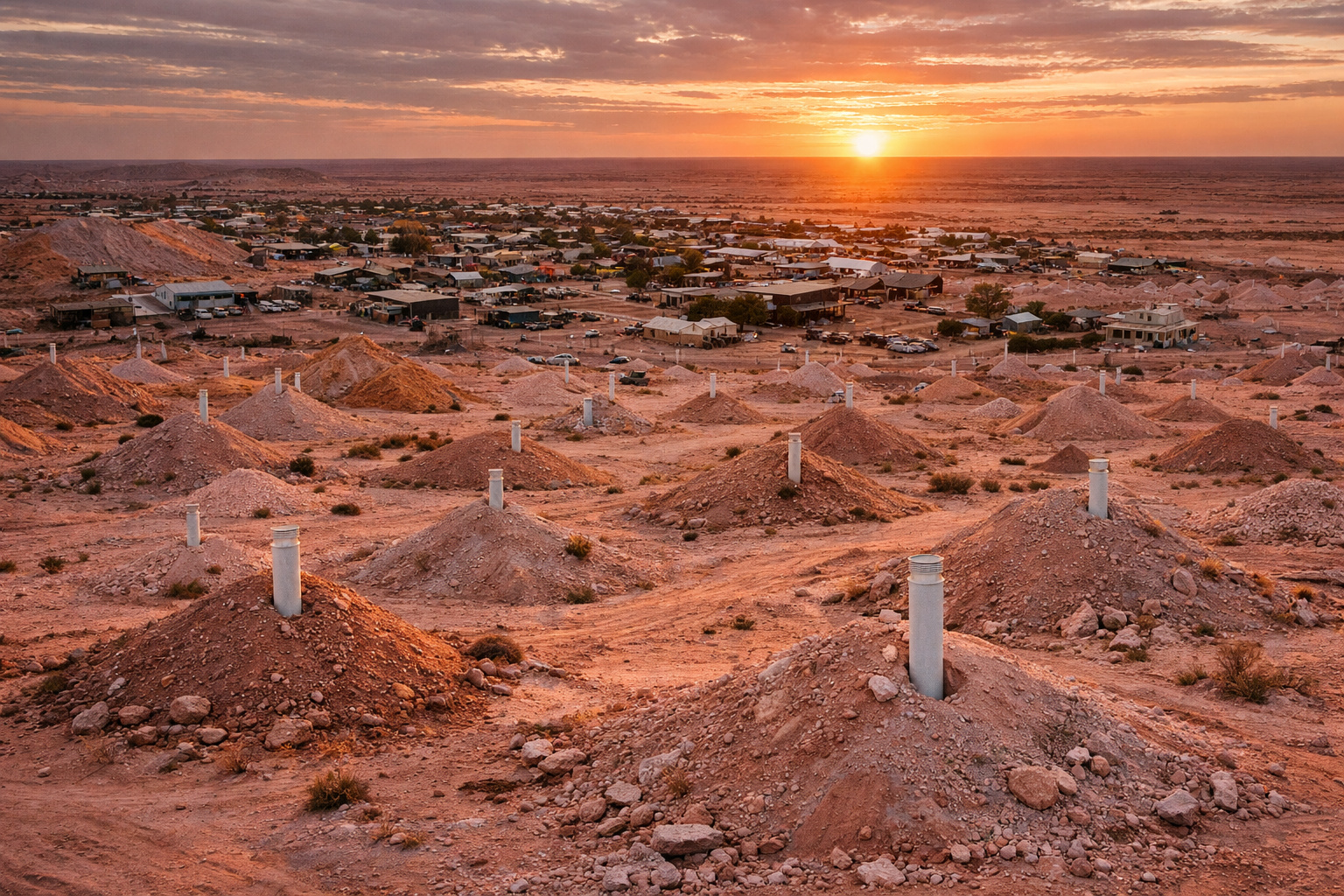
City Where Residents Live Underground to Escape 52°C May Be a Picture of the Future on an Increasingly Hot Planet

This innovation is important because the rivers of Rio Grande do Sul are being monitored more closely, in detail, and connected.
With the new station, the capital now has data that helps civil defense agencies and institutions to act quickly in flood situations.
This means that the city will have access to reliable information about the Guaíba’s water behavior.
Modernized Station Integrated into the National Hydrometeorological Network
The Gasômetro Plant received a station that underwent reconfiguration to meet the standards required by the National Hydrometeorological Network (RHN), coordinated by the ANA.
The equipment, identified by code 87444000, allows real-time monitoring of the Guaíba level, with data that goes directly to the system for community consultation.
According to ANA’s director, Cristiane Battiston, this update is vital because about 80% of the RHN stations are operated by the SGB. This highlights the importance of collaborative efforts to maintain hydrological monitoring across the country.
Additionally, educational gauges were installed at the Gasômetro Plant itself, making it easier for the population to directly visualize water level markings.
This technological enhancement is part of a larger plan. In total, the station is part of a set of 33 monitoring points that compose the Guaíba Hydrological Alert System, covering 17 municipalities, including Porto Alegre.
Advanced Forecasts and Bulletins for Civil Defense
With the Gasômetro Plant station, SGB’s operational protocol provides for the issuance of bulletins whenever the rivers reach the so-called “alert level.”
These reports are available on the SGB website and are also sent to institutions such as the ANA, the National Center for Monitoring and Early Warning of Natural Disasters (CEMADEN), and the National Center for Risk and Disaster Management (CENAD).
This advance information allows the local Civil Defense to be prepared to act more efficiently in cases of risk.
Another relevant point is the partnership between the SGB and the Hydraulic Research Institute of UFRGS (IPH/UFRGS), which developed the hydrological modeling used.
This project was made possible by a Decentralized Execution Term (TED) valued at R$ 2 million, with emergency resources from the Civil House. The plan will last for two years, with progressive deliveries throughout the period.
Historical Records Preserved After the 2024 Flood
The Gasômetro Plant will also play a special role in preserving the recent memory of the city.
In May 2024, Porto Alegre faced a historic flood that damaged the Cais Mauá C6 fluviometric station, operated by the Department of Water Resources and Sanitation (DRHS) of the State Department of the Environment (SEMA/RS).
With the new equipment installed, it will be possible to maintain records of the maximum levels recorded during that period, ensuring that this information remains available for future analyses and for the population itself.
The station was identified as Gasômetro Plant FLOOD 2024, reinforcing the commitment to keep alive the memory of this event.
The SGB already operates hydrological alert systems in other river basins in the state, such as those of the Taquari, Caí, and Uruguai rivers.
At the national level, 18 basins are monitored, directly benefiting over 8.7 million Brazilians. The new enhancement in Porto Alegre further expands this network of security and information.
In total, the initiative emphasizes the importance of the Gasômetro Plant as a reference not only culturally but also scientifically and for environmental monitoring.
With real-time data, cutting-edge technology, and preserved historical records, the station becomes a fundamental piece to ensure that the city and region are always informed about the Guaíba’s behavior.








Seja o primeiro a reagir!