





 Portuguese
  English
  Spanish
 2 min of reading
  0 comments



Milestone In The Right To ICMS Credit Can Influence Other Segments
The recent ruling by the 1st Section of the Superior Court of Justice (STJ) was a triumph for a plant that produces ethanol, sugar, and energy from sugarcane. This ruling allowed it to use ICMS credits for the purchase of crucial intermediate products for its operation, even if these are progressively consumed in the production cycle. Among the benefited items are mills, electrodes, production sector oils, bearings, and others.
Understanding The Impact Of The Decision On The Fiscal World
The significance of this decision goes beyond the immediate. It serves as a beacon for taxpayers amid disputes with the tax authorities over the interpretation of the Kandir Law, the regulatory framework for ICMS. At the heart of this controversy, the tax authorities argue that such items do not integrate into the finished product, as they are used and consumed during production, and, therefore, would not justify the right to credit.
-
Petrobras reaffirms its commitment to the market and ensures that it will carry out the energy transition safely to maintain national sovereignty.

-
Researchers discover a possible hydrogen deposit of up to 46 million tons beneath an ancient coal basin, and the volume could exceed half of the entire global production.

-
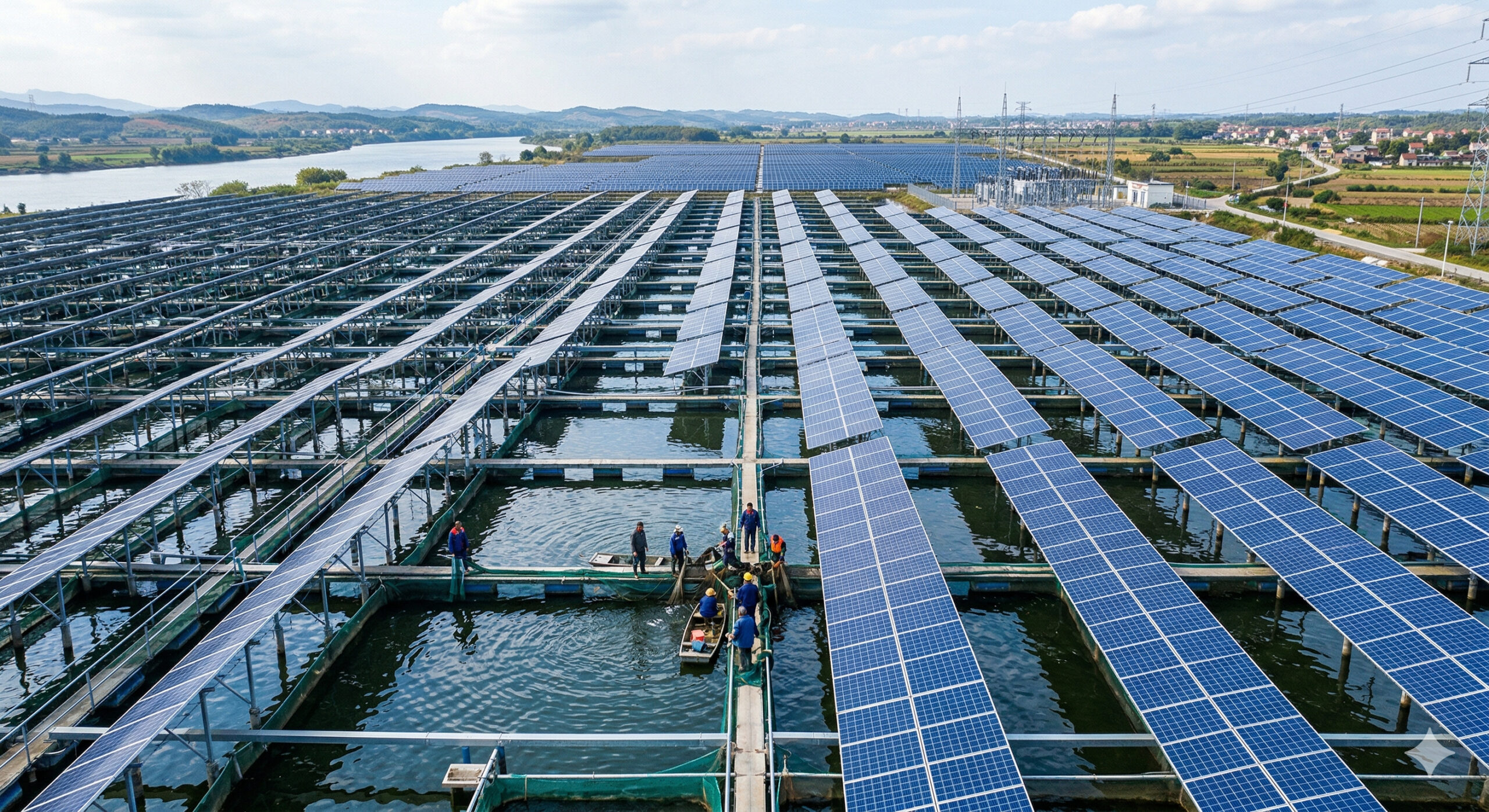
China bets on the Fishery-PV model and transforms fish farms into giant solar plants, covering ponds with panels that generate energy while utilizing the same space for large-scale aquaculture production.
-
Green hydrogen at home: Belgium launches new technology that makes solar panels produce fuel from the moisture in the air, which could boost the energy transition.


The issue reached the STJ after the São Paulo Court of Justice rejected the plant’s request to register ICMS credits on intermediate products that are not immediately consumed in the production process. Contradicting this decision, the STJ sided with taxpayers. It validated the claim for credits linked to the purchase of inputs used in the production cycle, even if consumed over time, as long as their relevance to the company’s main objective can be proven.
According to Henrique Munia and Erbolato, a renowned tax law specialist from Santos Neto Advogados, the decision applies the principle of non-cumulativity of ICMS, challenging the previously restrictive view adopted by the State Treasury. As a result, the case returns to TJ-SP to assess which intermediate products are vital for the plant, thus authorizing the registration of the credits. The jurist emphasizes: “This interpretation can be extended to other productive industries, bringing benefits also to the final consumer.”
Source: pri.costa@elacomunica.







Seja o primeiro a reagir!